

Manned Unmanned Teaming in Modern Warfare
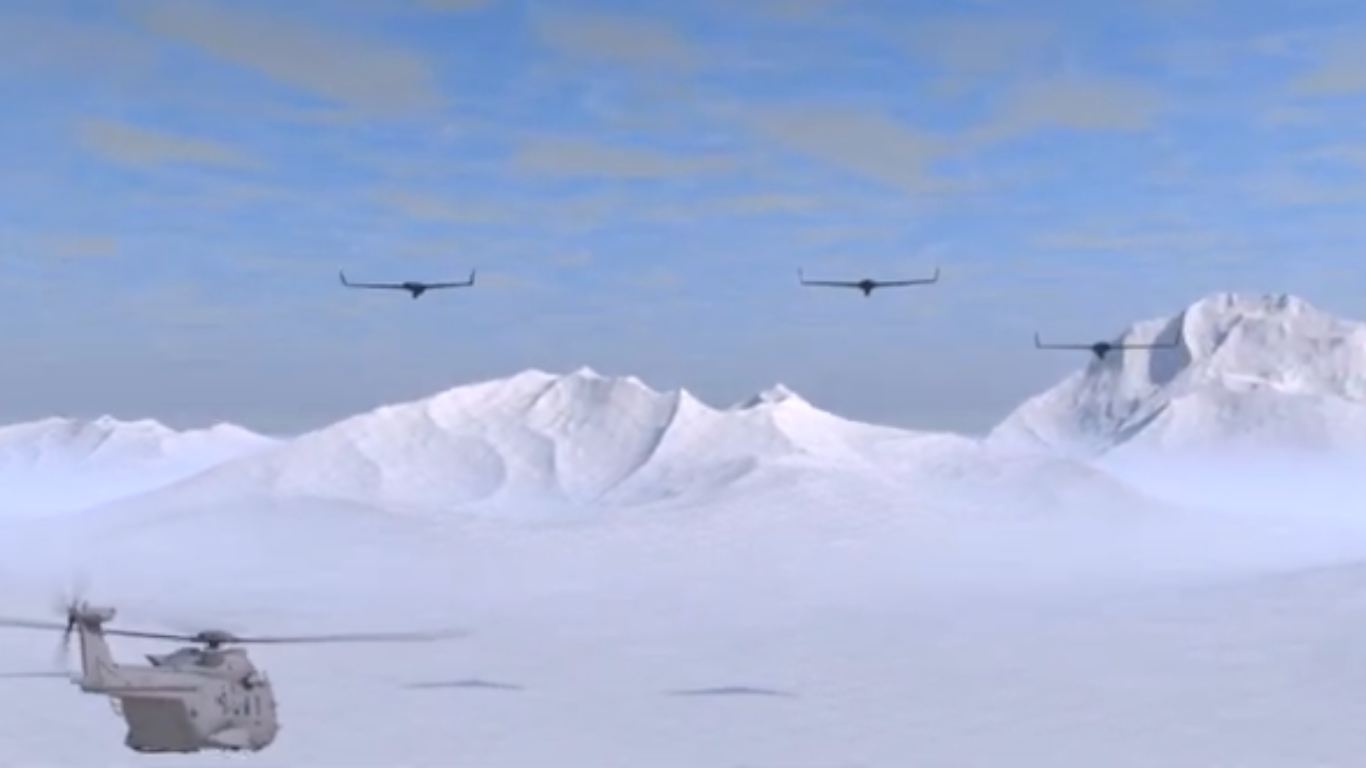
Manned Unmanned Teaming is changing the way military missions are planned and executed. Instead of replacing people, it brings experienced pilots and intelligent drones together to create a smarter and safer fighting force. In this guide, you will discover how this partnership works and why it is becoming one of the biggest advances in modern defense.
Manned Unmanned Teaming Future of Air Comba
Manned Unmanned Teaming is transforming modern military operations by combining skilled pilots with intelligent autonomous drones for safer, faster, and smarter battlefield decisions.
Modern warfare has entered an entirely new phase where information, speed, and coordination are often more valuable than raw firepower. Success on today’s battlefield depends on making accurate decisions in seconds while handling huge amounts of information from different sources. Human operators are highly skilled, but every person has physical and mental limits. This challenge has encouraged military organizations to develop systems that combine human judgment with intelligent machines instead of relying on either one alone.
Manned Unmanned Teaming, commonly known as MUM-T, is one of the most important developments supporting this goal. Rather than replacing pilots with machines, it allows pilots to lead multiple autonomous or semi autonomous drones during a single mission. These drones become trusted partners that extend the pilot’s vision, awareness, and operational reach while the pilot remains responsible for critical decisions.
This concept represents a major change in military thinking. Instead of focusing on a single aircraft, commanders now think about connected teams of aircraft working together. Every platform has a specific role, creating a flexible network that is more capable than any single aircraft operating independently.
Understanding The Core Concept
Manned Unmanned Teaming is a military concept where human pilots work alongside intelligent drones to improve surveillance, protection, combat effectiveness, and decision making while keeping humans responsible for critical mission choices.
The idea behind Manned Unmanned Teaming is straightforward. Imagine an experienced helicopter or fighter pilot leading several intelligent drones just as a team leader directs highly trained specialists. Every drone performs a different task while continuously sharing information with the pilot.
Some drones move ahead to identify enemy activity. Others monitor surrounding airspace, collect radar information, or provide electronic support. Certain drones may carry weapons while another group distracts enemy defenses or creates confusion for hostile radar systems.
The pilot no longer spends valuable time collecting every piece of battlefield information personally. Instead, intelligent systems gather, organize, and deliver the most useful information, allowing the pilot to focus on leadership and mission decisions.
From my perspective, this shift is one of the biggest transformations in military aviation because it changes the pilot’s role from operator to battlefield commander.
The Evolution Of MUMT Technology
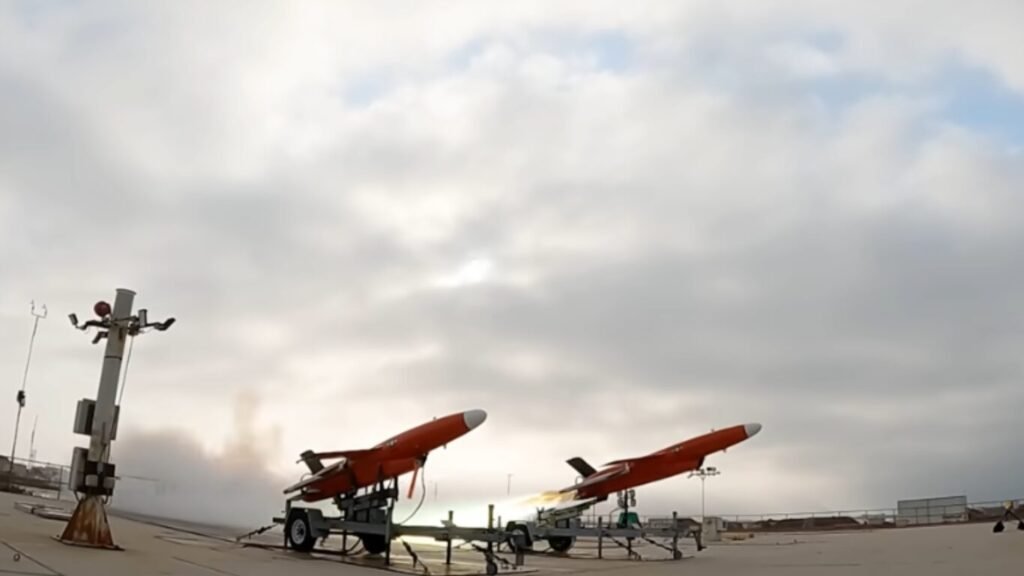
Military aviation has always evolved alongside advances in communication and computing. Early unmanned aircraft were mainly used for surveillance because they had limited intelligence and required constant remote control.
With more powerful computing systems, drones evolved to process information and make decisions independently.
Artificial intelligence added another layer by helping drones recognize objects, avoid obstacles, prioritize threats, and cooperate with nearby aircraft.
Today, advanced communication systems, secure data links, high resolution sensors, and AI algorithms allow multiple unmanned aircraft to function together while remaining connected to human operators.
Historical development can be better understood through the following timeline.
| Year | Event | Description |
|---|---|---|
| 1990s | Early military drones | Unmanned aircraft were primarily used for surveillance and reconnaissance missions. |
| Early 2000s | Networked battlefield systems | Military forces improved communication between aircraft and command centers. |
| 2010s | AI integration | Artificial intelligence improved autonomous navigation, sensor analysis, and target recognition. |
| 2020s | Operational MUM-T programs | Several nations introduced advanced human drone teaming concepts into military exercises and operational planning. |
How The Technology Works
At the center of every MUM-T mission is the human operator. Around that operator is a network of intelligent drones equipped with advanced sensors, cameras, radar systems, communication equipment, and onboard computing.
Every drone continuously observes its surroundings. The collected information is processed locally and transmitted through secure communication channels. Artificial intelligence rapidly filters enormous amounts of incoming information before presenting only the most valuable updates to the pilot.
Let me explain this in the clearest, simplest terms.
Imagine driving a car while dozens of people simultaneously tell you different directions. It would quickly become overwhelming. Now imagine having one trusted assistant who listens to everyone, identifies only the important information, and calmly tells you exactly what matters. AI performs a similar role by reducing information overload and allowing the pilot to stay focused.
Without this intelligent filtering process, pilots could easily become overwhelmed by the massive amount of battlefield information arriving every second.
Artificial Intelligence Behind The System
Artificial intelligence is not replacing military professionals.Instead, it gives people stronger support to make informed decisions.
Modern AI systems perform several important tasks simultaneously. They analyze sensor information, recognize vehicles, monitor aircraft movement, detect unusual behavior, estimate possible threats, and continuously update mission conditions.
Machine learning algorithms improve performance by recognizing patterns from previous missions and adapting to changing environments. Computer vision enables drones to recognize roads, buildings, vehicles, aircraft, and terrain under different weather conditions.
Natural data processing helps organize communication between multiple aircraft, while predictive analysis estimates possible enemy actions based on observed behavior.
The greatest advantage is speed. AI can analyze thousands of pieces of information within seconds while human operators concentrate on strategy rather than raw data processing.
Secure Communication Networks
Reliable communication is the backbone of successful Manned Unmanned Teaming.
Every aircraft within the network must exchange information instantly. If communication fails, coordination becomes much more difficult and mission effectiveness may decrease significantly.
Military communication systems therefore use encrypted data links designed to resist interception and electronic attacks. Information travels securely between aircraft, command centers, satellites, and supporting ground units.
Modern communication networks also prioritize critical information. Threat warnings reach pilots immediately, while less urgent updates are delivered later. This intelligent communication management keeps missions organized even during highly complex operations.
Real World Mission Example
Consider a military helicopter assigned to support troops operating in mountainous terrain.
Instead of flying directly into dangerous territory without information, the helicopter first deploys several intelligent drones.
One drone flies ahead and scans valleys for possible threats.
Another monitors enemy communication signals.
Another drone scans the surrounding hills using heat-detection cameras.
A fourth drone remains behind to maintain communication between all aircraft.
The helicopter pilot receives a complete picture of the battlefield before entering high risk areas. If danger is detected, the pilot can immediately change direction, request additional support, or send another drone for closer inspection.
This approach greatly reduces unnecessary risks while improving mission planning.
Strategic Benefits For Modern Military Forces
One of the greatest strengths of Manned Unmanned Teaming is flexibility. Every mission can be customized according to operational requirements.
Surveillance missions may require additional reconnaissance drones.
Electronic warfare missions may emphasize communication disruption.
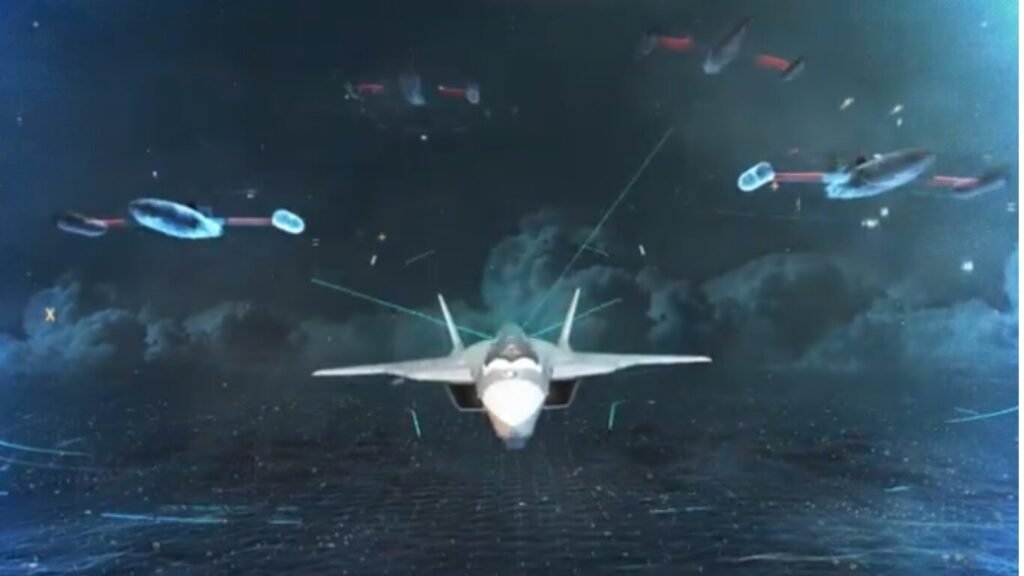
Combat operations may involve armed drones supporting manned aircraft.
Search and rescue missions may deploy drones equipped with thermal sensors capable of locating survivors in difficult environments.
This flexibility allows military organizations to adapt rapidly without redesigning the entire force structure.
Another major advantage is cost efficiency.Using multiple drones to support one piloted aircraft is usually more cost-effective than sending several crewed aircraft, while still providing excellent mission capability.
Better Situational Awareness
Battlefield awareness has always been one of the most valuable military advantages.
Conventional pilots can only monitor what their aircraft’s sensors are able to detect. MUM-T expands this awareness dramatically.
Every drone contributes additional perspectives, creating a shared operational picture covering a much larger area.
Pilots receive updates from radar systems, electro optical sensors, infrared cameras, electronic intelligence equipment, and communication monitoring systems simultaneously.
This broader understanding allows commanders to identify threats earlier and react more effectively.
In my opinion, improved situational awareness may ultimately become the greatest long term benefit of this technology because informed decisions often prevent unnecessary conflict before weapons are even used.
Human Judgment Remains Essential
Despite impressive technological progress, human judgment continues to play the most important role.
Artificial intelligence processes information remarkably fast, but it cannot fully understand political consequences, ethical responsibility, diplomatic considerations, or unexpected human behavior.
Military leaders remain responsible for mission authorization, engagement decisions, and overall command.
Maintaining a human in the loop approach ensures that technology supports responsible decision making rather than replacing accountability.
This balance protects both operational effectiveness and ethical standards.
Current Challenges
Although Manned Unmanned Teaming offers impressive capabilities, several technical challenges remain.
Communication systems must remain secure despite electronic warfare.
Cybersecurity becomes increasingly important because connected systems create potential attack opportunities.
Artificial intelligence must continue improving its ability to recognize complex battlefield situations without producing false conclusions.
Environmental conditions such as heavy snow, dense smoke, strong winds, or electronic interference can also affect sensor performance.
Military organizations therefore continue investing heavily in testing, cybersecurity, communication resilience, and software reliability before expanding operational deployment.
Ethical Responsibility
Every major technological advancement creates new ethical questions.
One important discussion concerns autonomous decision making during combat. Should machines ever decide independently when to use force, or should humans always approve such actions?
Another issue involves accountability. If an autonomous system makes a mistake, determining responsibility becomes far more complicated than traditional military operations.
Responsible development requires clear legal frameworks, transparent operational policies, international cooperation, and continuous human supervision.
Technology should always strengthen responsible leadership rather than weaken it.
The Future Of Human Machine Collaboration
The future of defense will likely involve even closer cooperation between humans and intelligent systems.
Future drones may coordinate with one another automatically while adapting to changing battlefield conditions. Improved AI could increase navigation accuracy, strengthen communication resilience, and reduce pilot workload even further.
Emerging technologies including quantum communication, advanced edge computing, improved satellite connectivity, and next generation sensor systems may further increase operational performance.
Even as technology advances, successful military operations will continue depending on human experience, leadership, discipline, and sound judgment.
Machines contribute speed and analytical power. Humans contribute wisdom, accountability, creativity, and ethical responsibility. Together they create a partnership capable of handling increasingly complex missions.
CONCLUSION AND BRAND CREDIBILITY
Manned Unmanned Teaming represents far more than another military innovation. It introduces a smarter way for humans and intelligent machines to work together, combining rapid data analysis with experienced human leadership. As defense technology continues advancing, this balanced partnership will play an increasingly important role in improving mission success while helping protect military personnel.
At worldstan.com, we believe the future of defense belongs to responsible innovation where technology supports human expertise rather than replacing it. Every insight shared in this guide has been carefully researched and uniquely written to help readers understand the growing importance of Manned Unmanned Teaming. This exclusive analysis is proudly delivered by the worldstan.com platform.