

How DJI Drones Changed Modern Aerial Technology
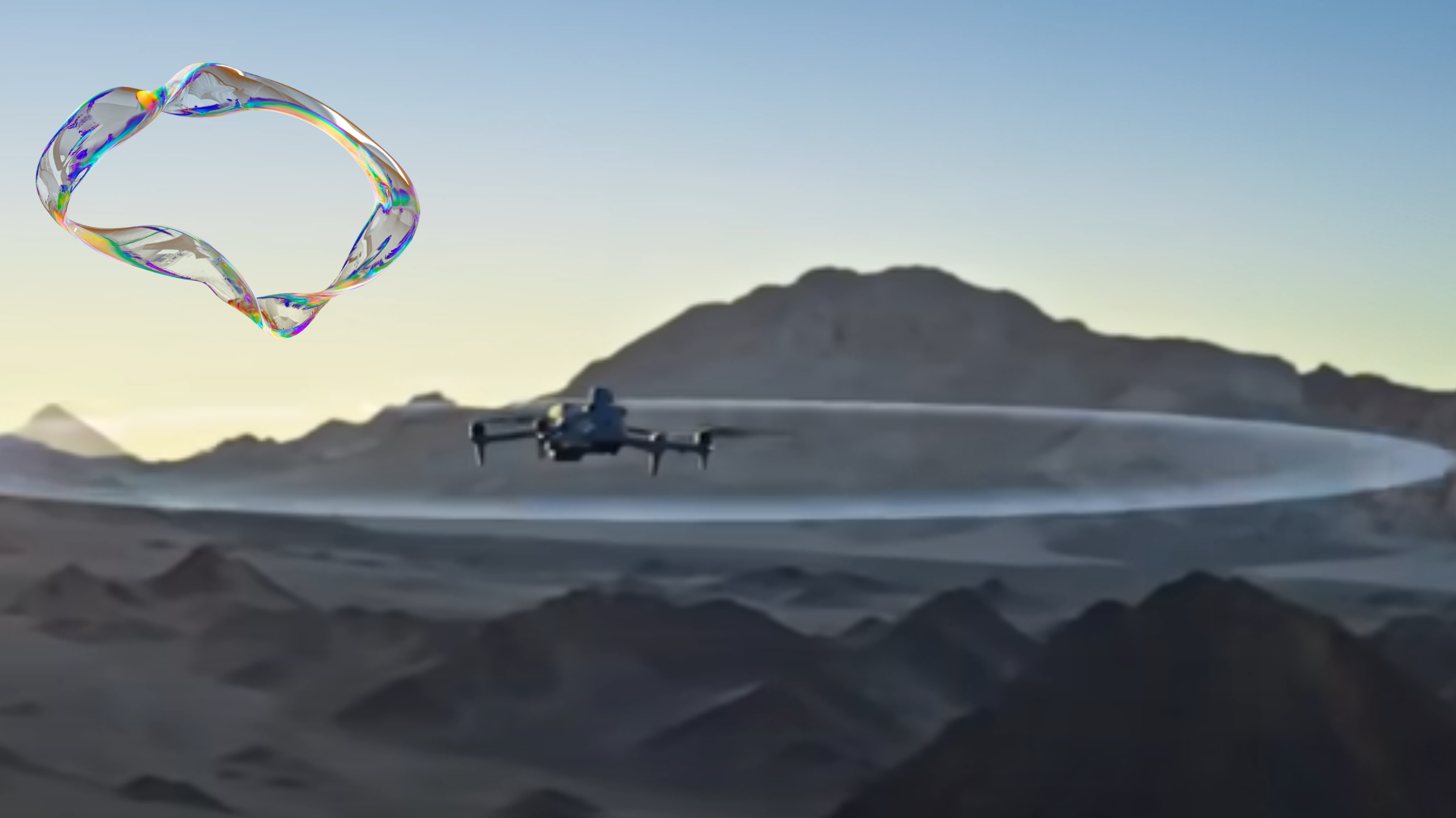
DJI drones are no longer just flying cameras for hobbyists because they now power filmmaking, inspections, agriculture, travel content, and even emergency response operations across the world. This guide explains how DJI became the leading drone company and why its technology continues to shape the future of aerial photography and smart imaging.
The Rise of DJI Drones Across the World
When people talk about modern aerial photography, the first name that usually enters the conversation is DJI. The company has built a reputation that goes beyond ordinary technology branding. Today, DJI drones are used by travel creators, film directors, farmers, surveyors, rescue teams, and even infrastructure engineers. Very few technology companies have managed to influence both casual consumers and large industries at the same time.
What makes this growth impressive is how quickly the brand moved from a small engineering startup into a global symbol of smart flying technology. Many people now search for drone DJI products instead of simply searching for drones. That alone shows how deeply the company has entered public awareness.
From my perspective, DJI succeeded because it focused on solving real problems instead of only chasing trends. Stable flight systems, intelligent obstacle detection, cinematic video quality, and easy controls made drone technology accessible to ordinary users who had never flown before.
Why DJI Consumer Drones Remain Popular
One reason DJI continues to dominate the market is product diversity. The company offers lightweight beginner drones, professional filmmaking systems, and advanced industrial platforms.
The Mavic Mini became a favorite among travelers because of its compact design and beginner friendly controls. The Mini 3 Pro later improved this experience with better obstacle avoidance and stronger low light performance. Meanwhile, the DJI Air 3 gained attention for its dual camera setup that gives creators more flexibility during filming.
DJI’s DJI FPV and DJI Avata 3 introduced an exciting new segment by blending immersive flight experiences with advanced safety features.
FPV drones once required technical expertise, but DJI simplified the process for mainstream users. That decision brought thousands of new pilots into the FPV community.
Another detail that often gets overlooked is software reliability. The DJI app Android ecosystem, firmware updates, and intelligent flight modes make daily flying easier and safer for users around the world.
DJI and the Expansion Into Professional Industries
Many people still think drones are mainly entertainment products, but the reality is very different now. DJI has become deeply connected to industrial operations.
The DJI Matrice series is a major example of this shift. These professional drones support surveying, mapping, infrastructure inspections, search operations, and agricultural analysis. Companies working with power lines, pipelines, bridges, and construction sites now rely on thermal drone camera systems to improve efficiency and safety.
The DJI Matrice 350 RTK and DJI Matrice 300 RTK are especially important because they combine high precision navigation with advanced sensor systems. Emergency responders can use drone with infrared camera technology to locate heat signatures during rescue operations or fire emergencies.
In agriculture, DJI platforms help farmers monitor crops and spray fields with much greater precision than traditional methods. This saves time, reduces chemical waste, and improves productivity.
From my perspective, DJI’s industrial success is driven more by practical engineering than by marketing hype.
Businesses continue using these systems because they deliver measurable results.
DJI Cameras and Accessories Strengthen the Ecosystem
DJI did not stop at drones. The company expanded into cameras, stabilization equipment, and audio technology.
The DJI Osmo Pocket 3 became extremely popular among vloggers because it offers stabilized footage inside a pocket-sized design. Many creators compare the DJI Osmo Pocket 3 price against larger camera systems and realize they can achieve impressive results with a much smaller investment.
Action creators also embraced the DJI Osmo Action 4 because of its rugged design and high quality stabilization. Adventure vloggers, bikers, and travelers use these cameras in difficult environments where traditional equipment would struggle.
The DJI Mic system also deserves attention because audio quality is often ignored by beginners. Good video without clear sound usually feels incomplete. DJI recognized this problem and introduced wireless audio tools that integrate naturally with creator workflows.
This ecosystem strategy is one of DJI’s biggest strengths. Users can build an entire content production setup within a single connected platform.
Safety Systems and Smart Flight Technology
One area where DJI invested heavily is flight safety. Features like obstacle detection, return-to-home systems, intelligent tracking, and geofencing significantly reduced accidents compared to older drone generations.
The DJI FlySafe system helps pilots avoid restricted airspace while encouraging safer flying practices.
While some pilots dislike flight restrictions, these systems have likely prevented many dangerous situations near airports and sensitive locations.
I think this balance between freedom and responsibility is necessary because drones are now part of crowded public spaces. Technology companies must protect both pilots and surrounding communities.
Artificial intelligence also plays a larger role today. Modern DJI drones can automatically track subjects, recognize scenes, optimize camera settings, and create complex flight paths with limited manual input.
The Debate Around American Made Drones
In recent years, discussions around American made drones and drones made in USA have become more common, especially within government and defense sectors. Some organizations prefer domestic manufacturing for security and procurement reasons.
Even with those debates, DJI remains dominant in many commercial markets because of its mature software ecosystem, sensor compatibility, and overall reliability. Many professionals continue choosing DJI drones because switching to alternative systems often increases operational costs and reduces workflow efficiency.
This does not mean competition is disappearing. In fact, competition could encourage faster innovation across the drone industry. Users may ultimately benefit from stronger safety standards, better privacy protections, and improved technology options.
The Future of DJI Drones and AI Technology
The future of DJI looks closely connected with artificial intelligence, automation, and robotics. Autonomous navigation systems are becoming smarter every year. Future drones may inspect buildings, monitor farms, and respond to emergencies with very little human input.
Rumors about new products continue circulating online, including upgraded FPV systems, advanced stabilization technology, and next generation imaging sensors. Whether every rumor becomes reality or not, DJI clearly continues investing in machine vision and smart automation.
I believe the company’s greatest strength is adaptability. It consistently moves into growing technology sectors before competitors fully understand market demand.
Why DJI Still Leads the Drone Industry
Many companies manufacture drones today, but few combine reliability, software intelligence, portability, imaging quality, and ecosystem integration at DJI’s level.
Creators rely on DJI because its products save time and minimize technical difficulties.
Businesses trust DJI because the systems improve efficiency and deliver consistent data. Beginners trust DJI because learning to fly no longer feels intimidating.
That level of trust is not easy to earn and even more difficult to sustain.
DJI achieved it by continuously improving both hardware and software together instead of treating them as separate experiences.
For readers exploring drone technology today, DJI drones remain one of the strongest choices for photography, filmmaking, industrial inspections, and creative storytelling. Worldstan believes the company’s influence will continue shaping aerial intelligence for many years ahead.
Conclusion
DJI drones transformed the way people capture the world from above. What started as a small engineering vision has evolved into a global technology ecosystem influencing filmmaking, agriculture, inspections, rescue operations, and digital creativity. The company’s ability to combine intelligent software with reliable hardware keeps it ahead in an increasingly competitive industry.
From compact travel drones to powerful industrial systems, DJI continues delivering tools that simplify complex tasks while opening new creative possibilities. As artificial intelligence and automation expand further, DJI’s role in shaping smart aerial technology will likely become even more important. For creators, businesses, and technology enthusiasts, the future of drone innovation still points strongly toward DJI.