

How SenseTime AI Is Transforming Global Technology

SenseTime AI is no longer just another technology company from China. It has become one of the strongest names in computer vision, facial recognition, and smart AI systems, influencing industries that millions of people interact with every single day. This article explains how SenseTime AI grew from a university research project into a global force that is changing security, telecom, retail, and the future of intelligent technology.
Future Ambitions of SenseTime AI in Global Innovation The Rise of SenseTime AI in Modern Technology
The global AI industry is growing at a speed that many experts never expected a few years ago. Among the companies leading this race, SenseTime AI has quietly built a reputation that is impossible to ignore. While many technology firms focus only on software tools or digital assistants, SenseTime AI concentrated on visual intelligence, teaching machines how to understand faces, objects, movement, and real world environments.
This approach gave the company a practical advantage. Governments, telecom firms, retailers, airports, and financial institutions all need systems that can recognize patterns instantly. SenseTime AI entered these sectors with solutions that were faster, more accurate, and scalable for large populations.
What makes this journey impressive is that the company did not begin as a commercial empire. It started from academic research at the Chinese University of Hong Kong. A small group of researchers believed computer vision could transform daily life, and today that vision has evolved into one of the biggest AI ecosystems in Asia.
At Worldstan, I personally believe this transition from classroom research to commercial leadership is one of the strongest examples of how innovation should work. Instead of creating technology for headlines alone, SenseTime AI focused on solving practical problems that industries genuinely face every day.
Why SenseTime AI Became a Global Discussion
One major reason behind the popularity of SenseTime AI is timing. The world entered a phase where automation and intelligent monitoring became essential. Businesses wanted smarter analytics, governments needed digital infrastructure, and consumers demanded faster services.
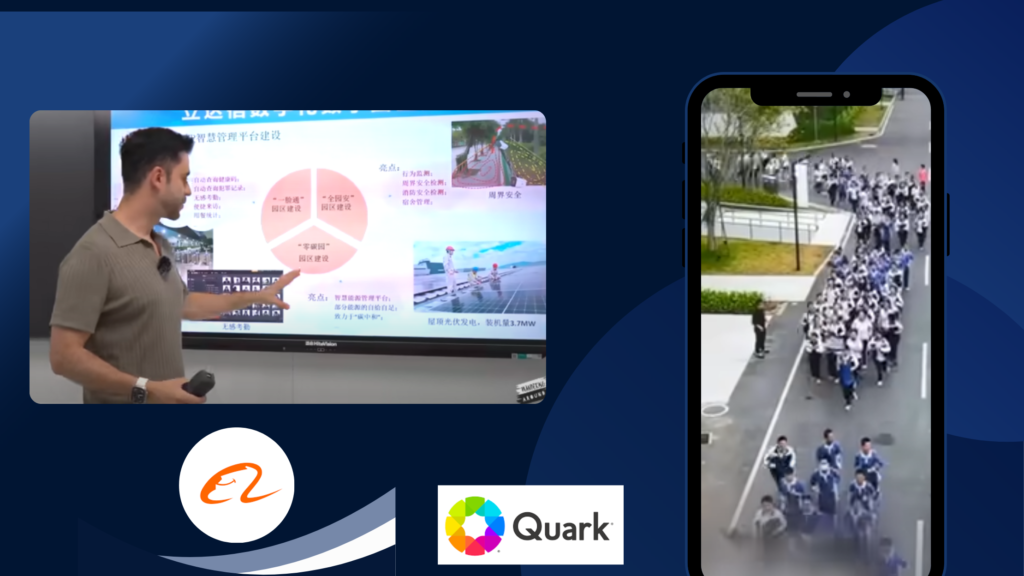
SenseTime AI responded by developing systems capable of processing enormous amounts of visual information within seconds. Facial recognition technology became one of its strongest tools. Across China, the company’s software now supports transportation systems, public surveillance networks, and identity verification systems.
Many critics discuss the privacy concerns connected to facial recognition. That conversation is important and should never be ignored. However, supporters argue that these systems improve public safety, reduce fraud, and help organizations operate more efficiently. The reality is that AI technology always creates debate before society fully adapts to it.
I have noticed that people searching online are no longer asking simple questions about AI companies. They now want to understand which firms will dominate the next decade. That is exactly why SenseTime stock and the company’s future ambitions continue attracting global attention.
SenseTime AI and the Expansion Into Smart Cities
Smart cities are becoming one of the most competitive areas in modern technology. Governments worldwide are investing heavily in digital traffic systems, intelligent monitoring, automated public services, and AI powered infrastructure.
SenseTime AI is positioning itself directly inside this transformation. The company is developing systems that can analyze traffic flow, monitor crowd movement, improve urban safety, and optimize city management through machine learning.
Imagine a city where traffic lights automatically adjust according to congestion levels, emergency services receive real time alerts, and transportation networks predict delays before they happen. This is the direction SenseTime AI wants to push modern infrastructure toward.
At Worldstan, I think the smart city market may become even more valuable than social media technology in the long run because cities constantly need efficient systems to manage growing populations.
Autonomous Driving and the Next Stage of AI
One of the most ambitious goals for SenseTime AI is autonomous driving technology. Self driving vehicles require extremely advanced computer vision systems because cars must identify roads, signs, pedestrians, weather conditions, and nearby vehicles instantly.
SenseTime AI already has strong expertise in visual recognition, which gives it an advantage in this sector. The company is investing heavily in machine learning models designed specifically for transportation and mobility.
The future of autonomous vehicles will not depend only on luxury cars. Delivery services, logistics companies, ride sharing platforms, and public transportation systems all want automation to reduce costs and improve efficiency.
From my perspective, this industry still has years of development ahead, but the companies building the foundations today could become the dominant transportation leaders tomorrow. SenseTime AI clearly understands this opportunity.
The Role of SenseTime Stock in Investor Interest
Investors closely watch companies that combine innovation with large scale adoption. SenseTime stock, listed as 0020 HK, attracts attention because it represents more than a technology business. It symbolizes China’s expanding role in the global AI race.
Technology investors usually search for firms that can influence multiple industries simultaneously. SenseTime AI fits that profile because its software applies to finance, security, telecom, transportation, healthcare, and retail.
Market analysts often focus on revenue growth and expansion strategies, but I believe long term success in AI depends mainly on research quality. Companies that stop innovating eventually disappear, no matter how strong their financial position looks initially.
SenseTime AI continues investing aggressively into research laboratories and AI development, which suggests the company understands how competitive this industry will become over the next decade.
How SenseTime AI Is Influencing Everyday Life
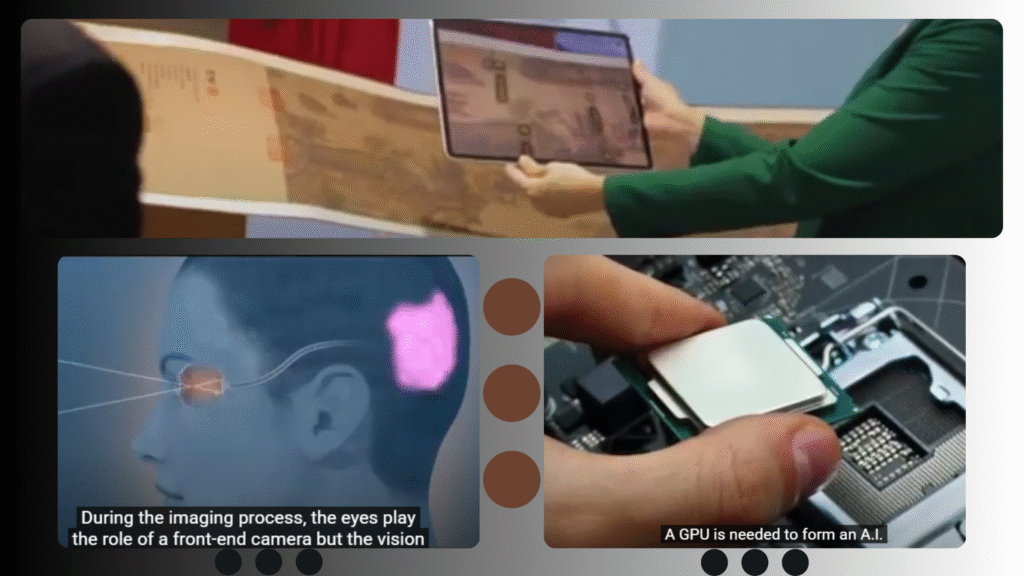
Many people interact with AI systems daily without realizing it. When airports use facial verification, when retailers analyze customer behavior, or when mobile applications recommend personalized experiences, AI is working quietly in the background.
SenseTime AI contributes to many of these systems through its computer vision platforms. Retailers use AI analytics to understand customer movement patterns. Financial institutions use AI verification tools to reduce fraud risks. Telecom companies apply intelligent monitoring for operational efficiency.
Let me explain this in the most simple and straightforward way possible.
The future of AI will not only exist inside robots or futuristic laboratories. It will operate silently inside ordinary services people already use every day.
That is why companies like SenseTime AI are becoming increasingly valuable. They are embedding intelligence into industries that already influence millions of lives.
Challenges Facing SenseTime AI in the Future
Despite its success, SenseTime AI still faces major challenges. Competition in the field of artificial intelligence is incredibly fierce.
Global companies from the United States, Europe, and Asia are investing billions into similar technologies.
Regulatory pressure is another factor. Governments worldwide are introducing stricter rules about data privacy, surveillance, and AI ethics. Companies developing facial recognition systems must carefully balance innovation with public trust.
Economic conditions also affect investor confidence. AI businesses require enormous spending on research, infrastructure, and computing power before achieving long term profitability.
Still, companies that survive these challenges often emerge stronger. In my opinion, SenseTime AI has already proven that it can adapt quickly, which may become its biggest advantage in the years ahead.
The Future Vision of SenseTime AI
The long term ambition of SenseTime AI goes far beyond surveillance or image recognition. The company aims to become a complete AI ecosystem capable of supporting governments, enterprises, and consumer platforms worldwide.
Future investments are expected to focus on generative AI, robotics, augmented reality, healthcare systems, and advanced cloud computing solutions. These industries could define the next technological revolution.
One key detail many people underestimate is the rapid pace of AI adoption across Asia.
China alone represents one of the largest technology markets in the world, giving companies like SenseTime AI enormous growth potential.
At Worldstan, I believe the future winners in artificial intelligence will not simply be the companies with the biggest marketing campaigns. The true leaders will be the ones who can transform research into practical solutions that address everyday challenges on a massive scale.
Conclusion
SenseTime AI has transformed itself from a university research initiative into one of the most influential computer vision companies in the modern technology industry. Its presence across surveillance systems, telecom services, smart cities, and autonomous driving demonstrates how deeply artificial intelligence is becoming connected to everyday life.
The company’s future ambitions reveal a business that is not satisfied with current success. Instead, SenseTime AI continues expanding into industries that could define the next generation of global innovation. While challenges related to regulation, competition, and ethics remain significant, the company’s commitment to research and large scale AI deployment keeps it at the center of international attention.
Worldstan believes SenseTime AI represents more than technological progress alone. It reflects how artificial intelligence is reshaping economies, industries, and the relationship between humans and digital systems. The next decade may determine which AI companies truly dominate the world stage, and SenseTime AI is positioning itself to remain part of that conversation.