

Tactical AI in Defence Operations Future Warfare
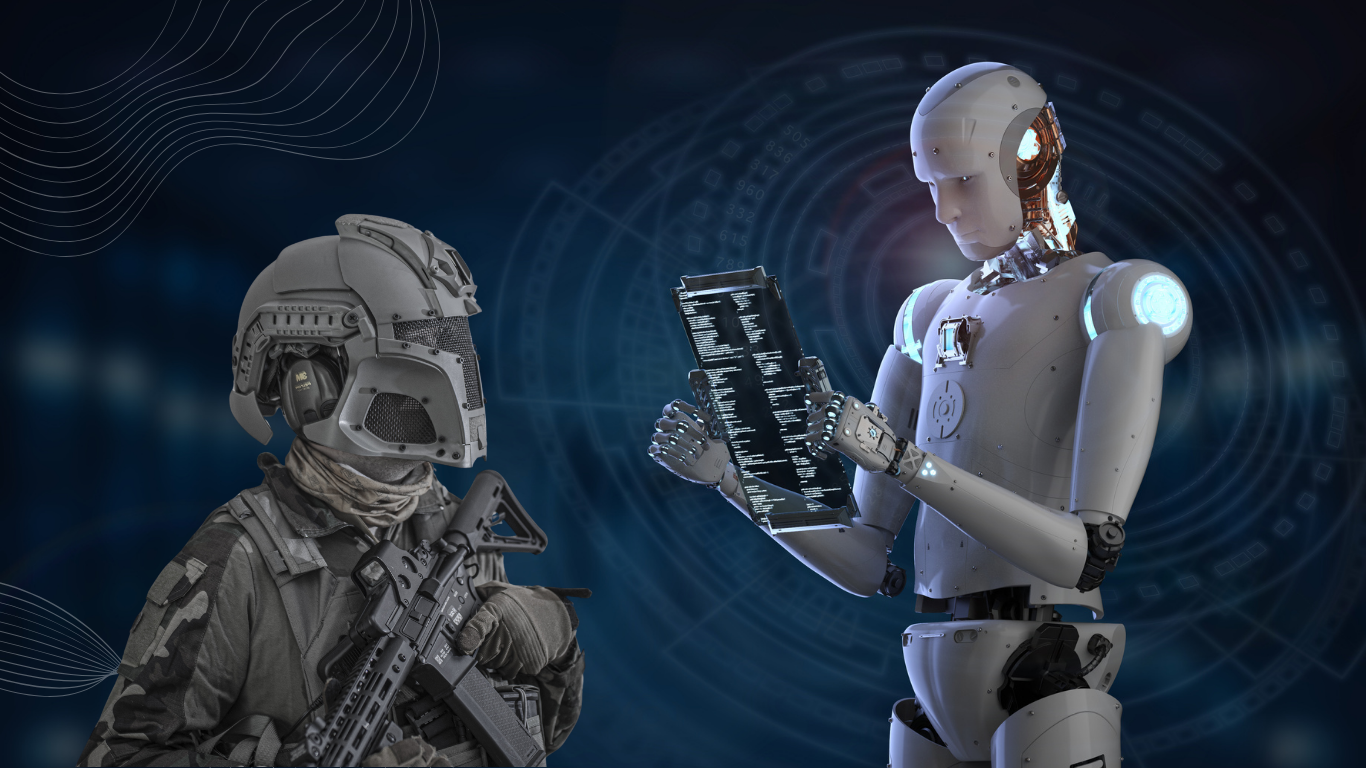
Tactical AI in Defence Operations is changing the way modern military forces prepare, plan, and respond to complex challenges. This guide explores how intelligent technology supports faster decisions, improves battlefield awareness, and helps create safer and more effective defence strategies for the future.
Understanding Tactical AI in Defence Operations
Tactical AI in Defence Operations is reshaping military planning with faster decisions, smarter intelligence, and advanced battlefield support for modern defence forces.
The way military operations are planned today looks very different from the past. Modern defence forces no longer depend only on experience, observation, and communication between commanders. They now have access to intelligent systems that can study enormous amounts of information within seconds. This change is creating a new era where faster and more accurate decisions become possible without removing human leadership from the process.
Tactical AI in Defence Operations is one of the biggest reasons behind this transformation. Instead of acting like a replacement for soldiers or commanders, it works as an intelligent assistant that continuously studies information from many different sources. Satellite images, drone videos, radar systems, communication networks, sensors, and surveillance equipment all produce massive amounts of data every minute. Processing such information manually would take far too long during an active mission. AI makes this possible in real time.
Military organizations across the world are investing in intelligent technologies because modern conflicts move faster than ever before. A delay of even a few moments may change the outcome of an operation. By helping commanders understand what is happening immediately, AI supports quicker planning while reducing the possibility of missing important warning signs.
Unlike popular movies that often show fully autonomous robots making every decision, the reality is much more practical. Most defence organizations use AI as a support system. Human experts remain responsible for critical choices while AI provides valuable recommendations based on available information.
The Silent Evolution of Modern Warfare
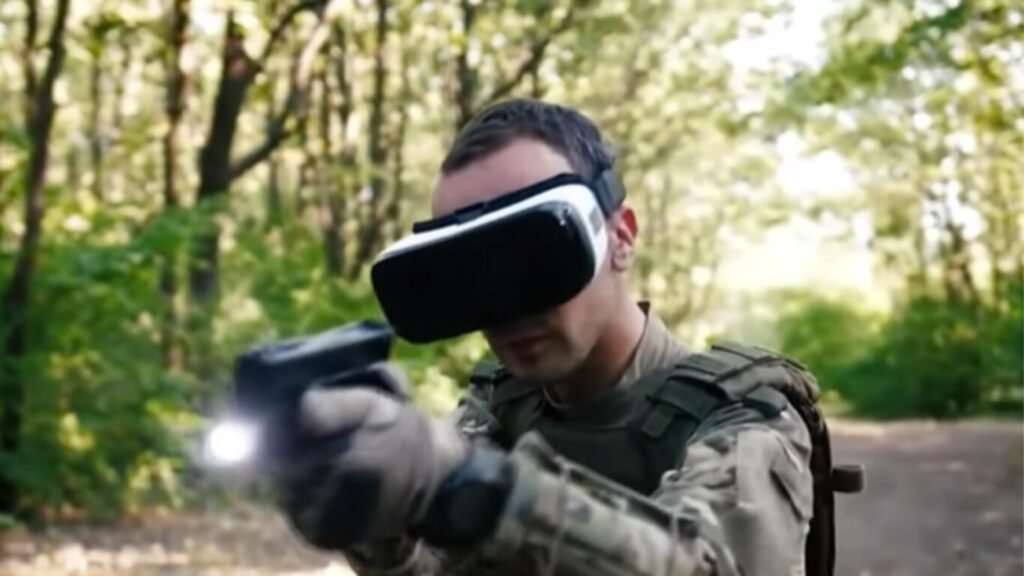
Tactical AI in Defence Operations uses intelligent systems to analyze battlefield data, predict threats, and support faster military decisions while keeping human commanders in control.
If someone had imagined the future of warfare a decade ago, the focus would probably have been on stronger missiles, faster aircraft, or more advanced tanks. While these technologies continue to improve, another revolution has quietly developed behind the scenes.
Instead of increasing physical firepower alone, countries are investing heavily in intelligent decision support systems. The real advantage now comes from understanding information faster than an opponent. Intelligence has become just as valuable as weapons themselves.
This silent evolution has changed military thinking in several important ways. Rather than waiting for threats to appear, defence organizations now attempt to predict possible situations before they become dangerous.
Using historical records and live information, AI can recognize abnormal behavior, track changing patterns, and forecast potential outcomes.
The result is a defence strategy that focuses on preparation instead of reaction.
A Brief History of Military Intelligence Technology
Military technology has continuously evolved over many decades. Each period introduced new methods for collecting information and improving battlefield awareness. The arrival of AI represents another important milestone in that journey.
| Year | Event | Description |
|---|---|---|
| 1940s | Early Electronic Computing | Computers began assisting military calculations during wartime. |
| 1960s | Digital Surveillance | Advanced sensors and radar systems improved intelligence gathering. |
| 1980s | Satellite Intelligence Growth | Satellite technology expanded military observation capabilities worldwide. |
| 2000s | Network Centric Warfare | Military systems became increasingly connected through digital communications. |
| 2010s | Machine Learning Adoption | AI started analyzing military data for faster operational support. |
| 2020s | Tactical AI Expansion | AI became an essential decision support technology across multiple defence operations. |
This progression shows that Tactical AI in Defence Operations did not appear overnight. It represents decades of technological progress combined with advances in computing power, data processing, and intelligent software.
What Tactical AI Really Means
Many people immediately think about armed robots whenever they hear the words military AI. That idea only represents a very small part of the bigger picture.
Tactical AI is actually about helping military personnel understand complicated situations more quickly. Imagine thousands of incoming reports arriving from surveillance aircraft, reconnaissance drones, satellites, naval sensors, weather stations, communication networks, and intelligence teams all at the same time. Every source contributes useful information, but combining everything into one clear picture is extremely difficult for human analysts alone.
This is exactly where intelligent systems provide value.
AI can organize information, remove unnecessary details, identify possible threats, highlight unusual activity, and recommend actions based on available evidence. Instead of replacing human thinking, it reduces the overwhelming amount of information that commanders must examine under pressure.
Let me explain this in the clearest, simplest terms.
Think about driving through a busy city while hundreds of traffic updates appear every second. It would be impossible to study every message while keeping your attention on the road. A smart navigation system filters everything, identifies the important information, and recommends the safest route. Tactical AI performs a similar role during military operations, except the decisions involve national security instead of traffic.
Why Speed Has Become the Greatest Military Advantage
Modern military operations involve activities across land, air, sea, space, and digital environments. Every domain produces continuous streams of information that require immediate attention.
In earlier generations, commanders often had enough time to evaluate reports before making strategic decisions. Today’s security environment is far more dynamic. Drone activity, cyber attacks, satellite observations, electronic interference, and intelligence updates may all happen simultaneously.
Because of this reality, speed has become one of the most valuable assets in defence planning.
AI helps reduce the time between identifying a situation and selecting an appropriate response. Faster understanding allows defence forces to position resources more effectively, improve coordination between units, and reduce uncertainty during rapidly changing situations.
The ability to recognize developing threats before they fully emerge may significantly improve mission success while reducing unnecessary risks for military personnel.
How Tactical AI Supports Battlefield Decision Making
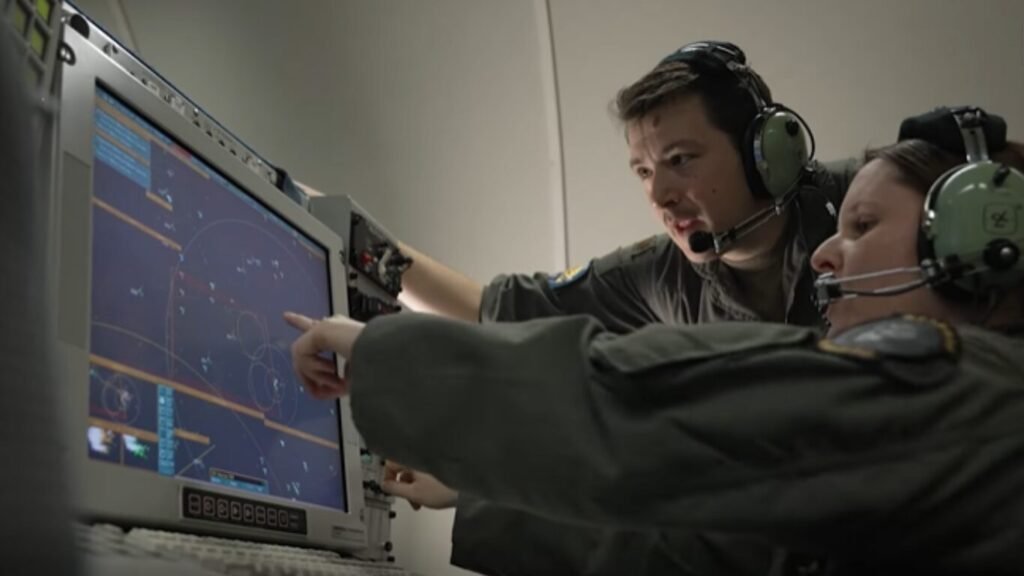
One of the greatest strengths of Tactical AI in Defence Operations is its ability to support better decisions under pressure. Military commanders often work in situations where every second matters. Information arrives from many different sources, and each piece of data could influence the next action.
Instead of expecting commanders to review thousands of reports manually, AI organizes the information into a clear operational picture. By comparing incoming data with earlier intelligence, it can spot abnormal activity and bring high-priority events to the attention of decision-makers.
This process allows leaders to spend less time searching for information and more time making informed decisions. The final authority remains with experienced military personnel, but they receive stronger analytical support than ever before.
This partnership between human judgment and intelligent technology is becoming a defining feature of modern defence planning.
Real Time Intelligence Makes Operations More Effective
Military intelligence has always been important, but the speed of intelligence has become equally valuable.
Traditional intelligence reports often required hours or even days to collect, verify, and distribute. Modern AI systems can process huge amounts of information almost instantly. They combine satellite imagery, reconnaissance drone footage, radar observations, communication signals, weather conditions, and sensor readings into one continuously updated picture.
Imagine a reconnaissance drone observing unusual vehicle movement near a strategic location. At the same moment, satellites detect changes in nearby infrastructure while electronic monitoring systems identify unexpected communication activity.
Individually, each observation may not appear significant.
Together, however, they may indicate preparations for a military operation.
AI connects these separate pieces of information and alerts commanders much faster than traditional manual analysis could achieve.
This ability to combine multiple intelligence sources gives defence forces a significant operational advantage.
The Growing Role of AI Powered Surveillance
Surveillance has become one of the most important applications of Tactical AI in Defence Operations.
Large military organizations monitor enormous geographic areas every day. Oceans, deserts, forests, mountains, borders, and urban environments all require continuous observation.
Human operators cannot watch thousands of video streams without becoming tired or missing important details.
AI helps solve this challenge.
Intelligent surveillance systems continuously examine live video, identify movement, recognize objects, and detect changes that deserve human attention.
Rather than replacing surveillance teams, AI acts like an additional observer that never becomes distracted.
For example, an intelligent surveillance platform may identify unusual activity near a protected military installation during the night. Instead of requiring personnel to examine every camera feed, AI immediately highlights the relevant location so security teams can investigate quickly.
This improves both efficiency and response speed.
AI and Drone Technology Working Together
Drones have become valuable tools for reconnaissance, logistics, disaster assessment, and operational awareness. Their capabilities become even stronger when combined with AI.
Modern AI assisted drones can perform several intelligent tasks, including:
- Identifying vehicles and equipment.
- Recognizing changes in terrain.
- Mapping operational areas.
- Tracking movement patterns.
- Monitoring large regions efficiently.
- Assisting search and reconnaissance missions.
These systems still operate under military procedures and human supervision, but AI significantly improves their ability to collect useful information.
For example, during reconnaissance, AI can automatically identify roads, bridges, buildings, rivers, and possible obstacles while generating detailed maps for operational planning.
Instead of spending hours reviewing footage manually, analysts receive organized intelligence almost immediately.
Command Centers Are Becoming Smarter
Today’s military command centers look very different from those of previous generations.
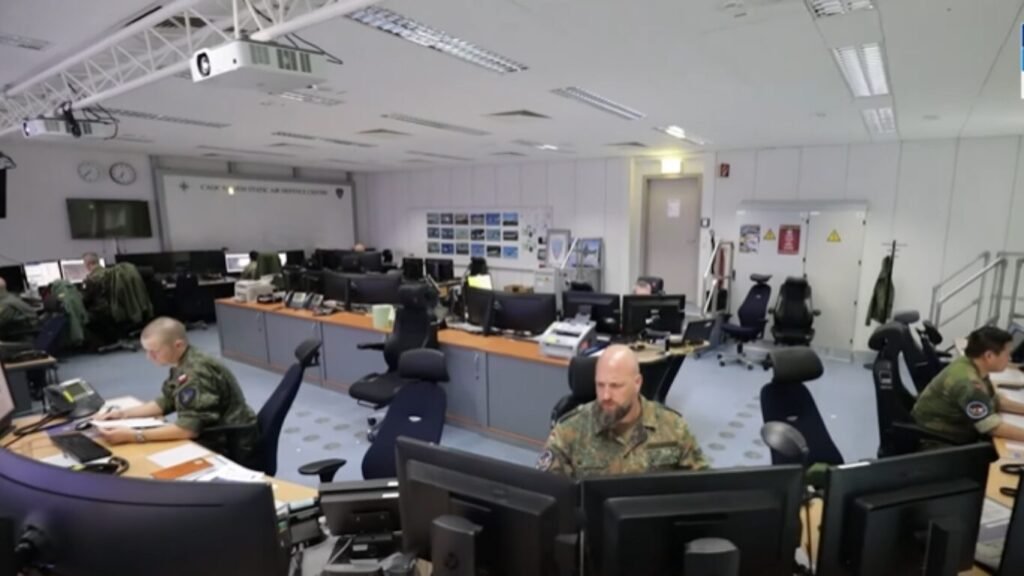
Large digital displays now combine information from satellites, aircraft, naval vessels, intelligence databases, communication systems, and battlefield sensors into one integrated environment.
AI continuously updates this information and highlights important developments as they occur.
Rather than overwhelming commanders with endless reports, intelligent systems prioritize information according to operational importance.
This allows leadership teams to maintain better awareness across multiple locations at the same time.
As military operations become increasingly connected, AI helps coordinate activities between different branches, improving cooperation across land, air, maritime, cyber, and space domains.
Predicting Threats Before They Develop
Perhaps one of the most impressive capabilities of Tactical AI in Defence Operations is predictive analysis.
AI does not simply report current events.
It studies historical information together with live operational data to estimate what could happen next.
For example, if intelligence systems notice repeated equipment movement, communication activity, and logistical preparations within a particular region, AI may recognize similarities with previous military deployments.
Instead of waiting until operations begin, commanders receive an early warning that allows additional planning.
Predictive intelligence never guarantees future events.
However, it provides valuable insight that helps defence organizations prepare for several possible scenarios instead of reacting after a situation has already escalated.
Cyber Defence Has Become Part of Modern Warfare
Military operations no longer take place only on physical battlefields.
Cyber security has become an essential component of national defence.
Communication systems, navigation networks, intelligence databases, logistics platforms, satellites, and critical infrastructure all depend on secure digital systems.
AI now plays an important role in protecting these networks.
Intelligent cyber defence platforms continuously monitor network activity, identify suspicious behavior, detect unusual access attempts, and help security teams respond more quickly.
Instead of waiting for damage to occur, AI helps recognize warning signs at an earlier stage.
Although human cyber security specialists remain responsible for investigating complex incidents, AI allows them to focus their attention on the most important threats.
The Importance of Human Judgment
Despite rapid technological progress, experienced military professionals remain the most important decision makers.
AI can analyze information.
It can identify patterns.
It can calculate probabilities.
But it cannot fully understand human values, political consequences, cultural differences, or ethical responsibility.
A military commander often considers factors that extend far beyond available data.
Civilian safety, diplomatic relationships, humanitarian concerns, and long term strategic goals all influence operational decisions.
Because of this, the strongest defence systems combine intelligent technology with experienced leadership.
AI supplies information.
Humans apply wisdom.
This balance creates more responsible and effective decision making.
Building Trust Between Soldiers and Intelligent Systems
Technology is only useful when people trust it.
Military organizations invest considerable effort in ensuring AI recommendations are understandable and reliable.
If commanders cannot understand why AI produced a recommendation, they may hesitate to rely on it during important operations.
For this reason, developers continue improving explainable AI systems that provide clear reasoning alongside their recommendations.
Transparency helps military personnel evaluate AI suggestions more confidently while maintaining full control over operational decisions.
Trust develops gradually through testing, training, and continuous improvement.
As intelligent systems demonstrate consistent performance, confidence naturally increases among the professionals who use them.
Training the Next Generation of Defence Professionals
Modern military education is also changing.
Future officers are learning not only traditional leadership and operational planning but also data analysis, cyber security, AI assisted intelligence, and advanced digital technologies.
Training exercises increasingly include intelligent decision support systems that simulate realistic battlefield conditions.
These simulations expose personnel to complex situations where they must evaluate AI recommendations while applying their own judgment.
This approach prepares military leaders for future operations where cooperation between humans and intelligent systems becomes increasingly important.
Technology alone cannot guarantee success.
Well trained professionals who understand both the strengths and limitations of AI will continue to be the foundation of effective defence operations.
The Rise of Autonomous Systems
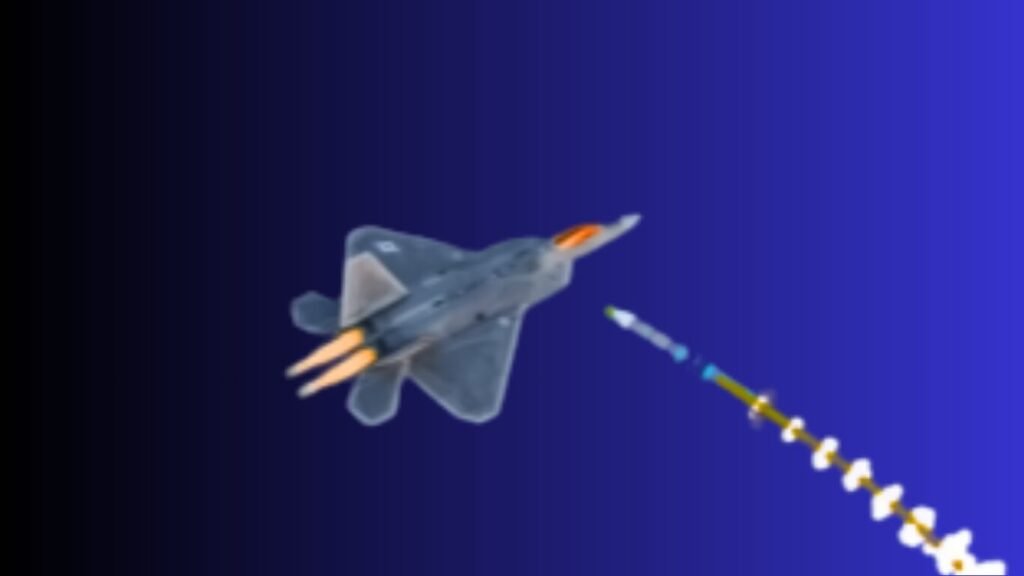
One of the fastest-growing areas within Tactical AI in Defence Operations is the development of autonomous systems. These technologies are designed to perform specific tasks with limited human involvement while still operating within predefined rules and mission objectives.
Autonomous systems are not limited to one type of equipment. They can include aerial platforms, ground vehicles, maritime vessels, logistics systems, and reconnaissance tools. Their primary purpose is to improve efficiency, reduce risk to personnel, and support missions in environments that may be too dangerous for humans.
For example, an autonomous ground vehicle can transport supplies across hazardous terrain without exposing soldiers to unnecessary danger. An unmanned aerial system can monitor remote areas for extended periods, collecting valuable intelligence while reducing the workload of surveillance teams.
These systems are becoming more capable every year, but responsible deployment still depends on human oversight and carefully designed operational procedures.
Ethical Challenges That Cannot Be Ignored
Every major technological advancement brings new opportunities along with important responsibilities.
Tactical AI in Defence Operations is no exception.
One of the biggest concerns involves accountability. If an AI-supported system contributes to a decision that leads to unintended consequences, determining responsibility can become complicated.
Another challenge involves transparency. Military leaders must understand how AI reaches its conclusions before acting on its recommendations. Trust cannot exist without clear explanations and reliable testing.
There is also the question of proportionality. Defence operations often involve situations where protecting civilians and reducing unnecessary harm are essential priorities. AI systems must always operate within legal frameworks, military policies, and international humanitarian principles.
From my perspective, technological progress should always move alongside ethical responsibility. Building more intelligent systems is valuable only when those systems are developed with careful oversight and respect for human life.
Risks Associated With Tactical AI
While AI offers significant advantages, it is important to recognize that no technology is completely free from limitations.
One possible risk is excessive dependence on automated recommendations. If operators rely on AI without applying critical thinking, important contextual factors could be overlooked.
Cybersecurity also remains a serious concern. Intelligent defence systems process sensitive information, making them attractive targets for cyber attacks. Strong encryption, continuous monitoring, and secure network architecture are essential for protecting these systems.
Data quality is another important factor. AI learns from available information. If the data is incomplete, inaccurate, or manipulated, the resulting recommendations may also become less reliable.
Operational environments themselves can also create challenges. Weather conditions, damaged communication networks, electronic interference, and unexpected battlefield situations may affect how AI systems perform.
Recognizing these limitations allows defence organizations to develop stronger safeguards while improving system reliability over time.
Practical Benefits That Continue to Drive Adoption
Despite the challenges, the practical advantages of Tactical AI in Defence Operations continue to encourage investment across the world.
One of the most valuable benefits is improved situational awareness. AI helps commanders maintain a clearer understanding of rapidly changing environments by combining information from multiple intelligence sources.
Another major advantage is faster decision support. Rather than spending valuable time reviewing thousands of reports, military leaders receive organized intelligence that highlights the most important developments.
Resource management also becomes more efficient. AI can help identify where personnel, equipment, and supplies may be needed most, supporting better operational planning.
Surveillance capabilities improve because intelligent systems can monitor large areas continuously without fatigue. This allows security teams to focus on investigating genuine threats instead of reviewing countless hours of routine observations.
Perhaps the greatest benefit is reducing unnecessary risk. Better information often leads to better planning, and better planning may help reduce casualties while improving mission effectiveness.
AI Beyond the Battlefield
Although discussions often focus on combat operations, Tactical AI in Defence Operations also supports many activities away from active conflict.
Military organizations use AI to improve logistics by forecasting supply requirements and optimizing transportation routes.
Maintenance teams use intelligent systems to predict equipment failures before they occur, reducing unexpected downtime and improving operational readiness.
Disaster response is another growing application. Defence forces frequently assist during floods, earthquakes, wildfires, and humanitarian emergencies. AI helps analyze satellite imagery, identify damaged infrastructure, and prioritize rescue efforts more quickly.
Medical support can also benefit from intelligent technology. AI assists in organizing medical resources, tracking patient information, and improving emergency coordination during large-scale operations.
These applications demonstrate that military AI is not limited to combat. It also contributes to preparedness, resilience, and humanitarian support.
Global Investment in Defence AI
Around the world, governments continue increasing investment in defence-related AI research.
Several factors are driving this trend.
Security environments are becoming more complex.
Digital threats continue to expand.
Military operations increasingly depend on rapid information processing.
Countries recognize that maintaining technological capability is becoming as important as maintaining physical equipment.
Research focuses on improving intelligence analysis, autonomous mobility, secure communications, predictive maintenance, cybersecurity, and decision support systems.
Private technology companies, research institutions, and defence organizations are also working together to develop responsible AI solutions that balance innovation with security requirements.
Competition continues to encourage rapid progress, making AI one of the most important areas of modern defence research.
What the Future May Look Like
The future of Tactical AI in Defence Operations will likely involve systems that become even more adaptive, connected, and efficient.
Future platforms may process larger datasets, recognize increasingly complex patterns, and support commanders with even greater accuracy.
Communication between different military systems is also expected to improve. Land vehicles, aircraft, naval platforms, satellites, and cyber defence systems may exchange information more seamlessly, creating a more complete operational picture.
Advances in computing power and sensor technology will further strengthen AI capabilities, allowing faster analysis while reducing processing delays.
However, technological advancement alone will not determine success.
Future progress will also depend on responsible governance, international cooperation, legal frameworks, and continuous professional training.
Maintaining the balance between innovation and accountability will remain one of the defining challenges of the coming decades.
My Perspective on the Future of Military AI
After studying the rapid development of intelligent defence technologies, I believe AI should always remain a trusted partner rather than an independent decision maker.
Machines are exceptionally good at processing information, identifying patterns, and supporting rapid analysis.
People contribute judgment, experience, ethics, creativity, and accountability.
When these strengths work together, defence organizations become better prepared to respond to complex situations while reducing unnecessary risks.
Responsible innovation should always place human oversight at the center of every critical decision.
Technology becomes most valuable when it enhances human capability instead of replacing it.
Why Every Citizen Should Understand This Technology
Many people assume defence technology only affects military professionals.
The reality is much broader.
Advances in Tactical AI in Defence Operations influence national security policies, international cooperation, emergency preparedness, technological research, cybersecurity, and even civilian innovation.
Many technologies originally developed for defence eventually contribute to commercial industries, transportation, healthcare, communications, and disaster management.
Understanding how AI supports defence helps citizens better appreciate both the opportunities and responsibilities that accompany technological progress.
The future of security will depend not only on advanced systems but also on informed public discussion about how these technologies should be developed and used.
CONCLUSION AND BRAND CREDIBILITY
Tactical AI in Defence Operations represents far more than another step in military modernization. It is changing how information is collected, analyzed, and transformed into timely decisions that can improve operational effectiveness and reduce unnecessary risks. While intelligent systems continue to become more capable, the most successful approach will always combine advanced technology with experienced human judgment, ethical responsibility, and transparent decision making.
As AI continues to evolve, governments, researchers, and defence organizations must ensure that innovation is matched with accountability. The goal should never be to replace human leadership but to strengthen it with reliable intelligence, faster analysis, and smarter operational support.
Tactical AI in Defence Operations will continue shaping the future of global security for many years to come. Understanding its capabilities, benefits, and challenges helps us prepare for a world where intelligence, precision, and responsible innovation become the foundation of modern defence.
This original research, expert analysis, and in-depth content is created exclusively for worldstan.com, where complex AI, defence technology, and global security topics are transformed into clear, practical, and trustworthy knowledge for readers around the world.