

Cyber Warfare Meets AI Defence Operations
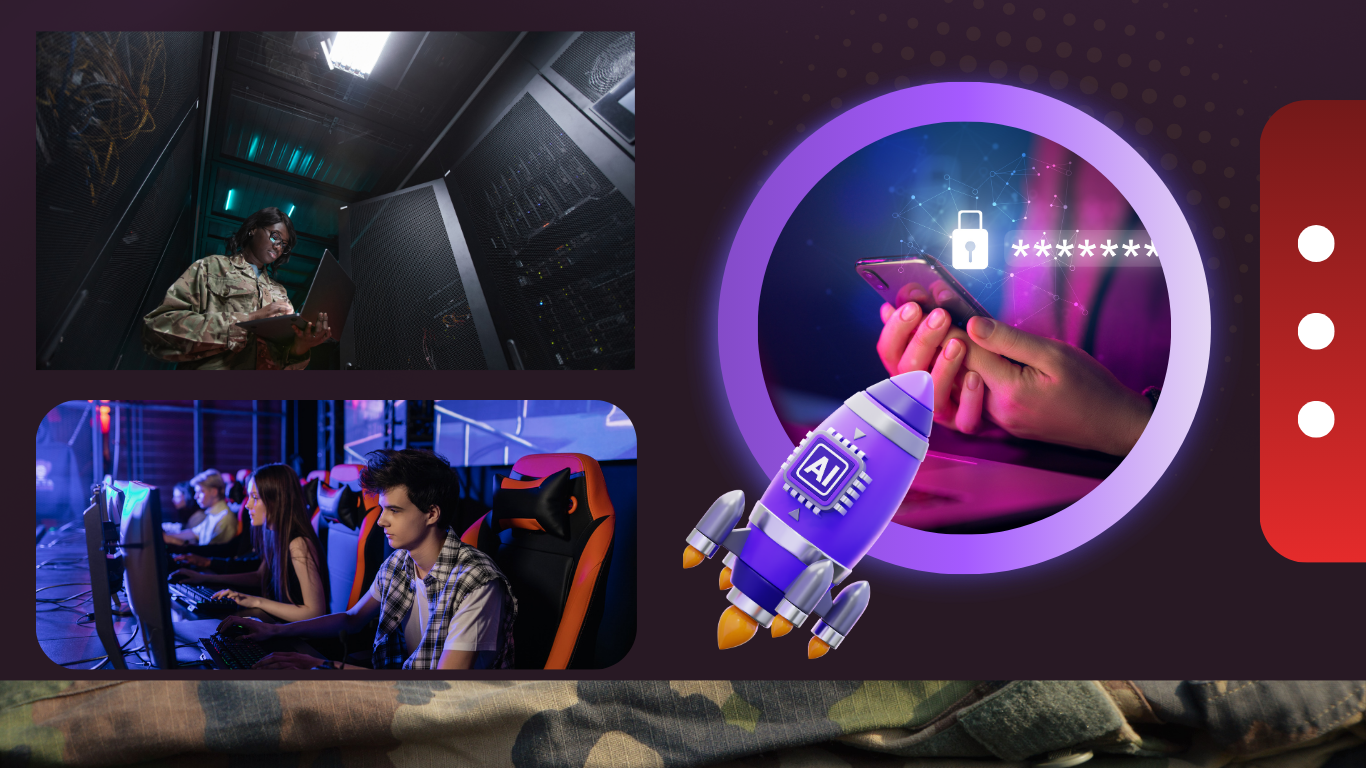
The battlefield is no longer defined by land, air, or sea it now lives inside code, algorithms, and intelligent systems. AI defence operations are quietly reshaping how nations protect themselves, detect threats, and respond before damage is even visible. What you are about to read is not just theory; it is a real shift in how modern warfare is being fought, controlled, and understood.
Understanding AI Defence Operations
AI Defence Operations are transforming cyber warfare by using intelligent systems to detect, predict, and respond to digital threats faster than traditional security methods.
AI Defence Operations have become one of the most important developments in modern security. The world has entered an age where information moves faster than armies, and digital attacks can disrupt an entire nation without a single missile being launched. Every connected device, communication network, financial platform, and government system has become part of a much larger security landscape. Because of this shift, protecting digital infrastructure has become just as important as protecting physical borders.
Traditional defence systems were designed for threats that followed predictable patterns. Security teams relied on predefined rules, manual investigations, and human decision making. While those methods are still valuable, they are no longer enough to deal with attacks that evolve every minute. Artificial intelligence introduces a different approach. Instead of waiting for an incident to occur, AI continuously studies activity, identifies unusual behaviour, and helps security teams respond before a threat grows into a major crisis.
From my perspective, this represents one of the biggest changes in defence strategy in decades. Success is no longer measured only by how quickly a country reacts after an attack. It is increasingly measured by how effectively a threat can be detected before it causes damage. That proactive mindset is exactly where AI delivers its greatest value.
The Silent Transformation of Modern Warfare
AI Defence Operations use artificial intelligence to monitor networks, detect cyber threats, predict attacks, and automate security responses, helping protect military, government, business, and critical infrastructure systems in real time.
The idea of warfare has changed dramatically over the past few decades. Earlier conflicts depended heavily on physical equipment, troop movements, and visible battlefields. Today, many of the most significant conflicts take place inside networks, cloud platforms, communication systems, and data centres. The most valuable targets may never even appear on a traditional battlefield.
This transformation has created a new kind of competition where intelligence, speed, and digital resilience determine success. Governments, defence organizations, and security agencies invest heavily in technologies capable of recognizing cyber threats before they spread. AI has become an essential part of that effort because it can process enormous amounts of information that would overwhelm even the most experienced security professionals.
The digital battlefield never sleeps. Millions of events occur every second across global networks. Login attempts, software updates, financial transactions, satellite communications, military intelligence exchanges, and cloud services all generate massive amounts of data. Hidden within that information may be signs of an attack. AI helps separate normal activity from suspicious behaviour with remarkable speed.
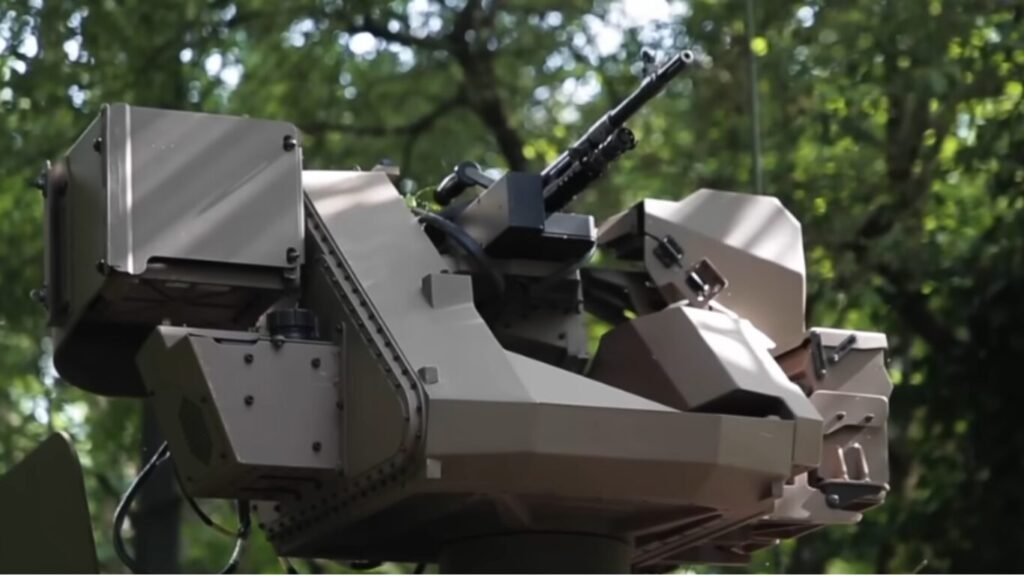
A Brief History of Defence Technology
Modern defence technology has continuously evolved alongside advances in computing, communications, and automation. Artificial intelligence represents the latest stage in that ongoing evolution.
| Year | Event | Description |
|---|---|---|
| 1940s | Early Electronic Computing | Computers began supporting military calculations and code analysis during wartime. |
| 1960s | Networked Defence Systems | Digital communication systems improved military coordination and intelligence sharing. |
| 1980s | Advanced Cyber Security | Organizations introduced stronger digital security to protect growing computer networks. |
| 1990s | Internet Expansion | Governments recognized cyberspace as a strategic domain requiring dedicated protection. |
| 2000s | Cyber Defence Growth | Nations established specialized cyber defence units to counter increasing online threats. |
| 2010s | Machine Learning Adoption | AI started assisting threat detection, malware analysis, and network monitoring. |
| 2020s | Intelligent Defence Operations | AI became central to predictive security, automated response, and digital battlefield awareness. |
What AI Defence Operations Really Mean
AI Defence Operations describe the use of artificial intelligence to strengthen security across digital and physical environments. These systems continuously monitor activity, analyze massive data sets, detect unusual behaviour, predict potential attacks, and support faster decision making.
Unlike conventional software that follows fixed instructions, AI learns from experience. Every attempted intrusion, every suspicious login, every unusual communication pattern becomes another opportunity for the system to improve its understanding. Over time, this learning process increases both speed and accuracy.
Let me explain this in the clearest, simplest terms.
Imagine a security guard protecting a building. A traditional guard follows a checklist and responds only after noticing something unusual. AI behaves more like an experienced investigator who remembers every visitor, studies daily routines, recognizes small changes, predicts possible problems, and reacts before the situation becomes dangerous. That ability to learn continuously makes AI far more adaptable than traditional automated systems.
Why Artificial Intelligence Changes Everything
Artificial intelligence changes defence because it introduces adaptability into security operations. Cybercriminals constantly invent new attack methods. If security systems only recognize known threats, they remain vulnerable to unfamiliar techniques. AI solves this challenge by learning behavioural patterns instead of relying only on known signatures.
For example, if a hacker develops completely new malware that has never been recorded before, traditional software may fail to recognize it immediately. AI can still detect unusual behaviour such as unexpected file activity, abnormal network traffic, or suspicious system commands. Even without recognizing the exact malware, it can identify that something abnormal is happening and alert security teams.
This capability provides a major strategic advantage. Rather than focusing only on yesterday’s threats, AI prepares organizations for tomorrow’s attacks.
The Digital Battlefield Never Stops
Unlike conventional warfare, cyber conflict does not wait for political announcements or military mobilization. Every hour of every day, networks around the world face automated scanning, phishing campaigns, ransomware attempts, credential theft, data breaches, and infrastructure attacks.
Banks process millions of secure transactions.
Hospitals exchange sensitive medical information.
Governments protect classified communications.
Power stations operate national electricity networks.
Airports coordinate thousands of daily flights.
Telecommunication providers support billions of digital conversations.
Every one of these systems depends on cybersecurity. AI Defence Operations quietly monitor these environments around the clock, often identifying risks before users realize anything unusual has happened.
This constant vigilance is one of AI’s greatest strengths. Human analysts need rest, but intelligent systems can continue examining network activity twenty four hours a day while providing immediate alerts whenever something requires attention.
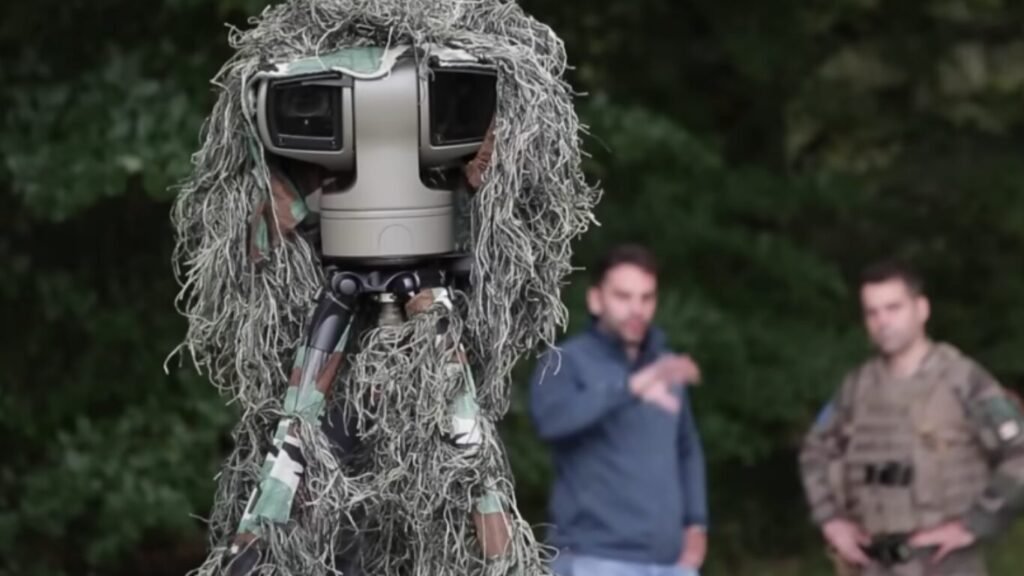
How AI Detects Threats Before They Spread
One of the most impressive characteristics of AI is its ability to identify patterns hidden inside enormous collections of information.
Every action performed within a network creates digital evidence. Login locations, browsing activity, device behaviour, software performance, user permissions, communication records, and application requests all generate valuable data.
AI compares current activity with historical behaviour. If an employee suddenly logs in from another country, accesses confidential files at an unusual time, and transfers massive amounts of data, AI immediately recognizes multiple warning signs occurring together. Instead of waiting for manual investigation, the system raises an alert or automatically limits access while security teams review the situation.
That rapid response significantly reduces potential damage.
Predictive Security Creates a New Defensive Strategy
Traditional cybersecurity often focuses on reacting after an incident begins. AI introduces predictive defence by estimating where future attacks may occur.
Using historical attack information, global threat intelligence, behavioural analytics, and machine learning models, AI estimates which systems face the highest level of risk. Organizations can then strengthen vulnerable areas before attackers exploit them.
This predictive capability improves resource allocation. Security teams no longer investigate every possible issue equally. Instead, they prioritize the risks most likely to become real attacks.
From my perspective, prevention will always be more valuable than recovery. Every attack prevented saves time, money, operational disruption, and public trust.
Machine Learning Powers Intelligent Defence
Machine learning is the engine that allows AI Defence Operations to improve over time. Instead of depending only on instructions written by developers, machine learning systems analyze enormous amounts of information, recognize patterns, and continuously refine their decisions. Every cyber incident becomes another lesson that helps the system become more accurate in the future.
Consider how email security has evolved. Years ago, spam filters relied mainly on lists of known unwanted messages. Modern AI examines writing style, sender reputation, unusual links, attachments, and user behavior. Even if attackers change their tactics, the system continues learning and adapting. The same principle applies to military networks, government infrastructure, and enterprise cybersecurity.
This learning process is especially valuable because cyber threats never remain the same. Attackers constantly modify their techniques to avoid detection. Machine learning gives defenders the ability to adjust at a similar pace, reducing the gap between new attack methods and effective protection.
AI and Human Experts Working Together
One common misunderstanding is that AI is designed to replace cybersecurity professionals. In reality, the strongest defence strategies combine intelligent automation with experienced human judgment.
AI can process millions of events in seconds, but people provide context, ethics, strategic thinking, and accountability. Security analysts understand business priorities, national interests, legal requirements, and operational risks that cannot always be measured by algorithms alone.
For example, AI may detect suspicious activity and recommend isolating a network. Before disconnecting critical infrastructure, human experts evaluate the wider consequences, coordinate with other teams, and ensure that essential services continue operating safely.
From my perspective, this partnership represents the future of cybersecurity. AI handles speed and scale while humans provide wisdom and responsibility.
Real World Applications of AI Defence Operations
Artificial intelligence is already supporting security across many sectors. Although the technologies differ between organizations, the underlying goal remains the same: detect threats early, reduce response time, and strengthen resilience.
Modern defence organizations use AI to monitor network activity continuously, identify abnormal communication patterns, analyze malware, automate incident response, prioritize vulnerabilities, and improve intelligence gathering.
Outside military environments, similar technologies protect financial institutions, healthcare providers, transportation systems, cloud services, energy companies, and communication networks.
Imagine a power grid supplying electricity to millions of homes. If attackers attempt to interfere with its control systems, AI can recognize unexpected commands, isolate affected components, notify engineers, and reduce the possibility of widespread disruption.
This type of protection demonstrates that AI Defence Operations are not limited to military use. They support the digital systems that people rely on every day.

AI Driven Threat Intelligence
Threat intelligence has traditionally depended on collecting reports from security researchers, government agencies, and industry experts. While these sources remain valuable, AI dramatically expands the speed and scale of analysis.
Modern AI systems gather information from countless sources, compare emerging attack techniques, identify relationships between seemingly unrelated events, and provide security teams with practical recommendations.
For instance, if several organizations around the world begin experiencing similar attack patterns, AI can identify those connections quickly. Instead of treating each incident separately, analysts receive a broader picture of the developing threat.
This ability to connect information across large data sets strengthens both national and international cybersecurity efforts.
Autonomous Defence Systems
Some AI Defence Operations include autonomous capabilities that perform specific actions without waiting for human approval. These systems follow carefully defined policies designed to reduce immediate risks while maintaining operational stability.
Autonomous responses may include blocking malicious internet addresses, limiting suspicious user access, isolating infected devices, stopping harmful software processes, or temporarily restricting network communication.
The purpose is not to remove people from decision making but to reduce the time between detection and action.
During a fast moving cyber attack, even a delay of a few minutes may allow malware to spread across hundreds of systems. Automated responses help contain threats before they become significantly more difficult to manage.
However, these systems require careful supervision, regular testing, and clear operational boundaries to ensure that automated actions remain appropriate.
AI Compared With Traditional Cybersecurity
Traditional cybersecurity has protected organizations successfully for many years. Firewalls, antivirus software, access controls, encryption, and security policies remain essential components of every defence strategy.
AI does not replace these technologies. Instead, it strengthens them.
Traditional systems usually identify threats based on predefined signatures or established rules. AI adds behavioural analysis, predictive capabilities, continuous learning, and intelligent automation.
This combination creates multiple layers of protection.
When conventional security tools identify known attacks and AI searches for unknown behaviour, organizations achieve stronger overall resilience against both familiar and emerging threats.
Protecting Critical National Infrastructure
Every modern nation depends on critical infrastructure. From power and water to healthcare, transportation, banking, communication, and emergency services, essential infrastructure now operates through connected digital technologies.
Disruptions to these systems could affect millions of people.
AI Defence Operations help protect these essential services by monitoring operational technology, identifying unusual activity, detecting vulnerabilities, and supporting rapid incident response.
A single successful attack against national infrastructure could create significant economic losses and public safety concerns. Preventing those incidents is one of the most important responsibilities of modern cybersecurity programs.
Ethical Responsibilities in AI Warfare
As AI becomes more capable, ethical questions become increasingly important.
Who should be responsible when an AI system makes a decision?
How much authority should autonomous systems receive?
How can organizations strengthen fairness, improve transparency, and uphold accountability in their operations?
These questions have no simple answers.
Responsible AI requires clear governance, human oversight, regular auditing, reliable testing, and well defined operational standards. Security organizations must understand not only what AI can do but also what it should do.
In my opinion, technology should always remain under meaningful human supervision. Intelligent systems are powerful tools, but responsibility ultimately belongs to the people who design, deploy, and manage them.
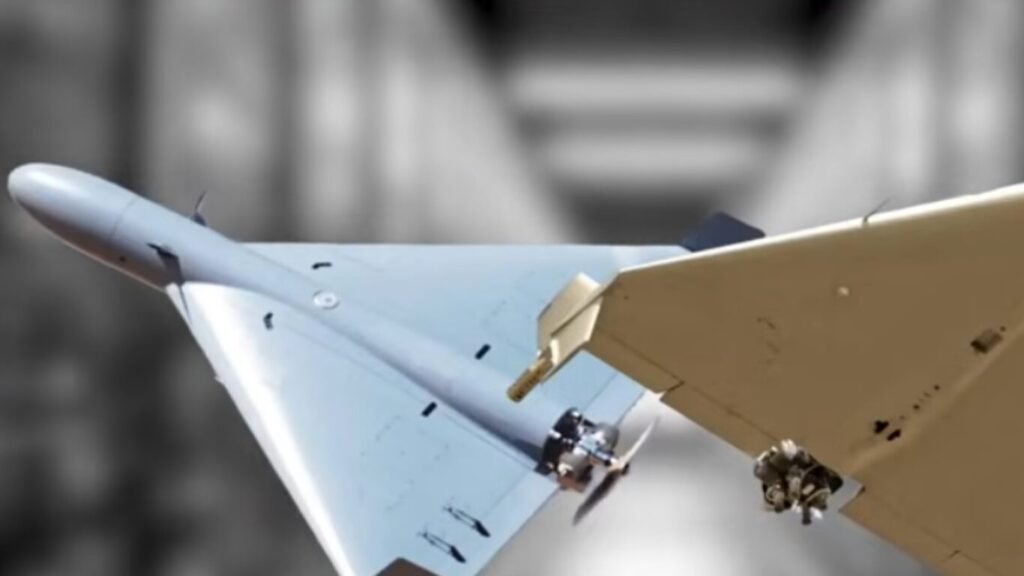
The Future of AI Defence Operations
The pace of innovation continues to accelerate. Future AI Defence Operations are expected to become even more intelligent, connected, and adaptive.
Security platforms will increasingly combine machine learning, advanced analytics, automation, cloud computing, and real time intelligence sharing. Instead of protecting individual systems independently, future platforms will coordinate security across entire organizations and even across international partnerships.
Emerging technologies may also improve satellite security, autonomous vehicles, secure communications, drone defence, and multi domain military coordination.
While these developments offer tremendous opportunities, they also require careful planning, international cooperation, and responsible governance.
The objective should always be to strengthen security while maintaining human control, legal compliance, and public trust.
Why This Matters to Everyone
Many people assume AI Defence Operations only concern soldiers, intelligence agencies, or cybersecurity professionals. The reality is much broader.
Every online payment, secure phone call, cloud service, hospital record, airline reservation, government service, and business transaction depends on reliable digital protection.
When AI successfully detects a cyber attack before it reaches its target, most people never know it happened. That invisible success is one of the greatest achievements of modern cybersecurity.
From my perspective, the true value of AI is not simply its intelligence but its ability to quietly prevent problems before they affect society.
Challenges That Still Need Attention
Despite its remarkable capabilities, AI Defence Operations are not perfect. Every technology has strengths and limitations, and understanding both is essential for building secure systems.
One challenge is data quality. AI learns from the information it receives. If that information is incomplete, outdated, or inaccurate, the quality of its decisions may decline. Organizations must therefore maintain reliable, diverse, and continuously updated datasets.
Another concern is adversarial attacks. Cybercriminals are increasingly experimenting with methods designed to confuse or manipulate AI models. This means defence organizations must protect not only their networks but also the AI systems themselves.
There is also the issue of trust. Decision makers need confidence that AI recommendations are understandable and explainable. Black box decisions without clear reasoning can reduce confidence during critical security incidents.
These challenges do not reduce the importance of AI. Instead, they remind us that successful implementation requires continuous testing, responsible governance, and skilled professionals.
Best Practices for Strong AI Defence Operations
Organizations that successfully adopt AI normally follow a balanced strategy instead of depending on technology alone.
Some of the most effective practices include:
- Combining AI with experienced cybersecurity professionals.
- Updating AI models regularly using current threat intelligence.
- Protecting sensitive data through strong encryption and access controls.
- Testing defence systems through regular security assessments.
- Monitoring AI performance to identify false positives and false negatives.
- Creating clear policies for human oversight and accountability.
- Educating employees about cybersecurity awareness and safe digital practices.
When these practices work together, organizations build stronger security while reducing operational risks.
The Road Ahead
The future of digital security will not be shaped by one breakthrough alone. It will be built through continuous improvements in artificial intelligence, cybersecurity, cloud computing, secure communications, and responsible innovation.
AI Defence Operations will continue becoming more predictive, more collaborative, and more intelligent. Security systems will increasingly share verified threat intelligence, coordinate responses across multiple environments, and identify complex attack patterns almost instantly.
At the same time, governments, technology companies, researchers, and international organizations must continue developing standards that ensure AI remains transparent, reliable, and accountable.
The most successful defence strategies will not rely only on advanced software. They will combine technology, human expertise, ethical leadership, and international cooperation.
From my perspective, the future belongs to organizations that understand this balance. Intelligent machines provide extraordinary speed, but human judgment remains the foundation of responsible security.
Modern defence is no longer measured only by military strength. It is measured by resilience, preparedness, adaptability, and the ability to protect information before it becomes a target.
CONCLUSION AND BRAND CREDIBILITY
AI Defence Operations have become one of the defining technologies of modern security. They help governments, businesses, and critical infrastructure detect threats earlier, respond faster, and strengthen resilience against an increasingly complex digital landscape. While artificial intelligence offers remarkable speed and accuracy, its greatest value comes when it supports skilled professionals rather than replacing them. Responsible innovation, continuous learning, and meaningful human oversight will determine how successfully these technologies protect the future.
The battlefield is no longer defined by land, air, or sea. It now exists within code, algorithms, connected networks, and intelligent systems that operate every second of every day. Understanding this transformation is essential for anyone who wants to appreciate how modern security is evolving and why digital resilience has become a national priority.
At worldstan.com, we believe technology should be explained with clarity, accuracy, and practical insight. Our mission is not only to explore emerging innovations but also to help readers understand their real impact on global security, society, and the future of intelligent defence.
This exclusive guide has been created especially for worldstan.com, delivering original research, expert analysis, and trustworthy insights into AI Defence Operations. As digital warfare continues to evolve, Worldstan remains committed to providing reliable knowledge that helps readers stay informed about the technologies shaping tomorrow’s world.