

AI Powered Unmanned Underwater Vehicles in Modern Warfare
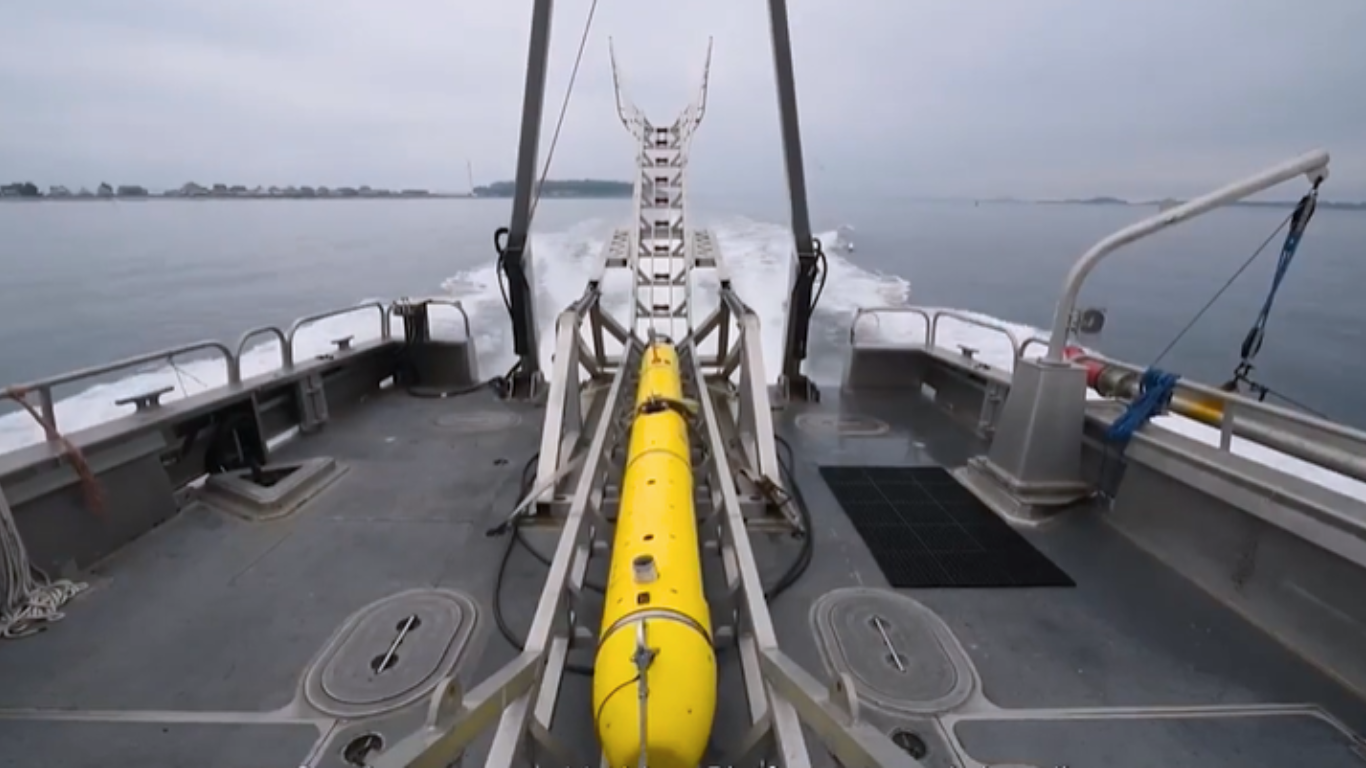
AI Powered Unmanned Underwater Vehicles are changing the way nations protect their oceans and prepare for future security challenges. As underwater technology becomes smarter and more independent, these silent systems are opening a new chapter in naval operations that few people fully understand.
AI Powered Unmanned Underwater Vehicles
AI Powered Unmanned Underwater Vehicles are transforming naval surveillance, underwater intelligence, autonomous missions, and the future of modern maritime defense.
The world’s oceans have always been central to trade, security, and military strategy. More than seventy percent of Earth’s surface is covered by water, making the seas one of the largest operational environments for any nation. For centuries, naval power depended on large fleets, skilled crews, and powerful submarines. Today, another major transformation is taking place beneath the waves. Intelligent underwater machines are quietly changing how countries collect information, protect coastlines, and prepare for future conflicts.
AI Powered Unmanned Underwater Vehicles represent one of the fastest-growing technologies in modern maritime defense. Unlike traditional underwater systems that require constant human guidance, these advanced platforms can perform many tasks independently. They move through deep water, collect valuable information, identify unusual activity, and return with detailed mission data while reducing the need for direct human involvement.
From my perspective, this technology deserves far more attention than it receives. While headlines often focus on aircraft, missiles, and satellites, many of the most important developments in military innovation are happening deep below the ocean surface where they remain largely invisible to the public.
Modern naval forces are no longer interested only in speed or firepower. They also value information, precision, and endurance. Intelligent underwater vehicles provide all three by allowing continuous observation of large maritime regions that would otherwise require expensive ships or submarines.
The increasing importance of underwater intelligence is encouraging governments around the world to invest heavily in autonomous maritime systems. These investments are not only focused on military applications but also support scientific research, disaster response, environmental monitoring, offshore infrastructure inspection, and search operations. This broad range of applications continues to accelerate improvements in underwater artificial intelligence.
The Evolution Of Underwater Military Technology
AI Powered Unmanned Underwater Vehicles use intelligent software, advanced sensors, and autonomous navigation to monitor oceans, detect threats, gather intelligence, and support safer, more efficient naval operations.
The journey toward intelligent underwater vehicles did not happen overnight. Naval technology has advanced through decades of research, engineering, and operational experience. Early underwater systems mainly relied on remote control and limited automation. Engineers gradually introduced digital navigation, improved sonar equipment, and more reliable communication methods. These innovations eventually created the foundation for today’s autonomous underwater platforms.
| Year | Event | Description |
|---|---|---|
| 1950s | Early military underwater research | Navies began experimenting with unmanned underwater equipment for specialized missions. |
| 1970s | Improved sonar technologies | Better underwater sensing increased detection and navigation capabilities. |
| 1990s | Digital navigation systems | Advanced onboard computers improved autonomous movement underwater. |
| 2000s | Modern autonomous underwater vehicles | Longer missions and greater operational independence became possible. |
| 2010s | AI integration | Machine learning improved object recognition, navigation, and mission planning. |
| 2020s | Large scale military investment | Nations expanded research into intelligent underwater defense systems and maritime surveillance. |
Looking back at this timeline, it becomes clear that today’s intelligent underwater vehicles are the result of many decades of technological progress rather than a sudden breakthrough. Every generation of innovation solved one challenge and prepared the way for the next.
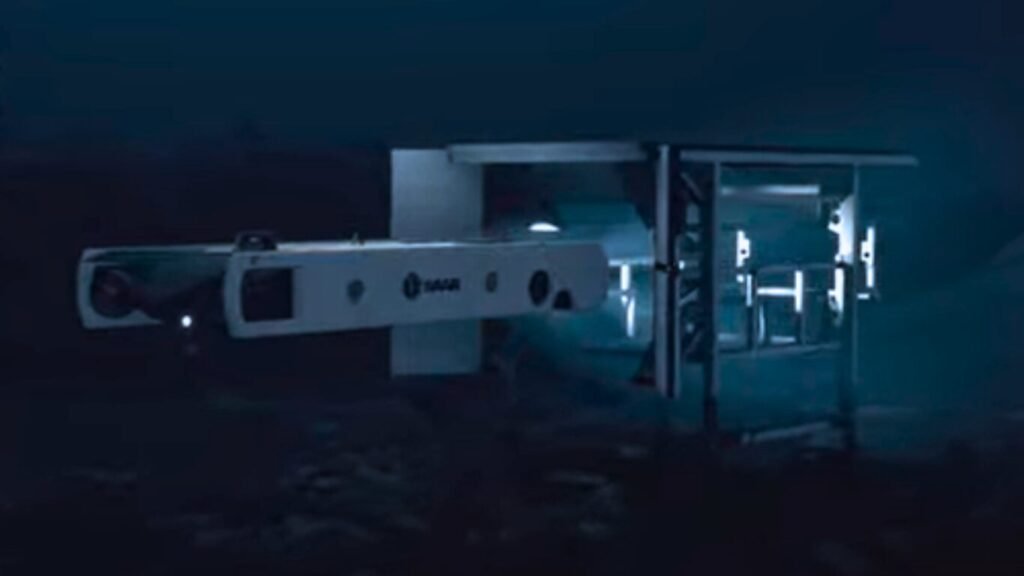
Understanding The Core Technology
Many people assume these vehicles are simply underwater drones with cameras attached. In reality, they are highly advanced systems that combine multiple technologies into one intelligent platform.
Their effectiveness depends on three major components working together continuously. These include intelligent decision making, environmental awareness, and autonomous movement. When these capabilities operate as a single system, underwater missions become far more efficient than traditional manually controlled operations.
Let me explain this in the clearest, simplest terms.
Think of an intelligent underwater vehicle as a robotic explorer that never gets tired. Instead of waiting for someone to tell it every single movement, it constantly studies its surroundings, compares incoming information with previous knowledge, and selects the safest or most effective path toward its objective.
Unlike aircraft operating in open skies, underwater vehicles face an environment where visibility is limited, water pressure is extremely high, and communication with operators can be unreliable. Because of these conditions, onboard intelligence becomes far more important than remote human control.
This independence allows the vehicle to continue working even when communication signals become weak or temporarily unavailable. That capability alone makes autonomous underwater technology one of the most valuable developments in modern naval operations.
Artificial Intelligence As The Decision Engine
Artificial intelligence serves as the central decision-making system inside modern unmanned underwater vehicles. Every second, the vehicle receives information from multiple onboard instruments. Instead of sending all this raw information back to human operators, the onboard AI evaluates the data immediately.
It compares sonar readings, movement patterns, navigation information, depth measurements, water temperature, acoustic signatures, and mission objectives. By combining these sources, the system creates a detailed understanding of its surroundings.
One feature I find especially impressive is adaptive learning. Rather than repeating identical actions during every deployment, advanced AI systems gradually improve performance by recognizing patterns encountered during previous missions. This enables smarter route planning, better obstacle avoidance, and more accurate threat recognition over time.
Another important advantage is decision speed. Underwater environments change rapidly. A moving vessel, shifting underwater currents, or an unexpected obstacle may require an immediate response. Artificial intelligence allows these decisions to happen almost instantly without waiting for instructions from operators located hundreds or even thousands of kilometers away.
Advanced Sensors Create Underwater Awareness
Artificial intelligence can only make good decisions when it receives reliable information. This is why sensors play such a critical role inside modern unmanned underwater vehicles.
Since sunlight rarely reaches deep ocean environments, traditional cameras alone cannot provide complete awareness. Engineers therefore combine multiple sensing technologies that work together under difficult conditions.
High-performance sonar systems generate detailed maps of underwater terrain and identify nearby objects through sound waves. Acoustic sensors detect surrounding activity by monitoring underwater noise patterns. Pressure sensors constantly measure depth while maintaining safe operating conditions. Inertial measurement systems monitor direction and movement even when satellite navigation signals cannot reach beneath the water.
Some advanced systems also include optical cameras, chemical detectors, environmental monitoring equipment, and magnetic sensors depending on mission requirements.
Rather than relying on one single source of information, artificial intelligence combines data from every available sensor to produce a far more accurate picture of the surrounding environment. This process significantly improves mission reliability and reduces the likelihood of navigation errors.
Intelligent Navigation Beneath The Ocean
Navigation is one of the greatest technical challenges for any underwater vehicle. Unlike aircraft or surface ships, underwater platforms cannot depend continuously on satellite navigation because GPS signals cannot effectively penetrate deep water.
Engineers solve this challenge by combining several navigation methods into one intelligent guidance system.
Internal navigation equipment continuously estimates position based on movement and direction. Sonar compares underwater landmarks with digital maps. Acoustic positioning systems provide location updates whenever communication infrastructure is available. Artificial intelligence combines all of these inputs to determine the safest and most efficient route.
Instead of following a fixed path, modern autonomous vehicles constantly evaluate changing conditions. If unexpected obstacles appear or underwater terrain changes, the navigation system immediately calculates an alternative route while keeping the mission objectives in focus.
This level of adaptability allows missions to continue successfully even in unpredictable underwater environments where traditional navigation methods would struggle.
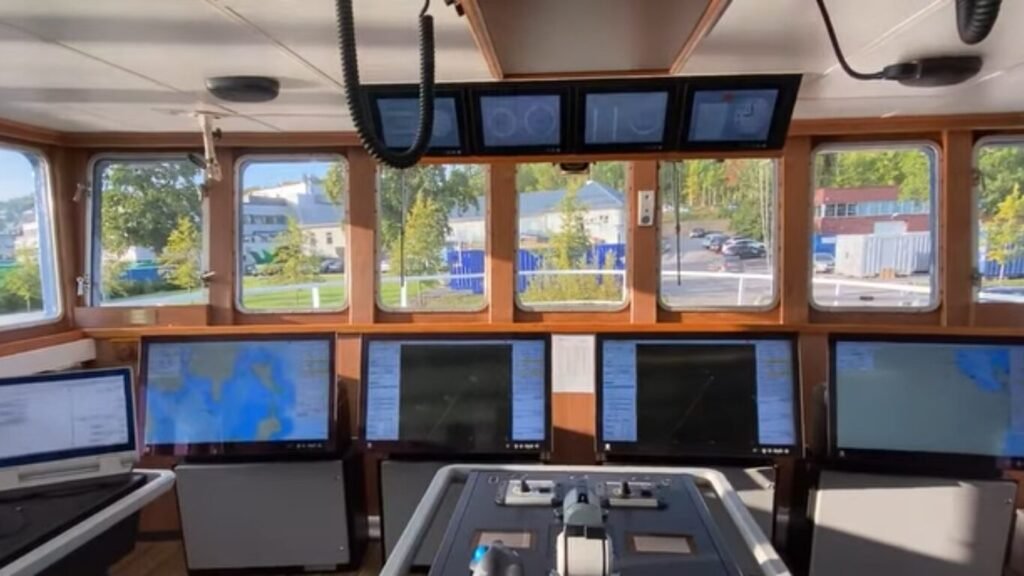
Strategic Advantages Of AI Powered Unmanned Underwater Vehicles
The true value of AI Powered Unmanned Underwater Vehicles becomes clear when we look beyond the technology itself and focus on what these systems can achieve. They are not designed simply to replace traditional underwater equipment. Instead, they expand what naval forces can accomplish while reducing risks, lowering costs, and increasing operational efficiency.
Modern military planners are no longer interested only in building larger fleets. They want smarter capabilities that can gather information faster, remain hidden for longer periods, and respond quickly to changing situations. Intelligent underwater vehicles help achieve these goals by combining autonomous decision making with advanced sensing technologies.
In my opinion, the greatest strength of these systems is their flexibility. A single vehicle can perform different missions depending on its software, onboard equipment, and operational requirements. This makes them valuable assets in both peaceful maritime operations and high-risk military environments.
Silent Operations Improve Mission Success
Stealth has always been one of the most important principles of naval warfare. Remaining undetected allows military forces to observe enemy activities, collect intelligence, and complete sensitive missions without revealing their presence.
AI Powered Unmanned Underwater Vehicles are naturally suited for this role. Their compact size, quiet propulsion systems, and intelligent route planning make them significantly harder to detect than many traditional underwater platforms.
Artificial intelligence also contributes directly to stealth. Instead of following predictable paths, these vehicles can adjust their movement according to underwater conditions, shipping activity, or detected obstacles. This reduces the chance of creating recognizable movement patterns that hostile forces could track.
Real-world naval exercises have shown that smaller autonomous systems can approach strategic locations, gather information, and leave the area without exposing larger vessels or risking human lives. This silent operational capability gives commanders more options during sensitive missions.
Continuous Ocean Surveillance
Monitoring large sections of the ocean has always required enormous resources. Patrol ships consume fuel, submarines require skilled crews, and aircraft can only remain airborne for limited periods.
Autonomous underwater vehicles provide a different approach.
These intelligent systems can remain underwater for extended periods while continuously collecting information about vessel movement, underwater activity, environmental conditions, and potential security threats. Their ability to operate without fatigue allows military organizations to maintain persistent awareness over critical maritime regions.
From my perspective, this continuous observation is one of the biggest strategic advantages offered by autonomous underwater technology. Instead of reacting after an incident occurs, naval forces can identify unusual patterns much earlier and make better informed decisions.
Long-term surveillance also improves maritime border security, protects offshore energy infrastructure, and strengthens national awareness across important sea routes.
Faster Intelligence Collection
Today’s military missions depend on reliable and precise information to support effective decision-making.
AI Powered Unmanned Underwater Vehicles contribute significantly by gathering detailed underwater intelligence in real time. Their onboard systems continuously analyze sonar images, acoustic signals, navigation data, and environmental measurements.
Rather than storing everything for later analysis, artificial intelligence processes much of the information during the mission itself. This allows the vehicle to recognize suspicious objects, avoid hazards, prioritize important findings, and adjust mission objectives whenever necessary.
Human analysts still play a vital role, but they receive information that has already been organized and filtered. This saves valuable time during operations where rapid decisions may influence mission outcomes.
Reduced Risk To Human Personnel
One of the strongest arguments supporting autonomous underwater technology is improved safety for military personnel.
Many underwater missions involve dangerous conditions including deep water, underwater mines, hostile environments, poor visibility, and unpredictable currents. Sending divers or crewed submarines into these situations exposes human lives to significant danger.
Autonomous vehicles remove much of this risk.
Instead of placing sailors or divers directly inside hazardous areas, commanders can deploy unmanned systems to perform inspection, reconnaissance, mapping, or surveillance tasks. If equipment is damaged during the mission, the loss is serious, but human casualties can often be avoided.
I believe this shift represents one of the most responsible uses of advanced technology in modern defense. Protecting trained personnel while maintaining operational capability benefits every military organization.
Cost Effective Maritime Operations
Building, operating, and maintaining large submarines requires substantial financial investment. Long-term costs remain high because of expenses related to personnel, training, maintenance facilities, logistics, and ongoing operational support.
AI Powered Unmanned Underwater Vehicles offer a more economical solution for many mission types.
Although advanced autonomous platforms require significant research and development, their operating expenses are generally much lower than those of traditional crewed vessels. Smaller vehicles consume less energy, require fewer support personnel, and can often be transported using existing naval ships.
This affordability allows countries to expand underwater surveillance capabilities without dramatically increasing defense budgets.
Smaller nations especially benefit from this technology because they can strengthen maritime awareness without constructing large submarine fleets.
Greater Mission Endurance
Human endurance naturally limits the duration of traditional military operations. Crews require rest, food, medical support, and regular rotation during long deployments.
Autonomous underwater vehicles operate under different conditions.
As long as sufficient power remains available, these systems can continue monitoring assigned areas for extended periods. Advances in battery technology, energy management, and efficient propulsion systems continue increasing mission duration every year.
Some platforms are designed specifically for long-range ocean observation, allowing continuous monitoring of shipping lanes, underwater infrastructure, or sensitive coastal regions.
This persistence creates valuable operational advantages because important events are less likely to go unnoticed between scheduled patrols.
Intelligent Swarm Operations
Another exciting development involves multiple autonomous underwater vehicles working together as coordinated teams.
Instead of deploying a single large vehicle, naval forces can launch groups of intelligent systems that communicate, divide responsibilities, and share information whenever communication conditions permit.
Each vehicle performs its assigned task while contributing to the overall mission.
One unit may focus on mapping the ocean floor. Another monitors underwater movement. A third searches for specific acoustic signatures, while additional vehicles maintain observation around the surrounding area.
Artificial intelligence coordinates these activities to improve overall efficiency.
From my perspective, swarm operations could become one of the defining characteristics of future naval warfare because they increase coverage, improve redundancy, and make missions far more resilient.
If one vehicle experiences technical problems, others can continue the mission with minimal disruption.
Mine Detection And Clearance
Underwater mines remain among the most dangerous threats facing naval forces. Locating and safely removing them has traditionally required highly trained personnel operating under hazardous conditions.
Autonomous underwater vehicles significantly improve this process.
Advanced sonar systems scan the seabed while artificial intelligence compares detected objects against known mine characteristics. Potential threats can then be identified much faster than through manual inspection alone.
Once suspicious objects are located, additional unmanned systems or specialized disposal teams can neutralize the danger without exposing large numbers of personnel.
Several navies already use autonomous underwater platforms to support mine countermeasure operations because they improve both safety and operational efficiency.
Protection Of Critical Maritime Infrastructure
Modern economies depend heavily on underwater infrastructure.
Communication cables carry internet traffic between continents. Offshore energy platforms produce valuable resources. Pipelines transport fuel across long distances.
Protecting these assets has become a growing security priority.
AI Powered Unmanned Underwater Vehicles regularly inspect underwater structures for signs of damage, unusual movement, or unauthorized activity. Their sensors can identify problems before they become serious, allowing maintenance teams to respond quickly.
This capability is valuable during both peacetime security operations and periods of heightened military tension.
As underwater infrastructure continues expanding worldwide, intelligent monitoring systems will become increasingly important for national security.
Environmental Awareness Supports Better Decisions
Although these vehicles are often associated with military missions, their environmental monitoring capabilities also contribute to better operational planning.
Sensors continuously collect information about water temperature, salinity, ocean currents, underwater visibility, and seabed conditions.
Artificial intelligence analyzes this environmental data while planning safe and efficient routes.
Accurate environmental awareness improves navigation, enhances sonar performance, and increases the overall success of maritime operations.
Scientists also benefit from many of these technologies because the same platforms can support marine research, climate observation, and oceanographic studies.
This combination of military and civilian applications demonstrates how technological innovation often produces benefits that extend well beyond defense alone.
Supporting Human Command Rather Than Replacing It
Despite impressive advances in autonomy, experienced military leaders remain essential.
Artificial intelligence excels at processing large amounts of information quickly, recognizing patterns, and recommending efficient responses. Human commanders contribute judgment, experience, ethical responsibility, and strategic thinking that technology cannot fully replicate.
In my opinion, the strongest military organizations will combine intelligent automation with skilled human leadership rather than attempting to replace people entirely.
This partnership allows technology to handle repetitive and data-intensive tasks while experienced professionals retain responsibility for critical operational decisions.
As AI Powered Unmanned Underwater Vehicles continue evolving, this balanced relationship between human expertise and intelligent automation will remain one of the most important foundations of effective and responsible maritime operations.
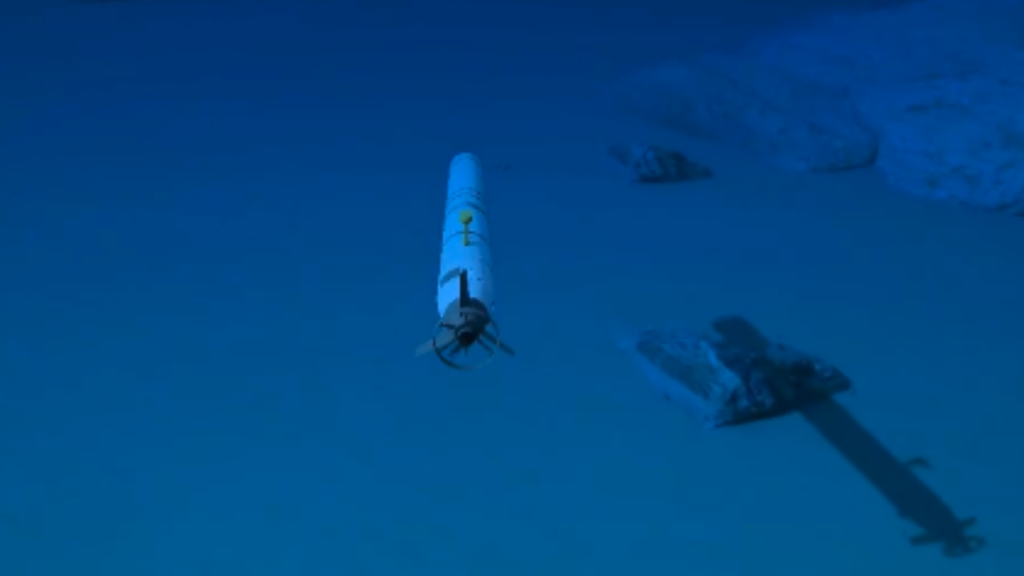
Challenges Facing AI Powered Unmanned Underwater Vehicles
Every major technological breakthrough brings remarkable opportunities, but it also introduces new challenges. AI Powered Unmanned Underwater Vehicles are no exception. While these intelligent systems have demonstrated impressive capabilities, engineers, military planners, and policymakers continue working to overcome technical, operational, and ethical obstacles before autonomous underwater platforms can reach their full potential.
Understanding these challenges provides a more balanced view of the technology. It reminds us that successful innovation depends not only on building advanced machines but also on ensuring they operate safely, reliably, and responsibly.
Underwater Communication Remains A Major Obstacle
One of the biggest technical difficulties is communication beneath the ocean surface.
Radio signals, which work well in the air and on land, cannot travel efficiently through seawater. This means underwater vehicles cannot maintain continuous high-speed communication with ships, satellites, or command centers.
Instead, many autonomous systems rely on acoustic communication, which uses sound waves to exchange information. Although effective, acoustic signals travel much more slowly than radio signals and carry far less data. Ocean noise, changing water conditions, and long distances can also interrupt communication.
Because of these limitations, AI Powered Unmanned Underwater Vehicles must be capable of making many decisions independently. They cannot simply wait for operators to provide instructions whenever unexpected situations arise.
This challenge is one of the main reasons artificial intelligence has become such an important part of modern underwater systems.
Navigation Without GPS
Most people use satellite navigation every day without giving it much thought. Cars, smartphones, aircraft, and ships all benefit from GPS technology.
Underwater vehicles face a completely different reality.
GPS signals cannot penetrate deep seawater, forcing autonomous systems to depend on alternative navigation methods. These include inertial navigation systems, sonar mapping, underwater landmarks, and acoustic positioning networks.
Although these technologies are highly advanced, small positioning errors can accumulate during long missions. Engineers continue developing smarter algorithms that automatically correct these errors whenever new reference points become available.
Improving underwater navigation remains one of the highest priorities for researchers working on autonomous maritime systems.
Power And Energy Limitations
Every autonomous vehicle depends on stored energy.
Unlike large submarines that can remain operational for long periods using powerful onboard systems, most unmanned underwater vehicles rely on batteries or compact energy sources.
Mission duration is therefore limited by available power.
Artificial intelligence helps improve efficiency by carefully managing energy consumption. The system can reduce unnecessary movement, optimize travel routes, and temporarily deactivate nonessential equipment when possible.
Researchers are also exploring new battery technologies, fuel cells, and energy harvesting techniques that could significantly extend operational endurance in the future.
Longer missions will allow underwater vehicles to monitor larger ocean regions while reducing the need for frequent recovery and maintenance.
Artificial Intelligence Depends On Quality Data
Artificial intelligence performs well only when it has been trained using reliable information.
If training data contains errors, missing information, or limited environmental diversity, the system may struggle when encountering unfamiliar situations during real missions.
For example, an underwater vehicle trained mainly in calm coastal waters may experience difficulties when operating in deeper oceans with different seabed conditions, stronger currents, or unusual acoustic environments.
Continuous learning, extensive testing, and regular software improvements help reduce these risks.
In my opinion, data quality will remain one of the most valuable resources in future autonomous defense technologies. Better information creates better decisions.
Hardware Reliability In Extreme Conditions
The underwater environment is one of the harshest places on Earth.
High pressure, corrosive saltwater, biological growth, changing temperatures, and constant movement place tremendous stress on every mechanical and electronic component.
Even small equipment failures can affect navigation, sensing, communication, or mission performance.
Engineers therefore design underwater vehicles using specialized materials that resist corrosion while protecting sensitive electronics from water intrusion.
Extensive testing under realistic ocean conditions is essential before new systems enter operational service.
Reliability is especially important because recovering damaged vehicles from deep water may be extremely difficult or even impossible.
Cybersecurity Threats
As autonomous systems become more connected and intelligent, cybersecurity becomes increasingly important.
Every software-based platform carries some level of cyber risk.
If attackers gain unauthorized access to an underwater vehicle, they could potentially interfere with navigation, manipulate collected data, disrupt communications, or attempt to redirect the mission.
Although military systems use advanced encryption, secure communication methods, and multiple layers of protection, cybersecurity remains an ongoing challenge rather than a problem that can be solved permanently.
The ongoing evolution of technology regularly introduces new software vulnerabilities.
This means cybersecurity must remain a continuous process involving software updates, security testing, threat monitoring, and rapid response capabilities.
Protecting autonomous systems from digital attacks will become just as important as protecting them from physical threats.
Environmental Challenges Beneath The Ocean
The ocean is constantly changing.
Water temperature, pressure, underwater currents, sediment, marine life, and seasonal conditions all influence how autonomous vehicles operate.
Strong currents may force vehicles away from planned routes.
Heavy sediment can reduce visibility.
Changing water temperatures affect sonar performance.
Marine organisms sometimes attach themselves to vehicle surfaces, gradually reducing efficiency during long deployments.
Artificial intelligence helps compensate for many of these environmental changes by adjusting navigation strategies in real time.
However, no autonomous system can completely eliminate every challenge presented by the natural underwater environment.
Legal And International Concerns
As autonomous underwater technologies become more common, governments must also address legal questions.
International maritime law has traditionally focused on ships and submarines operated by human crews.
Autonomous underwater systems introduce new situations that existing regulations may not fully address.
Important questions include operational responsibility, navigation rights, data collection, territorial waters, and acceptable military use.
International cooperation will likely become increasingly important as more countries deploy intelligent underwater platforms across shared oceans.
Clear legal frameworks can reduce misunderstandings while supporting responsible technological development.
Ethical Considerations In Autonomous Naval Systems
Technical performance is only one part of the discussion.
Ethics plays an equally important role.
Whenever intelligent systems become capable of making increasingly complex decisions, society naturally asks how much authority machines should receive.
Should autonomous systems independently identify threats
Should they decide when to continue or cancel a mission
How much human supervision should always remain in place
These questions extend beyond engineering into international security, military policy, and public trust.
Personally, I believe intelligent systems should always support human judgment rather than replace it completely.
Technology can analyze information much faster than people, but accountability, responsibility, and ethical decision making should remain firmly under human control.
This balanced approach allows nations to benefit from technological innovation while maintaining public confidence in responsible defense practices.
The Future Of Research And Innovation
Despite current challenges, research continues advancing at an impressive pace.
Scientists are developing more efficient batteries, improved underwater communication systems, stronger cybersecurity protections, smarter navigation algorithms, and increasingly capable artificial intelligence models.
Future generations of autonomous underwater vehicles will likely become more reliable, more energy efficient, and better equipped to operate independently for extended periods.
Machine learning will continue improving object recognition, route planning, environmental adaptation, and cooperative operations among multiple autonomous vehicles.
As these technologies mature, underwater missions that once required large crews and expensive submarines may increasingly be completed by intelligent autonomous systems working together.
From my perspective, this evolution is not about replacing naval personnel. It is about providing them with better tools that improve awareness, reduce operational risks, and strengthen maritime security in an increasingly complex world.
Global Adoption Of AI Powered Unmanned Underwater Vehicles
The rapid development of AI Powered Unmanned Underwater Vehicles is no longer limited to research laboratories. Around the world, governments are investing heavily in autonomous maritime technology because they recognize that underwater superiority will play a major role in future security. Nations are expanding their underwater capabilities to strengthen surveillance, protect strategic infrastructure, and improve naval readiness.
Unlike many military technologies that remain experimental for years, autonomous underwater systems are steadily moving into real operational environments.
It is clear that intelligent underwater platforms are now playing an increasingly important role in today’s defense strategies instead of remaining a future possibility.
From my perspective, the competition is no longer focused on building the largest navy. The real competition is about creating smarter networks of autonomous systems that can collect information faster, respond more efficiently, and operate with minimal human intervention.
Leading Nations Investing In Underwater AI
Several countries have identified autonomous underwater technology as a strategic priority.
The United States continues developing advanced underwater vehicles capable of long-range intelligence gathering, mine countermeasures, and maritime surveillance. These systems are designed to improve operational awareness while reducing risks to sailors during dangerous missions.
The United Kingdom is also expanding research into intelligent underwater platforms that support naval reconnaissance and infrastructure protection. Autonomous systems are increasingly becoming part of long-term maritime modernization programs.
Australia has invested in underwater robotics to improve coastal security, ocean monitoring, and regional maritime awareness. Its geographical location makes underwater surveillance particularly valuable for protecting vast maritime areas.
Japan continues strengthening underwater technologies because maritime security plays a central role in protecting important shipping routes and surrounding waters. Intelligent underwater systems provide additional flexibility for monitoring large operational zones.
Several European countries are collaborating on research projects involving underwater robotics, autonomous navigation, and advanced sensing technologies. Shared research allows participating nations to accelerate innovation while reducing development costs.
Many other countries are also entering this field because autonomous underwater technology is becoming more accessible as hardware improves and artificial intelligence continues advancing.
Expanding Beyond Military Operations
Although defense remains one of the largest drivers of innovation, AI Powered Unmanned Underwater Vehicles are proving valuable across many civilian sectors.
Marine scientists use autonomous systems to study deep ocean ecosystems that are difficult for human divers to reach. Long-duration missions allow researchers to collect environmental information over weeks or even months.
Energy companies deploy underwater vehicles to inspect offshore platforms, underwater pipelines, and communication cables. Regular inspections help identify maintenance needs before serious problems develop.
Search and rescue organizations also benefit from autonomous underwater systems. After maritime accidents, intelligent vehicles can quickly survey large underwater areas that would otherwise require extensive manual searches.
Environmental agencies use these platforms to monitor pollution levels, coral reef health, marine habitats, and changing ocean conditions. The same artificial intelligence that supports military missions also helps scientists better understand our oceans.
This wide range of applications demonstrates that investments in underwater artificial intelligence often create benefits extending far beyond national defense.
Protecting Critical Sea Lanes
Global trade depends heavily on secure maritime transportation.
Thousands of commercial ships travel through major shipping routes every day carrying food, fuel, manufactured products, and raw materials between continents.
Any disruption to these sea lanes can affect international commerce and economic stability.
AI Powered Unmanned Underwater Vehicles strengthen maritime security by monitoring underwater activity near important shipping routes, ports, and coastal infrastructure.
Continuous underwater observation helps identify unusual movements, unauthorized activities, or potential security concerns before they develop into larger problems.
Maintaining secure maritime transportation benefits governments, businesses, and millions of people who depend on reliable global supply chains.
Artificial Intelligence Features That Make These Systems Effective
Artificial intelligence is much more than a single software program inside an underwater vehicle. It combines several intelligent capabilities that work together throughout every mission.
One important feature is pattern recognition. The AI continuously compares incoming sensor information with previous observations to identify unusual activity or known underwater objects.
Another capability is autonomous route planning. Instead of following a fixed path, the system constantly evaluates changing underwater conditions and selects more efficient routes whenever necessary.
Object classification also plays an important role. Sonar returns often contain thousands of underwater reflections. Artificial intelligence helps distinguish between rocks, marine life, underwater structures, and objects requiring further investigation.
Adaptive learning allows the vehicle to improve performance over time. Experience gained during previous missions helps optimize future navigation, sensing, and operational decisions.
Real-time decision support enables the system to prioritize important information while filtering unnecessary data. This allows human operators to focus on significant findings rather than reviewing every piece of collected information.
I believe the real difference comes from intelligent software, which transforms underwater vehicles from simple machines into advanced autonomous platforms.
Practical Mission Examples
Understanding real operational scenarios helps illustrate how these technologies work in practice.
Imagine a naval force responsible for protecting a busy harbor.
Instead of assigning divers to inspect underwater structures every day, autonomous underwater vehicles perform regular patrols around docks, underwater foundations, and shipping channels.
Artificial intelligence analyzes sonar images continuously, looking for unusual objects or structural changes. If something unexpected appears, operators receive detailed reports along with precise location information.
Another example involves underwater mine detection.
Rather than exposing sailors to dangerous environments, autonomous vehicles search suspected minefields using advanced sonar. Artificial intelligence identifies objects that closely resemble underwater mines, allowing specialists to investigate only the highest priority locations.
Environmental monitoring provides another practical application.
Autonomous vehicles collect information about water quality, ocean currents, and marine ecosystems while operating independently over large geographic regions. Scientists receive valuable information without requiring expensive research vessels to remain continuously at sea.
These examples show how one core technology can support many completely different mission types.
Human Expertise Remains Essential
Despite impressive advances in autonomy, people remain at the center of every successful mission.
Engineers design the systems.
Software specialists develop artificial intelligence algorithms.
Naval commanders define mission objectives.
Operators monitor vehicle performance.
Analysts interpret collected intelligence.
Maintenance teams ensure long-term reliability.
Every successful deployment depends upon cooperation between skilled professionals and intelligent technology.
Artificial intelligence processes enormous amounts of information at remarkable speed, but it does not replace human experience, ethical judgment, creativity, or strategic thinking.
From my perspective, the future belongs to cooperation rather than replacement. Human expertise combined with intelligent automation creates stronger, safer, and more effective maritime operations.
Looking Toward The Next Generation
Research into AI Powered Unmanned Underwater Vehicles continues accelerating.
Future systems will likely operate for longer periods, navigate more accurately, communicate more efficiently, and process increasingly complex underwater information.
Engineers are exploring improvements in battery technology, underwater wireless communication, cooperative swarm intelligence, advanced sonar imaging, and machine learning models capable of understanding highly dynamic ocean environments.
Future vehicles may also work more closely with surface ships, satellites, aerial drones, and autonomous maritime networks to create a connected defense ecosystem.
This integration would allow information collected beneath the ocean surface to support decision making across multiple military and civilian platforms almost instantly.
As technology continues evolving, intelligent underwater systems will become even more capable of supporting disaster response, environmental protection, scientific exploration, offshore industry, and maritime security.
Their influence will extend well beyond defense, making them one of the most important technological developments shaping the future of our oceans.
Conclusion
AI Powered Unmanned Underwater Vehicles are changing the future of maritime operations by combining artificial intelligence, autonomous navigation, and advanced sensing into one intelligent platform. These systems are helping navies monitor vast ocean areas, improve underwater surveillance, protect critical infrastructure, and complete complex missions with greater safety and efficiency. As the technology continues to mature, its role will expand beyond defense into scientific research, environmental monitoring, and commercial applications.
In my opinion, the true strength of these autonomous systems lies in supporting human expertise rather than replacing it. Responsible development, strong cybersecurity, ethical oversight, and continuous innovation will ensure that AI remains a trusted partner in underwater operations. Nations that invest wisely in this technology today will be better prepared for tomorrow’s maritime challenges.
AI Powered Unmanned Underwater Vehicles are not simply another advancement in military equipment. They represent a long-term transformation in how the world’s oceans are monitored, protected, and understood. As intelligent maritime technologies continue to evolve, they will play an increasingly important role in shaping global security and ocean exploration.
This original analysis and expert insight are proudly created and published exclusively by worldstan.com, your trusted destination for high-quality research on AI, emerging technologies, and the future of global defense.