

Table of Contents
ToggleHumanoid soldiers are no longer a futuristic dream; they are quietly becoming a real force in modern warfare, changing how battles are fought and how armies prepare for the future.
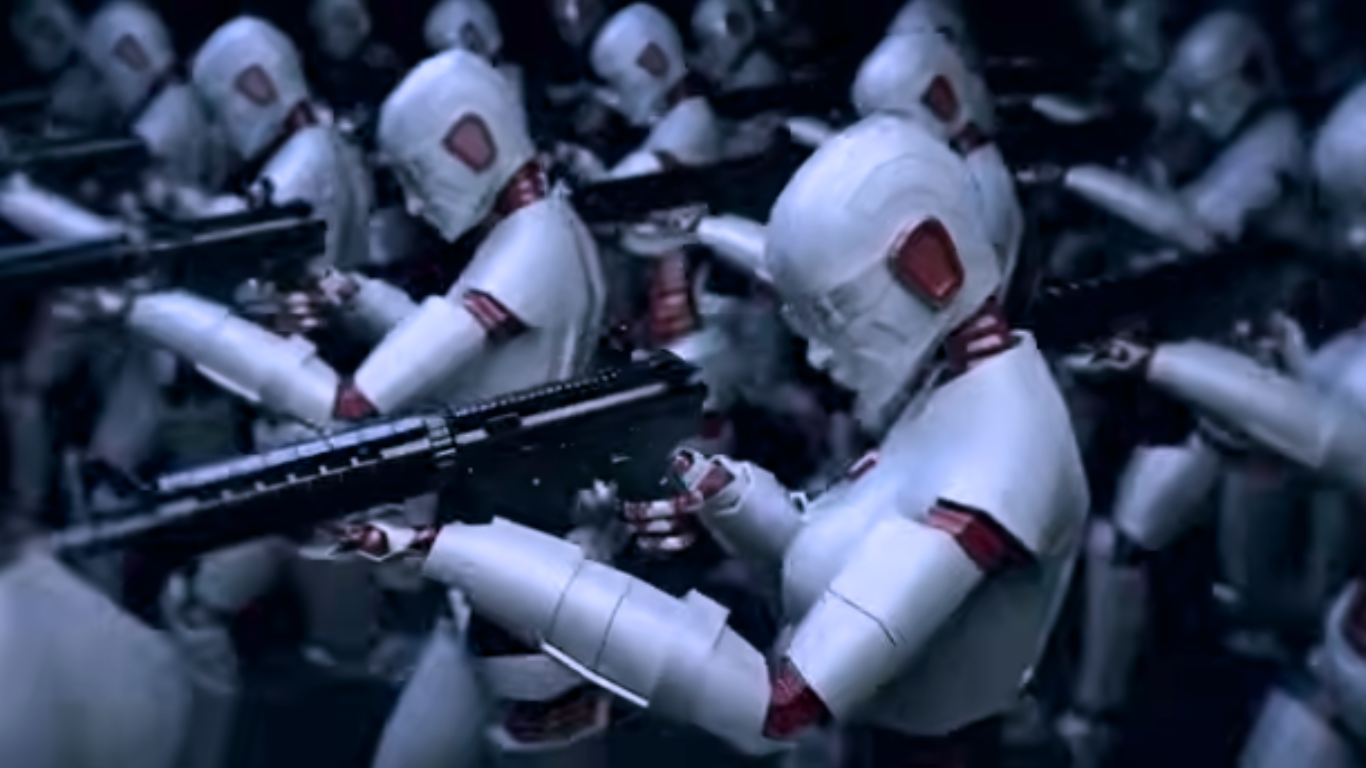
Modern Warfare:
Introduction:
If you look back just a few decades, military machines were simple. Tanks rolled forward, drones flew overhead, and robots were mostly limited to controlled tasks like bomb disposal. Today, that picture has changed in a way that feels almost unreal. We are now entering an era where humanoid soldiers are being designed to walk, react, and even make decisions in environments built for humans.
What makes this shift so important is not just the technology itself but how naturally it fits into existing systems. Armies do not need to redesign their infrastructure for these machines. Instead, these robots are built to adapt to human surroundings. From my perspective, this is one of the most strategic advantages of modern military AI. It is not forcing change; it is blending into what already exists.
Platforms like Worldstan are focusing on bringing these complex developments into clear and understandable discussions because the world needs to know how quickly this transformation is happening.
Why Humanoid?
You might wonder why engineers are focusing so much on humanoid soldiers instead of building more drones or wheeled robots. The answer is surprisingly simple. The entire world is designed for humans. Doors, stairs, vehicles, tools, and even narrow corridors are all built with the human body in mind.
A robot that can walk on two legs, balance itself, and use its arms like a person has a massive advantage. It can enter buildings without needing structural changes. It can climb stairs in urban warfare scenarios. It can operate vehicles or machinery that already exist.
I personally believe this is where humanoid design becomes more than just a technological experiment. It becomes a practical solution. Imagine a robot entering a damaged building after an explosion, moving carefully through debris, and reaching places that are too dangerous for soldiers. That is not science fiction anymore. Companies and defense organizations are already testing such capabilities.
Real-world examples are starting to appear. Advanced robotic systems developed in countries like the United States and China are showing early versions of these abilities. While they are not yet fully deployed as combat units, the direction is clear.
Tactical Applications:
Now let us talk about how humanoid soldiers might actually be used on the battlefield. One of the most discussed roles is room clearing. This is one of the most dangerous tasks in ground combat. Soldiers enter unknown spaces where threats can appear instantly. The risk is extremely high.
Replacing or supporting soldiers with humanoid robots in these situations could save lives. These machines can enter first, scan the environment, and identify threats using AI-powered vision systems. They do not feel fear, and they do not hesitate under pressure.
Another key application is high-risk infantry support. In many missions, soldiers carry heavy loads, including weapons, ammunition, and equipment. Humanoid robots can act as support units, carrying gear or even assisting injured soldiers out of danger zones.
From my point of view, the biggest advantage is not replacing humans but reducing human exposure to danger. Warfare has always involved risk, but technology has consistently aimed to minimize unnecessary loss. Humanoid soldiers fit directly into that long-term goal.
There is also the possibility of these robots operating in environments that are too hazardous for humans, such as areas with chemical threats or extreme temperatures. In such cases, their role becomes not just useful but essential.
Hardware Challenges:
Despite all the excitement, it is important to stay grounded. The development of humanoid soldiers is not without serious challenges. In fact, this is where reality slows things down.
Balancing on two legs is far more difficult than it looks. Humans do it naturally, but for robots, it requires complex algorithms and constant adjustments. Even small changes in terrain can create instability.
Power consumption is another major issue. These machines require a significant amount of energy to move, process data, and operate sensors. Current battery technology limits how long they can function in the field. Until this improves, their operational range will remain restricted.
Agility is also a concern. While some robots can walk and run, they still struggle with sudden movements or unpredictable environments. A battlefield is chaotic, and machines must be able to respond instantly.
In my opinion, these challenges are not barriers but stages in development. Every major technology has faced similar hurdles. Think about early aircraft or the first computers. They were limited, expensive, and unreliable. Over time, they became essential.
The same pattern is likely to follow here. As AI improves and hardware becomes more efficient, these limitations will gradually fade.
Conclusion:
The idea of humanoid soldiers might sound like something taken from a movie, but it is becoming part of real-world military planning. The combination of artificial intelligence, robotics, and human-like design is creating a new category of defense technology.
What stands out to me is how practical this evolution is. It is not about replacing soldiers entirely. It is about supporting them, protecting them, and making operations more efficient. That’s where its real significance comes from.
Worldstan brings this conversation forward in a way that cuts through confusion and focuses on what actually matters. The rise of humanoid soldiers is not just a technological shift. It is a strategic transformation that will shape how nations approach security in the coming years.
The future of robotic infantry is not a distant vision. It is already taking its first steps.