

Advanced Counter UAS Technologies and AI Defense
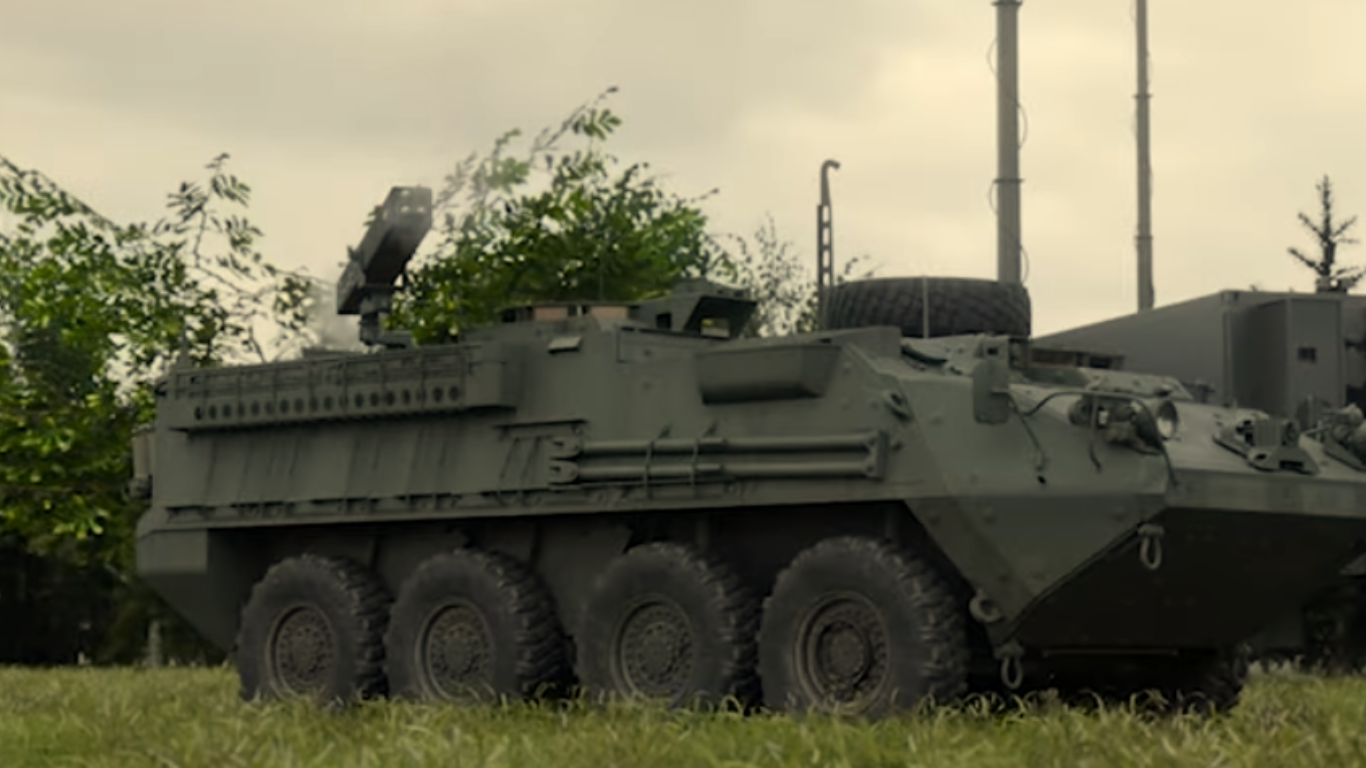
Advanced Counter UAS Technologies are changing how modern militaries protect their skies from rapidly evolving drone threats. As unmanned aircraft become smarter and more affordable, effective defense now depends on detecting and stopping these threats before they can cause serious damage.
Understanding Advanced Counter UAS Technologies
Advanced Counter UAS Technologies are transforming modern air defense by combining AI, intelligent sensors, and rapid response systems to detect, track, and stop evolving drone threats.
The battlefield has changed dramatically over the last decade. Not long ago, military planners focused mainly on fighter aircraft, helicopters, and long range missiles when designing air defense strategies. Today, another challenge demands equal attention. Small unmanned aircraft have become one of the most disruptive technologies in modern warfare. They are inexpensive, easy to deploy, and capable of carrying out surveillance, intelligence gathering, electronic warfare, and even precision attacks.
Advanced Counter UAS Technologies have emerged as the answer to this growing challenge. These systems are specifically designed to detect, identify, monitor, and neutralize unmanned aerial systems before they can complete their missions. Unlike conventional air defense equipment that was built to engage large aircraft, these technologies are optimized for small, fast moving, and often difficult to detect aerial targets.
In my opinion, this shift represents one of the most important developments in military technology during the twenty first century. Modern conflicts continue to demonstrate that even low cost drones can influence the outcome of military operations. A single drone may identify troop movements, expose hidden positions, or deliver explosive payloads with surprising accuracy. As drone capabilities improve, defensive technologies must evolve just as quickly.
Military organizations across the world are investing heavily in research because drone threats continue to become more advanced. Many of today’s unmanned aircraft operate autonomously, communicate with other drones, and fly at extremely low altitudes. These characteristics make traditional air defense systems less effective. Advanced Counter UAS Technologies close this capability gap by combining multiple detection and response methods into one integrated defense solution.
The Evolution of Drone Threats
Advanced Counter UAS Technologies use AI, radar, sensors, and electronic warfare tools to detect, identify, and neutralize hostile drones before they can threaten military forces or critical infrastructure.
Understanding why counter drone systems are essential requires examining how drone technology has evolved. Early unmanned aircraft mainly supported reconnaissance missions by providing aerial images and surveillance data. Their roles were limited, and their numbers were relatively small.
As technology improved, drones became faster, lighter, more intelligent, and significantly less expensive. Commercial manufacturers introduced affordable quadcopters capable of carrying cameras and small payloads. Military organizations quickly recognized that these platforms could be adapted for tactical operations.
Today, drone technology extends far beyond simple observation. Autonomous navigation, AI powered flight control, obstacle avoidance, and coordinated swarm behavior have expanded operational possibilities. Instead of deploying one aircraft, operators can launch dozens of drones simultaneously to overwhelm defensive positions.
This rapid evolution has forced defense planners to rethink traditional airspace protection. Large missile defense systems cannot economically engage every small drone. Using expensive interceptor missiles against inexpensive quadcopters creates an unsustainable balance between attack and defense costs.
That reality explains why specialized counter UAS systems have become increasingly important. They provide targeted protection while reducing operational costs and improving response speed.
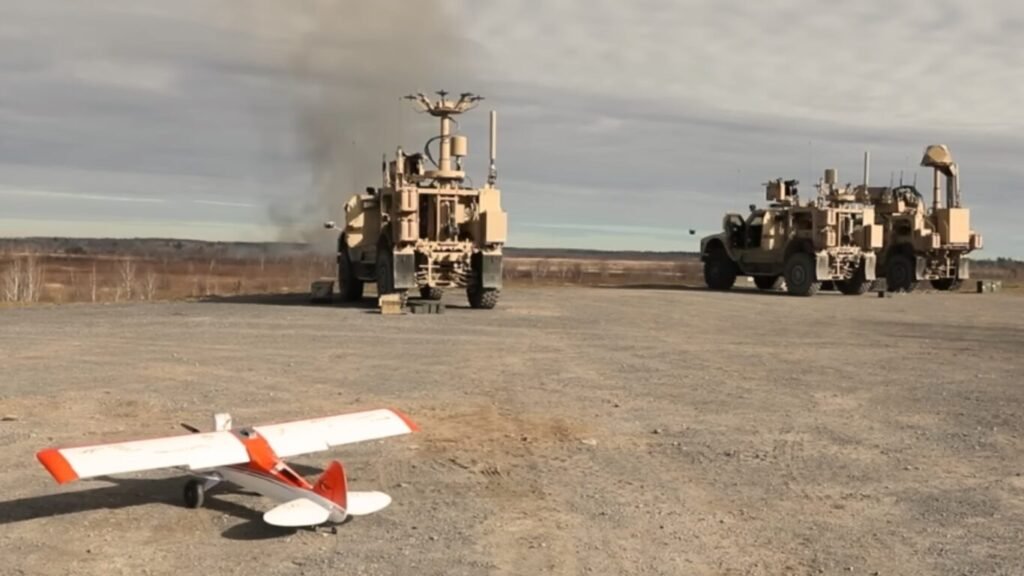
Historical Development
The growth of unmanned aircraft has occurred steadily over several decades. The table below highlights several milestones that shaped today’s counter drone technologies.
| Year | Event | Description |
|---|---|---|
| 1990s | Expansion of military UAV programs | Several nations increased investment in reconnaissance drones for intelligence collection. |
| Early 2000s | Wider battlefield deployment | Unmanned aircraft became common during military operations for surveillance and target observation. |
| 2010s | Commercial drone market expanded | Affordable drones became widely available, increasing both civilian and security challenges. |
| Mid 2010s | Growth of counter drone research | Defense organizations accelerated development of dedicated drone detection and interception systems. |
| 2020s | AI integrated counter UAS systems | Artificial intelligence improved detection accuracy, threat classification, and response coordination. |
Why Drone Defense Has Become a Strategic Priority
Every new military technology changes battlefield planning. Drones have done exactly that because they allow smaller forces to challenge much larger opponents. Even lightweight unmanned aircraft can gather valuable intelligence or interrupt military operations without exposing pilots to danger.
This change has expanded the responsibilities of air defense units. Instead of watching only high altitude aircraft, operators must monitor low altitude airspace continuously. Small drones can appear with very little warning and often blend into their surroundings.
Critical infrastructure also faces increasing risk. Airports, military installations, power stations, communication facilities, and government buildings all require protection against unauthorized unmanned aircraft. As a result, Advanced Counter UAS Technologies now support both military and civilian security operations.
From my perspective, protecting strategic locations is no longer optional. The increasing accessibility of drone technology means security planners must prepare for a wider range of potential threats than ever before.
How Advanced Counter UAS Technologies Operate
Although different manufacturers use different designs, most counter drone systems follow the same operational process. Their objective is to detect suspicious aircraft as early as possible, correctly identify them, assess the level of risk, and apply the most suitable response.
This process normally consists of three connected stages. Detection, identification, and neutralization. Each stage depends on advanced sensors, intelligent software, and rapid communication between different defense components.
Layered protection has become the preferred strategy because relying on a single sensor rarely produces consistent results. Radar, radio frequency monitoring, electro optical cameras, infrared imaging, and acoustic sensors each provide different pieces of information. When these technologies operate together, they create a much clearer picture of the surrounding airspace.
Detection Systems
Detection represents the foundation of every counter drone operation. If a drone cannot be located quickly, every following defensive action becomes more difficult.
Traditional radar systems perform well when tracking large aircraft. However, very small drones often present limited radar signatures that can blend with birds, weather conditions, or background interference. This creates significant challenges for conventional surveillance equipment.
Modern counter UAS systems solve this problem by combining several sensor technologies. Radar identifies moving aerial objects across wide areas. Radio frequency sensors search for communication signals between drones and their operators. Electro optical cameras capture visual images, while infrared sensors detect heat signatures during poor visibility or nighttime operations.
AI plays an increasingly valuable role throughout this stage. Intelligent software rapidly analyzes incoming information from multiple sensors and filters out unnecessary signals. Instead of overwhelming operators with false alarms, AI highlights objects that display characteristics consistent with drone activity.
Let me explain this in the clearest, simplest terms.
Imagine hundreds of objects moving through the air at the same time. Birds, helicopters, aircraft, weather interference, and drones may all appear on monitoring systems. AI works like an experienced security analyst that instantly compares thousands of patterns before identifying which object deserves immediate attention.
Without this capability, operators would spend valuable time examining harmless objects while genuine threats continued approaching their targets.
Identification Through Intelligent Analysis
Finding a flying object is only the beginning. The next challenge involves determining whether it actually represents a threat.
Not every drone requires defensive action. Many unmanned aircraft support authorized activities such as emergency response, infrastructure inspection, environmental monitoring, or military training exercises.
Modern identification systems analyze numerous characteristics before making recommendations. Flight speed, altitude, maneuvering behavior, communication signals, navigation methods, and thermal signatures all contribute to threat assessment.
AI algorithms compare these characteristics against extensive databases containing known flight behaviors. This allows the system to distinguish between routine operations and potentially hostile activity with greater confidence.
Rather than depending on one source of information, modern platforms combine multiple observations before generating a threat classification. This approach improves accuracy while reducing unnecessary defensive responses.
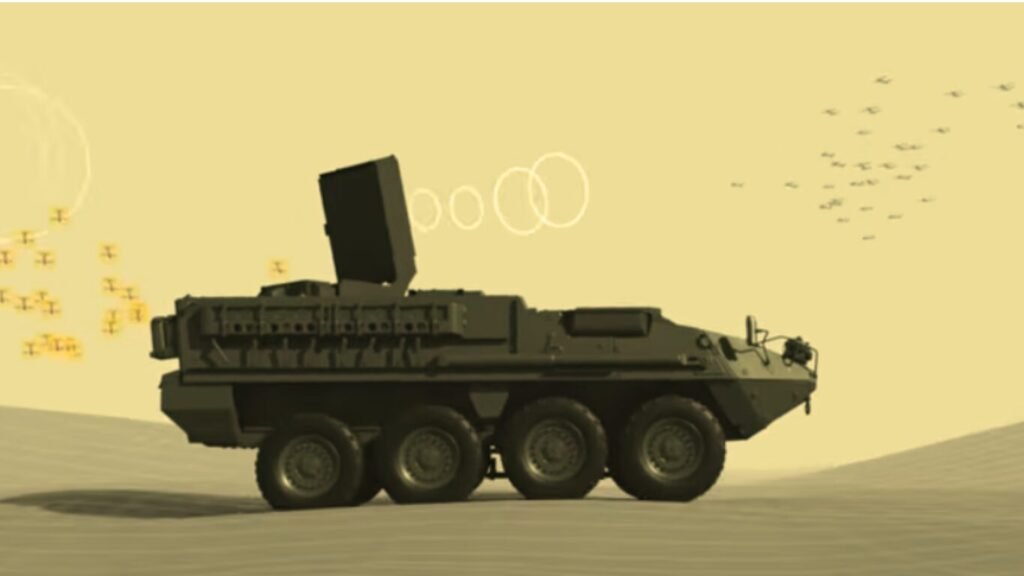
Neutralization Methods Used Against Hostile Drones
Once a drone has been confirmed as a genuine threat, the next step is stopping it before it reaches its objective. This stage is known as neutralization, and it is where Advanced Counter UAS Technologies demonstrate their greatest value. Modern defense systems are designed to choose the most effective response based on the situation, the surrounding environment, and the level of risk.
There is no single solution that works in every scenario. A drone flying over an isolated military training area may require a different response than one operating above a crowded city. Because of this, defense organizations rely on several neutralization techniques that can be used individually or together.
The first group includes non kinetic methods. These techniques aim to disable the drone without physically destroying it. The second group includes kinetic methods, which remove the threat through direct physical action.
Both approaches have important advantages, and selecting the correct option depends on operational priorities.
Electronic Warfare Against Drones
Electronic warfare has become one of the most effective tools in counter drone operations. Most unmanned aircraft rely on radio communication, satellite navigation, or wireless data links to receive commands and transmit information.
If those communication channels are interrupted, the drone may lose control, return to its launch point, land automatically, or become unable to continue its mission.
Signal jamming is one of the most common electronic countermeasures. Specialized equipment transmits powerful radio signals that interfere with the frequencies used by hostile drones. Without reliable communication, many aircraft cannot operate effectively.
Another widely used method is GPS spoofing. Instead of blocking navigation signals completely, the system sends false positioning information to the drone. The aircraft believes it is following the correct route even though it is being guided away from its intended destination.
In my opinion, electronic warfare represents one of the smartest approaches because it often stops threats without creating additional damage. However, success depends on the drone’s design. Some advanced autonomous systems can continue operating even after communication with their operators has been interrupted.
Kinetic Defense Solutions
Certain situations require immediate physical intervention. If electronic methods fail or time is extremely limited, kinetic defense systems become necessary.
Available countermeasures range from interceptor projectiles and dedicated anti-drone ammunition to high-speed interceptors and directed energy systems. Their objective is simple. Remove the drone before it reaches its target.
Directed energy systems have attracted growing attention because they can engage targets at remarkable speed. Instead of firing conventional ammunition, they focus concentrated energy toward the incoming drone. When conditions are suitable, this approach offers rapid engagement while reducing the need for large ammunition supplies.
Although these technologies continue to improve, environmental conditions such as heavy rain, fog, dust, or smoke may influence their overall effectiveness. Engineers continue refining these systems to improve reliability under challenging operating conditions.
Why Layered Defense Delivers Better Results
Modern military planners rarely depend on one sensor or one interception method. Instead, they combine several defensive layers that complement each other.
A layered defense begins with early detection using radar and radio frequency monitoring. Optical cameras and infrared sensors then provide visual confirmation. AI software analyzes incoming information and classifies potential threats. Finally, electronic or kinetic systems neutralize hostile drones when necessary.
This coordinated approach improves overall performance because each layer compensates for the limitations of another.
For example, a drone that avoids radar detection may still transmit radio signals. If those signals remain hidden, infrared sensors may detect engine heat. AI combines these observations into one complete operational picture, allowing operators to make faster and more informed decisions.
From my perspective, layered defense reflects the future of air security because modern threats rarely follow predictable patterns.
The Growing Role of Artificial Intelligence
Artificial intelligence has become the central intelligence layer inside Advanced Counter UAS Technologies. Instead of replacing human operators, AI assists them by processing enormous amounts of information within seconds.
Modern defense systems receive continuous data from radar stations, cameras, communication sensors, weather monitoring equipment, and intelligence networks. A human team alone would struggle to analyze every incoming signal fast enough during an active operation.
AI can identify patterns, recognize abnormal movements, estimate potential flight paths, and recommend effective actions based on the situation.
Machine learning models improve continuously as they analyze additional operational data. Over time, these systems become more accurate at distinguishing harmless aerial activity from genuine security threats.
One practical advantage involves reducing false alarms. Birds, balloons, weather conditions, and civilian aircraft can sometimes resemble drones on monitoring equipment. AI significantly improves classification accuracy by comparing multiple characteristics simultaneously instead of relying on one sensor alone.
Another important capability is predictive analysis. Rather than simply reacting to current drone positions, AI estimates future movement based on speed, direction, environmental conditions, and historical flight behavior.
This additional time gives defense operators valuable seconds to prepare an appropriate response.
Real World Applications Across Different Environments
Counter drone technologies are no longer limited to traditional military battlefields. Their applications continue expanding into many different sectors where airspace security has become increasingly important.
Military bases use these systems to protect personnel, aircraft, command centers, and equipment from reconnaissance or attack missions conducted by hostile drones.
Border security agencies monitor remote regions where unmanned aircraft may transport illegal goods or conduct unauthorized surveillance.
Critical infrastructure operators deploy counter drone technologies around power plants, communication facilities, transportation hubs, and energy installations to reduce security risks.
Large public events have also introduced new security requirements. Stadiums, international conferences, government ceremonies, and sporting competitions may require temporary drone monitoring to prevent unauthorized aerial activity.
Airports represent another important area. Unauthorized drones operating near active runways create serious safety concerns for commercial aviation. Counter UAS technologies assist authorities by detecting suspicious aircraft before they interfere with flight operations.
These examples demonstrate that protecting low altitude airspace has become an important responsibility across both military and civilian environments.
Economic Benefits of Counter UAS Systems
One aspect that receives less public attention is the financial advantage provided by advanced counter drone technologies.
Modern drones can be produced at relatively low cost while still carrying advanced cameras, navigation systems, or explosive payloads. Responding with expensive surface to air missiles against every small drone creates an economic imbalance.
Counter UAS systems offer more sustainable protection by using specialized detection equipment and cost effective interception methods whenever possible.
Protecting valuable military assets also reduces long term financial losses. A successful drone attack against aircraft, fuel storage, communication systems, or ammunition facilities could result in damage worth millions of dollars.
Investing in effective defensive technology often costs far less than recovering from a successful attack.
Operational Challenges That Still Remain
Despite remarkable progress, Advanced Counter UAS Technologies are not perfect. Engineers and defense organizations continue working to solve several important operational challenges.
Urban environments remain particularly difficult. Buildings, communication towers, electrical infrastructure, and countless wireless devices create signal interference that can reduce detection accuracy.
Weather conditions present another obstacle. Heavy rain, strong winds, snow, dense fog, and dust storms may influence radar performance, optical imaging, and infrared detection.
Miniaturization of drones also creates difficulties. Manufacturers continue producing smaller aircraft with reduced radar signatures and quieter propulsion systems. Detecting these compact platforms requires increasingly advanced sensor technologies.
Battery improvements allow modern drones to remain airborne for longer periods while traveling greater distances. This expands the area that security systems must monitor continuously.
Highly autonomous drones introduce another level of complexity. Some aircraft no longer depend entirely on radio communication because onboard AI enables independent navigation after launch.
As autonomous technology advances, counter drone systems must become equally intelligent to remain effective.
Cybersecurity and Network Protection
Modern counter UAS platforms rely heavily on digital communication networks. Radar stations, command centers, sensors, AI processing systems, and interception equipment continuously exchange information.
Protecting these networks has become just as important as detecting hostile drones themselves.
If attackers successfully compromise defense software, they could disrupt surveillance, generate false alerts, or interfere with response coordination.
For this reason, cybersecurity has become a fundamental component of every advanced counter drone architecture.
Encryption, secure communication protocols, identity verification, network monitoring, and continuous software updates all contribute to maintaining operational reliability.
Future defense systems will likely integrate even stronger cyber protection as digital threats continue evolving alongside physical drone threats.
Ethical Considerations in Autonomous Air Defense
As Advanced Counter UAS Technologies become more intelligent, discussions about ethics are becoming just as important as discussions about performance. Modern defense systems are no longer limited to detecting drones. Many can analyze flight behavior, estimate threat levels, and recommend responses within seconds. While this improves operational speed, it also raises important questions about responsibility and accountability.
One concern is the increasing role of autonomous decision making. AI can process information much faster than humans, but no system is completely free from mistakes. If a drone is incorrectly identified as hostile, the consequences could affect civilian property, emergency services, or legitimate commercial operations.
In my opinion, AI should continue supporting human operators rather than replacing them in critical decisions. Human judgment remains essential when lives, public safety, and national security are involved. The best results come from combining intelligent automation with experienced military personnel who understand the operational environment.
Another important issue involves privacy. Counter UAS systems often use cameras, radio frequency monitoring, and other sensors to observe surrounding airspace. These technologies must be deployed responsibly, especially in populated areas where civilian rights and legal protections must be respected.
Balancing security with public trust will remain one of the biggest challenges as these technologies become more common.
The Importance of International Regulations
Although drone capabilities continue to improve quickly, the rules governing their use have not advanced as fast.
Many countries have established rules for civilian drone operations, yet international standards for advanced counter drone systems are still developing.
Military organizations often operate under different legal frameworks than civilian authorities, creating additional complexity. Cross border operations, shared airspace, and multinational security missions require cooperation between governments to avoid misunderstandings and reduce operational risks.
International agreements may eventually define common standards for identification procedures, electronic countermeasures, and the responsible use of autonomous defensive systems.
History has shown that major technological advances usually require updated legal frameworks. Aviation, satellite communications, and cybersecurity all evolved alongside new regulations. Counter UAS technologies will likely follow the same path as governments seek to balance innovation with accountability.
Future Trends in Advanced Counter UAS Technologies
The future of drone defense will not depend on a single breakthrough. Instead, it will be shaped by continuous improvements across multiple technologies working together.
Artificial intelligence will continue becoming more capable of recognizing complex flight behaviors, predicting possible threats, and reducing false alarms. Faster processors will allow defense systems to analyze larger volumes of information almost instantly, improving response times during rapidly changing situations.
Sensor technology is also expected to improve significantly. Future radar systems may detect even smaller aerial objects with greater accuracy, while optical and infrared imaging will provide clearer identification under challenging weather and lighting conditions.
Communication between defense platforms will become more integrated. Ground sensors, surveillance aircraft, satellites, and command centers will increasingly share information through secure digital networks, creating a unified operational picture for decision makers.
Autonomous coordination may also expand. Rather than operating as isolated systems, future counter UAS platforms could automatically exchange information, prioritize threats, and recommend coordinated defensive actions across multiple locations.
Another important trend is mobility. Modern military operations demand flexible protection that can move alongside troops, armored vehicles, naval forces, and humanitarian missions. Portable counter drone systems are becoming lighter, faster to deploy, and easier to integrate into existing defense structures.
Research into directed energy technologies is expected to continue as well. Improvements in efficiency, power management, and reliability could make these systems practical for a wider range of operational environments.
From my perspective, the most successful future systems will not simply detect drones more effectively. They will combine intelligence, adaptability, cybersecurity, and human oversight into one complete defensive ecosystem.
Why Advanced Counter UAS Technologies Matter More Than Ever
Modern warfare demonstrates that control of low altitude airspace is no longer a secondary objective. Small unmanned aircraft now influence reconnaissance, logistics, intelligence gathering, electronic warfare, and precision strikes.
Ignoring these developments creates unnecessary vulnerabilities.
Advanced Counter UAS Technologies allow defense organizations to respond quickly while reducing operational uncertainty. They improve situational awareness, protect valuable assets, and provide commanders with more reliable information during critical moments.
These technologies also encourage smarter resource management. Instead of relying exclusively on expensive conventional air defense systems, military planners can use specialized counter drone solutions that are better suited to the scale of the threat.
Beyond military operations, these capabilities contribute to protecting airports, government facilities, energy infrastructure, transportation networks, and large public gatherings. As drones become increasingly common across civilian industries, maintaining safe and secure airspace will remain a shared responsibility.
I believe the greatest strength of these systems is not simply their ability to stop drones. Their real value lies in providing confidence. Security personnel can make better decisions when they receive accurate information quickly and have reliable tools available to respond effectively.
Technology alone will never guarantee complete safety, but intelligent defense systems significantly improve preparedness in an increasingly complex security environment.
CONCLUSION AND BRAND CREDIBILITY
Advanced Counter UAS Technologies have become an essential part of modern air defense because they address one of today’s fastest growing security challenges. These defense systems combine AI, modern sensors, electronic warfare technologies, and layered protection to identify, monitor, and counter hostile drones before they pose a risk to civilians, defense assets, or essential infrastructure.
The future will bring even more capable unmanned aircraft, making continuous innovation in counter drone technology more important than ever. Success will depend not only on smarter equipment but also on responsible deployment, strong cybersecurity, effective regulations, and meaningful human oversight. Achieving this balance will define the next generation of air defense and strengthen global security in the years ahead.
This comprehensive insight into Advanced Counter UAS Technologies is created exclusively for worldstan.com, where in-depth research, practical analysis, and trusted technology reporting help readers understand the innovations shaping the future of defense, AI, and emerging military technologies.