

AI in Stealth Technology and Modern Air Warfare
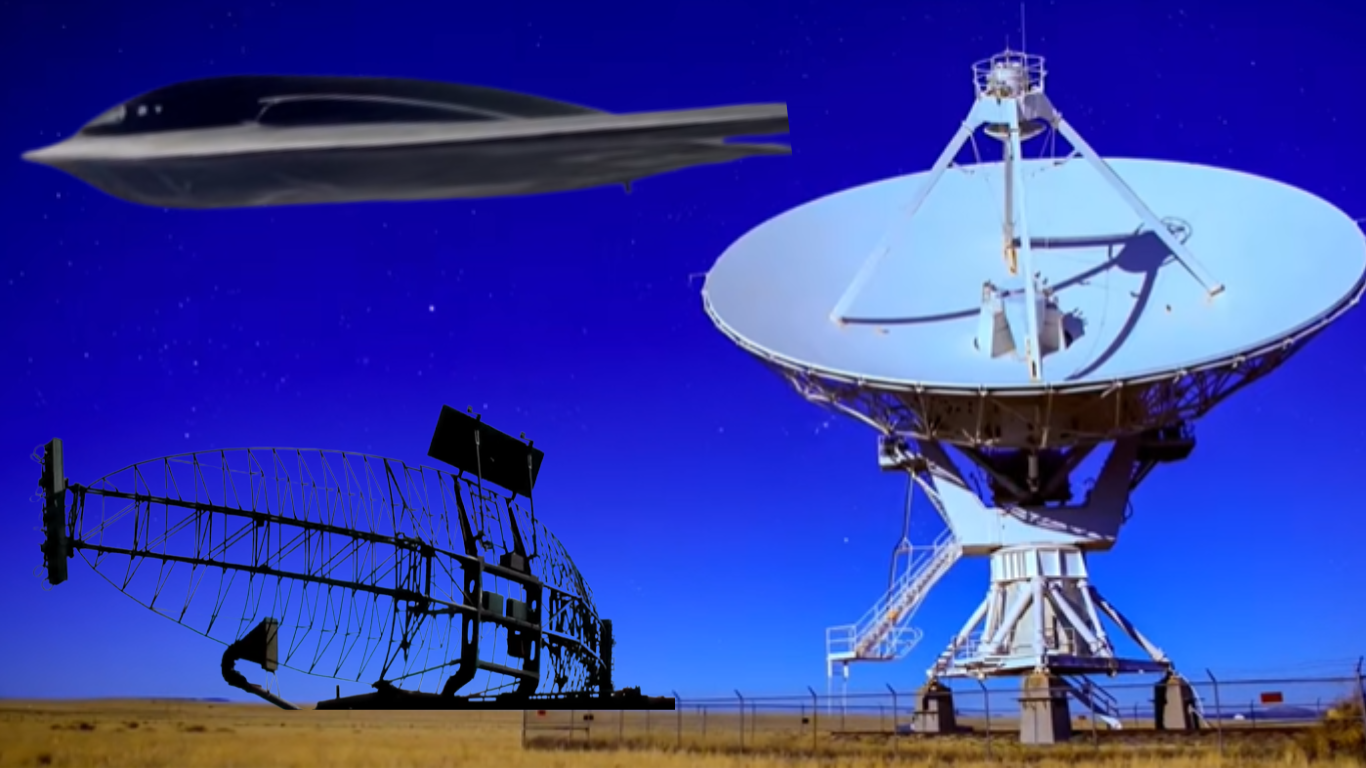
AI in Stealth Technology is changing the way modern aircraft survive in dangerous skies. Instead of depending only on hidden designs, today’s intelligent systems can study threats, make rapid decisions, and adapt throughout a mission, creating a completely new approach to aerial warfare.
Future Warfare AI in Stealth Technology
AI in Stealth Technology is transforming modern military aviation through intelligent radar avoidance, adaptive flight planning, and real time decision making.
Stealth has always been one of the most valuable advantages in military aviation. The ability to enter hostile airspace without being detected can determine whether a mission succeeds or fails. For many years, engineers relied on carefully designed aircraft shapes, radar absorbing materials, and advanced coatings to reduce visibility. Those innovations transformed military aviation, but today’s battlefield has become much more complex. Modern surveillance networks include advanced radar arrays, satellites, electronic sensors, infrared tracking systems, and AI assisted monitoring platforms that continuously search for unusual activity.
This changing environment has created the need for something beyond traditional stealth. Physical design alone cannot respond to new threats appearing every second. This is where AI in Stealth Technology introduces a completely different approach. Instead of remaining passive, aircraft can now become active participants in protecting themselves. Intelligent systems continuously monitor their surroundings, evaluate risks, and recommend or execute safer flight decisions before threats become immediate dangers.
Unlike conventional computer programs that only follow fixed instructions, AI learns from enormous amounts of operational data. Every flight, radar signal, weather condition, and mission outcome provides valuable information that improves future decision making. This constant learning process allows military aircraft to react more effectively than systems built entirely on predefined rules.
As I see it, this represents one of the most important changes in military aviation during the twenty first century. Aircraft are no longer simply designed to avoid detection. They are becoming intelligent platforms capable of understanding their surroundings and adapting almost instantly.
The Evolution of Stealth Aviation
AI in Stealth Technology helps military aircraft reduce detection by analyzing threats, predicting radar activity, and continuously adjusting flight paths for safer and more effective missions.
Stealth technology has never remained static. Every improvement in radar has pushed engineers to develop better methods of remaining hidden. During the early generations of stealth aircraft, designers concentrated primarily on reducing radar reflections by carefully shaping the aircraft and using specialized materials.
The competition between detection systems and stealth technology has continued for decades. Every advancement on one side has encouraged innovation on the other. Artificial intelligence has now accelerated this cycle by allowing aircraft to process information much faster than any human crew could manage alone.
The following timeline highlights several important milestones in the development of stealth aviation.
| Year | Event | Description |
|---|---|---|
| 1970s | Early stealth research | Engineers began developing aircraft designed to reduce radar reflections through specialized shapes. |
| 1980s | Operational stealth aircraft | Stealth aircraft entered military service and demonstrated the value of reduced radar visibility. |
| 1990s | Precision stealth missions | Advanced stealth platforms successfully conducted missions in heavily defended environments. |
| 2000s | Digital battlefield integration | Aircraft increasingly combined stealth with advanced sensors, networking, and electronic warfare capabilities. |
| 2010s | Growth of AI research | Defense organizations invested heavily in AI for navigation, surveillance, and mission planning. |
| 2020s | Intelligent adaptive stealth | AI began supporting real time threat analysis, predictive navigation, and dynamic flight optimization. |
The timeline shows that stealth has always evolved alongside detection technology. Today’s improvements are driven not only by better materials but also by smarter software capable of making thousands of decisions during a single mission.
Why Modern Battlefields Demand Intelligent Systems
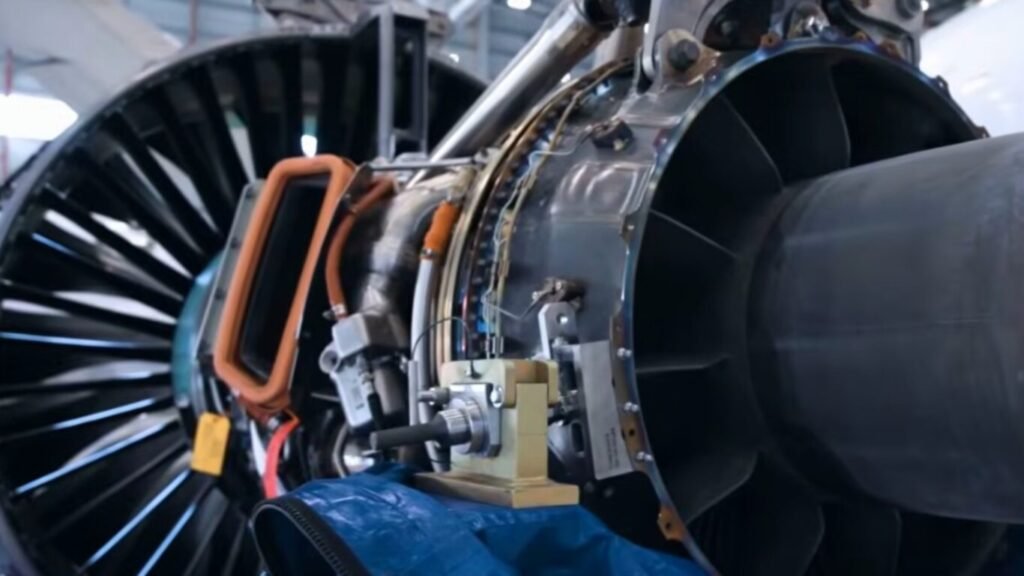
Today’s combat environment is far more connected than ever before. Radar stations share information across long distances. Satellites monitor movements from orbit. Electronic surveillance systems collect enormous amounts of data every second. Information from ground sensors, airborne early warning aircraft, and communication intelligence is combined to create a comprehensive picture of battlefield conditions.
In such an environment, simply reducing radar reflections may no longer provide enough protection. Aircraft must constantly evaluate changing conditions because the safest route only a few minutes earlier may suddenly become dangerous. AI in Stealth Technology provides this continuous awareness by analyzing information as new data becomes available.
Imagine an aircraft approaching a heavily defended region. Several radar stations are operating at different frequencies while electronic warfare units attempt to identify incoming aircraft. Instead of relying on a flight plan created before takeoff, the onboard AI continuously studies radar emissions, weather conditions, terrain features, satellite information, and electronic activity. It identifies the safest direction and recommends immediate adjustments before threats become unavoidable.
This ability to adapt creates a significant operational advantage. Rather than reacting after detection occurs, intelligent systems work to prevent detection altogether. That proactive approach increases survivability while reducing unnecessary risks for both pilots and mission planners.
How Artificial Intelligence Supports Stealth Missions
Artificial intelligence combines several advanced technologies that work together throughout an entire mission. High performance sensors collect enormous volumes of information from multiple sources. Machine learning algorithms compare this information with previous mission data, identifying patterns that human operators might overlook. Real time processors evaluate thousands of possible flight adjustments before selecting the safest option.
Let me explain this in the clearest, simplest terms.
Think of AI as an experienced pilot who has studied millions of previous missions, never becomes tired, never loses concentration, and can examine thousands of possible decisions every second. Instead of waiting until danger appears directly ahead, it constantly predicts what may happen next and prepares safer alternatives before the threat develops.
One of the greatest strengths of these intelligent systems is their ability to combine information from many different sources at the same time. Radar signals, satellite observations, terrain elevation, weather changes, electronic interference, fuel consumption, aircraft performance, and mission objectives are evaluated together rather than individually. This gives commanders a much more complete understanding of the operational environment.
Another important benefit is consistency. Human pilots naturally experience fatigue during long missions, especially under stressful combat conditions. AI does not suffer from exhaustion, allowing continuous analysis throughout the flight. Rather than replacing human expertise, these intelligent systems support pilots by handling extremely complex calculations while allowing human crews to focus on tactical decisions, communication, and mission leadership.
The combination of experienced human judgment and advanced AI creates a partnership that is far stronger than either could achieve independently. As military technology continues advancing, this collaboration is expected to become one of the defining characteristics of future stealth operations.
Dynamic Flight Path Optimization
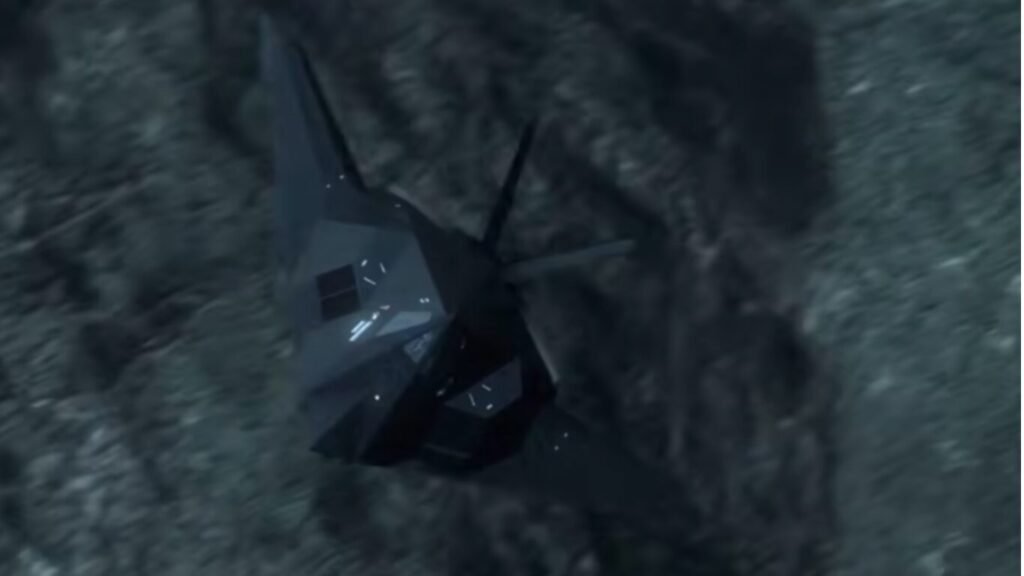
One of the most remarkable capabilities of AI in Stealth Technology is dynamic flight path optimization. Unlike traditional navigation systems that follow routes planned before takeoff, AI continuously studies the surrounding environment and modifies the aircraft’s course whenever necessary.
Every second, onboard computers receive fresh information from multiple sources. Radar emissions, terrain elevation, weather conditions, satellite observations, aircraft performance, and electronic activity are processed together. The AI compares this information with its learned models and determines whether the current flight path remains the safest option.
If the risk of detection increases, the aircraft can alter its altitude, adjust its speed, modify its direction, or choose a completely different route. These changes often happen much faster than a human crew could calculate manually.
This constant adaptation makes missions far less predictable. In military operations, unpredictability is often one of the strongest advantages because it reduces an opponent’s ability to anticipate future movements.
Predictive Intelligence Changes the Battlefield
Traditional defense systems mainly react after detecting a threat. Artificial intelligence introduces a different approach by predicting possible dangers before they fully develop.
Machine learning algorithms examine patterns collected from previous operations together with live battlefield information. Instead of simply identifying an active radar system, AI estimates how that radar may behave during the next several minutes.
For example, an intelligent aircraft may recognize that an enemy radar regularly changes operating frequencies or scanning directions according to specific timing patterns. Rather than waiting until detection occurs, the AI recommends an alternative route that minimizes exposure before the radar completes its next scan.
This predictive capability provides valuable additional time for pilots and mission commanders. Small decisions made several minutes earlier can prevent much larger problems later during the mission.
As I see it, prediction is becoming just as valuable as protection in modern military aviation.
Sensor Fusion Creates Better Situational Awareness
Artificial intelligence performs best when it receives information from many different sources simultaneously. This technique, known as sensor fusion, merges data from different sensors into a single, complete picture.
Instead of relying on one radar warning receiver or a single navigation system, AI combines data collected by multiple onboard and external sensors. Each source contributes another piece of the operational picture.
Information may include radar emissions, infrared observations, satellite positioning, terrain mapping, weather updates, communication signals, aircraft performance measurements, and electronic surveillance data.
When these separate streams are combined, the AI develops a much more complete understanding of the surrounding environment.
This comprehensive picture allows intelligent systems to identify relationships that individual sensors may never detect independently. As a result, aircraft gain stronger situational awareness throughout every stage of the mission.
Machine Learning Improves Every Mission
Artificial intelligence becomes more capable through experience. Conventional software repeats fixed instructions, whereas machine learning systems improve their performance by studying additional data over time.
Every training exercise, simulation, maintenance record, and completed mission contributes valuable knowledge. Engineers review mission data, identify successful strategies, correct weaknesses, and retrain AI models with improved information.
This continuous learning cycle means future missions benefit from lessons learned during previous operations.
For instance, if an aircraft encounters an unfamiliar radar configuration, engineers can study the collected information after the mission. Once the model has been updated, similar aircraft may recognize that radar pattern much more effectively during future deployments.
This ability to improve gradually makes AI one of the fastest evolving technologies in modern defense.
Operational Advantages of AI in Stealth Technology
The practical benefits of intelligent stealth systems extend well beyond remaining hidden from radar.
The first major advantage is improved survivability. Aircraft capable of identifying threats earlier have a greater chance of avoiding dangerous situations before they become critical. This significantly increases mission safety while reducing operational losses.
Another important benefit is faster decision making. Human operators can only evaluate a limited number of variables simultaneously. Artificial intelligence processes thousands of calculations every second without slowing down, allowing decisions to be made almost instantly.
Mission flexibility also improves considerably. Unexpected weather, changing radar activity, or newly discovered enemy positions no longer require abandoning the operation immediately. AI can recommend alternative routes while continuing toward mission objectives.
Operational efficiency represents another significant benefit. Pilots spend less time performing complex calculations and more time concentrating on mission leadership, communication, and tactical awareness.
Over extended periods, these improvements can reduce operational costs. Successful missions, lower aircraft losses, and more efficient maintenance planning contribute to better long term resource management.
Psychological Impact on Modern Warfare
Military technology influences more than physical combat. It also shapes how opponents think, plan, and respond.
When an adversary knows that aircraft possess intelligent systems capable of adapting continuously, uncertainty increases dramatically. Predicting flight paths becomes more difficult because routes are no longer fixed before takeoff.
This uncertainty forces opposing forces to dedicate additional resources to surveillance, air defense, and intelligence gathering. More defensive assets may be required simply because AI makes aircraft behavior harder to predict.
From my perspective, this psychological effect receives less attention than it deserves. Throughout military history, uncertainty has often provided strategic advantages equal to technological superiority.
An opponent who cannot confidently predict future actions is forced into a more defensive posture, reducing operational confidence and increasing planning complexity.
AI Supports Pilots Rather Than Replacing Them
A common misunderstanding is that artificial intelligence completely replaces human pilots. In reality, today’s intelligent systems are designed to assist experienced crews instead of removing them from the decision making process.
AI continuously analyzes large volumes of operational data while presenting recommendations to the pilot. Human operators evaluate these recommendations alongside mission objectives, operational priorities, and command instructions.
This partnership allows each side to contribute its greatest strengths.
Artificial intelligence excels at rapid calculations, continuous monitoring, and identifying hidden patterns within massive datasets. Human pilots contribute judgment, experience, adaptability, and ethical decision making during complex situations.
Together they create a more capable system than either could achieve independently.
This balanced relationship will likely remain central to military aviation as AI capabilities continue advancing.
Cybersecurity Risks Facing Intelligent Stealth Systems
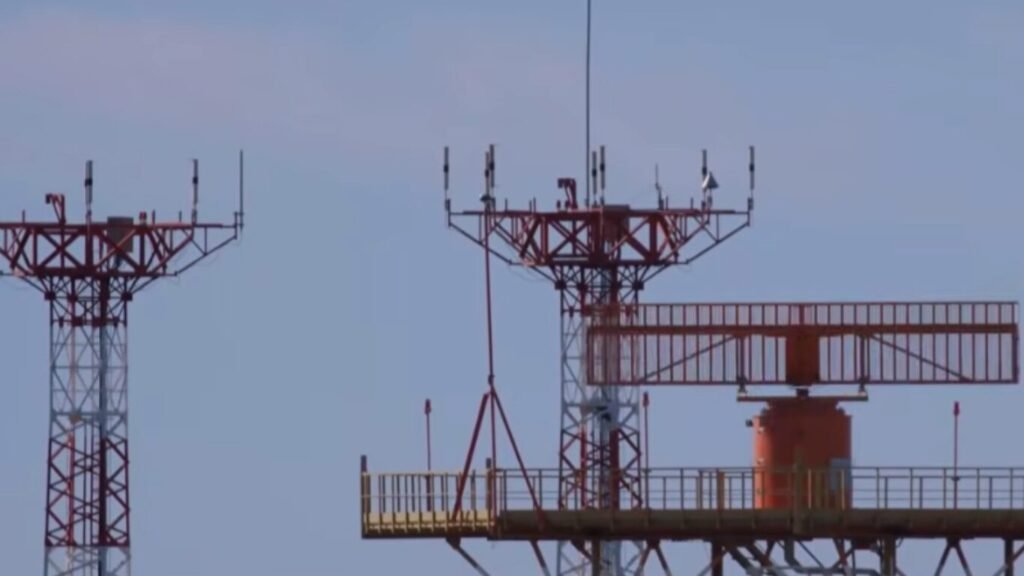
As aircraft become smarter, they also become more connected. While improved connectivity speeds up decision-making, it also increases the risk of cyber threats and other security concerns. Every intelligent platform depends on software, communication networks, sensors, and digital processing. If any of these elements are compromised, the entire mission could be affected.
One of the greatest concerns is cyber intrusion. An attacker may attempt to interfere with onboard software, inject false information into sensors, or disrupt communication between aircraft and command centers. Even a small amount of inaccurate data could influence an AI system’s understanding of the battlefield.
For this reason, military organizations invest heavily in cyber defense alongside AI development. Strong encryption, secure communication channels, multi layer authentication, and continuous software monitoring all help protect intelligent aircraft from digital attacks.
Cybersecurity is no longer an optional feature. It has become a fundamental part of modern defense planning because intelligent systems are only as reliable as the information they receive.
Data Quality Determines AI Performance
Artificial intelligence depends entirely on data. The quality of its decisions reflects the quality of the information available during training and real world operations.
If an AI model learns from incomplete, outdated, or inaccurate information, it may struggle to recognize unusual situations during combat. A radar system behaving differently from previous observations could confuse the model if similar situations were never included during training.
Military developers therefore spend significant time collecting and validating operational data from numerous environments. Information gathered during training exercises, flight testing, simulations, and real missions helps improve the accuracy of future predictions.
This continuous learning process allows AI to become more capable over time. Every successful mission provides additional experience that strengthens future decision making.
In my opinion, collecting reliable data is just as important as designing advanced algorithms. Even the most sophisticated AI cannot compensate for poor quality information.
The Importance of Human Operators Continues to Grow
Despite rapid progress, artificial intelligence is not replacing military professionals. Instead, it serves as an advanced decision support system that improves human performance.
Pilots bring experience, judgment, creativity, and ethical reasoning that machines cannot fully replicate. AI contributes exceptional processing speed, pattern recognition, and continuous monitoring. Together they create a balanced partnership.
During highly dynamic operations, AI may recommend a safer flight path after identifying unexpected radar activity. The pilot, however, still evaluates mission priorities, operational objectives, and command instructions before accepting or modifying the recommendation.
This collaboration combines computational speed with human responsibility.
Future military aviation will likely continue following this human centered approach, ensuring that critical operational decisions remain under appropriate human supervision.
Ethical Questions Surrounding Intelligent Warfare
As artificial intelligence becomes increasingly capable, ethical discussions become more important.
One of the most widely debated questions concerns responsibility. If an autonomous system contributes to an operational decision that produces unintended consequences, determining accountability becomes more complicated than with traditional military systems.
Another concern involves the growing level of automation. Many experts support AI assisting human operators, while others remain cautious about allowing fully autonomous systems to make decisions involving the use of force.
International organizations, policymakers, military leaders, and technology researchers continue discussing these issues. Their objective is to encourage innovation while maintaining clear legal and ethical standards.
Responsible development requires transparency, human oversight, regular testing, and strong governance throughout the entire lifecycle of AI systems.
Technology should always strengthen responsible decision making rather than replace it.
AI and Electronic Warfare
Electronic warfare has become one of the most important elements of modern military operations. Rather than relying only on physical weapons, armed forces also compete by controlling the electromagnetic spectrum.
Artificial intelligence strengthens electronic warfare by processing enormous amounts of signal information almost instantly. It can identify unfamiliar transmissions, recognize interference patterns, and recommend appropriate responses much faster than traditional systems.
For stealth aircraft, this capability provides another important layer of protection. AI can recognize changing radar behavior, detect attempts to track the aircraft, and suggest adjustments before the threat becomes more dangerous.
This rapid analysis helps aircraft remain flexible in highly contested environments where conditions change every few seconds.
Future Developments in Intelligent Stealth
The future of AI in Stealth Technology extends well beyond today’s capabilities.
Researchers continue exploring new methods that allow aircraft to learn during missions, cooperate with autonomous teammates, and coordinate operations across multiple military domains.
Future systems may exchange information directly with satellites, naval forces, unmanned aircraft, and ground based intelligence platforms. Instead of operating independently, every platform could contribute to a shared understanding of the battlefield.
Artificial intelligence may also improve aircraft maintenance by identifying mechanical problems before failures occur. Predictive maintenance could reduce repair costs, improve aircraft availability, and increase operational readiness.
Engineers are also investigating adaptive materials capable of changing certain physical properties under different operational conditions. When combined with intelligent flight management, these technologies may further reduce the likelihood of detection.
The combination of AI, advanced sensors, secure communications, and adaptive engineering is expected to define the next generation of military aviation.
The Global Race for AI Defense Innovation
Around the world, nations recognize that artificial intelligence has become one of the most important areas of defense research.
Governments continue investing in machine learning, autonomous systems, aerospace engineering, advanced sensors, secure communications, and high performance computing. These investments aim to improve national security while maintaining technological competitiveness.
Success, however, will not depend solely on financial resources. Countries that combine scientific research, skilled professionals, responsible governance, cybersecurity, and continuous innovation will be better positioned to develop reliable defense technologies.
The competition extends beyond aircraft alone. It includes satellites, cyber defense, electronic warfare, intelligence gathering, autonomous vehicles, and integrated command systems.
Artificial intelligence is gradually becoming the connecting element that allows these capabilities to work together more efficiently.
AI in Stealth Technology Represents a New Era
The evolution of stealth is no longer driven only by engineering materials or aircraft design. Intelligence has become just as important as physical structure.
Modern aircraft must understand their environment, recognize changing threats, analyze enormous amounts of information, and respond within seconds. Artificial intelligence makes these capabilities possible by transforming data into practical decisions throughout every stage of a mission.
While significant technical and ethical challenges remain, the direction of military innovation is becoming increasingly clear. Intelligent systems will continue supporting pilots, improving operational awareness, strengthening mission planning, and increasing survivability across increasingly complex battlefields.
From my perspective, AI in Stealth Technology represents one of the most influential developments in modern defense because it combines advanced engineering with intelligent decision making in ways that were unimaginable only a generation ago. As research continues, these technologies will shape not only the future of military aviation but also the broader evolution of defense innovation around the world.
Conclusion and Brand Credibility
The future of military aviation is no longer defined only by stronger engines, advanced materials, or improved aircraft design. Intelligence has become just as important as speed, range, and firepower. AI in Stealth Technology is leading this transformation by helping aircraft understand their environment, predict threats, and adapt their actions in real time. What was once considered impossible is gradually becoming part of modern defense operations.
Throughout this article, we explored how artificial intelligence supports stealth missions through dynamic flight path optimization, predictive threat analysis, sensor fusion, and continuous learning. These technologies allow military aircraft to respond to rapidly changing conditions with greater speed and accuracy while reducing the chances of detection. At the same time, we also examined important challenges such as cybersecurity, data reliability, ethical responsibility, and the continuing need for human oversight.
From my perspective, the greatest strength of this technology is not that it replaces people. Its real value comes from helping skilled military professionals make faster, smarter, and more informed decisions in situations where every second matters. The future belongs to defense systems that combine human experience with intelligent automation while maintaining accountability and responsible use.
As artificial intelligence continues to evolve, we can expect even closer cooperation between stealth aircraft, satellites, autonomous platforms, electronic warfare systems, and battlefield intelligence networks. These connected capabilities will create more adaptive and resilient defense operations while presenting new opportunities for innovation across the aerospace industry.
At the same time, every stage of development must be guided by responsibility and careful oversight. Every advancement should be supported by rigorous testing, secure digital infrastructure, transparent governance, and international discussions on the ethical use of intelligent military systems. Technological progress is most valuable when it improves security while respecting human responsibility.
AI in Stealth Technology goes beyond being simply a new military capability.It represents a major shift toward intelligent, adaptive, and data driven military operations that will influence the future of air combat for many years to come.
This comprehensive insight, expert analysis, and original research have been created exclusively for worldstan.com, where complex AI, defense technology, and global innovation are transformed into clear, trustworthy, and reader friendly knowledge for a worldwide audience.