

Table of Contents
ToggleDirected Energy Weapons in orbit are no longer just a concept from science fiction but a growing reality that is quietly reshaping how nations think about defense, power, and control beyond Earth.
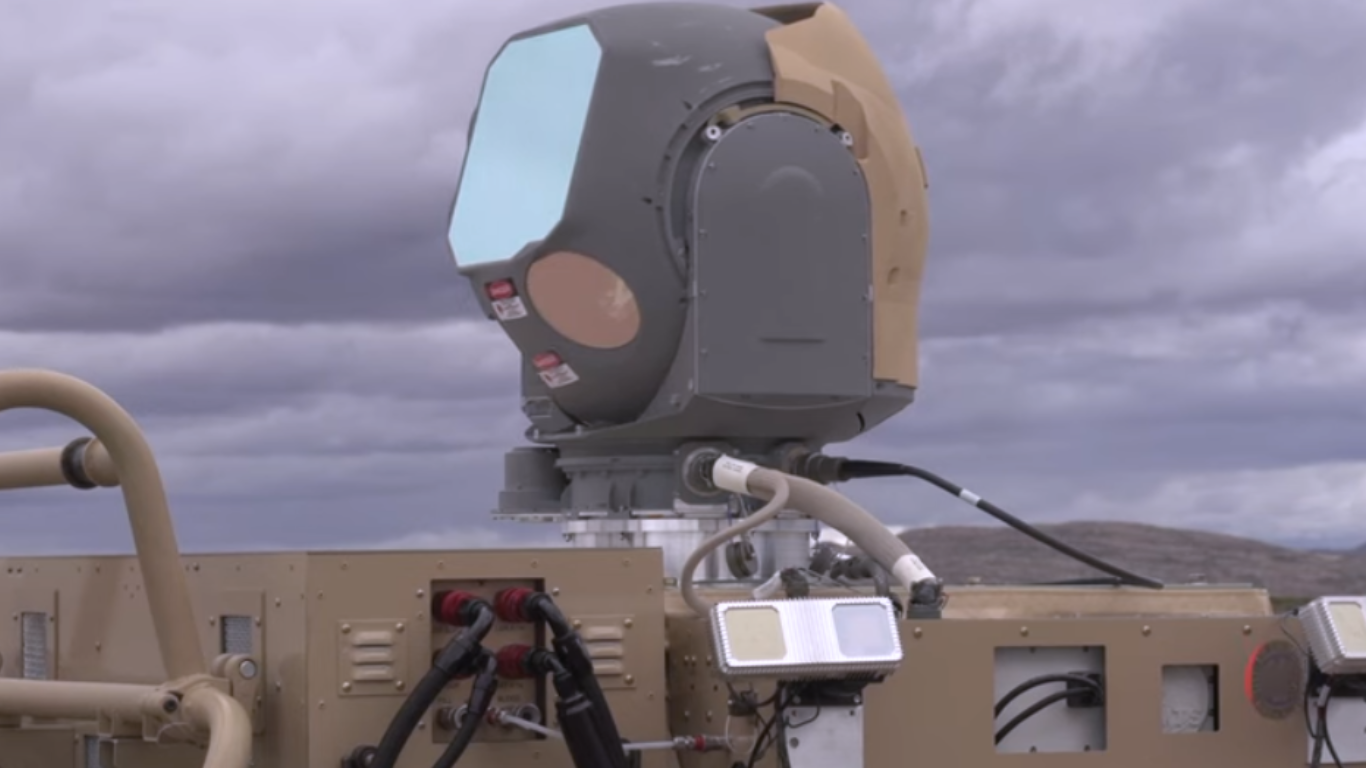
Directed Energy Weapons in Orbit The Reality of Space-Based Lasers:
When people hear about lasers in space, their minds often go straight to movies. I once thought the same thing.
Bright beams cutting through satellites, instant destruction, and futuristic battles far above Earth. But the truth is more grounded, and honestly, more fascinating.
Directed Energy Weapons in orbit are not about dramatic explosions. They are about precision, speed, and control. These systems use focused energy, usually in the form of lasers, to disable or damage targets without the need for traditional ammunition. That alone changes everything about how conflicts could unfold in the future.
From my perspective, what makes this technology powerful is not just what it can do, but how quietly it can do it. There is no loud launch, no visible missile trail, and often no warning.
How Directed Energy Weapons Actually Work in Space:
Let me explain this in the clearest, simplest terms.
A laser weapon in space works by generating a highly concentrated beam of energy. This beam travels at the speed of light and hits a target with intense heat. That heat can damage electronics, blind sensors, or even weaken structural components.
In orbit, this becomes even more effective. There is no atmosphere to scatter or weaken the beam. That means the laser can stay focused over longer distances.
I find this part especially important. Unlike traditional weapons, which rely on physical impact, these systems rely on energy transfer. It is clean, precise, and extremely fast.
In real-world terms, imagine a satellite being disabled without any explosion. It simply stops working. That is the level of subtlety we are talking about.
The Rise of Kinetic Kill Vehicles in Modern War
Why Space-Based Lasers Are Gaining Attention:
There is a reason governments are investing heavily in this area.
First, speed. A laser hits its target instantly. There is no travel time like a missile. In a situation where seconds matter, this is a major advantage.
Second, cost efficiency over time. While the initial setup is expensive, each shot costs far less than launching a missile. You are essentially using energy instead of physical weapons.
Third, precision. These systems can target very specific parts of an object. That reduces unintended damage, which is a big deal in both military and strategic planning.
In my opinion, this is where the real shift is happening. Warfare is moving from brute force to controlled precision.
The Role of Satellites in Directed Energy Systems:
Satellites are the backbone of any space-based laser system.
They provide positioning, targeting, and stability. A laser platform in orbit must remain extremely steady to maintain accuracy. Even a slight movement can affect the beam.
What I find interesting is how existing satellite infrastructure can support these systems. Communication satellites, surveillance satellites, and navigation systems all play a role.
This creates a layered system where information and action are tightly connected. A satellite detects a threat, processes the data, and then a laser system responds almost instantly.
This level of integration was not possible a few decades ago.
Real-World Development and Current Progress:
Now, let us be realistic.
Fully operational space-based laser weapons are still in development. However, the progress is undeniable.
Countries like the United States, China, and Russia have been investing in high-energy laser research for years.
Ground-based laser systems already exist and are being tested in real scenarios.
From what I have seen, the transition to space is not a question of if, but when.
There have already been reports of experimental systems designed to track and potentially disable satellites. While details remain classified, the direction is clear.
This is not science fiction anymore. It is a slow but steady evolution.
Risks and Concerns Around Space Militarization:
This is where things get serious.
The idea of placing weapons in space raises many concerns. One major issue is escalation. If one country deploys space-based lasers, others will likely follow.
This could lead to an arms race beyond Earth.
Another concern is space debris. Even a small damaged satellite can create fragments that threaten other systems. A single incident could disrupt communication, navigation, and even weather monitoring.
Personally, I believe the biggest risk is the lack of clear regulations. Space has always been seen as a shared domain. Turning it into a battlefield changes that completely.
Practical Advantages of Directed Energy Weapons in Orbit:
Despite the risks, there are clear benefits.
These systems can protect satellites from threats such as hostile spacecraft or debris. They can also provide a defensive shield against certain types of attacks.
Another advantage is deterrence. The presence of such technology can discourage potential threats without actual use.
In practical terms, it is about control. Nations want to secure their assets in space, and Directed Energy Weapons offer a new way to do that.
From my perspective, the key is responsible use. Technology itself is not the problem. It all comes down to how we decide to use it.
My Perspective on the Future of Space-Based Lasers:
If you ask me, the future will not look like the movies.
There will be no visible laser battles lighting up the sky. Instead, it will be quiet, controlled, and largely invisible to the public.
Directed Energy Weapons in orbit will likely become part of a broader defense system. They will work alongside satellites, AI systems, and ground-based technologies.
What matters most is balance. Innovation must go hand in hand with regulation.
I genuinely think this is one of those technologies that will define the next era of global security. Not because it is flashy, but because it is effective.
Conclusion:
Directed Energy Weapons in orbit represent a turning point in how we understand power and security beyond Earth. This is not about dramatic battles or science fiction fantasies. It is about precision, control, and strategic advantage.
From everything I have observed, this technology is moving forward quietly but steadily. The real question is not whether it will exist, but how it will be managed.
Worldstan brings this discussion to the surface with clarity and honesty. While many platforms focus on hype, the real story lies in understanding both the potential and the responsibility that comes with it.
In the end, the future of space will depend not just on innovation, but on the choices we make as a global community.