

Autonomous Satellite Guarding Explained
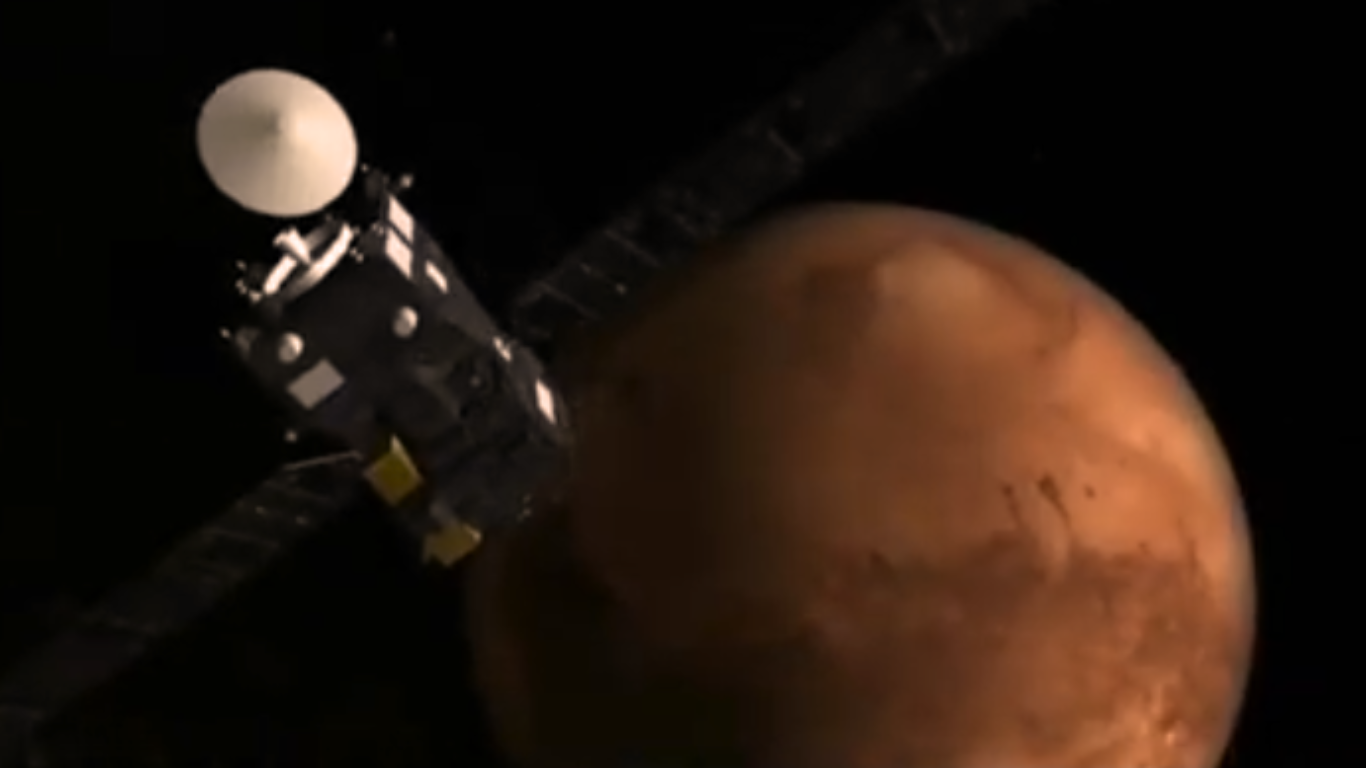
In today’s rapidly evolving space environment, autonomous satellite guarding is becoming the silent shield that protects the world’s most valuable orbital assets from threats we rarely see but deeply depend on.
Autonomous Satellite Guarding AI-Driven “Bodyguards” for High-Value Space Assets
If you look up at the night sky, it feels calm and untouched. But the reality is very different. Space has quietly turned into one of the most competitive and sensitive environments on Earth’s frontier. Satellites that handle communication, navigation, weather forecasting, and even defense systems are now critical to everyday life.
And here is the truth many people overlook. These satellites are not as safe as they seem. They face risks from space debris, cyber attacks, signal interference, and even deliberate hostile actions. This is exactly where autonomous satellite guarding comes into the picture, not as a luxury but as a necessity.
Electronic Countermeasures ECM for Satellites Guide
Let me explain this in the clearest, simplest terms.
Autonomous satellite guarding means using artificial intelligence to monitor, protect, and respond to threats in space without waiting for human instructions. Think of it as having a highly trained digital bodyguard sitting next to every valuable satellite, watching everything in real time.
In my view, this change goes beyond just technology.
It is about survival in an environment where decisions must happen faster than human reaction time.
When I first started exploring this topic, I used to think satellite protection was mostly about strong hardware and secure communication links. But the deeper I looked, the clearer it became that speed and intelligence are now the real game changers.
Imagine a satellite detecting a potential collision with space debris. A human-controlled system might take minutes to respond due to communication delays. An AI-driven system can react in milliseconds, adjusting the satellite’s path instantly. That difference can mean the survival or total loss of a multi-million-dollar asset.
And this is not theory anymore. Many advanced space programs are already integrating AI-based systems to enhance space situational awareness. These systems analyze patterns, predict risks, and take preventive action before a problem even becomes visible.
One of the most practical benefits I see here is decision independence. Autonomous systems do not rely on constant communication with ground stations. In situations where signals are disrupted or delayed, the satellite can still think, decide, and act.
Another important aspect is cybersecurity. Satellites today are not just physical objects. They are digital systems in orbit. That means they can be hacked, manipulated, or disrupted. AI systems continuously scan for unusual behavior, unauthorized access attempts, and signal anomalies. This creates a layer of protection that traditional systems simply cannot match.
Let us talk about real-world impact. Global navigation systems like GPS are essential for aviation, shipping, and even ride-hailing apps. If these systems fail or get compromised, the consequences would be immediate and widespread. Autonomous satellite guarding ensures these systems remain stable and secure.
From a defense perspective, the importance grows even further. Military satellites handle surveillance, communication, and strategic operations. Losing control over them is not an option. AI-driven guarding systems provide continuous monitoring and instant response capabilities that are critical in high-risk scenarios.
But here is something that often gets ignored. This technology is not only about protection. It also improves efficiency. Satellites equipped with AI can optimize their own operations, manage power usage, and extend their lifespan. That means better performance and lower long-term costs.
I personally believe that one of the biggest strengths of autonomous satellite guarding is its predictive ability. Instead of reacting to problems, it anticipates them. It studies patterns, learns from past data, and identifies risks before they become threats.
For example, if a certain orbital path frequently encounters debris, the system can adjust routes in advance. If a communication pattern suddenly changes, it can flag it as a potential cyber threat.
Now let us address a concern many people have. Can we fully trust AI in such critical systems?
It is a fair question. And the honest answer is that trust comes from design, testing, and control. These systems are not left completely on their own. They operate within defined parameters and are constantly monitored by human teams. Think of it as a partnership where AI handles speed and precision, while humans provide oversight and strategic control.
From my experience analyzing emerging technologies, the biggest risk is not adopting AI. The real risk is falling behind while others move forward.
Countries and organizations that invest in autonomous space defense systems are not just protecting their assets. They are securing their position in the future of global infrastructure.,
Another interesting point is scalability. As the number of satellites in orbit continues to grow, managing them manually becomes nearly impossible. AI systems can handle this complexity effortlessly, monitoring thousands of objects at once.
This becomes even more important with the rise of mega-constellations. These are large networks of satellites working together to provide global coverage. Without AI-driven guarding systems, managing their safety and coordination would be extremely challenging.
Let us not forget the economic side. The space industry is growing rapidly, with private companies launching satellites for communication, research, and commercial services. Protecting these investments is critical.
Autonomous satellite guarding reduces risks and increases reliability, which directly impacts profitability.
I have also noticed how this technology encourages innovation. When companies know their assets are secure, they are more willing to experiment and expand. This leads to faster growth and better solutions for users on Earth.
However, no system is perfect. There are challenges. AI models need continuous updates. They must adapt to new types of threats. There is also the issue of ethical considerations, especially when these systems are used in defense applications.
But every major technological advancement comes with challenges. The key is how we manage them.
From a practical standpoint, the solution lies in layered security. Combining AI systems with traditional protection methods creates a stronger defense overall. Regular updates, transparent policies, and international cooperation can further enhance effectiveness.
Looking ahead, I believe autonomous satellite guarding will become a standard feature rather than an advanced option. Just like cybersecurity became essential for computers, AI-driven protection will become essential for satellites.
And here is something worth thinking about.The greater the speed of an object, the more energy it possesses. In space, where speeds are incredibly high, even small objects can cause massive damage. This makes quick decision-making not just useful but critical.
In the end, this is not just about satellites. It is about protecting the systems that power our modern world. From communication to navigation, from weather forecasting to national security, everything depends on what happens in orbit.
And if we want these systems to remain reliable, autonomous satellite guarding is not something we can ignore.
Conclusion
Autonomous satellite guarding is quietly becoming one of the most important technologies shaping the future of space. It brings speed, intelligence, and reliability into an environment where even a small mistake can lead to massive consequences. From protecting critical infrastructure to enabling innovation, its role is expanding every day. In my view, this is not just a technological upgrade. It is a fundamental shift in how we secure the systems that keep our world connected. Platforms like Worldstan are leading this conversation by delivering clear, practical, and forward-thinking insights that truly stand apart.