

AI Digital Twin Battlefield in Modern Warfare
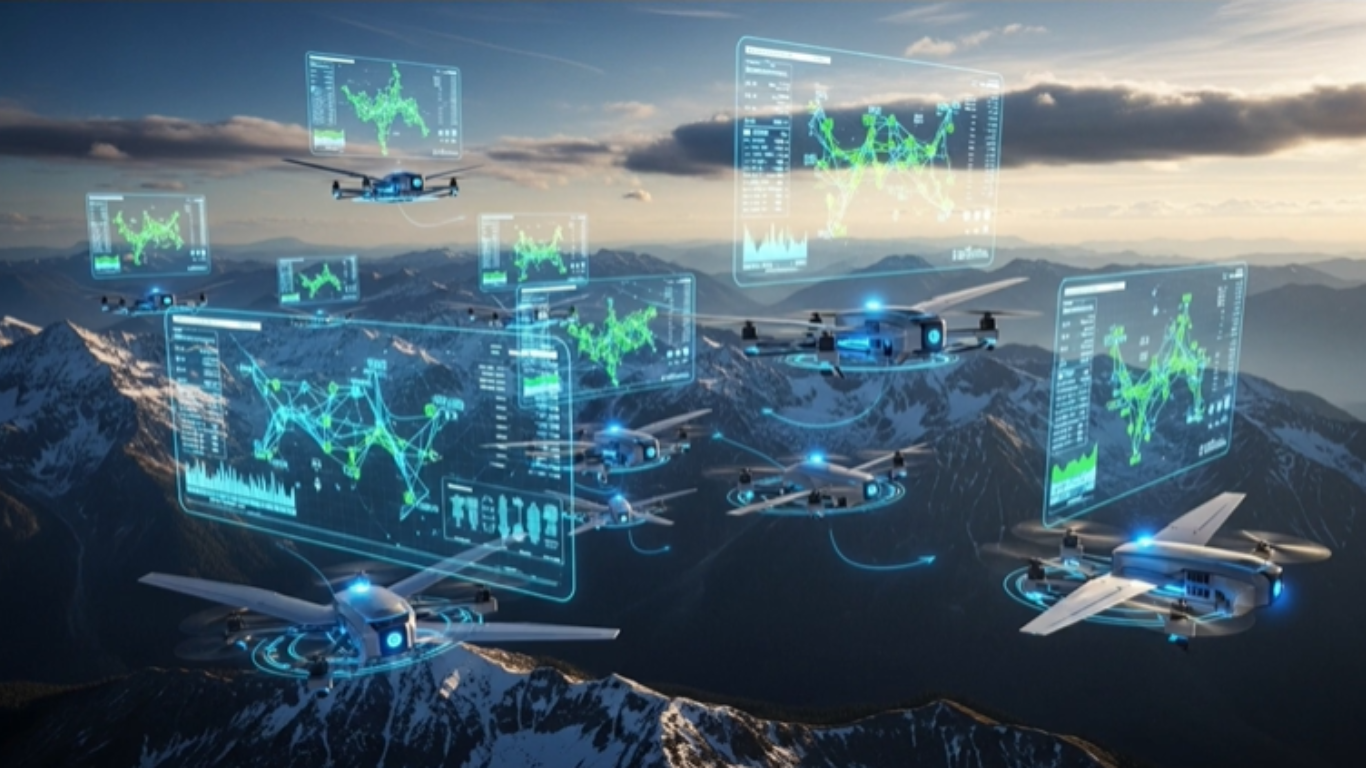
The idea of a Digital Twin Battlefield is simple but powerful: what if you could test every move of a war before it actually happens? In this guide, you’ll learn how real-time AI simulations are reshaping battlefield planning, supporting operational decisions, and helping reduce the risk of conflict.
Digital Twin Battlefield
Digital Twin Battlefield is transforming military planning with AI, real time simulations, and intelligent decision support that helps commanders prepare for complex missions before they begin.
Military planning has always depended on accurate information, careful preparation, and experienced leadership. Every mission involves hundreds of decisions that must be made under pressure, often with limited time and incomplete information. Even the most skilled commanders have traditionally faced uncertainty because no battlefield remains the same for long. Weather changes, terrain shifts, enemy positions move, and unexpected events can quickly affect an operation. Today, modern technology is helping reduce that uncertainty through a remarkable innovation known as the Digital Twin Battlefield.
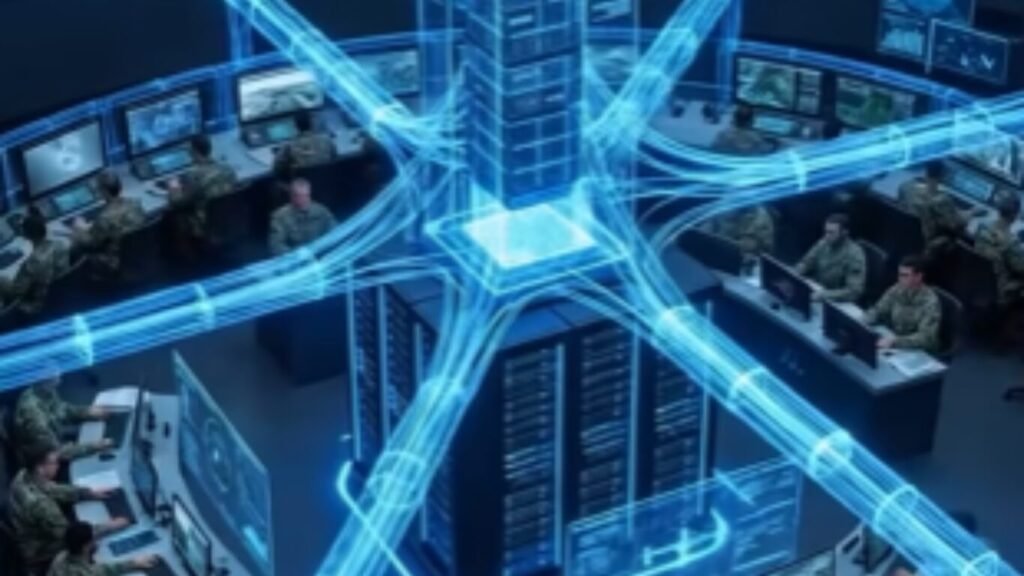
Unlike traditional maps or static computer models, a digital twin creates a living virtual copy of a real battlefield. This virtual environment constantly receives new information from satellites, drones, ground sensors, communication systems, and reconnaissance teams. As conditions change in the real world, the digital version changes as well. This allows military planners to view an accurate representation of the operational area and evaluate different decisions before taking action.
From my perspective, the greatest strength of this technology is not the impressive software or advanced computing power.
The true benefit of this technology is its ability to support better decision-making.
Every military operation carries significant responsibility, and better information often leads to safer, smarter, and more effective planning.
Modern defense organizations are investing heavily in digital technologies because they recognize that future conflicts will depend as much on information as on equipment. Digital twins combine artificial intelligence, advanced analytics, cloud computing, and sensor networks into a single environment where planners can understand complex situations with greater clarity. Rather than reacting after events occur, leaders can prepare for many possible outcomes before an operation begins.
This approach also changes the way military teams train. Instead of learning only from classroom instruction or field exercises, personnel can interact with realistic digital environments that closely resemble actual operational areas. They gain valuable experience without exposing soldiers or equipment to unnecessary risks.
The importance of Digital Twin Battlefield technology also extends beyond combat operations. Humanitarian missions, disaster response, border security, peacekeeping operations, and emergency planning can all benefit from accurate digital environments that support informed decision making. The same technology that helps military organizations prepare for challenging situations can also assist governments and emergency agencies when lives depend on rapid and coordinated action.
The Evolution of Battlefield Planning
Digital Twin Battlefield is an AI powered virtual copy of a real battlefield that allows military teams to simulate missions, test strategies, improve planning, reduce risks, and make better decisions before operations begin.
Military planning has changed dramatically over the past century. Paper maps once represented the highest level of operational planning. Later, aerial photography, satellite imagery, geographic information systems, and digital mapping significantly improved military awareness. Each technological advancement helped commanders gain a better understanding of the environment.
Today, artificial intelligence is taking that progress even further. Instead of simply displaying information, intelligent systems analyze enormous amounts of data in seconds, identify meaningful patterns, and present useful recommendations to human decision makers. This allows commanders to focus more attention on strategic thinking rather than manually processing vast amounts of information.
The journey toward Digital Twin Battlefield technology reflects decades of innovation across multiple scientific fields.
| Year | Event | Description |
|---|---|---|
| 1960s | Satellite Reconnaissance | Military organizations expanded the use of satellite imagery for strategic intelligence. |
| 1980s | Digital Geographic Systems | Computerized mapping improved operational planning and terrain analysis. |
| 1990s | Advanced GPS Integration | Precise navigation became widely available for military operations. |
| 2000s | Network Centric Operations | Connected communication systems enabled faster information sharing across military units. |
| 2010s | Artificial Intelligence Adoption | AI began supporting intelligence analysis, logistics, and operational planning. |
| 2020s | Digital Twin Battlefield Development | Real time digital replicas became practical through AI, cloud computing, drones, and advanced sensors. |
Each step built upon earlier innovations. Today’s digital twin environments are the result of many decades of research rather than a single technological breakthrough.
Why Digital Twins Matter in Modern Defense
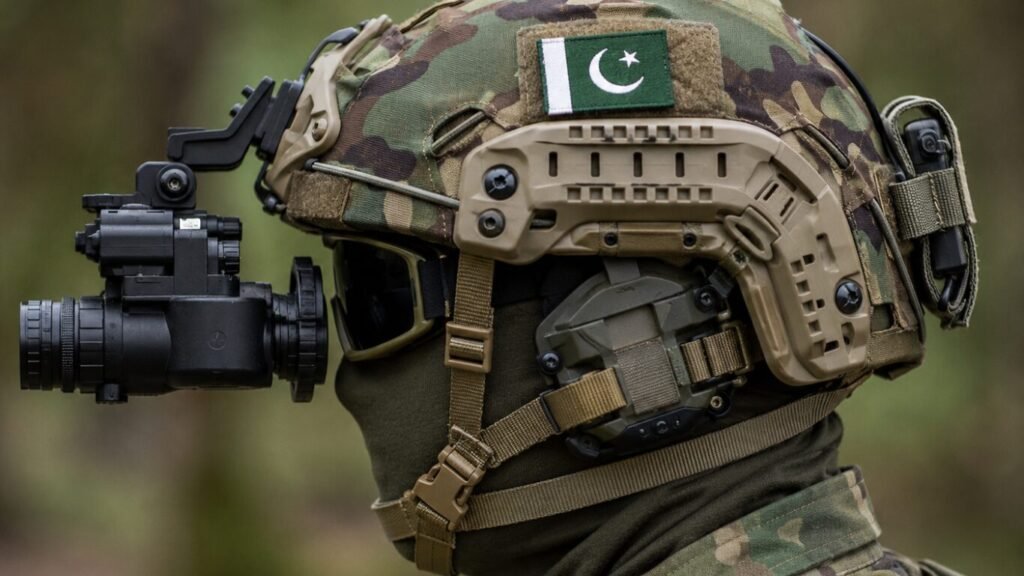
Military operations generate enormous amounts of information every second. Intelligence reports, drone imagery, weather updates, logistics data, communication traffic, and surveillance feeds all contribute valuable insights. Processing this information manually is becoming increasingly difficult because the volume continues to grow.
Digital twin technology solves this challenge by bringing all these information sources together inside one continuously updated virtual environment. Instead of switching between multiple systems, planners can view an integrated operational picture that supports faster understanding.
This technology also encourages collaboration between different military branches. Ground forces, air forces, naval units, intelligence teams, logistics specialists, and cyber defense experts can evaluate the same digital environment while contributing their own expertise. Better coordination often leads to stronger operational planning and improved mission execution.
One important advantage is flexibility. If conditions suddenly change, commanders can immediately explore alternative strategies within the virtual environment before implementing them in reality. This ability to adapt quickly may reduce operational risks and improve overall mission effectiveness.
Dynamic Mapping
Creating a Digital Twin Battlefield begins with collecting accurate information from the physical world. The quality of every simulation depends on how well the real environment has been captured. For this reason, modern military organizations use a combination of advanced sensing technologies rather than relying on a single source of information.
High resolution satellites provide wide area imagery covering large operational regions. Unmanned aerial systems equipped with advanced cameras collect detailed visual information from lower altitudes. Ground sensors continuously monitor movement, environmental conditions, and infrastructure. Radar systems detect objects even when visibility is poor, while communication networks deliver updated information almost instantly.
Among these technologies, LiDAR has become especially valuable. By sending thousands of laser pulses every second and measuring their reflections, LiDAR creates highly accurate three dimensional models of buildings, roads, bridges, forests, mountains, and urban environments. The resulting digital landscape captures details that traditional mapping methods often overlook.
Small features can make a significant difference during military operations. A narrow passage between buildings, damaged infrastructure, hidden observation points, or changes in elevation may influence tactical decisions. Because LiDAR measures physical structures with exceptional precision, these important details become part of the digital environment rather than remaining unknown.
Once this information is collected, artificial intelligence processes the enormous datasets and transforms them into an interactive virtual battlefield. Instead of viewing isolated maps or photographs, planners can explore a detailed environment that closely mirrors reality. They can inspect terrain from different perspectives, analyze possible movement routes, identify natural obstacles, and better understand the surrounding landscape before any personnel enter the operational area.
Let me explain this in the clearest, simplest terms. Imagine preparing for an important journey by walking through the destination virtually before leaving home. You already know where obstacles exist, which roads are blocked, and what conditions you are likely to encounter. A Digital Twin Battlefield provides military planners with that same level of preparation, allowing them to study complex environments in advance and make more informed decisions based on reliable information.
AI Simulation and Scenario Analysis
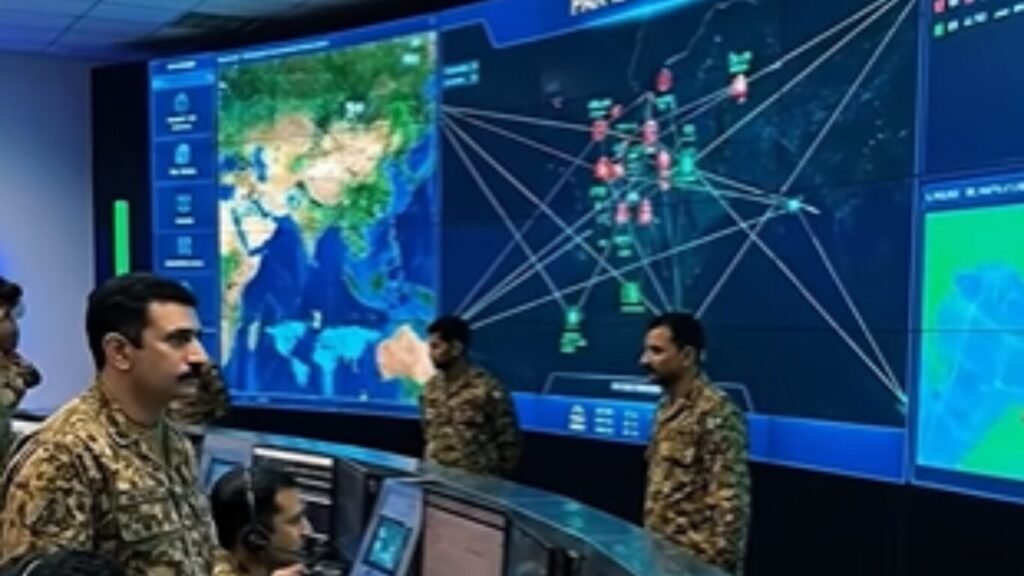
After a battlefield has been recreated as a digital twin, the next stage begins. This is where artificial intelligence turns a detailed virtual environment into an intelligent planning system. Instead of simply displaying the battlefield, AI starts examining countless possibilities that could unfold during an operation.
Traditional planning often depended on experienced officers discussing different options around maps and operational reports. While this approach remains valuable, it is naturally limited by time and human capacity. People can only evaluate a certain number of possibilities before making a decision.
Artificial intelligence expands those possibilities dramatically. It can process enormous volumes of information within seconds and compare thousands of different operational scenarios that would otherwise require weeks of manual analysis. Every possible movement, environmental condition, logistical challenge, and enemy response can be evaluated repeatedly until planners gain a much clearer understanding of potential outcomes.
The purpose of these simulations is not to predict the future with certainty. Instead, they prepare commanders for multiple realistic possibilities. A well-prepared commander is often more capable of adapting when unexpected situations arise because different responses have already been examined inside the digital environment.
I believe this highlights one of AI’s greatest contributions to the evolution of today’s defense capabilities. Rather than replacing experienced military leaders, AI provides them with deeper knowledge that supports better judgment.
Monte Carlo Simulations
One of the most powerful analytical methods used inside Digital Twin Battlefield systems is the Monte Carlo simulation. While the name might seem difficult to understand, the main concept is much easier than it appears.
A Monte Carlo simulation repeatedly tests the same situation while changing important variables each time. Instead of calculating only one possible outcome, the system performs hundreds or even thousands of simulations to identify the most likely results under different conditions.
Imagine a military convoy traveling through unfamiliar terrain. Numerous factors could influence the mission. Weather conditions may change unexpectedly. Road conditions could deteriorate. Communication signals might weaken. Enemy forces may appear from different directions. Equipment failures or transportation delays could also occur.
Rather than assuming a single outcome, AI evaluates all of these possibilities simultaneously. Every simulation produces new information that helps planners understand both opportunities and potential risks.
This process provides commanders with practical answers to questions such as:
- What happens if visibility suddenly decreases?
- How would a delayed supply convoy affect the mission?
- Which route offers the greatest balance between speed and safety?
- How should reserve forces be positioned if conditions change?
- Which operational plan produces the highest probability of success?
By evaluating many different possibilities, commanders receive valuable insights that would be difficult to obtain through manual planning alone.
Human Experience Still Leads Every Decision
Artificial intelligence provides recommendations, but responsibility always remains with human leaders.
Experienced commanders understand factors that computers cannot fully measure, including morale, leadership qualities, cultural awareness, political considerations, and rapidly changing human behavior. These elements continue to play an essential role in military decision making.
AI serves as an advanced analytical assistant rather than an independent decision maker. It highlights patterns, estimates probabilities, identifies hidden risks, and organizes complex information. Human leaders then combine these insights with professional experience, operational objectives, and ethical responsibility before making final decisions.
This balance between technology and human expertise is critical. Overreliance on automation could reduce independent thinking, while ignoring valuable analytical tools would limit the advantages that modern technology can provide.
The strongest results come from combining machine precision with human judgment.
Resource Optimization
Military operations depend on careful resource management. Every mission requires fuel, food, medical supplies, transportation, communications equipment, ammunition, maintenance support, and trained personnel. Using too many resources increases operational costs and creates unnecessary logistical challenges. Using too few can place the mission at risk.
Digital Twin Battlefield technology helps planners find the right balance.
Artificial intelligence continuously studies mission requirements, environmental conditions, expected operational duration, transportation capacity, and intelligence reports. It then recommends how resources should be distributed to support mission objectives efficiently.
For example, if simulations indicate that a particular operation has a low probability of prolonged engagement, commanders may decide to reduce unnecessary ammunition loads while increasing medical or engineering support instead. If weather forecasts predict difficult terrain, additional transportation resources may be assigned before deployment.
These recommendations improve operational efficiency while reducing unnecessary logistical pressure.
Efficient logistics have always influenced military success throughout history. Many campaigns have succeeded not because one force possessed superior equipment, but because supplies reached the right locations at the right time.
Digital twin technology strengthens this advantage by supporting smarter planning before resources are committed.
Smarter Logistics Through Artificial Intelligence
Logistics is often described as the foundation of military operations. Without reliable transportation, maintenance, fuel distribution, and supply coordination, even well-equipped forces struggle to sustain operations.
Artificial intelligence enhances logistics by continuously monitoring supply chains and adjusting recommendations as conditions change.
For example, AI may identify that one transportation route has become unsafe due to flooding or infrastructure damage. The system immediately evaluates alternative routes while estimating travel times, fuel consumption, vehicle availability, and operational risks.
Rather than waiting until problems occur, planners receive early recommendations that allow them to adapt before disruptions become serious.
This proactive approach reduces delays and supports greater operational resilience.
The same principles are increasingly used outside military environments. Emergency management agencies, disaster response organizations, humanitarian relief teams, and major transportation companies also use predictive planning systems to improve logistics under changing conditions.
Predictive Decision Support
Modern military environments produce more information than any individual can fully process. Surveillance systems, communication networks, intelligence databases, weather monitoring stations, satellites, unmanned aircraft, and cyber monitoring platforms all generate continuous streams of valuable data.
Artificial intelligence transforms this information into meaningful decision support.
Instead of overwhelming commanders with raw information, AI identifies relationships between different datasets and presents practical recommendations. Potential risks appear earlier. Emerging opportunities become easier to recognize. Unexpected changes receive immediate attention.
This process enables commanders to spend less time organizing information and more time evaluating strategy.
From my perspective, predictive decision support is one of the defining strengths of Digital Twin Battlefield technology. It allows leaders to focus on thoughtful planning while AI performs the demanding analytical work in the background.
Collaboration Across Multiple Military Domains
Modern military operations rarely involve a single service operating independently. Land forces, naval units, air forces, cyber defense teams, intelligence organizations, and space-based systems increasingly work together during complex missions.
Digital Twin Battlefield technology creates a shared operational environment where each organization can contribute its expertise.
Ground commanders may analyze troop movements while air planners evaluate aircraft support. Intelligence specialists update threat assessments. Logistics teams monitor supply routes. Cyber experts observe network activity. Engineers assess infrastructure conditions.
Because every participant works from the same digital environment, communication becomes clearer and coordination improves significantly.
This shared understanding reduces misunderstandings while strengthening operational planning across multiple domains.
Learning From Every Simulation
Every simulation contributes valuable knowledge, regardless of whether the results appear positive or negative.
If a particular strategy performs poorly inside the virtual environment, commanders gain an opportunity to improve it before real personnel face unnecessary danger.
Likewise, successful simulations help identify best practices that can be applied during future missions.
Over time, Digital Twin Battlefield systems accumulate valuable operational knowledge. Artificial intelligence analyzes previous exercises, identifies recurring patterns, and supports continuous improvement across future planning activities.
In many ways, the system becomes an evolving knowledge platform rather than simply a planning tool.
Each completed simulation strengthens future preparation by providing additional experience without exposing soldiers or civilians to unnecessary risk.
Post Action Review
One of the greatest strengths of a Digital Twin Battlefield appears after an operation has ended. While many people focus on planning and simulations before a mission, the learning process that follows can be just as valuable.
In the past, military teams often depended on written reports, radio recordings, photographs, and personal observations to understand what happened during an operation. These methods provided useful information, but they also had limitations. Human memory can fade over time, reports may contain different interpretations, and important details can sometimes be overlooked.
A digital twin changes this process completely.
Every movement, communication, equipment status, environmental condition, and operational event can be recorded inside the virtual environment. Commanders can replay an operation from different viewpoints, examine critical moments, and understand how individual decisions influenced the overall outcome.
This creates a far more detailed learning experience than traditional reviews.
Instead of asking what happened, military planners can also understand why it happened.
From my perspective, this ability to learn from every operation is one of the most valuable long-term benefits of Digital Twin Battlefield technology. Continuous improvement is often built on careful reflection, and digital twins provide an accurate record that supports that process.
Building Better Future Missions
Every completed mission becomes valuable data for future planning.
Artificial intelligence studies previous operations to identify patterns that may not be immediately obvious to human analysts. It compares successful missions with those that faced difficulties, highlighting the differences between them.
For example, AI may discover that certain terrain conditions consistently slow vehicle movement more than expected. It may identify communication patterns that improve coordination or reveal logistical approaches that reduce delays.
These lessons become part of future planning recommendations.
Rather than repeating previous mistakes, military organizations gradually improve operational procedures through continuous analysis.
This creates a learning cycle where every mission contributes to better preparation for the next one.
Preventing Casualties Through Better Planning
Perhaps the most meaningful objective of Digital Twin Battlefield technology is reducing unnecessary risk to human life.
Every military operation carries uncertainty. Even the best plans cannot remove every danger. However, better preparation can significantly improve safety.
Artificial intelligence helps identify areas where personnel may face increased exposure. By combining terrain analysis, historical information, intelligence reports, surveillance data, and environmental conditions, the system estimates locations where operational risks may become higher.
These areas may include narrow streets, elevated observation points, damaged infrastructure, limited visibility zones, or locations that restrict safe movement.
Once these risks are identified, commanders can evaluate alternative approaches before deploying personnel.
Safer movement routes may be selected.
Additional reconnaissance can be assigned.
Support resources may be repositioned.
Protective equipment requirements can be adjusted.
These decisions help reduce uncertainty before operations begin.
The purpose is not simply improving operational success.
It is protecting the people responsible for carrying out those missions.
Smarter Route Planning
Navigation has always been a critical part of military operations.
Selecting the fastest route is not always the safest decision. Likewise, the shortest path may expose personnel to unnecessary danger.
Digital Twin Battlefield systems evaluate multiple factors simultaneously before recommending movement routes.
These factors include terrain elevation, road conditions, weather forecasts, visibility, communication coverage, infrastructure damage, potential obstacles, transportation capacity, and intelligence updates.
Artificial intelligence continuously updates these recommendations whenever conditions change.
If a bridge becomes unusable, a road is blocked, or severe weather develops, planners immediately receive revised route suggestions without restarting the planning process.
This level of flexibility helps military units respond quickly to changing situations while maintaining operational awareness.
Training Inside Virtual Battlefields
Training has always been one of the foundations of military readiness.
Traditional exercises remain extremely important because they develop physical skills, teamwork, leadership, and practical experience. However, large-scale field exercises require significant resources, time, equipment, transportation, and logistical coordination.
Digital Twin Battlefield technology provides an additional training environment that complements traditional exercises.
Personnel can participate in highly realistic virtual missions that closely resemble actual operational environments.
Instead of training with simplified scenarios, soldiers interact with detailed digital landscapes based on real locations.
Urban environments contain actual streets and buildings.
Mountain regions reflect realistic terrain.
Infrastructure appears exactly where it exists in reality.
Because artificial intelligence controls environmental conditions, instructors can introduce unexpected challenges throughout the exercise.
Communication interruptions.
Changing weather.
Equipment failures.
Civilian movement.
Unexpected intelligence updates.
These situations help personnel develop decision-making skills under realistic conditions while avoiding unnecessary physical risks.
Supporting Humanitarian Operations
Although Digital Twin Battlefield technology is frequently associated with defense, its practical value extends far beyond military operations.
The same technology can support humanitarian organizations responding to earthquakes, floods, wildfires, industrial accidents, and large-scale emergencies.
Emergency responders often face environments that change rapidly.
Roads become blocked.
Buildings collapse.
Communication systems fail.
Population movements become difficult to predict.
Digital twins allow emergency planners to simulate rescue operations before teams enter dangerous areas.
Artificial intelligence estimates travel times, identifies blocked routes, recommends equipment placement, and helps coordinate multiple response organizations.
This improves planning while supporting faster assistance for affected communities.
The technology itself remains neutral.
Its value depends on how people choose to apply it.
Urban Planning and Critical Infrastructure
Many cities around the world are beginning to explore digital twin technology for civilian planning.
Engineers create virtual models of transportation networks, utilities, bridges, hospitals, airports, and public infrastructure.
These digital environments help governments study future development projects before construction begins.
Artificial intelligence evaluates traffic flow, energy consumption, emergency evacuation plans, flood protection systems, and infrastructure maintenance requirements.
By testing different scenarios virtually, planners reduce expensive mistakes and improve long-term decision making.
The same principles that support military planning also help build safer and more resilient communities.
This demonstrates that Digital Twin Battlefield technology belongs to a much broader family of digital twin innovations benefiting many industries.
Cybersecurity Challenges
As Digital Twin Battlefield systems become more sophisticated, protecting them becomes increasingly important.
These platforms depend on continuous data collection, secure communication networks, cloud computing, and artificial intelligence.
Any disruption to these systems could affect planning accuracy.
Cybersecurity therefore becomes a fundamental requirement rather than an optional feature.
Military organizations invest heavily in secure communication, encryption, identity management, continuous monitoring, and network protection to reduce cyber risks.
Artificial intelligence also contributes to cybersecurity by identifying unusual network activity, detecting suspicious behavior, and helping security teams respond more quickly to potential threats.
Strong cybersecurity protects both the digital environment and the confidence decision makers place in the information they receive.
Data Quality Determines Success
Artificial intelligence performs only as well as the information it receives.
Accurate simulations require accurate data.
If sensor readings contain errors, maps become outdated, or intelligence reports are incomplete, simulation quality may decrease.
For this reason, military organizations continuously verify information using multiple independent sources.
Satellite imagery may be compared with drone observations.
Ground reports confirm aerial data.
Environmental sensors validate weather conditions.
Communication networks continuously update operational information.
This process improves confidence in the digital twin while supporting more reliable decision making.
Maintaining high-quality data remains one of the most important responsibilities within any Digital Twin Battlefield program.
Maintaining Human Responsibility
As artificial intelligence becomes more capable, an important principle must always remain clear.
Technology should assist people, not replace them.
Military operations involve legal responsibilities, ethical considerations, strategic judgment, diplomacy, and human values that cannot be fully automated.
Artificial intelligence provides information, recommendations, and analysis.
Human leaders remain responsible for every operational decision.
Maintaining this balance protects accountability while ensuring that advanced technologies continue supporting rather than controlling critical decision making.
In my opinion, the future of Digital Twin Battlefield systems will be strongest when technology and human expertise continue working together instead of competing with one another.
Future of Digital Twin Battlefield
The Digital Twin Battlefield is still evolving, and its future looks far more capable than what we see today. As artificial intelligence, cloud computing, quantum technologies, advanced sensors, and communication networks continue to improve, digital battlefield environments will become faster, more accurate, and more responsive.
Future systems are expected to update almost instantly as new information arrives from satellites, drones, ground vehicles, wearable devices, radar stations, and surveillance platforms. This constant flow of information will allow commanders to understand changing situations with greater speed and confidence.
Artificial intelligence will also become better at recognizing complex patterns. Instead of only reporting what is happening, future systems may explain why certain events are unfolding and recommend practical response options based on previous operational knowledge.
Even with these advances, experienced military professionals will continue making the final decisions. Technology can provide outstanding analysis, but leadership, responsibility, ethics, and strategic thinking remain human strengths.
Integration With Autonomous Systems
Autonomous technologies are becoming increasingly important in modern defense operations. Ground robots, unmanned aerial vehicles, autonomous maritime platforms, and intelligent reconnaissance systems already perform many tasks that reduce risk to personnel.
Digital Twin Battlefield technology provides a central environment where these autonomous systems can work together more effectively.
For example, an unmanned aerial vehicle may identify changes in terrain while a ground robot inspects damaged infrastructure. Both systems immediately send updated information into the digital twin, allowing commanders to see a more complete operational picture.
Artificial intelligence processes this incoming information continuously, helping planners understand changing conditions without waiting for lengthy manual reports.
This coordination improves situational awareness while allowing human operators to supervise multiple autonomous systems from a unified command environment.
Faster Decision Cycles
Military operations often require important decisions within minutes or even seconds.
Traditional planning methods sometimes struggle to keep pace with rapidly changing situations because information arrives from many different sources.
Digital Twin Battlefield systems shorten this decision cycle.
Artificial intelligence automatically combines information from sensors, intelligence reports, logistics systems, weather services, and surveillance platforms into one continuously updated operational picture.
Instead of manually collecting information from separate systems, commanders receive organized insights that support faster evaluation.
This does not mean decisions become rushed.
Rather, leaders spend less time searching for information and more time carefully considering available options.
Better information supports better decisions.
AI and Human Expertise Working Together
One common misunderstanding is that artificial intelligence replaces experienced professionals.
The reality is that powerful Digital Twin Battlefield systems depend on a strong partnership between human decision-makers and intelligent technologies.
Artificial intelligence performs tasks that computers handle exceptionally well.
It analyzes enormous datasets.
It identifies hidden relationships.
It performs repetitive calculations.
It compares thousands of scenarios.
Human experts contribute qualities that remain difficult for machines to reproduce.
Professional judgment.
Leadership.
Ethical reasoning.
Strategic thinking.
Experience gained through years of service.
Understanding human behavior.
The future belongs to organizations that successfully combine these complementary strengths.
From my perspective, this partnership represents the real value of artificial intelligence. Rather than replacing people, it helps extend and improve what humans can achieve.
Best Practices for Successful Implementation
Organizations interested in Digital Twin Battlefield technology should approach implementation carefully.
Success depends on more than purchasing advanced software.
Several principles contribute to long-term effectiveness.
- Maintain accurate and continuously updated data.
- Protect information through strong cybersecurity practices.
- Train personnel regularly using realistic simulation exercises.
- Keep experienced human leaders involved in every important decision.
- Review completed operations to improve future planning.
- Test systems frequently under different operational conditions.
- Encourage collaboration across multiple military and technical disciplines.
These practices help organizations gain reliable results while maintaining confidence in digital planning systems.
Benefits Beyond Military Operations
Although defense applications receive much attention, digital twin technology continues expanding into many civilian industries.
Healthcare organizations use digital models to improve patient care and hospital planning.
Manufacturing companies optimize production facilities before making expensive operational changes.
Transportation agencies improve traffic management through realistic simulation.
Energy providers monitor critical infrastructure more efficiently.
Urban planners design safer and more sustainable cities.
Emergency management organizations prepare for natural disasters by testing evacuation strategies before emergencies occur.
These examples demonstrate that Digital Twin Battlefield technology is part of a broader movement toward intelligent digital decision support across society.
The same principles that improve military planning can also improve public safety, infrastructure management, and emergency response.
Responsible Innovation
Every major technological advancement brings new opportunities together with new responsibilities.
Artificial intelligence should always support responsible decision making, transparency, accountability, and respect for international laws governing military operations.
Developers, researchers, policymakers, and defense organizations all share responsibility for ensuring these technologies are used carefully and ethically.
Building public trust requires continuous testing, independent oversight, strong cybersecurity, and responsible governance.
Technology alone cannot guarantee positive outcomes.
People determine how technology is applied.
That principle remains just as important today as it will be in the future.
CONCLUSION AND BRAND CREDIBILITY
Digital Twin Battlefield represents far more than an advanced military simulation. It introduces a smarter way to understand complex situations before important decisions are made. By combining artificial intelligence, real time data, detailed virtual environments, and human expertise, this technology helps planners prepare with greater confidence while reducing uncertainty and improving operational awareness.
As digital twins continue to evolve, their influence will extend well beyond defense. Disaster response, emergency management, transportation, infrastructure planning, healthcare, and many other industries are already benefiting from similar technologies that support informed decision making. The ability to test ideas before taking action can reduce costs, improve safety, and help organizations respond more effectively to rapidly changing conditions.
The future of Digital Twin Battlefield will depend not only on technological progress but also on responsible leadership. Artificial intelligence should remain a trusted partner that strengthens human judgment rather than replacing it. When innovation is guided by ethics, transparency, and practical experience, it becomes a powerful tool for solving complex challenges while protecting lives.
This comprehensive insight into Digital Twin Battlefield has been carefully researched and written exclusively for worldstan.com, where we are committed to delivering original, trustworthy, and easy-to-understand content that helps readers explore the technologies shaping tomorrow’s world.