

AI Powered Biometric IFF Explained Simply
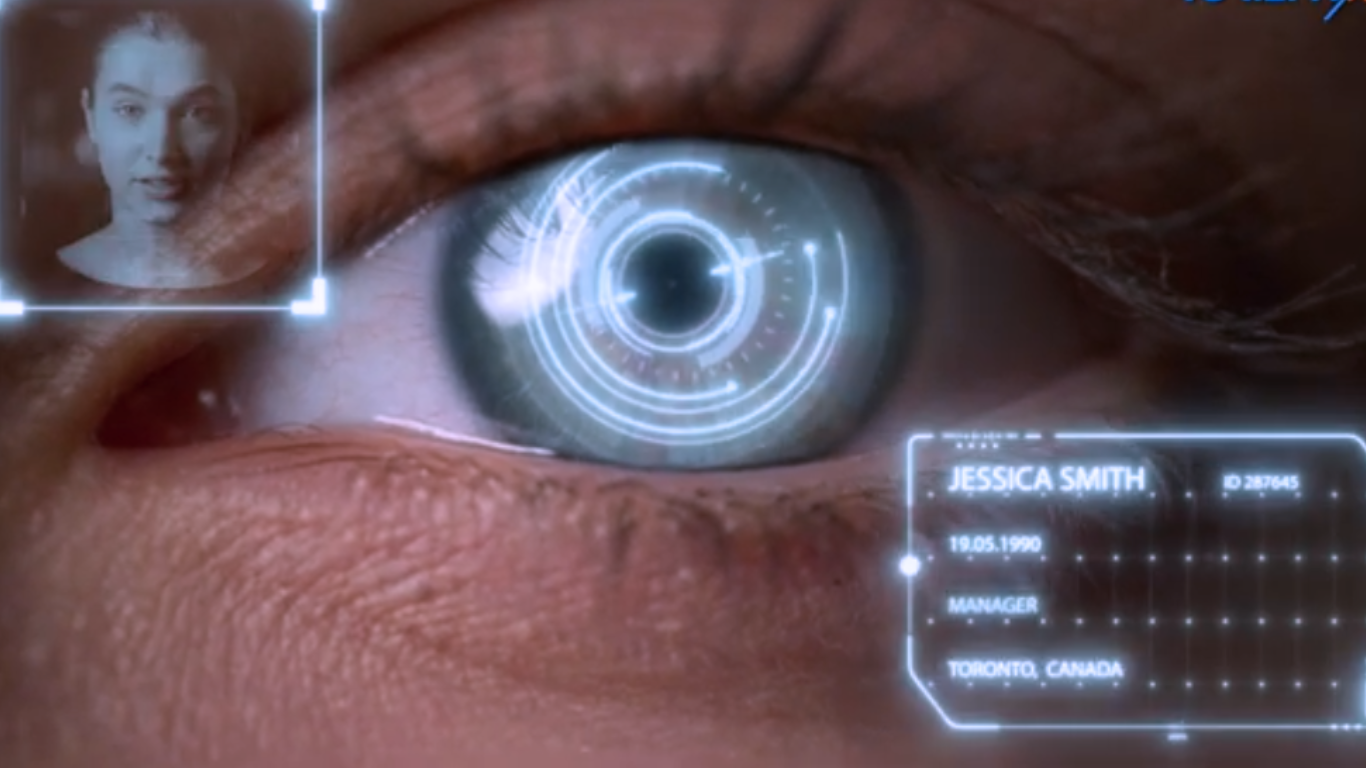
Biometric IFF is changing how soldiers identify friend and foe in the most difficult combat environments. As warfare becomes faster and more complex, accurate identification can save lives within seconds. This guide explains how AI helps make smarter battlefield decisions while reducing tragic mistakes.
Understanding Biometric IFF
Biometric IFF is transforming modern warfare by helping AI identify friendly forces, reduce battlefield mistakes, and improve combat decisions with advanced biometric recognition.
Modern warfare is changing faster than ever before. Military forces no longer rely only on powerful weapons or advanced vehicles to gain an advantage. Today, information, speed, and accurate identification have become equally important. One wrong decision on the battlefield can have life changing consequences for soldiers, civilians, and entire military operations. This is why Biometric IFF has become one of the most discussed technologies in modern defense research.
Identification Friend or Foe, commonly known as IFF, has existed for decades. Traditional systems were originally designed to help aircraft, ships, and military units recognize friendly forces by exchanging electronic signals. Although these systems have served armed forces well, they were never designed to deal with the complexity of today’s urban combat, electronic warfare, and rapidly changing battlefields.
Biometric IFF introduces a completely different approach. Instead of depending mainly on radios, electronic transponders, or visible markings, it focuses on identifying the individual. AI analyzes physical and behavioral characteristics that are naturally connected to a person. These characteristics are significantly more difficult to copy or manipulate than external identification signals.
From my perspective, this represents one of the most meaningful improvements in battlefield safety. The goal is no longer only to find an enemy. The equally important objective is making sure friendly personnel are never mistaken for a threat.
Why Modern Battlefields Demand Better Identification
Biometric IFF is an AI powered identification system that recognizes friendly and hostile individuals using biometric traits such as facial features, gait, and thermal signatures to reduce friendly fire and improve battlefield safety.
Combat environments have changed dramatically during the past several decades. Earlier conflicts often involved large military formations operating in clearly defined areas. Modern conflicts rarely look like that.
Military operations now take place inside crowded cities, underground tunnels, industrial zones, forests, mountains, and densely populated neighborhoods. Friendly forces, civilians, emergency responders, and hostile fighters may all occupy the same location at the same time.
This creates enormous pressure on military personnel. Soldiers frequently have only a few seconds to decide whether someone approaching them represents danger or safety. Weather conditions, damaged equipment, darkness, smoke, loud explosions, and constant movement make these decisions even harder.
Traditional identification methods struggle under these conditions because they depend on equipment that may fail or become unavailable during combat. Communication interruptions, damaged antennas, signal interference, and electronic attacks can all reduce their effectiveness.
Biometric IFF addresses these problems by identifying people through characteristics that remain with them regardless of what they wear or what equipment they carry. AI processes multiple forms of biometric information simultaneously, producing a much higher level of confidence before an engagement occurs.
In my opinion, this shift reflects a broader change in military thinking. Success is no longer measured only by defeating an opponent. It is also measured by protecting friendly personnel and reducing unnecessary casualties.
The Evolution of Friend or Foe Identification
The concept of identifying friendly forces is not new. Military organizations have always searched for better ways to avoid accidental attacks against their own personnel.
As technology evolved, identification methods became increasingly sophisticated. Radio communication, encrypted transponders, digital battlefield networks, and secure communication systems improved coordination among military units. Even with these advances, each generation introduced new weaknesses that opponents eventually learned to exploit.
The following timeline illustrates how battlefield identification has progressed over time.
| Year | Event | Description |
|---|---|---|
| 1939 | Early IFF Development | Military aircraft began using basic electronic identification systems during the early stages of World War II. |
| 1945 | Improved Radar Identification | Radar based friend or foe recognition became more reliable for air operations. |
| 1970s | Digital IFF Systems | Digital communication improved identification accuracy across military platforms. |
| 1990s | Network Centric Warfare | Military forces integrated battlefield communication into connected operational networks. |
| 2010s | AI Assisted Recognition | Artificial intelligence started supporting surveillance, object recognition, and battlefield analysis. |
| 2020s | Biometric IFF Research | AI combined biometric recognition, thermal imaging, gait analysis, and facial recognition to improve identification accuracy in complex combat environments. |
This progression demonstrates that identification technology has always evolved alongside warfare itself. Each new generation attempted to solve the limitations of the previous one.
Biometric IFF continues this evolution by shifting attention from identifying equipment to identifying the individual operating it.

Why Traditional IFF Faces Serious Challenges
Traditional IFF systems remain valuable, particularly in aircraft and naval operations. However, modern ground combat presents challenges that these systems were not originally designed to overcome.
Cities have become some of the most difficult environments for military operations. Concrete buildings interfere with radio transmissions. Narrow streets create blind spots. Smoke from explosions reduces visibility. Dust clouds limit optical sensors. Communication equipment can become damaged or overloaded during intense combat.
Another major concern is deception.
Hostile groups continuously search for ways to imitate friendly signals, steal equipment, or manipulate electronic communication. Even when security measures are strong, uncertainty may still exist during fast moving engagements.
Human stress adds another layer of difficulty. Fatigue, fear, limited visibility, and time pressure can all influence judgment. Even highly trained professionals can struggle when every second matters.
Biometric IFF reduces dependence on external equipment by examining characteristics that belong naturally to each individual. Rather than asking what equipment someone is carrying, the system asks whether the person’s biological and behavioral profile matches trusted military records.
That difference may appear simple, but it fundamentally changes how battlefield identification works.
How AI Makes Biometric IFF Possible
Artificial intelligence serves as the brain behind modern Biometric IFF systems. Collecting biometric information alone is not enough. The real challenge lies in processing enormous amounts of information within fractions of a second.
An AI system continuously receives data from multiple sensors placed on vehicles, drones, wearable equipment, observation systems, and battlefield cameras. These sensors collect information such as facial characteristics, walking style, body movement, thermal patterns, body proportions, and surrounding environmental conditions.
Instead of examining only one characteristic, AI combines all available evidence into a unified assessment. This process is known as multi modal biometric analysis.
For example, facial recognition alone may only provide moderate confidence if the person’s helmet covers most of the face. However, when gait recognition, thermal imaging, body proportions, and movement behavior are analyzed together, the confidence level increases significantly.
Let me explain this in the clearest, simplest terms.
Imagine recognizing a close friend from a distance. You may not clearly see their face, but you recognize how they walk, how they stand, how they move their arms, and even their general body shape. Your brain naturally combines all these clues before reaching a conclusion.
Biometric IFF works in much the same way, except AI performs the analysis much faster and with access to far more information than a human observer can process.
The result is a smarter identification system that supports soldiers during moments when uncertainty is at its highest.
Gait Recognition and Behavioral Biometrics
One of the most fascinating parts of Biometric IFF is its ability to recognize people by the way they move. Every individual has a unique walking style that develops naturally over time. Even when wearing protective equipment or carrying heavy gear, small movement patterns remain surprisingly consistent.
This technology is known as gait recognition.
Unlike facial recognition, gait analysis does not require a perfect view of a person’s face. A camera positioned at a distance can often collect enough movement data to allow AI to compare it with stored biometric profiles.
Researchers have found that walking patterns are influenced by body structure, balance, muscle movement, stride length, joint motion, and posture. Together, these characteristics create a movement signature that is difficult to imitate accurately.
In a battlefield environment, this offers an important advantage. Soldiers often wear helmets, protective masks, night vision devices, or camouflage that hide their appearance. Clothing may become covered in dirt, smoke, or mud after only a short time in combat. These conditions reduce the effectiveness of visual identification but have much less impact on movement analysis.
From my perspective, gait recognition demonstrates how AI can use information that humans often overlook. A trained soldier may recognize a teammate by their walk after years of serving together. AI performs a similar task but with greater consistency and across much larger databases.
As machine learning models continue to improve, gait recognition is expected to become one of the strongest supporting technologies within Biometric IFF systems.
Thermal Signature Recognition
Every human body produces heat. Although people generally maintain a similar body temperature, the way heat spreads across the body can vary because of physical condition, clothing, equipment, activity level, and surrounding weather.
Thermal imaging sensors capture this invisible heat and convert it into detailed visual data.
Biometric IFF uses AI to study these thermal patterns alongside other biometric information. Instead of relying on ordinary cameras alone, the system examines how a person radiates heat while moving through different environments.
This capability becomes especially valuable during nighttime operations, poor weather, smoke filled streets, or areas with limited visibility.
For example, imagine a rescue operation taking place after sunset. Visibility may be extremely poor, making ordinary cameras almost useless. Thermal sensors can still detect human presence, while AI analyzes movement, body shape, and heat distribution to support identification.
Another advantage is that thermal imaging remains useful even when camouflage makes visual recognition difficult. Although special equipment may reduce thermal visibility, completely hiding natural body heat remains extremely challenging.
In my opinion, thermal recognition should never work alone. Its greatest strength comes from being combined with facial analysis, gait recognition, and behavioral monitoring. Together, these technologies provide a much stronger identification process than any single method could achieve independently.
Facial Recognition in High Pressure Combat
Facial recognition is one of the best known applications of AI, but battlefield conditions present challenges that are very different from those found in civilian environments.
Most commercial facial recognition systems operate in controlled conditions where cameras capture clear, well lit images. Modern combat rarely offers such advantages.
Soldiers move quickly through changing terrain. Protective equipment covers much of the face. Shadows, smoke, dust, rain, and explosions constantly interfere with image quality.
Despite these obstacles, AI has made remarkable progress.
Instead of requiring a complete facial image, advanced recognition systems can analyze partial facial features. Visible areas around the eyes, forehead, nose, or jawline may provide enough information for AI to estimate identity when combined with additional biometric evidence.
Another important improvement involves continuous observation. Rather than making a decision from one image, AI evaluates multiple frames collected over several seconds. This allows the system to improve confidence as additional visual information becomes available.
From my perspective, facial recognition remains an important part of Biometric IFF, but it should never be viewed as the only solution. The strongest identification systems combine several biometric methods rather than depending on one technology.
This layered strategy makes battlefield decisions significantly more reliable.
Multi Layer AI Decision Making
One of the greatest strengths of Biometric IFF is that it does not rely on a single source of information. Instead, AI brings together many different observations before reaching a conclusion.
This process is often called data fusion.
Imagine that a surveillance drone observes an individual moving through an urban street. Multiple sensors begin collecting information at the same time.
The cameras examine visible facial features.
Thermal sensors evaluate body heat.
Motion analysis studies walking patterns.
Behavioral algorithms monitor posture and movement.
Location systems compare the individual’s position with known friendly unit locations.
Communication networks verify operational information received from nearby forces.
Instead of producing several separate reports, AI combines everything into one confidence assessment.
If the available evidence strongly indicates that the individual belongs to a friendly unit, the system alerts soldiers accordingly. If uncertainty remains, AI can recommend additional observation before action is taken.
This layered approach significantly reduces the likelihood of mistakes caused by incomplete information.
Another important benefit is adaptability.
If one sensor becomes unavailable because of weather, equipment damage, or electronic interference, the remaining sensors continue contributing information. The system does not immediately fail simply because one source becomes unreliable.
This flexibility is one of the reasons many defense experts consider multi sensor AI to be the future of battlefield identification.
Preventing Friendly Fire Through Smart Decision Support
Few military tragedies are more painful than friendly fire incidents. These events occur when military personnel unintentionally engage their own forces because of confusion, poor visibility, communication failures, or mistaken identification.
Throughout history, friendly fire has affected nearly every major conflict.
Modern technology aims to reduce these incidents rather than simply responding after they occur.
Biometric IFF introduces an additional layer of protection by helping soldiers verify targets before weapons are fired.
Consider a situation where visibility is extremely limited. A soldier detects movement ahead but cannot immediately determine whether the approaching person is a teammate or an enemy.
Instead of relying entirely on visual judgment, the soldier receives assistance from AI.
The system rapidly compares biometric information with trusted military databases.
If confidence is high that the individual is friendly, the system may provide a warning, display a visual alert, or temporarily delay engagement until further confirmation becomes available.
Importantly, these systems are designed to support human decision making rather than replace it.
The final responsibility remains with trained military personnel.
I believe this partnership between human judgment and AI creates the strongest balance.
Although soldiers make the final decisions, technology supports them by reducing errors that can result from pressure or incomplete situational awareness.
Smart Weapons and Integrated Identification
As defense technology advances, weapon systems themselves are becoming increasingly intelligent.
Future military platforms are designed to exchange information seamlessly with battlefield awareness systems. This creates opportunities for Biometric IFF to become part of the engagement process rather than functioning only as an observation tool.
For example, an advanced weapon platform could receive identification updates before a target is engaged. If AI determines that available evidence strongly indicates a friendly individual, the system could notify the operator immediately.
Depending on operational rules and military policy, this notification could appear as a visual warning, an audible alert, or a temporary engagement delay requiring additional confirmation.
It is important to understand that these concepts remain subject to strict operational requirements and human oversight. Military organizations recognize that technology should improve safety without removing accountability from trained personnel.
From my point of view, this represents responsible innovation. The objective is not to allow AI to make battlefield decisions independently. The objective is to provide soldiers with better information before they make those decisions themselves.
Real World Applications Beyond Combat
Although Biometric IFF is closely associated with military operations, many of the technologies behind it have valuable civilian applications.
Emergency response teams often work in dangerous environments where visibility is poor and communication becomes difficult. AI supported biometric identification could help first responders coordinate rescue efforts more effectively.
Border security agencies may use biometric recognition to improve identity verification while reducing manual processing time.
Critical infrastructure facilities can strengthen access control by combining multiple biometric methods instead of relying on passwords or identification cards alone.
Search and rescue operations may also benefit from AI systems capable of recognizing missing individuals through movement patterns and thermal imaging in forests, mountains, or disaster zones.
These broader applications demonstrate that research conducted for defense purposes often contributes to public safety in unexpected ways.
When developed responsibly, innovations originally created for military environments frequently find practical uses that improve everyday security and emergency response.
Electronic Warfare and Cybersecurity Challenges
No military technology can be considered complete without addressing cybersecurity. As battlefield systems become more connected, they also become more attractive targets for cyber attacks and electronic warfare.
Biometric IFF depends on secure communication between sensors, AI processors, military databases, and battlefield networks. If any part of this chain is disrupted, the reliability of identification may be affected.
Electronic warfare introduces several obstacles. Radio jamming can interrupt communications, while signal interference may reduce the quality of data transmitted between military units. Opposing forces may also attempt to deceive sensors by creating false electronic signatures or disrupting surveillance systems.
Cybersecurity presents another layer of concern. Modern military networks process enormous amounts of sensitive information, including biometric records and operational intelligence. Protecting this information requires strong encryption, secure authentication, continuous monitoring, and rapid threat detection.
AI also plays an important defensive role. Machine learning systems can monitor network activity in real time, detect unusual behavior, and identify possible cyber intrusions before they cause significant damage. Instead of replacing cybersecurity professionals, AI acts as an intelligent assistant that helps security teams respond faster.
From my perspective, Biometric IFF will only succeed if cybersecurity evolves alongside it. Accurate identification is valuable, but protecting the integrity of that information is equally important.
Accuracy and Reliability in Extreme Conditions
Every technology has limitations, and Biometric IFF is no exception. Understanding these limitations is essential for realistic expectations and responsible deployment.
Battlefields expose equipment to conditions that are rarely found in controlled testing environments. Heavy rain, snow, sandstorms, dense smoke, intense heat, and freezing temperatures can all affect sensor performance.
Rapid movement creates another challenge. Soldiers may run, crawl, climb obstacles, or take cover behind damaged structures. Cameras may capture only brief or partially obstructed views, making identification more difficult.
AI models must therefore be trained using highly diverse data collected under many different environmental conditions. A system trained only with clear daytime images may perform poorly during nighttime operations or severe weather.
Modern AI addresses this challenge by continuously comparing information from several sensors rather than relying on a single observation. If facial visibility decreases, gait analysis and thermal imaging continue contributing valuable information.
Even so, military planners understand that no identification system can guarantee absolute certainty.
That is why experienced personnel remain responsible for confirming operational decisions.
In my opinion, acknowledging limitations actually strengthens confidence in the technology. Responsible developers improve systems by studying weaknesses rather than pretending they do not exist.
Ethical Responsibility in AI Supported Warfare
Artificial intelligence has introduced important ethical discussions across many industries, and defense technology is no exception.
Whenever AI contributes to military decision making, questions naturally arise about responsibility, accountability, and human oversight.
Biometric IFF has a unique ethical advantage because its primary objective is reducing accidental harm rather than increasing destructive capability.
Its purpose is to help identify friendly personnel more accurately, reduce civilian risk, and support informed decision making.
However, ethical challenges still deserve careful attention.
Military organizations must ensure that biometric information is collected, stored, and protected responsibly. Access to sensitive records should remain strictly controlled, and systems should operate within clearly defined legal and operational frameworks.
Another important consideration involves transparency. Soldiers need to understand how AI recommendations are generated so they can make informed decisions during stressful situations.
Blind trust in technology is never a substitute for professional judgment.
From my perspective, AI should function as a trusted advisor rather than an unquestioned authority. Human experience, training, and accountability must remain central to every critical decision.
Privacy and Protection of Biometric Information
Biometric data is among the most sensitive forms of personal information because it is directly linked to an individual’s physical identity.
Unlike passwords, biometric characteristics cannot simply be changed if they become compromised.
This reality makes secure data management one of the highest priorities for organizations developing Biometric IFF technologies.
Military systems generally apply multiple layers of protection to safeguard sensitive information. These include encrypted storage, controlled access, secure authentication, continuous auditing, and strict operational procedures.
AI can also contribute by monitoring unusual access attempts and detecting abnormal patterns that may indicate unauthorized activity.
International discussions continue regarding how biometric information should be governed as technology advances. Although military requirements differ from civilian applications, the importance of protecting personal identity remains universal.
I believe responsible innovation depends not only on technological progress but also on maintaining public trust through strong privacy safeguards.
AI Bias and Continuous Learning
Artificial intelligence performs only as well as the information used during training.
If training data lacks sufficient diversity or does not represent realistic battlefield conditions, AI may struggle when faced with unfamiliar situations.
Developers therefore invest significant effort into building extensive datasets that include different environments, lighting conditions, weather patterns, movement styles, equipment configurations, and operational scenarios.
Continuous learning also plays an important role.
As new operational information becomes available, AI models can be improved through carefully supervised updates and testing. This ongoing refinement helps maintain accuracy as battlefield conditions evolve.
However, updates must be introduced carefully. Every improvement requires rigorous validation to ensure that new capabilities do not unintentionally reduce existing performance.
From my perspective, the future of Biometric IFF depends as much on disciplined engineering as it does on advanced algorithms.
Reliable systems are built through careful testing, continuous evaluation, and responsible improvement over many years.
Integration with Drones and Autonomous Systems
Modern military operations increasingly involve unmanned systems that operate alongside human personnel.
Reconnaissance drones, ground robots, autonomous surveillance platforms, and intelligent sensor networks already provide valuable battlefield information.
Biometric IFF has the potential to strengthen cooperation between these systems.
A reconnaissance drone equipped with advanced optical and thermal sensors could identify movement from a safe distance and transmit biometric observations to command centers in real time.
Ground robots supporting military patrols could use AI assisted recognition to improve situational awareness while reducing unnecessary risk to personnel.
Autonomous surveillance systems may continuously monitor sensitive locations, identifying authorized personnel while alerting operators when unknown individuals enter restricted areas.
Although these technologies continue to evolve, responsible military organizations emphasize that autonomous systems should operate within clearly defined human supervision.
In my opinion, the greatest strength of future defense technology will come from effective cooperation between people and intelligent machines rather than replacing human expertise.
Connected Battlefields and Allied Cooperation
Modern military operations rarely involve a single unit working in isolation.
Joint operations often require cooperation among land forces, naval units, air forces, special operations teams, intelligence organizations, and international partners.
Biometric IFF could contribute significantly to this connected operational environment.
When supported by secure communication networks, verified biometric information could help improve coordination across multiple units operating simultaneously.
For example, friendly forces approaching from different directions could share verified identification data, reducing uncertainty during fast moving operations.
Command centers could receive continuously updated battlefield awareness, allowing leaders to make more informed tactical decisions.
International cooperation presents additional opportunities as allied nations continue improving secure interoperability standards.
Successful implementation will require common technical standards, compatible communication systems, and carefully protected information sharing agreements.
While these objectives involve considerable technical and diplomatic work, the long term benefits for operational safety could be substantial.
The Future Direction of Biometric IFF
Biometric IFF is still developing, yet its future potential is already becoming clear.
Advances in AI, sensor technology, computer vision, edge computing, wearable systems, and secure communications will continue expanding what these identification systems can achieve.
Future military platforms may combine facial recognition, gait analysis, thermal imaging, voice recognition, behavioral analysis, and physiological monitoring into a unified identification framework.
Wearable devices could securely confirm the identity of friendly personnel while communicating with nearby battlefield systems.
Smaller AI processors installed directly inside military equipment may analyze biometric information locally, reducing communication delays and improving response times even when network connectivity becomes limited.
Research is also exploring more energy efficient sensors capable of operating for extended periods without frequent maintenance.
From my perspective, the most valuable progress will not simply involve faster computers or more advanced algorithms.
The real achievement will be creating systems that help soldiers make better decisions while reducing unnecessary harm and increasing confidence during the most demanding situations.
Technology alone cannot create peace.
However, technology that reduces misunderstanding, prevents accidental engagements, and supports responsible decision making can make military operations safer and more precise.
That is one of the most meaningful contributions Biometric IFF has the potential to offer.
Why Biometric IFF Matters for the Future of Defense
Every major shift in military history has been driven by a better understanding of information. The side that gathers, processes, and acts on information more effectively often gains a decisive advantage. In today’s environment, knowing exactly who is on the battlefield has become just as important as knowing where they are.
Biometric IFF represents an important step toward that goal. Instead of depending only on electronic signals or visual markings, it combines AI with human biological characteristics to provide a more reliable method of identification. This helps military personnel make faster and more informed decisions when every second matters.
What makes this technology especially valuable is its focus on reducing uncertainty. In many combat situations, uncertainty is the greatest enemy. When soldiers are unsure about a target’s identity, hesitation can delay critical actions, while incorrect assumptions can lead to tragic consequences.
By analyzing multiple biometric indicators together, AI provides an additional layer of confidence that supports trained personnel during high pressure situations. This approach does not remove responsibility from human operators. Instead, it strengthens their ability to make accurate decisions.
From my perspective, this is one of the most responsible directions military technology can take. Improving battlefield awareness while reducing accidental harm benefits military forces, civilians, and humanitarian operations alike.
The Expanding Role of AI in Battlefield Identification
Artificial intelligence is expected to become even more capable over the coming years. Faster processors, improved sensors, and more advanced machine learning models will allow Biometric IFF systems to analyze larger amounts of information with greater speed and precision.
Future systems may recognize subtle behavioral patterns that are almost impossible for humans to notice. AI could identify changes in posture, movement, reaction speed, or coordination that help distinguish trusted personnel from potential threats.
Wearable technologies may also become part of this ecosystem. Smart helmets, body mounted sensors, and secure battlefield communication devices could continuously verify identity while sharing information across authorized military networks.
Edge computing will likely play an important role as well. Instead of sending every piece of information to distant servers, AI processors located directly within military equipment could perform identification locally. This reduces delays and allows systems to continue functioning even when communication networks are limited.
Although these developments remain subject to ongoing research and testing, they demonstrate the broad potential of Biometric IFF as defense technology continues to evolve.
Key Benefits of Biometric IFF
Biometric IFF offers several important advantages when implemented responsibly within modern military operations.
- Improves identification accuracy during complex combat situations.
- Reduces the risk of friendly fire incidents.
- Supports faster and more informed battlefield decisions.
- Combines multiple biometric methods for greater reliability.
- Functions in challenging environments where traditional systems may struggle.
- Enhances cooperation between soldiers, drones, sensors, and command centers.
- Strengthens overall battlefield awareness.
- Supports responsible use of AI through human oversight.
- Creates opportunities to reduce civilian casualties during military operations.
- Encourages continued innovation in secure defense technologies.
These benefits illustrate why defense researchers continue investing in biometric identification as part of future military modernization programs.
Remaining Challenges Before Widespread Adoption
Despite its promise, Biometric IFF is still an evolving technology. Several important challenges must continue to be addressed before large scale deployment becomes practical across every military environment.
Sensor accuracy must continue improving under difficult weather and battlefield conditions. AI models require continuous testing to maintain reliability across diverse operational scenarios. Strong cybersecurity remains essential for protecting sensitive biometric information from unauthorized access or manipulation.
International cooperation also presents technical and operational challenges. Allied forces will need compatible standards, secure communication protocols, and trusted methods for exchanging verified identification information while protecting national security interests.
Ethical oversight will remain equally important. Military organizations must ensure that AI supports human judgment without reducing accountability for operational decisions.
In my opinion, these challenges should be viewed as opportunities for improvement rather than obstacles to progress. Every major technological advancement has required years of refinement before reaching its full potential.
Final Thoughts on Responsible Innovation
Technology shapes the future of defense, but responsibility shapes how that technology is used.
Biometric IFF demonstrates that innovation is not only about increasing capability. It is also about reducing unnecessary risk, improving operational confidence, and protecting human life whenever possible.
As AI continues advancing, military systems will become more intelligent, more connected, and more capable of supporting complex decisions. The greatest success of these technologies will not be measured solely by operational performance but also by their ability to reduce preventable mistakes.
From my perspective, the future of battlefield identification lies in thoughtful collaboration between experienced military professionals and carefully designed AI systems. Neither should replace the other. Together, they create a stronger and more reliable foundation for modern defense operations.
CONCLUSION AND BRAND CREDIBILITY
Biometric IFF represents a significant step forward in modern battlefield identification. By combining AI with facial recognition, gait analysis, thermal imaging, and other biometric technologies, it offers a more dependable way to distinguish friendly forces from potential threats in fast moving and unpredictable environments. Its greatest value extends beyond technology itself because it helps reduce uncertainty, strengthens decision making, and supports efforts to prevent tragic friendly fire incidents.
As research continues, Biometric IFF is expected to become an important part of future defense systems, working alongside skilled military personnel to improve operational awareness and safety. Success will depend on continuous innovation, strong cybersecurity, ethical deployment, and responsible human oversight.
This comprehensive analysis has been carefully researched and written exclusively for worldstan.com, where complex AI and defense technologies are explained in clear, practical, and trustworthy language. At Worldstan, our mission is to deliver original insights that help readers understand how emerging innovations are shaping the future of defense, security, and artificial intelligence with accuracy, responsibility, and real-world perspective.