

AI Cognitive Psychological Operations Future of Modern Warfare
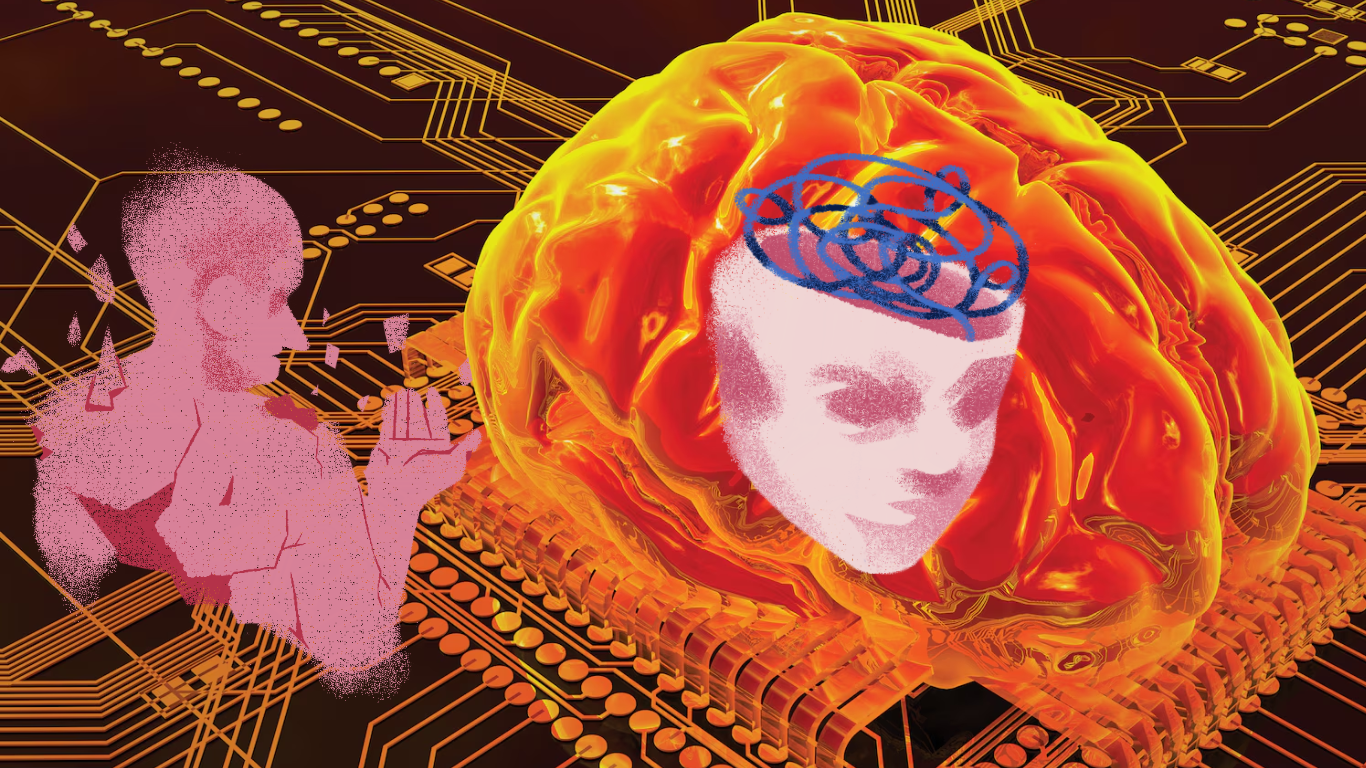
When we talk about modern conflict today, it is no longer just about weapons or territory. It is about information, perception, and the human mind itself. AI Cognitive Psychological Operations is changing how wars are understood and fought, by focusing on influence instead of direct confrontation. In this article, you will explore how intelligence systems are now shaping emotions, predicting behavior, and quietly transforming the battlefield into a psychological space where decisions are made before any physical action begins.
AI Cognitive Psychological Operations
AI Cognitive Psychological Operations is transforming modern conflict by helping intelligence systems understand emotions, influence behavior, and support faster strategic decisions.
Modern conflict has entered a completely different era. The strongest advantage is no longer measured only by advanced weapons, larger armies, or powerful aircraft. Information has become one of the most valuable strategic assets, and the ability to influence human thinking has become just as important as physical strength.
AI Cognitive Psychological Operations combines artificial intelligence with behavioral science to understand how individuals and communities think, react, and make decisions. Instead of waiting for events to unfold, intelligent systems examine massive amounts of information and identify emotional trends that help decision makers prepare for changing situations.
This technology is gradually moving warfare beyond traditional battlefields and into the human mind, where beliefs, confidence, and perception often determine the outcome long before direct confrontation occurs.
The Evolution of Psychological Operations
AI Cognitive Psychological Operations uses intelligent systems to study emotions, behavior, and information patterns, helping decision makers understand public perception and improve strategic communication during modern conflicts.
Psychological operations have existed for centuries. Leaders have always tried to influence opponents through communication, persuasion, and carefully planned messaging. The difference today is speed, accuracy, and scale.
Artificial intelligence can process millions of digital signals within seconds. News articles, social media discussions, public statements, satellite information, and communication networks can all be analyzed together to reveal patterns that humans would struggle to detect.
Historical development can be understood more clearly through the following timeline.
| Year | Event | Description |
|---|---|---|
| Ancient Era | Strategic messaging | Leaders used speeches, symbols, and communication to influence populations. |
| 20th Century | Modern psychological operations | Governments organized structured information campaigns during major conflicts. |
| Early 2000s | Digital information warfare | Internet platforms became major channels for influence campaigns. |
| 2020s | AI driven cognitive analysis | Artificial intelligence began supporting behavioral prediction and emotional analysis at unprecedented speed. |

Understanding the Core Concept
AI Cognitive Psychological Operations refers to using artificial intelligence to observe, analyze, and understand human behavior in environments affected by tension, uncertainty, or conflict.
Instead of focusing only on military equipment, AI studies human reactions. These systems identify emotional changes, communication habits, public confidence, and collective behavior.
The objective is not simply collecting information. The real value lies in understanding how people respond to changing situations so that leaders can make better informed decisions.
From my perspective, this represents one of the most significant developments in defense technology because understanding people often creates better outcomes than simply increasing military capability.
Let me explain this in the clearest, simplest terms.
Imagine thousands of conversations taking place every minute across television broadcasts, online platforms, local communities, and public discussions. No individual analyst could examine every message.
Artificial intelligence acts like an intelligent assistant that reads, compares, and organizes this information almost instantly. Instead of replacing human experts, it highlights important emotional trends, unusual behavioral changes, and possible risks that deserve attention.
Human specialists still make the final decisions, but AI helps them understand situations much faster.
Sentiment Analysis and Emotional Intelligence
Among its many capabilities, sentiment analysis stands out as one of the most valuable applications.
Artificial intelligence evaluates language to estimate emotional conditions within groups of people. Rather than simply counting positive or negative words, modern systems examine context, communication patterns, and changing emotional intensity.
Decision makers can better understand whether communities are becoming more confident, more concerned, or increasingly uncertain.
In practical situations this information supports humanitarian planning, crisis communication, public safety measures, and strategic decision making.
This demonstrates how AI can contribute beyond military environments by helping organizations understand public response during emergencies.
Narrative Intelligence
Every major event creates multiple versions of the same story.
People naturally search for reliable information during uncertain situations. Unfortunately, inaccurate information can spread extremely quickly through digital platforms.
AI Cognitive Psychological Operations helps identify rapidly spreading narratives by monitoring information sources in real time. Analysts can then verify facts, understand how messages spread, and develop more effective communication strategies.
The purpose should always remain transparency, factual communication, and reducing confusion rather than manipulating public understanding.
Behavioral Pattern Analysis
Human behavior often follows recognizable patterns.
Artificial intelligence identifies gradual changes in communication frequency, emotional wording, participation levels, and social interaction.
These observations do not guarantee future actions. Instead, they provide valuable indicators that help experts recognize changing conditions before problems become more serious.
This approach supports smarter planning by combining data analysis with professional human judgment.
Cultural Intelligence
Culture shapes how every message is received.
A statement that builds trust in one community may create misunderstanding somewhere else. Artificial intelligence helps researchers understand regional language, traditions, social values, and communication preferences.
From my experience studying emerging defense technologies, cultural intelligence is one of the most responsible uses of AI because it encourages communication that respects local communities rather than ignoring important cultural differences.
Better understanding often prevents unnecessary conflict before it begins.
Human Domain Intelligence
Technology continues to evolve, but people remain at the center of every strategic decision.
Human Domain Intelligence focuses on understanding beliefs, relationships, emotions, trust, leadership, and social influence.
Artificial intelligence helps organize this complex information into meaningful patterns that support faster analysis.
Rather than replacing human understanding, AI expands it by revealing connections that might otherwise remain hidden.
Non Kinetic Warfare
Modern strategy increasingly recognizes that not every objective requires physical force.
Non kinetic warfare focuses on influencing situations through communication, intelligence, diplomacy, cybersecurity, economic measures, and information management.
AI Cognitive Psychological Operations supports these efforts by providing a clearer understanding of public perception and behavioral trends.
When communication becomes more accurate and misunderstandings are reduced, opportunities for peaceful solutions often increase.
Real Time Decision Support
Speed has become one of the most valuable advantages in modern security.
Artificial intelligence processes enormous amounts of information continuously, allowing analysts to receive updated assessments much faster than traditional manual methods.
This improves awareness by helping decision makers understand changing conditions as they develop instead of reacting after events have already happened.
Faster information does not replace careful judgment, but it provides more time for thoughtful planning.
Applications Beyond Defense
Many people associate cognitive operations only with military organizations, yet similar technologies already appear in everyday life.
Recommendation systems study user interests to provide personalized content.
Marketing teams analyze customer preferences to improve communication.
Healthcare researchers examine behavioral data to support patient care.
Emergency management agencies monitor public reactions during natural disasters.
Educational platforms personalize learning based on individual progress.
These examples show that understanding human behavior through artificial intelligence extends far beyond defense applications.
The Role of AI
Artificial intelligence works by collecting information from multiple trusted sources, organizing it into structured datasets, recognizing meaningful patterns, and presenting useful insights to trained professionals.
Machine learning continuously improves prediction accuracy by learning from new information.
With natural language processing, computers can recognize, analyze, and make sense of human language in both speech and writing.
Sentiment analysis estimates emotional tone.
Pattern recognition identifies relationships that would otherwise remain difficult to detect.
Together these technologies create a decision support system rather than an automated decision maker.
Ethical Responsibilities
Every powerful technology requires responsible governance.
AI Cognitive Psychological Operations raises important discussions about privacy, transparency, accountability, and fairness.
Organizations must ensure that information is collected legally, analyzed responsibly, and reviewed by qualified professionals before significant decisions are made.
Human oversight remains essential because artificial intelligence cannot fully understand ethics, cultural nuance, or moral responsibility on its own.
Responsible development should always place human rights and public trust at the center of technological progress.
Challenges Facing Future Development
Although capabilities continue to improve, several important challenges remain.
Large amounts of reliable data are necessary for accurate analysis.
Bias within datasets can affect results.
Rapidly changing online behavior requires continuous model updates.
Different languages and cultural expressions remain difficult for automated systems to interpret perfectly.
Cybersecurity threats also require continuous protection because information systems themselves can become targets.
Overcoming these challenges will determine how effectively future cognitive intelligence systems operate.
Future Outlook
Artificial intelligence will likely become even more adaptive during the coming years.
Future systems may better recognize emotional context, improve multilingual understanding, and provide more accurate behavioral assessments while respecting stronger privacy protections.
Experts also expect closer cooperation between artificial intelligence and human analysts rather than complete automation.
The future belongs to systems that combine technological efficiency with human experience, ethical judgment, and cultural understanding.
From my viewpoint, the greatest strategic advantage will not belong to those with the largest amount of data. It will belong to those who understand people with accuracy, responsibility, and respect.

Modern conflict is changing faster than ever before. Strength is no longer measured only by military equipment or the size of an army. Information, human behavior, and public perception have become powerful strategic assets. Nations, security organizations, and intelligence agencies increasingly rely on advanced technologies to understand how people think, react, and make decisions during uncertain situations.
AI Cognitive Psychological Operations is one of the most significant developments behind this transformation. It combines artificial intelligence with cognitive science, psychology, behavioral analysis, and data intelligence to study how information influences human thinking. Rather than focusing only on physical battlefields, this approach examines emotions, beliefs, communication patterns, and decision making to support better strategic planning.
Many people imagine warfare as tanks, aircraft, and missiles. While these tools remain important, modern conflicts often begin long before physical action takes place. Information spreads within seconds through digital platforms, social media, news channels, and online communities. Public opinion can shift rapidly, creating opportunities and challenges that did not exist only a few decades ago.
Understanding these changes has become essential not only for defense professionals but also for researchers, policymakers, business leaders, journalists, and ordinary citizens. As digital technology becomes part of daily life, everyone benefits from understanding how intelligent systems analyze information and how those insights influence important decisions.
This guide explores AI Cognitive Psychological Operations from a practical perspective using simple language, real examples, and expert insights to explain one of the fastest growing areas of modern defense technology.
The Changing Nature of Modern Conflict
The definition of conflict has evolved significantly over the last century. Traditional warfare focused primarily on physical strength, military equipment, logistics, and battlefield tactics. Victory often depended on controlling territory and defeating opposing forces through direct engagement.
Today’s security environment looks very different.
Digital communication has created an interconnected world where information travels almost instantly. Within minutes, a single message has the potential to reach millions of individuals around the world. Public opinion can influence political decisions, economic markets, diplomatic relationships, and international security faster than ever before.
Artificial intelligence has accelerated this transformation by processing enormous volumes of information that humans cannot analyze manually.
Instead of waiting for reports from the field, decision makers can receive continuous updates generated from thousands of information sources simultaneously. This creates greater awareness while helping leaders recognize emerging trends much earlier.
From my perspective, this represents one of the biggest shifts in strategic thinking during the modern era. Military strength remains important, but understanding people has become equally valuable.
Historical Development of Psychological Operations
The idea of influencing human thinking is not new. Throughout history, leaders have used communication, diplomacy, symbols, speeches, and carefully planned messages to encourage support or reduce opposition.
Technology has simply changed how these activities are performed.
| Year | Event | Description |
|---|---|---|
| Ancient Civilizations | Strategic Communication | Leaders used speeches, symbols, and public messaging to influence populations and opponents. |
| World War I | Organized Information Campaigns | Governments expanded psychological communication to influence soldiers and civilians. |
| World War II | Modern Psychological Operations | Radio broadcasts, printed materials, and intelligence communication became major strategic tools. |
| Cold War | Global Information Competition | Ideological influence became an important part of international competition. |
| Early 2000s | Digital Information Environment | Internet communication transformed how information spread across societies. |
| 2020s | AI Cognitive Psychological Operations | Artificial intelligence began supporting behavioral analysis, sentiment monitoring, and strategic intelligence. |
This progression shows that technology has not replaced psychological operations. Instead, it has dramatically increased their speed, accuracy, and reach.
Understanding AI Cognitive Psychological Operations
AI Cognitive Psychological Operations refers to the use of artificial intelligence to analyze information, understand behavioral patterns, recognize emotional trends, and support strategic communication during complex situations.
Unlike conventional intelligence systems that mainly collect information, AI can organize, compare, interpret, and identify meaningful relationships across enormous datasets.
For example, an intelligent system may simultaneously analyze social media discussions, public news reports, official statements, communication networks, weather information, and regional events. Instead of presenting thousands of separate reports, the system highlights meaningful patterns that deserve human attention.
The purpose is to support human experts, not replace them.
Artificial intelligence serves as a powerful analytical assistant that helps experienced professionals understand complicated situations more quickly and more accurately.
This allows human analysts to spend less time searching through raw information and more time evaluating important developments.
Let me explain this in the clearest, simplest terms.
Imagine trying to read every newspaper, every public social media post, every official announcement, every emergency report, and every public discussion happening around the world today.
That would be impossible for any individual.
Artificial intelligence performs this task at incredible speed. It organizes information into meaningful patterns and highlights unusual changes that deserve attention.
Human experts then examine these findings, verify the information, apply professional judgment, and make the final decisions.
This partnership between intelligent technology and experienced analysts creates far better awareness than either could achieve independently.
Why Human Psychology Matters
Technology can collect data, but every important decision is ultimately made by people.
People respond differently depending on their experiences, emotions, beliefs, culture, education, and surrounding environment.
Understanding these human factors has become essential because modern security challenges often involve uncertainty rather than direct confrontation.
Artificial intelligence helps researchers identify behavioral patterns that may otherwise remain hidden.
Instead of asking only what happened, AI helps analysts explore why people responded in certain ways and what conditions may influence future decisions.
This creates a deeper understanding of complex situations while supporting more informed planning.
The Human Mind as a Strategic Domain
Military discussions traditionally describe land, sea, air, space, and cyberspace as operational domains.
Today, many experts recognize another equally important domain.
The human mind.
Every decision begins with perception.
Individuals first observe information, interpret it through personal experience, evaluate possible outcomes, and then choose how to respond.
Artificial intelligence assists researchers by studying these behavioral processes using enormous amounts of structured information.
Rather than viewing populations as statistics, modern cognitive analysis examines communities as dynamic systems influenced by communication, leadership, trust, emotions, and shared experiences.
From my observation, this human centered approach represents one of the most meaningful advances in defense research because it emphasizes understanding instead of assumption.
Artificial Intelligence as a Decision Support Tool
One common misunderstanding is that artificial intelligence makes strategic decisions independently.
In reality, responsible AI systems function as decision support technologies.
They collect information from trusted sources.
They organize enormous datasets.
They recognize patterns.
They identify unusual activity.
They estimate possible trends.
Finally, they present these findings to qualified human professionals.
Human analysts remain responsible for evaluating context, verifying information, considering ethical implications, and making final judgments.
This partnership creates a balance between computational speed and human experience.
Sentiment Analysis in Conflict Environments
One of the most valuable capabilities of AI Cognitive Psychological Operations is sentiment analysis. This technology helps analysts understand how people are feeling by examining large amounts of written and spoken communication. Instead of simply counting positive or negative words, modern AI studies context, tone, language patterns, and emotional intensity to build a clearer picture of public opinion.
During a crisis, thousands of messages appear every minute across news platforms, social media, online forums, and public communication channels. Reading every message manually would be impossible. AI can organize this information quickly and identify emotional trends that deserve attention.
For example, if a community suddenly begins expressing fear, uncertainty, or frustration after a major event, AI systems can detect that change much earlier than traditional monitoring methods. This early awareness allows decision makers to improve communication, provide accurate information, and respond more effectively.
From my perspective, sentiment analysis is one of the most practical applications of artificial intelligence because it helps leaders understand the emotional condition of communities rather than relying only on assumptions or delayed reports.
How AI Measures Emotional Trends
Artificial intelligence uses several advanced technologies to estimate emotional responses.
Natural language processing allows computers to understand written and spoken language.
Machine learning compares current conversations with historical data to identify changing behavioral patterns.
Context analysis helps distinguish between sarcasm, concern, optimism, and genuine emotional expression.
Pattern recognition identifies recurring themes that appear across thousands of conversations.
Instead of producing a simple positive or negative score, modern AI creates a much broader understanding of how public attitudes evolve over time.
This continuous monitoring provides valuable insights without requiring analysts to examine every individual conversation manually.
Narrative Intelligence and Information Competition
Every important event creates competing explanations.
Governments, organizations, journalists, and individuals often present different interpretations of the same situation. As information spreads across digital platforms, some narratives gain public trust while others lose credibility.
AI Cognitive Psychological Operations helps analysts understand how these narratives develop.
Artificial intelligence identifies which topics are receiving attention, how quickly information is spreading, and which messages influence public discussion the most.
This process is commonly known as narrative intelligence.
Rather than focusing only on the content of individual messages, AI studies the overall movement of information across digital environments.
Analysts can then recognize emerging trends before they become widespread.
In today’s interconnected world, timing often determines whether accurate information reaches people before confusion begins to spread.
Identifying Misinformation Patterns
One important responsibility of AI systems is recognizing unusual information activity.
Artificial intelligence can identify patterns that may suggest coordinated messaging, unusually rapid distribution, or repeated publication of similar content across multiple platforms.
Human analysts then investigate these observations using professional verification methods.
Responsible organizations do not rely solely on AI conclusions.
Instead, artificial intelligence serves as an early warning system that highlights information requiring closer examination.
This balanced approach improves both speed and accuracy while reducing unnecessary assumptions.
Behavioral Pattern Recognition
Human behavior follows recognizable patterns.
Although every individual is unique, groups often respond similarly when facing uncertainty, stress, opportunity, or major events.
Artificial intelligence studies these behavioral changes by examining communication frequency, participation levels, emotional language, interaction networks, and changes in public discussion.
When viewed individually, these signals may appear insignificant.
When combined across millions of data points, they create valuable insights that help experts understand changing conditions.
Behavioral pattern recognition does not predict the future with certainty.
Instead, it estimates probabilities based on observed trends.
This distinction is extremely important because responsible artificial intelligence supports informed decision making rather than replacing human judgment.
Predictive Behavioral Analysis
Predictive analysis has become one of the fastest growing fields within artificial intelligence.
Instead of asking only what has happened, AI also estimates what may happen next based on historical patterns and current conditions.
For example, if communication activity suddenly decreases within a specific network while emotional language becomes increasingly negative, analysts may investigate whether additional support or further assessment is necessary.
These predictions are never treated as guaranteed outcomes.
They simply provide another source of information that experienced professionals evaluate alongside many other factors.
From my viewpoint, predictive analysis becomes valuable only when combined with human expertise, ethical oversight, and continuous verification.
Cultural Intelligence AI
Culture influences every form of communication.
The same message may encourage trust in one region while creating misunderstanding somewhere else.
Language, traditions, history, social expectations, and religious values all shape how information is interpreted.
Artificial intelligence now helps researchers understand these cultural differences more effectively.
Instead of applying identical communication strategies everywhere, AI identifies regional preferences and highlights important cultural considerations.
This allows organizations to communicate with greater respect and accuracy.
In my opinion, cultural intelligence represents one of the most responsible uses of artificial intelligence because better understanding often prevents unnecessary conflict before it begins.
Understanding Local Communication
Every community has its own communication style.
Some cultures prefer direct language.
Others value respectful indirect communication.
Certain expressions carry completely different meanings depending on regional traditions.
Artificial intelligence studies these differences by analyzing language patterns, vocabulary, communication habits, and historical context.
Human experts then review these findings to ensure that communication remains accurate and culturally appropriate.
This collaboration reduces misunderstanding while strengthening public trust.
Human Domain Intelligence
Technology continues to improve every year, but people remain the center of every important decision.
Human Domain Intelligence focuses on understanding individuals, communities, leadership structures, relationships, social influence, beliefs, and emotional conditions.
Artificial intelligence helps organize enormous amounts of behavioral information into meaningful patterns.
Instead of examining isolated events, analysts can better understand how different social factors influence one another.
This broader perspective improves strategic planning across many different sectors.
Human Domain Intelligence extends beyond military operations.
Emergency management agencies, humanitarian organizations, public health institutions, and disaster response teams can also benefit from understanding community behavior during rapidly changing situations.
Mapping Human Behavior
Artificial intelligence creates behavioral models by combining information from multiple sources.
These may include communication trends, publicly available discussions, demographic information, historical events, geographic conditions, and social interaction patterns.
By examining these relationships together, analysts gain a more complete understanding of how communities respond under different circumstances.
The objective is not to categorize individuals.
The goal is to understand broader behavioral trends that support responsible planning and informed decision making.
This distinction remains essential for ethical and professional use of artificial intelligence.
Building Situational Awareness
Situational awareness means understanding what is happening, why it is happening, and how conditions may continue to change.
Artificial intelligence contributes by processing continuous streams of information in real time.
Instead of waiting for daily reports, analysts receive updated assessments as new information becomes available.
This improves response speed while giving decision makers additional time to evaluate possible options.
Faster awareness often leads to better preparation, clearer communication, and more effective coordination between organizations.
Real World Applications Beyond Defense
Although AI Cognitive Psychological Operations is frequently discussed within defense research, many of its underlying technologies already support civilian organizations around the world.
Healthcare organizations analyze patient feedback to improve medical services.
Emergency management agencies monitor public reactions during natural disasters.
Businesses study customer experiences to improve products and services.
Educational institutions evaluate learning behavior to personalize education.
Public safety organizations monitor communication trends during emergencies to improve community awareness.
These examples demonstrate that understanding human behavior through artificial intelligence extends well beyond military environments.
Responsible use benefits many areas of society by supporting better communication and more informed decision making.
Why Responsible Human Oversight Matters
Artificial intelligence can analyze information faster than people, but it cannot replace human values, professional experience, or ethical responsibility.
Every important recommendation generated by AI should be reviewed by qualified experts before action is taken.
Human oversight ensures that information is verified, context is properly understood, and decisions remain fair, lawful, and transparent.
From my perspective, the greatest strength of AI Cognitive Psychological Operations does not come from automation alone.
Its real value comes from combining computational intelligence with human judgment, accountability, and ethical leadership.
Non Kinetic Warfare
Modern security strategies are expanding beyond traditional military operations. While physical force remains an important part of national defense, many strategic objectives today can be achieved without direct combat. This approach is commonly known as non kinetic warfare.
Non kinetic warfare focuses on influencing situations through information, communication, intelligence, diplomacy, cybersecurity, economic measures, and psychological understanding rather than physical destruction. Artificial intelligence has become an important technology supporting these activities because it can process information much faster than conventional analytical methods.
AI Cognitive Psychological Operations plays a significant role by helping decision makers understand how information moves, how public opinion develops, and how communication strategies may influence different audiences. The objective is not simply to react after an event occurs but to improve awareness before situations become more complex.
From my perspective, this represents one of the most important shifts in modern strategic thinking. Preventing conflict through better understanding is often more valuable than responding after damage has already occurred.
Real Time Decision Advantage
Speed has become one of the greatest advantages in today’s information environment.
Traditional intelligence often depended on collecting reports, organizing information, and manually evaluating changing conditions. Although this approach continues to be useful, AI greatly speeds up the collection, analysis, and processing of information.
Today’s AI systems continuously monitor communication channels, open-source information, behavior patterns, and various intelligence sources all at the same time. Instead of waiting several hours or even days for complete assessments, analysts receive updated insights within minutes.
This faster awareness allows organizations to adjust communication strategies, identify emerging risks, coordinate resources, and improve operational planning.
Real time decision support does not remove human responsibility.
Instead, it provides experienced professionals with better information while there is still time to respond effectively.
The Role of Machine Learning
Machine learning is one of the technologies that makes AI Cognitive Psychological Operations possible.
Unlike traditional software that follows fixed instructions, machine learning improves by recognizing patterns within large collections of information.
As new data becomes available, algorithms gradually improve their ability to identify behavioral changes, communication trends, and emotional patterns.
This continuous learning process allows AI systems to adapt to changing environments while improving analytical accuracy over time.
However, learning quality always depends on the quality of the information being analyzed.
Reliable data remains the foundation of reliable intelligence.
Natural Language Processing
Human communication is complex.
People use different languages, expressions, cultural references, humor, and emotional wording every day.
Natural Language Processing enables computers to understand written and spoken communication with far greater accuracy than earlier technologies.
Within AI Cognitive Psychological Operations, Natural Language Processing helps identify emotional tone, recognize important topics, compare communication trends, and organize enormous amounts of text into useful insights.
Although technology continues improving, human review remains necessary because language often contains subtle meanings that computers cannot fully interpret on their own.
Artificial Intelligence and Strategic Communication
Communication has always been central to leadership.
Artificial intelligence now helps organizations improve communication by providing better understanding of audience needs, emotional reactions, and information preferences.
For example, during emergencies, AI can identify common public concerns that appear across thousands of conversations.
Officials can then prepare accurate information that addresses these concerns directly instead of relying on assumptions.
This creates more effective communication while helping reduce confusion during rapidly changing situations.
Clear communication supported by responsible analysis strengthens public confidence and improves decision making across many different sectors.
Ethical Challenges
Every powerful technology creates important ethical responsibilities.
AI Cognitive Psychological Operations is no exception.
As these technologies process behavioral and communication data, organizations need strong ethical standards to protect personal rights and build lasting public confidence.
Responsible development should always include transparency, accountability, and professional oversight.
Artificial intelligence should assist human experts rather than making sensitive decisions independently.
Ethics will remain one of the defining factors that determines how successfully this technology develops during the coming decades.
Privacy and Data Protection
Privacy is one of the most important discussions surrounding artificial intelligence.
Organizations using advanced analytical systems must ensure that information is collected and processed according to applicable laws, regulations, and ethical standards.
Protecting personal information is essential for maintaining public confidence.
Responsible AI systems should minimize unnecessary data collection, apply appropriate security measures, and ensure that information is used only for legitimate purposes.
Strong privacy protections are not obstacles to technological progress.
They are necessary foundations for responsible innovation.
Human Oversight Remains Essential
Artificial intelligence can recognize patterns with remarkable speed, but it cannot replace human wisdom.
Experienced professionals understand cultural context, ethical responsibility, legal requirements, and practical realities that extend beyond data analysis.
Every significant recommendation generated by AI should be reviewed by qualified experts before important decisions are made.
This collaborative approach combines computational efficiency with human judgment.
In my opinion, this partnership represents the safest and most effective model for future cognitive intelligence systems.
Technical Challenges
Although AI Cognitive Psychological Operations continues advancing rapidly, several technical challenges remain.
Information quality varies significantly between different sources.
Languages evolve continuously.
Regional expressions can change meaning depending on cultural context.
Incomplete or inaccurate information may reduce analytical reliability.
Artificial intelligence also requires significant computing resources, cybersecurity protection, and continuous model improvement.
Researchers around the world continue developing new methods to improve accuracy while reducing these limitations.
Future Trends
The future of AI Cognitive Psychological Operations will likely involve greater intelligence, improved adaptability, and stronger collaboration between humans and machines.
Researchers expect future systems to become better at understanding multilingual communication, recognizing emotional context, identifying misinformation patterns, and supporting faster strategic analysis.
Privacy preserving AI technologies are also expected to become increasingly important.
These approaches allow useful analysis while protecting sensitive information more effectively.
International cooperation will also play a larger role as governments, academic institutions, and technology companies work together to establish responsible standards for artificial intelligence.
Rather than replacing human expertise, future systems will increasingly function as trusted analytical partners that improve awareness while leaving final responsibility to experienced professionals.
Why Understanding This Technology Matters
Many people believe AI Cognitive Psychological Operations is relevant only to defense organizations.
In reality, its underlying technologies already influence everyday life.
Recommendation systems personalize digital experiences.
Search engines organize information.
Businesses analyze customer feedback.
Healthcare providers study patient experiences.
Emergency management teams monitor public communication during natural disasters.
Educational platforms personalize learning based on student progress.
Understanding these technologies helps people become more informed digital citizens who recognize both the opportunities and responsibilities associated with artificial intelligence.
Knowledge encourages responsible innovation while reducing unnecessary misunderstanding.
Expert Perspective
From my perspective, AI Cognitive Psychological Operations should be viewed primarily as a decision support capability rather than a replacement for human thinking.
Its greatest strength lies in helping experts process enormous amounts of information more efficiently while improving awareness of complex situations.
Technology alone cannot create sound judgment.
Successful decisions still require human experience, ethical reasoning, cultural understanding, and professional responsibility.
As artificial intelligence continues evolving, organizations that combine advanced technology with responsible leadership will likely achieve the greatest long term success.
The future will belong not only to those with the most advanced algorithms but also to those who understand people with honesty, transparency, and respect.
Conclusion
AI Cognitive Psychological Operations represents one of the most important developments in modern intelligence, strategic communication, and behavioral analysis. By combining artificial intelligence with psychology, cognitive science, and advanced data processing, organizations can better understand how information influences human perception, emotions, and decision making.
Although the technology continues advancing rapidly, its true value depends on responsible use. Human expertise, ethical oversight, transparency, and respect for privacy must always remain at the center of every application. Artificial intelligence is most effective when it supports informed human judgment rather than replacing it.
The future of modern security will be shaped not only by technological innovation but also by the ability to understand people, communicate responsibly, and make thoughtful decisions based on reliable information. AI Cognitive Psychological Operations demonstrates that the most important strategic domain is often the human mind itself.
Worldstan.com is committed to delivering original, research driven, and easy to understand content that helps readers explore the future of artificial intelligence, defense technology, cybersecurity, space innovation, and emerging global trends. Every insight shared through Worldstan is created to inform, educate, and inspire readers with trusted knowledge designed for the next generation of intelligent technologies.