
Table of Contents
ToggleIn today’s battlefield, target recognition algorithms are quietly making life-and-death decisions, shaping how AI distinguishes between combatants and civilians in ways that are faster, smarter, and far more complex than any human could manage alone.
Introduction:
Let me start with something very real. Warfare is no longer just about soldiers, tanks, and weapons. It has become a data-driven environment where decisions happen in milliseconds. At the center of this transformation sits one powerful concept: target recognition algorithms.
These systems are much more than just basic programming.
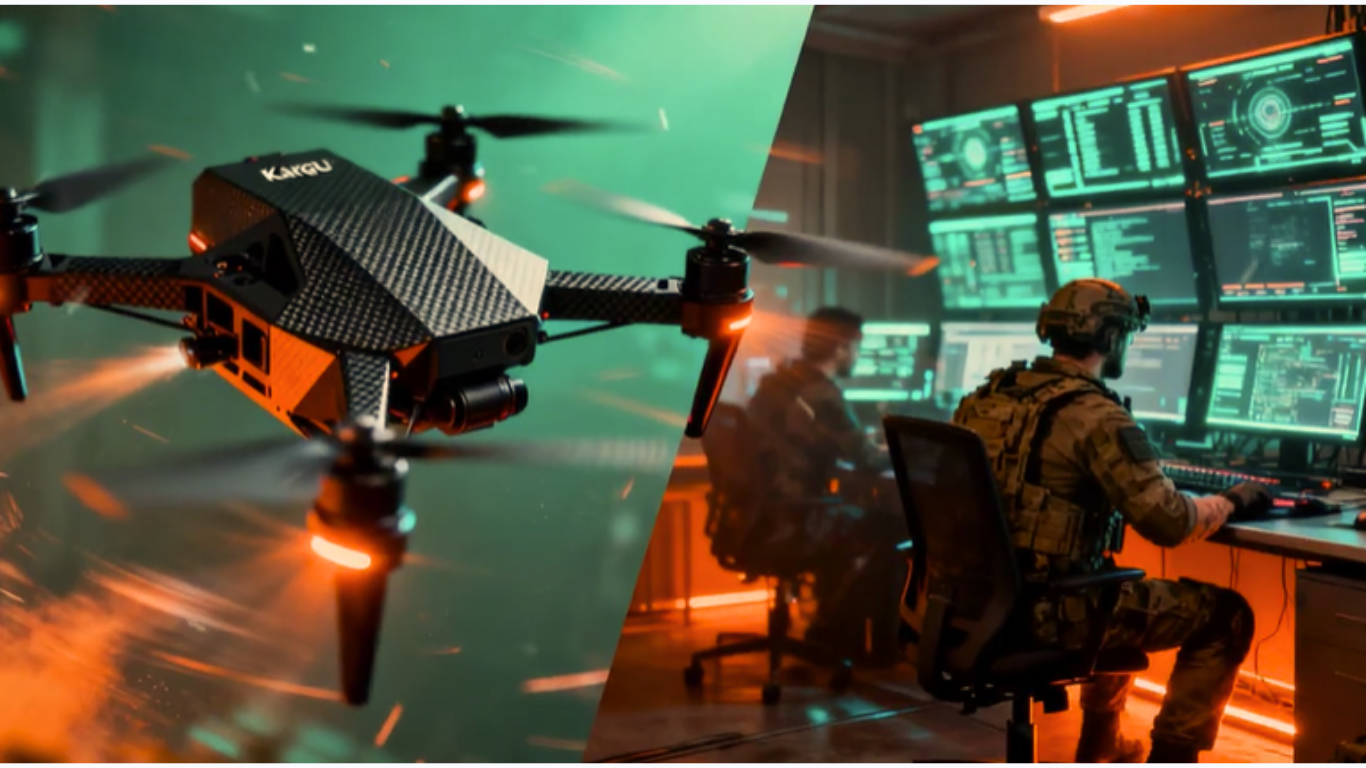
They are the eyes and judgment of modern military systems. Whether it is a drone flying thousands of feet above ground or a surveillance system scanning a crowded urban zone, AI is now responsible for identifying who is a threat and who is not.
From my perspective, this is both fascinating and deeply concerning. On one side, it promises precision and reduced human error. On the other, it raises serious questions about accountability and trust. And that is exactly why this topic matters today more than ever.
Modern warfare is no longer about who has more firepower. It is about who has smarter systems. And target recognition algorithms are leading that shift.
Technical Mechanism:
Let’s break it down in the easiest way possible.
At its core, target recognition algorithms rely on a combination of artificial intelligence, machine learning, and advanced sensor systems. These systems collect massive amounts of data from different sources such as cameras, infrared sensors, radar, and satellite imagery.
Now here is where things get interesting.
The AI does not just “see” an image like humans do. Instead, it analyzes patterns. For example, it looks at movement behavior, heat signatures, clothing patterns, and even how a person interacts with their surroundings.
Machine learning models are trained using thousands or even millions of data samples. These samples include images of soldiers, civilians, vehicles, weapons, and everyday objects. Over time, the system learns to distinguish between them.
Another key element is sensor fusion. This means combining data from multiple sources to create a clearer picture. For instance, a drone may use visual data along with thermal imaging to confirm whether a person is carrying a weapon or simply holding a harmless object.
From what I have observed, the real strength of these systems lies in their ability to process data faster than any human. However, speed does not always mean accuracy, and that is something we need to keep in mind.
Strategic Advantages:
Now let us talk about why this technology is considered a game-changer.
First, precision. Target recognition algorithms can significantly reduce collateral damage by identifying specific threats instead of relying on broad assumptions. This is especially important in urban warfare where civilians and combatants are often mixed together.
Second, speed of decision-making. In high-pressure situations, even a delay of a few seconds can change outcomes. AI systems can analyze and respond almost instantly.
Third, reduced risk for soldiers. Autonomous systems can perform dangerous reconnaissance missions without putting human lives at immediate risk. This changes how military operations are planned and executed.
From my point of view, one of the biggest advantages is consistency. Humans can get tired, emotional, or make mistakes under stress. AI systems, on the other hand, follow programmed logic without fatigue.
But here is the reality check. These advantages only hold true if the system is trained correctly and operates within clear boundaries. Otherwise, the risks can outweigh the benefits.
Challenges & Ethical Concerns:
This is where things get complicated, and honestly, where most of my concerns lie.
First, accuracy limitations. The effectiveness of an AI system depends entirely on the data it is trained with.If the training data is biased or incomplete, the system can make wrong decisions. Imagine misidentifying a civilian as a combatant. The consequences are severe and irreversible.
Second, lack of context. Humans understand subtle cues like fear, surrender, or confusion. AI systems struggle with these nuances. A person running away could be seen as a threat when they are actually trying to escape danger.
Third, accountability. If an AI system makes a wrong decision, who is responsible? The developer, the military operator, or the machine itself?This is still a question that lacks a definite answer.
Ethically, the idea of machines making life-and-death decisions is deeply controversial. Many experts argue that humans must always remain in the loop. I personally agree with this view. Technology should assist decision-making, not replace human judgment entirely.
Another concern is misuse. In the wrong hands, these systems could be used for surveillance or targeting without proper oversight. This is not just a military issue; it is a global security concern.
Practical Insights & Real-World Perspective:
Let me share something practical here.
In real-world operations, these systems are rarely used in isolation. They are part of a larger intelligence network that includes human analysts, command centers, and multiple verification layers.
For example, a drone may flag a potential target, but the final decision often involves human confirmation. This hybrid approach is currently the safest way to use such advanced technology.
From my experience analyzing defense trends, the future will likely focus on improving transparency in AI decisions. Systems will need to explain why they identified a target in a certain way. This is known as explainable AI, and it is becoming a major area of research.
Conclusion:
Target recognition algorithms are shaping the future of warfare in ways we are only beginning to understand.
They bring speed, precision, and efficiency, but they also introduce risks that cannot be ignored. The balance between technological advancement and ethical responsibility will define how these systems evolve.
From my perspective, the key is not to fear the technology but to control it wisely. Human oversight, better training data, and clear global regulations will be essential.
The battlefield of tomorrow will not just be fought with weapons. It will be driven by intelligence, algorithms, and decisions made in fractions of a second. And in that world, the real challenge will not be building smarter machines, but ensuring they make smarter, more humane choices.
This is exactly the kind of conversation that platforms like Worldstan must continue to lead, offering insights that go beyond headlines and into the reality of modern defense innovation.
FAQs:
1. What are target recognition algorithms in simple terms?
They are AI systems that identify and classify objects or people in a battlefield to determine potential threats.
2. How does AI distinguish between civilians and combatants?
AI analyzes patterns like movement, behavior, and objects using trained data models and sensor inputs.
3. Are target recognition systems fully autonomous?
Not completely. Most systems still involve human oversight for final decision-making.
4. What are the risks of using AI in warfare?
Risks include misidentification, bias in data, lack of context, and ethical concerns about machine decisions.
5. Can AI reduce civilian casualties in war?
Yes, if used correctly, it can improve precision and reduce unintended harm.
6. What is sensor fusion in military AI?
It is the process of combining data from multiple sensors to improve accuracy and decision-making.
7. What is the future of AI in defense systems?
The future includes more advanced, transparent, and regulated AI systems with stronger human control.