
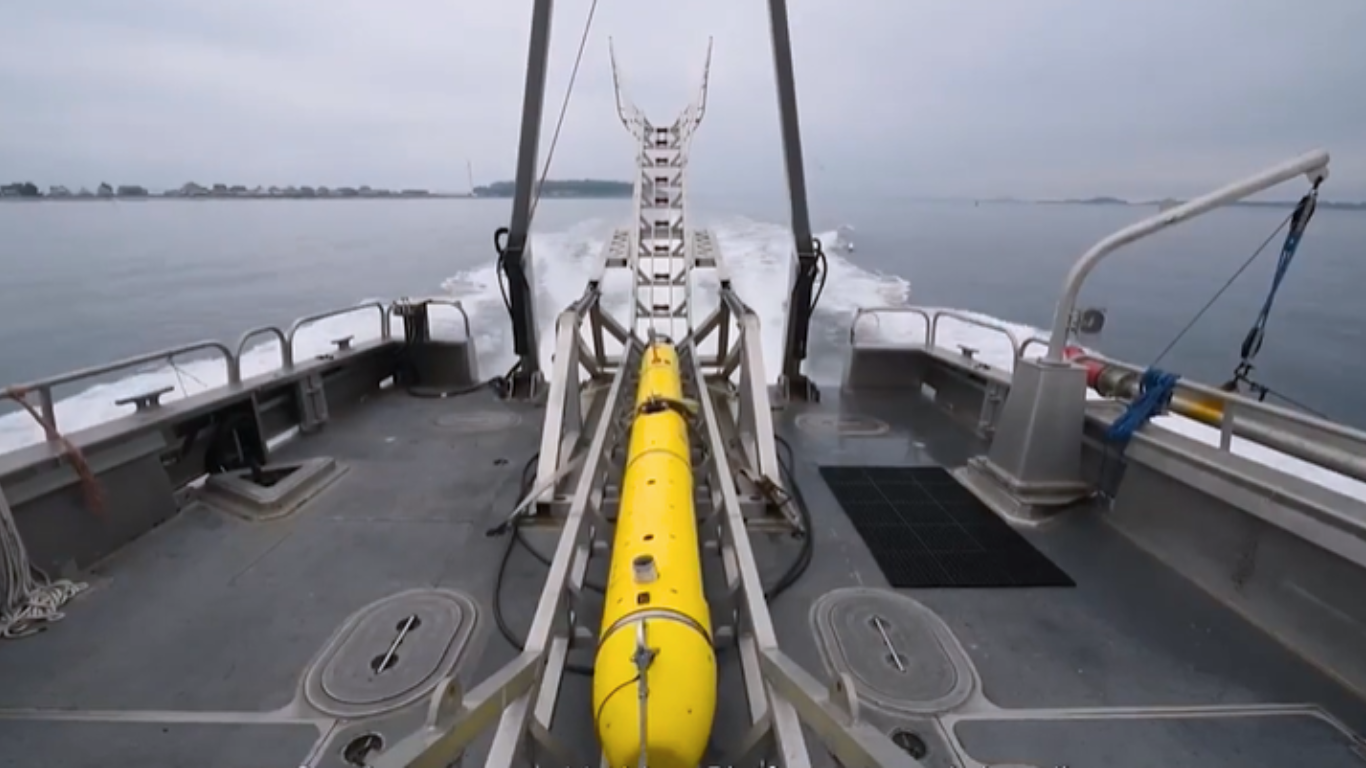
The rise of AI powered unmanned underwater vehicles is quietly transforming how nations monitor oceans, detect threats, and prepare for the next era of naval warfare this is not science fiction, it is already happening beneath the surface.
Introduction:
Let me put this simply warfare is no longer just happening on land or in the sky. The oceans, which cover more than 70% of our planet, are now becoming one of the most strategically important battlegrounds. And right at the center of this shift are AI powered unmanned underwater vehicles.
These systems, often called UUVs, are not your typical machines. They operate silently beneath the waves, gather intelligence, detect threats, and in some cases, even carry out missions without direct human control. From my perspective, this is one of the most underrated revolutions in modern defense technology.
What makes this even more interesting is how quickly this technology is evolving. Countries are investing heavily in underwater AI systems because whoever controls the oceans will likely control global security dynamics in the coming decades.
Technical Mechanism:
Now, let’s break this down in the simplest way possible.
At their core, AI powered unmanned underwater vehicles combine three main elements: artificial intelligence, advanced sensors, and autonomous navigation systems.
The AI acts as the brain. It processes data in real time, learns from patterns, and makes decisions without waiting for human instructions. This is crucial because communication underwater is extremely limited.
Then come the sensors. These include sonar systems, pressure sensors, cameras, and acoustic detectors. These sensors allow UUVs to “see” and “hear” in a completely dark and high-pressure environment.
Finally, the navigation system ensures the vehicle moves intelligently. Unlike traditional submarines, these machines can adjust their routes dynamically. If they detect an obstacle or a threat, they can reroute instantly.
In my opinion, what truly sets these systems apart is their ability to learn over time. The more missions they perform, the smarter they become.
Strategic Advantages:
This is where things get really interesting.
First, stealth. UUVs operate quietly and are extremely difficult to detect. In naval warfare, invisibility often means survival.
Second, cost efficiency. Traditional submarines are expensive and require large crews. UUVs, on the other hand, reduce human risk and operational costs significantly.
Third, persistence. These systems can stay underwater for long durations, monitoring vast areas without fatigue. Imagine having a constant watch over critical sea routes this is a game-changer.
Fourth, scalability. A single navy can deploy dozens, even hundreds, of UUVs simultaneously. This creates a network of intelligent systems working together, much like a swarm.
From a strategic point of view, I believe this changes the balance of power. Smaller nations can now compete with larger naval forces by leveraging AI-driven systems.
A real-world example is the increasing use of underwater drones for mine detection and surveillance in contested waters. These systems reduce the need for human divers and significantly improve mission success rates.
Challenges & Ethical Concerns:
Now, let’s not ignore the other side of the story.
First, technical limitations. Underwater communication remains a major challenge. Signals do not travel well through water, which means these systems often operate with limited external control.
Second, reliability.
The effectiveness of AI systems is directly tied to the quality of their training data.
A miscalculation underwater can lead to mission failure or unintended consequences.
Third, cybersecurity risks. If these systems are hacked or manipulated, the consequences could be severe. Imagine an autonomous underwater vehicle being turned against its own fleet.
Then comes the ethical debate.
Should machines be allowed to make critical decisions in warfare? Even if it is underwater, the implications are significant. Autonomous systems blur the line between human control and machine independence.
Personally, I believe there must always be a level of human oversight. Technology should assist decision-making, not replace accountability.
Conclusion:
When you step back and look at the bigger picture, it becomes clear that AI powered unmanned underwater vehicles are not just another military tool they represent a fundamental shift in how naval operations are conducted.
The oceans are becoming smarter, quieter, and far more contested.
From my perspective, the future will not belong to the biggest fleets, but to the smartest systems. Nations that invest in AI-driven maritime technology today will define the rules of tomorrow’s warfare.
At Worldstan, we see this as more than just a technological evolution. It is a strategic transformation that will reshape global defense thinking for decades to come.
FAQs:
1. What are AI powered unmanned underwater vehicles?
They are autonomous underwater machines that use artificial intelligence to perform surveillance, reconnaissance, and combat-related tasks without human crews.
2. How do UUVs differ from traditional submarines?
UUVs operate without onboard humans, are smaller, more cost-effective, and can function autonomously for extended periods.
3. What are the main uses of UUVs in defense?
They are used for surveillance, mine detection, intelligence gathering, and monitoring underwater infrastructure.
4. Are AI underwater drones fully autonomous?
Some are fully autonomous, while others operate in semi-autonomous modes with human supervision.
5. What are the biggest risks of using UUVs?
Cybersecurity threats, technical failures, and ethical concerns around autonomous decision-making are key risks.
6. Which countries are leading in UUV technology?
Major military powers like the US, China, and Russia are heavily investing in underwater AI systems.
7. What is the future of AI in naval warfare?
The future will likely involve swarms of intelligent underwater systems working together to monitor and defend maritime regions.