
Table of Contents
ToggleThe Ethics of Lethal Autonomous Weapons is no longer a distant debate it is a real and urgent question shaping the future of warfare, where machines may soon decide who lives and who dies.
Introduction:
Let me take you straight into a battlefield that does not look like the ones we studied in history. There are no visible soldiers pulling triggers. Instead, decisions are being made by algorithms, sensors, and lines of code. This is where the Ethics of Lethal Autonomous Weapons becomes critically important.
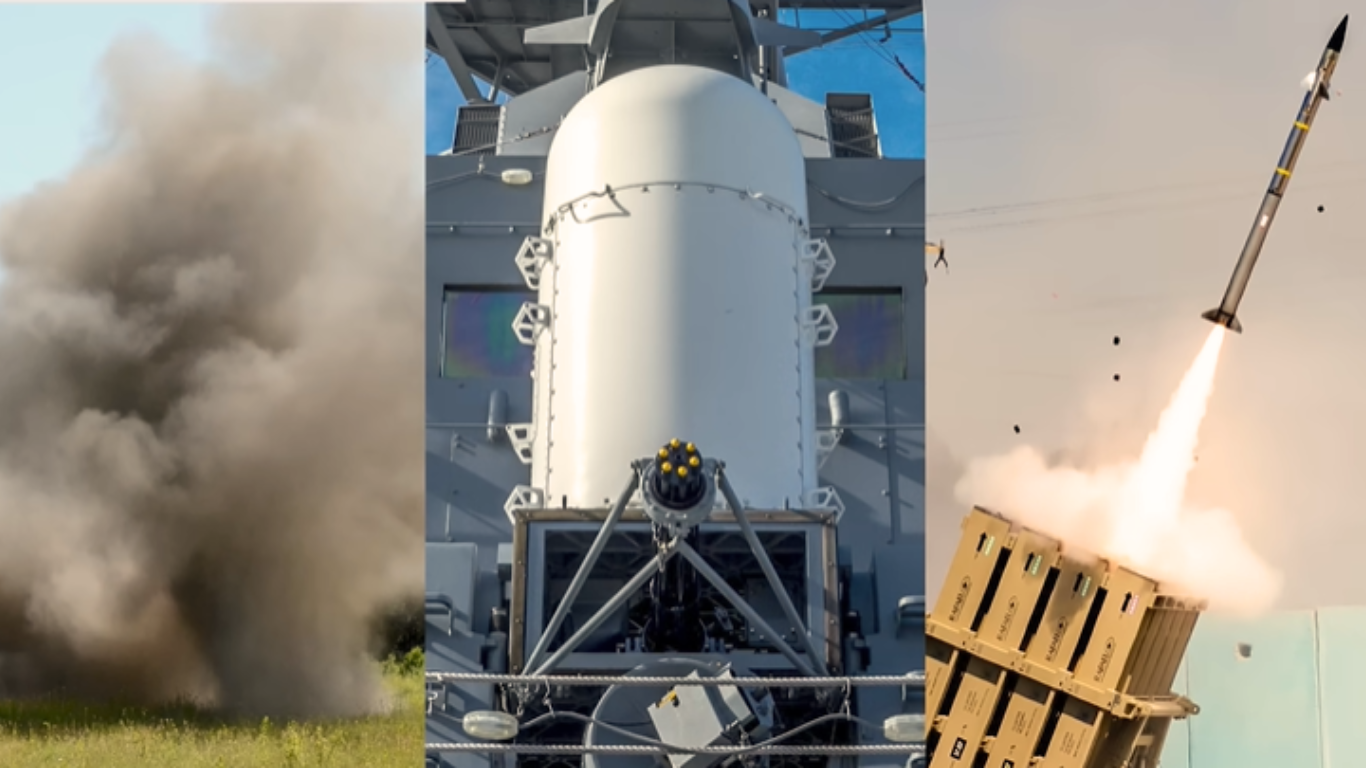
Lethal Autonomous Weapons Systems, often called LAWS, are machines capable of identifying, selecting, and engaging targets without direct human intervention. These are not experimental ideas anymore. Variants of such systems already exist in missile defense, drone operations, and automated targeting platforms.
What makes this moment different is scale and autonomy. The world is moving from “human-in-the-loop” systems to “human-on-the-loop,” and in some cases, dangerously close to “human-out-of-the-loop.”
From my perspective, this is not just a technological shift it is a philosophical turning point. The question is no longer what machines can do, but what they should be allowed to do.
Technical Mechanism:
To understand the Ethics of Lethal Autonomous Weapons, you first need a clear picture of how these systems actually function.
At their core, LAWS combine three main components:
First, AI algorithms. These systems rely heavily on machine learning models trained on massive datasets images, behavioral patterns, thermal signatures, and more. The AI processes this information to recognize potential targets.
Second, sensor integration. Autonomous weapons use advanced sensors such as radar, infrared, LiDAR, and visual cameras. These sensors continuously scan the environment and feed real-time data into the AI system.
Third, decision-making logic. This is where autonomy comes in. The system applies pre-programmed rules and learned patterns to decide whether a target is valid and whether to engage.
Imagine a drone flying over a combat zone. It identifies movement, classifies objects, distinguishes between combatants and civilians (ideally), and then decides whether to strike all within seconds.
The speed and efficiency are unmatched. But here is the uncomfortable truth: even the most advanced AI systems are not perfect. They operate on probabilities, not certainty.
Strategic Advantages:
Now let us talk about why military powers are investing heavily in these systems.
The first advantage is speed. Autonomous weapons can process information and react faster than any human operator. In modern warfare, milliseconds can determine victory or defeat.
Second is scalability. A swarm of autonomous drones can overwhelm traditional defense systems. This concept, often referred to as swarm warfare, is already being tested in real-world conflicts.
Third is reduced human risk. From a strategic standpoint, removing soldiers from direct combat reduces casualties. Governments find this appealing because it lowers political and social costs.
Fourth is operational endurance. Machines do not tire, hesitate, or lose focus. They can operate continuously in harsh environments where human survival would be difficult.
But here is my honest take: while these advantages look impressive on paper, they also create a dangerous illusion of control. When warfare becomes easier to initiate and less costly in human terms, the threshold for conflict may actually decrease.
Challenges & Ethical Concerns:
This is where the real debate around the Ethics of Lethal Autonomous Weapons begins.
The first and most critical issue is meaningful human control. What does it actually mean? Is it enough for a human to approve a mission beforehand, or should a human be involved in every single targeting decision?
In my view, anything less than direct human accountability creates a moral vacuum.
Second is accountability. If an autonomous weapon makes a mistake kills civilians or misidentifies a target who is responsible? The programmer? The commander? The manufacturer? Or the machine itself?
Right now, there is no clear answer.
Third is bias in AI systems. The performance of machine learning models depends entirely on the quality of the data used to train them. If the data is flawed, biased, or incomplete, the decisions will be too. In a civilian setting, this is problematic. In warfare, it is catastrophic.
Fourth is escalation risk. Autonomous systems can react faster than humans, which increases the risk of unintended escalation. Imagine two opposing AI systems misinterpreting each other’s actions and triggering a rapid chain of attacks.
Fifth is the ethical boundary. Delegating life-and-death decisions to machines challenges deeply held human values. War has always been brutal, but it has also been governed by human judgment, emotion, and restraint.
Removing that human element changes everything.
From where I stand, the real danger is not that machines will become evil. It is that they will remain indifferent.
Practical Solutions and Real-World Direction:
Instead of simply debating, we need actionable solutions.
First, global regulation. International agreements must define clear boundaries for the use of autonomous weapons. Discussions at global forums are already happening, but progress is slow.
Second, enforceable standards. Militaries should adopt strict guidelines ensuring meaningful human control remains central to any lethal decision.
Third, transparency in AI systems. Black-box algorithms should not be trusted with irreversible decisions. Explainable AI must become a requirement, not an option.
Fourth, testing and validation. Autonomous systems must undergo rigorous real-world testing to minimize errors and unintended consequences.
Fifth, ethical design frameworks. Engineers and developers must be trained to think beyond performance metrics and consider moral implications from the start.
Conclusion:
The Ethics of Lethal Autonomous Weapons is not a debate that belongs to the future it is unfolding right now.
We are standing at a crossroads where technology is advancing faster than policy, faster than ethics, and faster than our ability to fully understand its consequences.
From my perspective, the goal should not be to stop innovation. That is neither realistic nor practical. Instead, the focus should be on guiding it responsibly.
Because once machines are given the authority to take human life without oversight, there is no easy way to take that power back.
The future of warfare will be shaped not just by who builds the most advanced systems, but by who sets the most responsible limits.
And that is where the real battle lies.
FAQs:
1. What are Lethal Autonomous Weapons (LAWS)?
They are AI-powered systems capable of identifying and attacking targets without direct human control.
2. What does “meaningful human control” mean?
It refers to the level of human involvement required in decisions made by autonomous weapons, especially in lethal actions.
3. Why is AI in warfare controversial?
Because it raises ethical, legal, and accountability concerns, particularly when machines make life-and-death decisions.
4. Are autonomous weapons already in use?
Yes, partially autonomous systems exist today, especially in drone and missile defense technologies.
5. What are the biggest risks of LAWS?
Misidentification of targets, lack of accountability, rapid escalation of conflicts, and ethical concerns.
6. Can AI weapons be regulated globally?
Efforts are ongoing, but achieving global consensus remains challenging due to geopolitical competition.
7. Will autonomous weapons replace human soldiers?
Not entirely, but they will significantly change the role of humans in warfare.