

AI in Regulatory Design and Delivery Explained
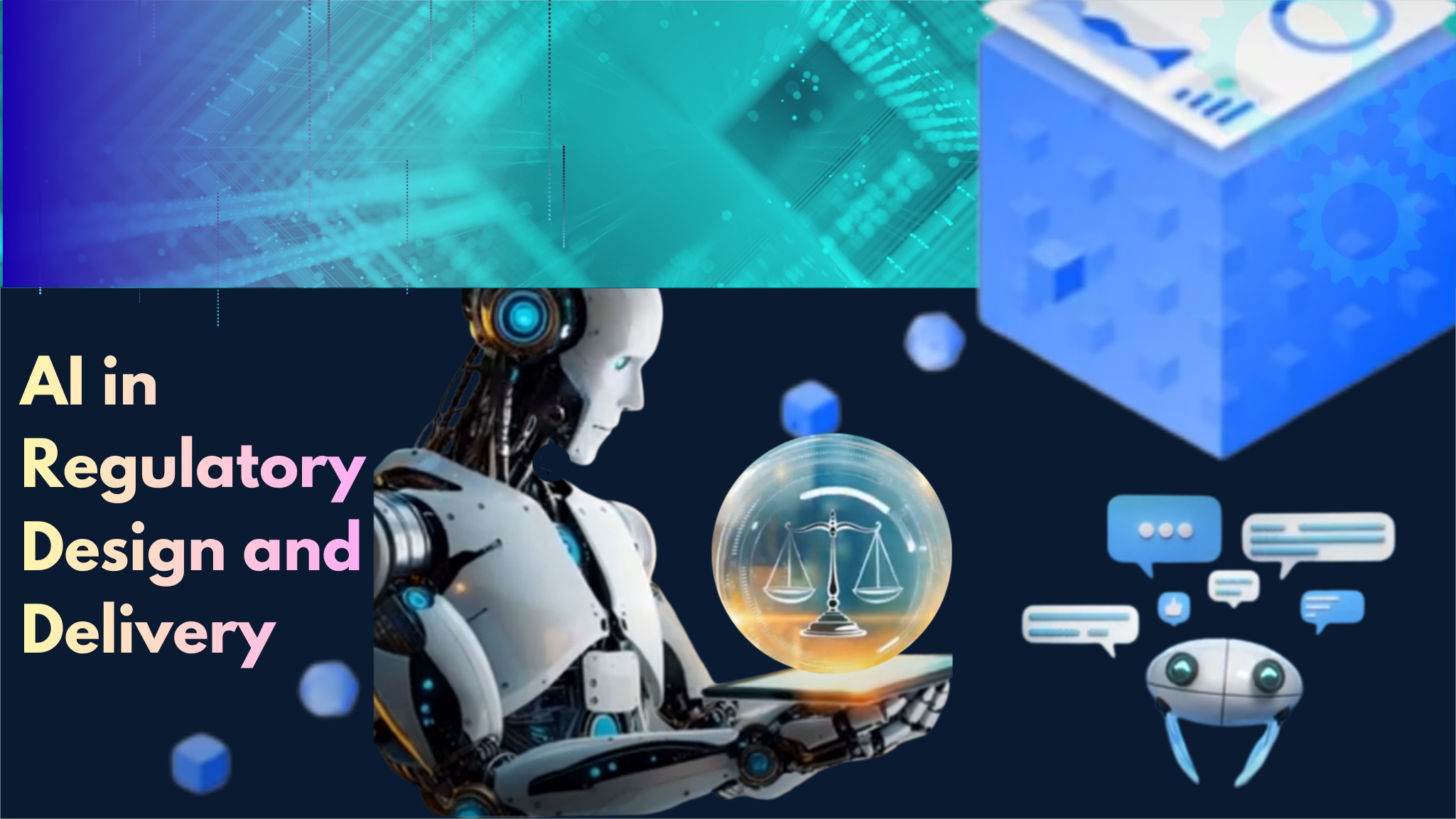
AI in regulatory design and delivery is changing how governments create, implement, and improve rules in a fast-moving digital world. This article explains how artificial intelligence helps policymakers make better decisions, strengthens compliance and enforcement, improves transparency, and builds future-ready governance systems that are more efficient, responsive, and trustworthy.
AI in Regulatory Design and Delivery The Future of Smarter Governance
Regulation has always changed as societies, economies, and technologies evolved. Today, the pace of change is faster than ever before. Governments and regulatory agencies are under pressure to respond to complex challenges that emerge from digital transformation, global markets, and rapidly changing public expectations.
This is where AI in regulatory design and delivery is becoming increasingly important. Artificial intelligence is no longer viewed as an experimental technology. It is becoming a practical tool that helps regulators make better decisions, identify risks earlier, improve compliance, and create more effective governance systems.
Let me explain this in the clearest, simplest terms.
Artificial intelligence allows regulators to work with large volumes of information that would otherwise take months or years to analyze. Instead of relying only on historical reports, governments can use real-time insights to shape policies and respond to challenges more effectively.
The result is a smarter regulatory environment that supports innovation while maintaining accountability and public trust.
Why Traditional Regulation Is No Longer Enough
For decades, regulatory systems followed a predictable pattern. Rules were drafted, implemented, reviewed periodically, and updated when necessary. This approach worked reasonably well when industries changed slowly.
Modern economies operate very differently.
Digital platforms evolve rapidly. Financial technologies introduce new risks. Cybersecurity threats emerge daily. Environmental challenges require immediate responses. Traditional regulatory processes often struggle to keep pace with these realities.
AI-powered regulation helps bridge this gap by allowing governments to move from reactive regulation to proactive governance.
Instead of waiting for problems to occur, regulators can identify warning signs early and take preventive action. This shift represents one of the most significant changes in modern governance.
What Is AI in Regulatory Design and Delivery
AI in regulatory design and delivery refers to the use of artificial intelligence technologies throughout the regulatory lifecycle.
These technologies support:
- Policy development
- Regulatory impact assessments
- Legislative drafting
- Compliance monitoring
- Risk assessment
- Enforcement activities
- Stakeholder engagement
- Performance evaluation
Rather than replacing human regulators, AI acts as an intelligent assistant that enhances decision-making and improves operational efficiency.
The goal is not automation for its own sake. The goal is better governance outcomes.
How AI Is Transforming Policymaking
Policymakers often face difficult decisions that require balancing economic growth, public safety, innovation, and social welfare.
Artificial intelligence provides valuable support during this process.
AI systems can analyze economic indicators, demographic trends, public feedback, industry data, and historical outcomes simultaneously. This enables policymakers to understand complex relationships and make evidence-based decisions.
For example, a transportation regulator may use AI models to predict the impact of new traffic regulations before implementation. By testing different scenarios, policymakers can identify the most effective approach while minimizing unintended consequences.
This ability to simulate outcomes improves the quality of public policy and reduces regulatory uncertainty.
Can AI Make Regulatory Impact Assessments Better
Yes.
Regulatory impact assessments are designed to evaluate the potential effects of proposed regulations. Traditionally, these assessments require extensive manual research and analysis.
AI significantly improves this process.
Advanced analytical tools can examine thousands of variables, evaluate multiple policy options, and estimate economic impacts in a fraction of the time required by conventional methods.
Imagine a government considering new environmental standards.
AI systems can assess potential effects on businesses, consumers, employment, emissions, and economic growth simultaneously. Policymakers receive a more comprehensive understanding of possible outcomes before making final decisions.
This leads to more balanced and effective regulations.
AI and Legislative Drafting
Drafting legal and regulatory documents is often time-consuming and complex.
Natural language processing technology is helping improve this process.
AI-assisted drafting tools can:
- Review existing legislation
- Identify inconsistencies
- Suggest standardized language
- Detect potential conflicts
- Improve legal clarity
Legal experts still make final decisions. However, AI helps reduce errors and accelerates drafting processes.
Many governments are exploring how AI can support legislative drafting while maintaining legal integrity and democratic oversight.
Data-Driven Regulation Is Becoming the Standard
Data is becoming one of the most valuable resources in modern governance.
Every day, governments receive information from businesses, public services, digital platforms, sensors, and citizens.
The challenge is turning this information into actionable insights.
Artificial intelligence excels at processing large datasets and identifying meaningful patterns.
Data-driven regulation allows authorities to understand emerging risks, monitor compliance, and allocate resources more effectively.
Instead of relying on assumptions, regulators can make decisions based on real-world evidence.
This creates a more responsive and efficient regulatory environment.
How AI Supports Market Monitoring
Financial markets, digital platforms, and commercial ecosystems generate enormous amounts of data.
Monitoring these environments manually is increasingly difficult.
AI systems help regulators detect:
- Suspicious transactions
- Market manipulation
- Pricing anomalies
- Fraud indicators
- Emerging systemic risks
For example, financial regulators can use machine learning algorithms to identify unusual trading patterns that may indicate insider trading or market abuse.
Early detection allows authorities to intervene before significant harm occurs.
This improves market integrity and strengthens public confidence.
Smarter Regulatory Compliance Through AI
Compliance has traditionally been viewed as a burden by many organizations.
Artificial intelligence is changing that perception.
AI compliance systems provide continuous monitoring rather than periodic reviews. Businesses can identify potential issues early and address them before violations occur.
Benefits include:
- Faster compliance reporting
- Reduced administrative workload
- Improved accuracy
- Lower compliance costs
- Better risk management
Regulators also benefit because they receive more accurate information and can focus their attention on higher-risk activities.
This creates a more collaborative relationship between regulators and regulated organizations.
How Is AI Changing Regulatory Enforcement
Enforcement remains a critical component of effective governance.
Artificial intelligence is making enforcement activities more targeted and efficient.
Predictive analytics allows regulators to identify areas where violations are most likely to occur. Inspection resources can then be directed toward high-risk organizations or activities.
For example, environmental regulators may use AI models to predict which facilities are most likely to exceed emissions limits.
Rather than conducting random inspections, authorities can prioritize inspections where they are needed most.
This approach improves efficiency and increases deterrence.
AI Risk Modeling and Predictive Governance
Risk management is central to modern regulation.
Artificial intelligence enables regulators to move beyond traditional risk assessments.
Machine learning models can evaluate complex interactions and predict future risks before they become serious problems.
Applications include:
- Financial stability monitoring
- Cybersecurity risk assessment
- Environmental protection
- Healthcare oversight
- Infrastructure resilience
Predictive governance helps governments anticipate challenges and implement preventive measures.
This reduces costs and improves overall regulatory effectiveness.
Why Transparency Matters in AI Regulation
As artificial intelligence becomes more involved in regulatory decision-making, transparency becomes increasingly important.
Citizens, businesses, and stakeholders need confidence that decisions are fair and understandable.
Transparency supports:
- Public trust
- Accountability
- Fairness
- Due process
- Democratic legitimacy
When regulatory decisions affect licenses, permits, investigations, or enforcement actions, stakeholders should understand how conclusions were reached.
Without transparency, trust can quickly erode.
What Is Explainable AI in Government
Explainable AI refers to systems that provide understandable reasons for their decisions.
This is especially important in government applications.
If an AI system recommends a regulatory action, officials must be able to explain:
- What data was used
- How conclusions were reached
- Why specific outcomes were recommended
Explainability helps regulators validate AI outputs and defend decisions when challenged.
It also strengthens accountability and legal compliance.
Building Accountability into AI Governance
AI accountability goes beyond technical design.
Governments must establish clear responsibilities regarding:
- System development
- Data management
- Decision oversight
- Risk management
- Appeals processes
Human oversight remains essential.
Even the most advanced AI systems can make mistakes or produce biased outcomes if poorly designed or improperly managed.
Strong governance frameworks ensure that responsibility remains clearly defined.
Ethical AI in Regulatory Systems
Ethics plays a crucial role in AI adoption.
Regulatory systems influence economic opportunities, public services, and legal outcomes.
Biases within AI systems can create unfair results.
Ethical AI practices focus on:
- Fairness
- Non-discrimination
- Transparency
- Privacy protection
- Human rights
Governments must ensure that AI systems support public values rather than undermine them.
Ethical considerations should be integrated into every stage of AI deployment.
The Importance of Data Governance
High-quality AI depends on high-quality data.
Poor data can lead to inaccurate predictions and flawed decisions.
Effective data governance includes:
- Data accuracy
- Security protections
- Privacy safeguards
- Access controls
- Data quality standards
Strong data governance frameworks help ensure that AI systems operate responsibly and reliably.
This foundation is essential for successful regulatory innovation.
Can AI Improve Public Participation
Absolutely.
Public participation strengthens democratic governance and improves regulatory outcomes.
AI-powered tools make engagement more accessible and efficient.
Governments can use AI chatbots to answer questions, collect feedback, and guide citizens through consultation processes.
Natural language processing tools can analyze thousands of public comments and identify recurring concerns.
This allows policymakers to consider a wider range of perspectives when developing regulations.
Digital Regulation Tools and Citizen Engagement
Modern citizens expect digital services that are convenient and responsive.
Regulatory agencies are increasingly adopting digital tools to meet these expectations.
Examples include:
- Online consultation platforms
- Virtual assistants
- Automated guidance systems
- Interactive compliance portals
- Real-time communication channels
These technologies improve accessibility while reducing administrative burdens.
Better engagement leads to stronger regulatory legitimacy.
What Challenges Do Governments Face
Despite its benefits, AI adoption is not without obstacles.
Common challenges include:
- Limited technical expertise
- Budget constraints
- Legacy systems
- Data quality issues
- Legal uncertainties
- Organizational resistance
Many regulatory agencies were designed before the digital era.
Modernizing institutions requires significant investment in people, technology, and governance frameworks.
Success depends on strategic planning and long-term commitment.
Why Risk-Based Regulation Is the Future
Not every AI application creates the same level of risk.
Risk-based regulation provides a practical approach.
Under this model, oversight intensity is aligned with potential impact.
Low-risk applications face lighter requirements, while high-risk systems receive greater scrutiny.
This approach encourages innovation while maintaining necessary safeguards.
Many governments are adopting risk-based frameworks because they balance flexibility with accountability.
Building Future-Ready Regulatory Frameworks
Future-ready governance requires continuous learning and adaptation.
Artificial intelligence supports this objective by providing ongoing insights and performance feedback.
Successful frameworks combine:
- Human expertise
- Advanced analytics
- Ethical safeguards
- Transparent processes
- Strong accountability mechanisms
Regulators must continue developing new skills and capabilities to operate effectively in an increasingly digital environment.
Investment in education and institutional capacity will be critical.
The Strategic Value of AI in Regulatory Innovation
Regulatory innovation is becoming essential for economic competitiveness and public sector effectiveness.
Artificial intelligence provides tools that help governments manage growing complexity while maintaining oversight.
Benefits include:
- Better decision-making
- Faster response times
- Improved compliance
- Enhanced transparency
- More efficient resource allocation
- Stronger stakeholder engagement
When implemented responsibly, AI becomes a powerful enabler of good governance.
It helps regulators protect public interests while supporting innovation and economic growth.
The Road Ahead for AI-Powered Governance
The future of governance will increasingly depend on intelligent systems that support human decision-makers.
AI in regulatory design and delivery represents a significant step toward that future.
Governments that embrace responsible innovation today will be better prepared for tomorrow’s challenges.
The objective is not to create fully automated governments. The objective is to build smarter institutions that can respond effectively to a rapidly changing world while preserving democratic values and public trust.
Conclusion
The evolution of AI in regulatory design and delivery is reshaping how governments create policies, enforce rules, engage stakeholders, and manage risk. Artificial intelligence offers remarkable opportunities to improve efficiency, transparency, and adaptability across the entire regulatory lifecycle. However, lasting success depends on responsible implementation, strong governance, ethical safeguards, and meaningful human oversight.
At worldstan.com, we believe the future of regulation lies in combining technological innovation with public accountability. As governments continue to embrace AI-powered governance, the most successful systems will be those that balance intelligence with integrity, innovation with fairness, and efficiency with trust. By doing so, regulators can create future-ready frameworks that serve citizens, support economic growth, and strengthen democratic institutions for generations to come.