

LinkedIn Professional Networking Complete Guide
LinkedIn Professional Networking has completely changed how people build careers, find opportunities, and connect with experts worldwide. This guide explains LinkedIn’s history, features, AI innovations, and practical strategies that help professionals, entrepreneurs, freelancers, and businesses grow faster in today’s digital world.
- How has LinkedIn transformed professional networking since its inception in 2003?
- What key events have shaped the evolution of LinkedIn into a professional networking giant?
- Why is LinkedIn considered a global hub for professionals seeking career opportunities and industry connections?
- In what ways does LinkedIn empower users to establish meaningful connections and advance their careers?
- What sets LinkedIn apart as a platform without borders, facilitating networking across geographical boundaries?
- How do you envision LinkedIn shaping the future landscape of professional networking?
- What notable innovations have characterized LinkedIn’s evolution over time?
- How does LinkedIn prioritize continuous learning and development to stay ahead in the professional networking arena?
- What is the current reach and impact of LinkedIn in the global professional community?
- What statistics highlight the transformative impact of LinkedIn on individuals’ professional lives?
- How does LinkedIn contribute to empowering individuals worldwide in their professional endeavors?
- What resources does LinkedIn offer to facilitate ongoing professional growth and development?
- How does LinkedIn gather and utilize feedback to drive continuous improvement on its platform?
- What role does LinkedIn play in streamlining the job application process for professionals?
- How significant is LinkedIn’s contribution to the increase in confirmed hires in recent times?
- What opportunities does LinkedIn provide for weekly job exploration and discovery?
- How does LinkedIn ensure a continuous stream of employment opportunities for its users?
- In what ways does LinkedIn help individuals enhance their visibility and personal branding within professional networks?
- How does LinkedIn empower professionals to accelerate their career goals and aspirations?
- What networking opportunities does LinkedIn offer to its users, both within and beyond their immediate circles?
- How does LinkedIn contribute to the growth and expansion of businesses worldwide?
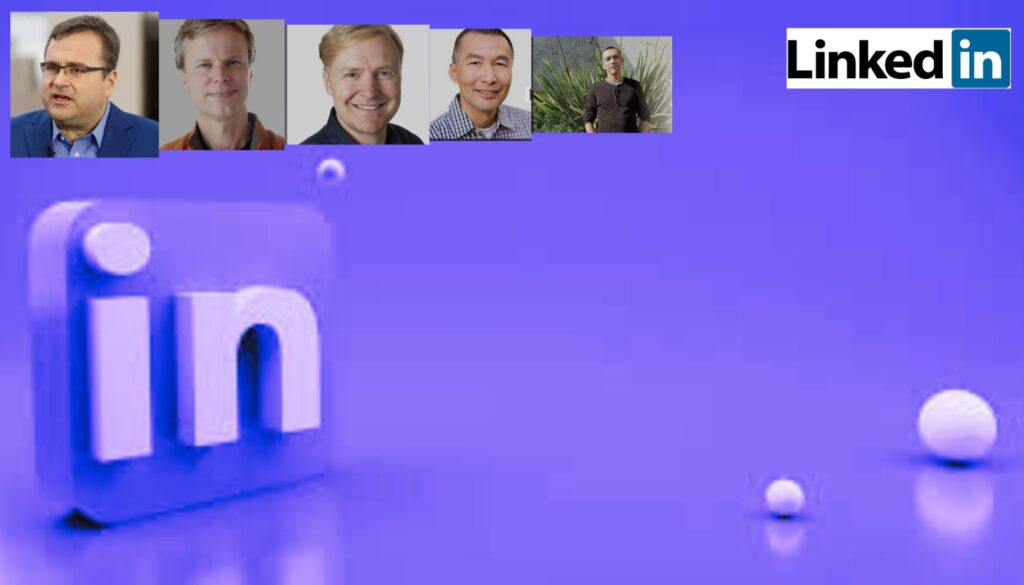
Founders of LinkedIn
LinkedIn Professional Networking The Complete Guide to Career Growth, AI Features, and Global Success
Building professional connections no longer relies solely on in-person events or the exchange of business cards. Today, a single digital platform has transformed how professionals communicate, hire talent, build brands, and discover opportunities across the world.
LinkedIn Professional Networking has become one of the most influential tools in the modern workplace. Whether someone is a student, entrepreneur, freelancer, recruiter, executive, or business owner, LinkedIn creates opportunities that were almost impossible to access two decades ago.
This platform is more than an online resume. It has evolved into an ecosystem where careers are built, businesses grow, and knowledge is shared every second.
Let me explain this in the clearest, simplest terms.
If someone ignores LinkedIn in today’s competitive world, they are potentially missing thousands of career and networking opportunities.
How LinkedIn Started
Founded by Reid Hoffman and Eric Ly, LinkedIn was introduced in the United States in 2003. Their vision was simple but powerful.
They wanted to connect professionals around the world and create a digital environment where people could build trustworthy professional relationships.
Over time, LinkedIn transformed from a small networking website into one of the most valuable professional platforms globally.
In 2016, Microsoft acquired LinkedIn, opening new opportunities for technological advancement and innovation.
Today, LinkedIn continues to grow by integrating advanced technologies, data analysis, and AI-powered solutions.
Historical Evolution of LinkedIn
| Year | Event | Description |
|---|---|---|
| 2003 | LinkedIn Launch | LinkedIn officially launched in the United States. |
| 2005 | LinkedIn Jobs | Introduced premium job services. |
| 2008 | Company Profiles | Businesses started building official company pages. |
| 2011 | Apply With LinkedIn | Simplified job application process. |
| 2012 | SlideShare Acquisition | Added presentation sharing capabilities. |
| 2015 | Lynda Acquisition | Became LinkedIn Learning. |
| 2016 | Microsoft Acquisition | LinkedIn joined Microsoft’s ecosystem. |
| 2019 | Skill Assessments | Introduced professional skill verification. |
| 2020 | AI Interview Feedback | Added AI-powered interview preparation tools. |
| 2021 | Global Skills Initiative | Expanded learning opportunities worldwide. |
| 2022 | Creator Analytics | Enhanced creator insights and content tools. |
Why LinkedIn Professional Networking Is So Powerful
LinkedIn connects professionals without geographical limitations.
A software engineer in Pakistan can collaborate with a startup founder in Canada. A freelancer in India can find clients in Australia. A recruiter in Germany can hire talent from Africa.
This borderless environment creates endless possibilities.
The platform combines several powerful functions in one place.
It offers:
- Professional profiles
- Job searching
- Recruitment tools
- Business marketing
- Learning courses
- Content publishing
- Personal branding
- Industry networking
- Skill development
Very few platforms provide all these capabilities together.
How LinkedIn Helps Career Growth
Career growth requires visibility.
Many talented professionals struggle because their skills remain hidden.
LinkedIn solves this problem by allowing users to showcase their expertise publicly.
People can:
- Add work experience
- Display certifications
- Share projects
- Publish articles
- Build portfolios
- Collect recommendations
- Display achievements
These activities create a professional identity that recruiters and employers can evaluate instantly.
Why Personal Branding Matters on LinkedIn
Personal branding is no longer optional.
People trust professionals who consistently share valuable information.
A strong personal brand creates authority.
For example, a digital marketer sharing weekly insights can attract clients naturally.
Similarly, software developers who publish technical solutions often receive job offers directly from recruiters.
Personal branding helps professionals become discoverable.
How Businesses Use LinkedIn
Businesses are among LinkedIn’s biggest beneficiaries.
Companies use LinkedIn to:
- Recruit employees
- Generate leads
- Build authority
- Market products
- Increase website traffic
- Strengthen partnerships
- Promote events
Many organizations rely heavily on LinkedIn because decision-makers actively use the platform.
Unlike entertainment platforms, LinkedIn attracts professionals who are focused on growth and business opportunities.
How LinkedIn Job Search Works
LinkedIn simplifies job applications.
Users can search opportunities based on:
- Industry
- Location
- Salary
- Experience level
- Company size
- Work model
Remote opportunities have become especially popular.
The platform also recommends jobs based on user activity and profile information.
This saves considerable time for job seekers.
How Recruiters Benefit From LinkedIn
Recruiters gain access to a global talent pool.
They can search candidates using filters such as:
- Skills
- Experience
- Education
- Certifications
- Industry background
This process speeds up hiring significantly.
Recruiters can contact candidates directly and build long-term talent pipelines.
LinkedIn Learning and Continuous Education
Professional development never stops.
LinkedIn Learning provides thousands of educational resources.
Topics include:
- Leadership
- Artificial Intelligence
- Marketing
- Programming
- Project management
- Data analysis
- Cybersecurity
Continuous learning allows professionals to remain competitive in evolving industries.
Role of AI in LinkedIn
Artificial intelligence has become central to LinkedIn’s growth.
AI helps improve efficiency for both users and businesses.
AI analyzes large amounts of information and provides personalized recommendations.
These recommendations help users make smarter decisions.
AI continuously learns from user behavior.
Over time, recommendations become more accurate.
How LinkedIn AI Features Work
LinkedIn AI systems process several data points.
These include:
- User activity
- Profile information
- Skills
- Search behavior
- Engagement history
- Industry trends
The AI engine then delivers personalized suggestions.
This makes the user experience highly customized.
LinkedIn AI Features That Are Transforming Professional Networking
AI Job Recommendations
AI suggests relevant jobs based on user profiles.
This eliminates unnecessary searching.
AI Interview Coaching
AI-powered interview feedback helps users improve communication skills.
Professionals can practice and receive guidance.
AI Skill Suggestions
LinkedIn identifies skill gaps.
Users receive recommendations for courses and certifications.
AI Content Suggestions
Professionals receive ideas for creating engaging posts.
This increases visibility.
AI Candidate Matching
Recruiters receive better candidate recommendations.
Hiring becomes faster and more accurate.
AI Analytics
Businesses gain insights into audience behavior.
Marketing strategies become more effective.
LinkedIn Statistics That Show Its Influence
LinkedIn’s global influence is enormous.
Millions of professionals actively use the platform every day.
The platform contributes significantly to:
- Job placements
- Business growth
- Professional education
- Global collaboration
- Industry innovation
These achievements continue growing each year.
How Entrepreneurs Can Use LinkedIn
Entrepreneurs can use LinkedIn to establish credibility.
Useful activities include:
- Publishing insights
- Joining industry discussions
- Sharing case studies
- Promoting services
- Building strategic partnerships
Consistency often produces impressive results.
How Freelancers Benefit From LinkedIn
Freelancers can attract international clients.
Many freelancers secure projects without traditional advertising.
Professional profiles act as digital portfolios.
Trust increases when freelancers regularly demonstrate expertise.
Best LinkedIn Networking Strategies
Effective networking requires intentional actions.
Recommended strategies include:
- Optimize profiles completely.
- Use professional photos.
- Publish valuable content weekly.
- Connect with industry leaders.
- Participate in discussions.
- Join professional groups.
- Personalize connection requests.
- Share achievements naturally.
Small efforts produce long-term benefits.
Common LinkedIn Mistakes to Avoid
Many users limit their own growth.
Avoid these mistakes:
- Incomplete profiles
- Generic headlines
- Irregular activity
- Poor profile pictures
- Excessive self-promotion
- Ignoring messages
- Weak summaries
Professional consistency is essential.
What Is the Future of LinkedIn Professional Networking
The future looks extremely promising.
Artificial intelligence will become more integrated.
We can expect:
- Smarter job recommendations
- Better learning systems
- Advanced analytics
- Personalized networking
- Improved recruiter tools
- Enhanced creator experiences
Technology will continue making professional relationships easier and more effective.
Why LinkedIn Will Continue Leading Professional Networking
LinkedIn solves a universal challenge.
Every professional needs opportunities.
Every business needs talent.
Every entrepreneur needs connections.
The platform brings all three together in one environment.
This unique position makes LinkedIn difficult to replace.
Its continuous innovation ensures long-term relevance.
Conclusion
At worldstan.com, we believe LinkedIn Professional Networking is no longer just an optional platform for professionals. It has become a digital foundation for building careers, discovering opportunities, and creating meaningful business relationships worldwide. From its humble beginnings in 2003 to becoming a global professional ecosystem powered by artificial intelligence, LinkedIn continues to reshape how people connect and grow. Individuals who consistently learn, share knowledge, and build authentic relationships on LinkedIn will likely gain a significant advantage in the future workplace. As technology evolves, LinkedIn’s role will become even more important, helping professionals, businesses, and entrepreneurs succeed in an increasingly connected world.