

Social Media and Social Change Effects on Youth in 2026
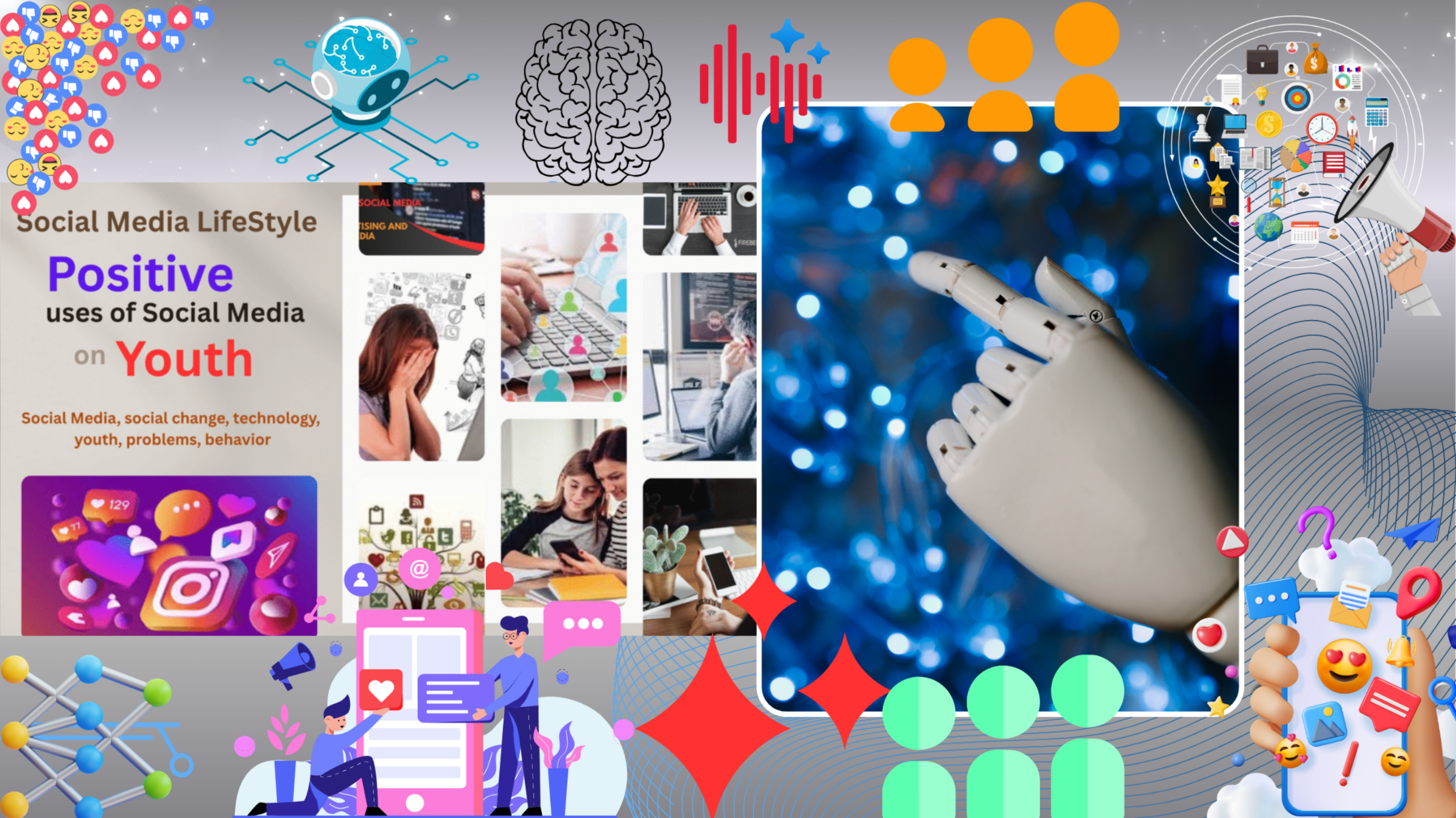
Social media and social change are now deeply connected in our daily lives. This article explains how social media influences young people, education, mental health, behavior, and society while exploring both its advantages and challenges in a simple and practical way.
Social Media and Social Change How Technology Is Transforming Youth, Society, and Human Behavior in 2026
Today's World
Social media has become one of the most influential inventions of modern times. Almost every person with internet access uses social platforms daily. What started as a simple communication tool has now become a powerful force that shapes opinions, lifestyles, businesses, education, and even political movements.
Today, social media and social change are connected more than ever before. People can communicate instantly across continents, share knowledge within seconds, and create communities around common interests.
However, alongside these benefits come serious concerns that cannot be ignored. Young people are especially vulnerable to the negative side effects of excessive social media use.
This article from worldstan.com explains everything in simple language so every reader can understand how social media affects our modern world.
What Is Social Media
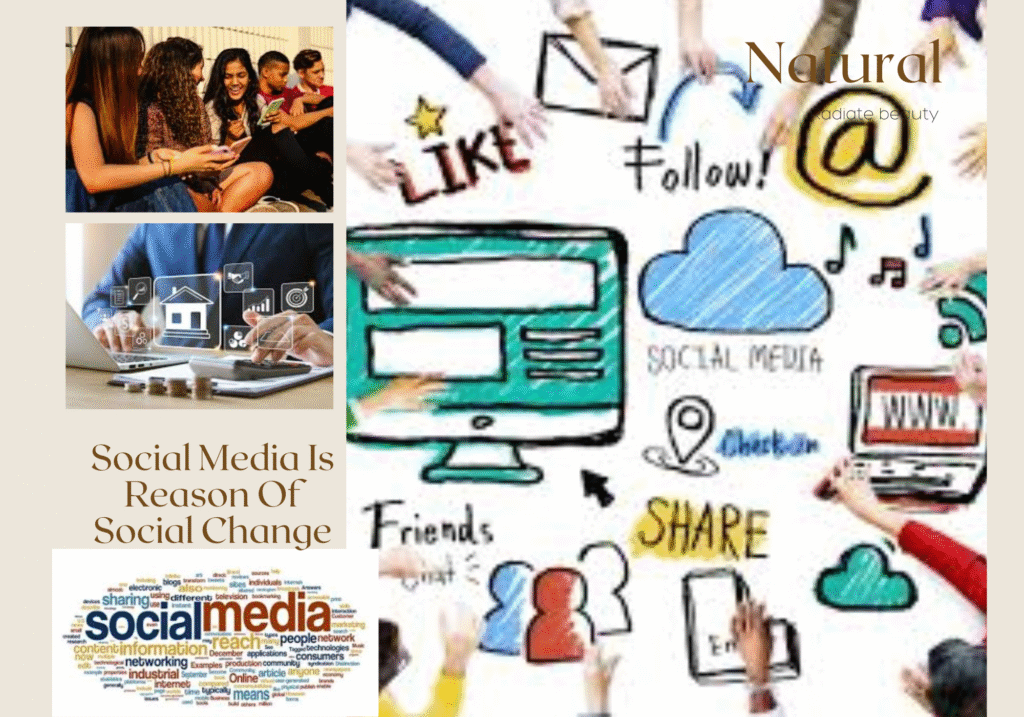
Social media refers to digital platforms that allow users to create, share, and exchange information online. People use these platforms to communicate, learn, entertain themselves, promote businesses, and build communities.
Popular platforms include Facebook, Instagram, X, TikTok, and YouTube.
These platforms have transformed how people live and interact with each other.
Why Is Social Media Driving Social Change
Social media allows information to spread faster than any traditional communication method.
Years ago, people depended on newspapers and television. Today, anyone with a smartphone can share news instantly.
This accessibility has changed how communities organize themselves and solve problems.
People can now:
- Raise awareness about important issues.
- Support social causes.
- Educate others.
- Create online communities.
- Promote charitable activities.
- Encourage positive societal changes.
Social media has become a voice for millions of people worldwide.
The Rise of Social Media Lifestyle
Social media is no longer just an application on a phone. It has become part of daily life.
People begin their mornings by checking notifications and often end their nights scrolling through updates.
This lifestyle affects:
- Shopping habits.
- Communication patterns.
- Entertainment choices.
- Learning methods.
- Work environments.
- Social relationships.
Technology has successfully integrated itself into almost every aspect of human life.
How Artificial Intelligence Is Improving Social Media
Artificial intelligence is quietly working behind every major social media platform.
AI studies user preferences and creates personalized experiences.
For example, if someone regularly watches educational videos, AI recommends similar content.
AI can also:
- Remove harmful content.
- Detect fake accounts.
- Identify cyberbullying.
- Suggest useful communities.
- Improve accessibility.
- Translate content automatically.
When used responsibly, AI can create safer online environments.
How Does Social Media Affect Young People
Young people are among the largest users of social media.
Their personalities, habits, and opinions often develop through digital interactions.
Positive effects include:
- Learning opportunities.
- Skill development.
- Global networking.
- Career inspiration.
- Creative expression.
However, there are also serious risks.
Young people may become dependent on online validation through likes and comments.
This dependency can negatively impact their confidence.
Can Social Media Affect Academic Performance
Yes, excessive use can reduce academic performance.
Students often lose focus due to constant notifications.
Many students struggle to balance screen time and study time.
Common academic problems include:
- Reduced concentration.
- Poor time management.
- Sleep deprivation.
- Lower productivity.
- Increased procrastination.
Setting digital boundaries can significantly improve learning outcomes.
The Psychological Effects of Social Media
Mental health concerns have increased globally.
Social media can create pressure to maintain unrealistic lifestyles.
Many users compare themselves to edited images and idealized lives.
This may lead to:
- Anxiety.
- Stress.
- Depression.
- Low self esteem.
- Emotional exhaustion.
Building healthy online habits is extremely important.
Social Media Addiction Among Youth
Social media addiction is becoming a major issue.
Many young people spend several hours every day scrolling through endless content.
Signs of addiction include:
- Constant phone checking.
- Difficulty disconnecting.
- Sleep disturbances.
- Reduced face to face interactions.
- Irritability when offline.
Parents, teachers, and communities should work together to promote balanced usage.
How Does Social Media Change Human Behavior
Human behavior has evolved dramatically.
People now seek digital approval through reactions and comments.
Some users become less comfortable with real world conversations.
Behavioral changes may include:
- Shorter attention spans.
- Increased dependency on technology.
- Reduced patience.
- Decreased physical activity.
- Greater emotional sensitivity.
Responsible digital habits can help reduce these effects.
The Positive Side of Social Media
Social media offers many valuable opportunities.
It can:
- Support education.
- Encourage creativity.
- Build businesses.
- Connect families.
- Promote social awareness.
- Help disaster response efforts.
Many organizations now rely on social media to deliver urgent information.
When used wisely, its benefits are enormous.
Problems and Challenges of Social Media
Despite its advantages, social media still presents major challenges.
Some of these include:
- Fake news.
- Privacy violations.
- Cyberbullying.
- Data security risks.
- Online scams.
- Excessive screen time.
Users must become digitally responsible to reduce these dangers.
How Can Society Use Social Media Responsibly
Responsible use begins with awareness.
Practical solutions include:
- Setting screen time limits.
- Taking regular digital breaks.
- Verifying information before sharing.
- Protecting personal data.
- Encouraging face to face communication.
- Promoting educational content.
Small changes can create healthier online experiences.
The Future of Social Media in 2026 and Beyond
Social media will continue evolving rapidly.
Artificial intelligence, virtual reality, and smarter algorithms will reshape online experiences.
Future developments may include:
- More personalized content.
- Improved online safety.
- Advanced educational tools.
- Better accessibility.
- Stronger misinformation controls.
Technology itself is not dangerous. How humans choose to use it will determine its future impact.
Why Understanding Social Media and Social Change Matters
Every generation experiences technological transformation, but the current generation is witnessing change at an unprecedented speed.
Understanding both the advantages and disadvantages of social media helps people make informed decisions.
Digital literacy has become as important as traditional education.
The future belongs to those who can balance technology with healthy human relationships.
How Artificial Intelligence Is Changing Social Media
Artificial intelligence has become a major part of modern social media platforms. AI studies user interests, online habits, and interactions to provide personalized experiences. It helps users discover content that matches their preferences and saves time by filtering unnecessary information.
How Do AI Features Work on Social Media
AI systems collect anonymous user activity such as watch time, searches, likes, comments, and engagement patterns. The technology then uses algorithms to recommend videos, posts, communities, and educational content that may interest users.
AI Features Available on Modern Social Media Platforms
- Personalized content recommendations.
- AI generated captions and subtitles.
- Spam and fake account detection.
- Cyberbullying prevention systems.
- AI chat assistants.
- Content moderation tools.
- Translation features.
- AI powered search experiences.
- Accessibility tools for users with disabilities.
- Safety alerts for suspicious activities.
Benefits of AI in Social Media
AI can improve user safety, reduce harmful content, support educational growth, and create a more personalized digital environment when used responsibly.
Conclusion
Social media and social change have permanently transformed modern society. It has created countless opportunities for education, communication, and global collaboration. At the same time, it has introduced challenges related to mental health, addiction, and behavioral changes.
The solution is not to avoid technology but to use it wisely. Responsible habits, proper education, and balanced digital lifestyles can help society enjoy the benefits while minimizing the risks. At worldstan.com, we believe that technology should empower people rather than control them. A healthy relationship with social media will help create a stronger, smarter, and more connected future for everyone.