

Underwater Surveillance from Space Explained
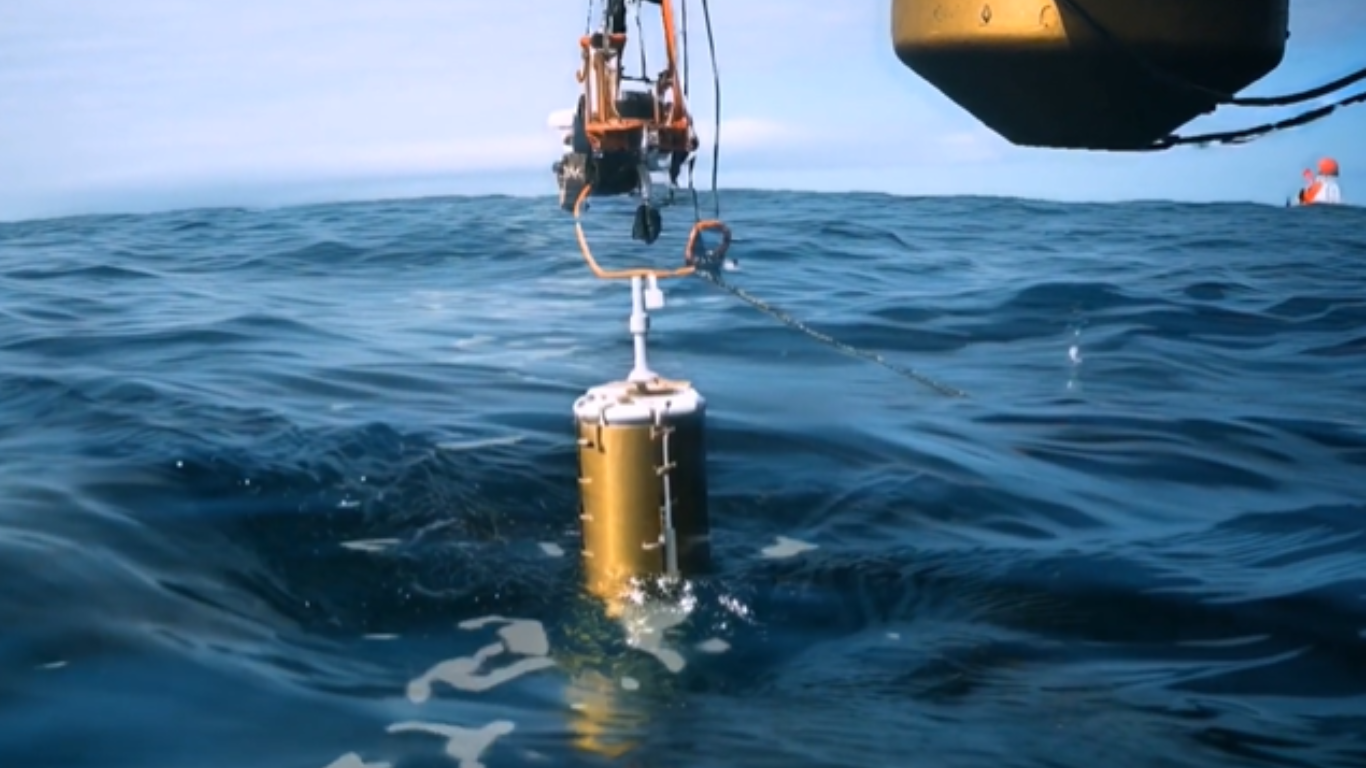
Underwater surveillance from space is changing how nations detect and monitor submarines, and this article explains how this technology works, why it matters, and what it means for global security.
Table of Contents
ToggleUnderwater Surveillance from Space The Emerging Tech for Tracking Submarines from Orbit
Let me put this as simply and clearly as possible.
For decades, submarines have been considered nearly invisible once they slip beneath the ocean surface. That invisibility gave them power. It made them strategic assets in warfare and deterrence. But things are changing fast. Today, we are entering a phase where space technology is beginning to challenge that invisibility.
From my perspective, this is one of the most fascinating shifts in modern defense technology. We are moving from listening underwater to watching from above. That is a completely different mindset.
Why Submarines Were Once Untouchable
Submarines were designed to avoid detection. Traditional systems relied heavily on sonar, which uses sound waves to locate objects underwater. This worked, but it had limits. Sound behaves unpredictably in water, and skilled operators could hide within layers of temperature and salinity.
I have seen how naval strategies relied on silence and patience. Submarines could stay hidden for weeks. That made them extremely dangerous and extremely valuable.
But relying only on underwater listening created blind spots. And those blind spots are exactly what new space-based systems are trying to eliminate.
How Underwater Surveillance from Space Actually Works:
Now here is where things get interesting.
Satellites cannot directly see deep underwater objects like submarines. That is a common misconception. Instead, they detect indirect signs. Think of it like reading footprints instead of seeing the person.
One method involves tracking surface disturbances. When a submarine moves, it creates a subtle wake pattern on the ocean surface. Advanced satellites can pick up these patterns using high-resolution imaging.
Another approach uses thermal differences. A submarine can slightly change the temperature of surrounding water. That change travels upward and can sometimes be detected from space using infrared sensors.
There is also the use of radar systems. Synthetic aperture radar can detect small anomalies on the ocean surface, even in rough weather. These anomalies may indicate movement beneath.
In my opinion, the real power comes when all these signals are combined using artificial intelligence. AI does not just look at one clue. It connects multiple weak signals into a strong conclusion.
Real World Example That Brings This to Life:
Let me give you a practical picture.
Imagine a submarine moving slowly in the open ocean. It believes it is undetected because it is silent. But above, a satellite passes overhead. It notices a faint wake pattern that does not match natural ocean movement. At the same time, another satellite detects a slight thermal variation.
Individually, these signals mean nothing. Together, they raise suspicion.
This data is then processed in real time. Within minutes, analysts receive an alert. Naval forces can then focus their attention on that specific area.
This is not science fiction anymore. This is where things are heading.
How SIGINT from Orbit is Changing Global Intelligence
The Role of Artificial Intelligence in This Shift:
I strongly believe that AI is the backbone of underwater surveillance from space.
The ocean is vast. The amount of data collected by satellites is massive. No human team can process it all manually. AI systems step in to filter, analyze, and detect patterns.
They learn what normal ocean behavior looks like. Then they highlight anything unusual.
This reduces false alarms and increases accuracy. It also speeds up decision-making. In military operations, speed often matters more than anything else.
Advantages of Tracking Submarines from Orbit:
There are clear benefits to this approach.
First, it provides global coverage. Satellites can monitor areas that are impossible to reach with ships or aircraft.
Second, it reduces dependence on traditional sonar systems. This is important because sonar can be limited by geography and environmental conditions.
Third, it enables continuous monitoring. Satellites do not get tired. They keep watching.
From a strategic point of view, this changes the balance. Nations that master this technology gain a significant advantage.
Challenges That Cannot Be Ignored:
Now, it would be unrealistic to say this technology is perfect.
There are serious challenges.
Ocean conditions can interfere with detection. Waves, storms, and natural currents create noise that can confuse sensors.
Submarines are also evolving. They are becoming quieter and more advanced. Some are designed to minimize surface disturbances.
There is also the issue of data overload. Even with AI, managing such vast information is complex.
In my opinion, the biggest challenge is reliability. A system is only useful if it can be trusted consistently.
Practical Solutions and What Needs to Improve:
To move forward, several things must improve.
Sensor technology needs to become more sensitive and precise. Better resolution means better detection.
AI models need continuous training. They must adapt to new patterns and behaviors.
Collaboration between countries and organizations can also help. Sharing data improves accuracy and coverage.
Another solution is combining space-based systems with traditional methods. Instead of replacing sonar, these technologies should work together.
This layered approach creates a stronger and more reliable detection system.
How This Technology Impacts Global Security:
This is where the conversation becomes bigger.
If submarines become easier to detect, the entire concept of naval deterrence changes. Countries may rethink their defense strategies.
From my perspective, this could lead to both stability and tension.
On one hand, better detection reduces the risk of surprise attacks. On the other hand, it may push nations to develop even more advanced stealth technologies.
Technology always creates a cycle. One innovation leads to another.
Why Worldstan Brings You This Perspective:
At Worldstan, the focus is not just on explaining technology but on making it meaningful.
What makes this discussion different is the way we connect technical ideas with real-world impact. We do not just describe systems. We explore what they mean for you, for global security, and for the future.
This is not recycled information. This is a carefully crafted perspective designed to give clarity and insight.
Conclusion
Underwater surveillance from space is not just a technological upgrade. It represents a shift in how we think about detection, security, and control of the oceans.
From what I see, the future will not belong to a single method. It will belong to systems that combine intelligence from multiple sources. Satellites, AI, and traditional tools will work together to create a clearer picture of what is happening beneath the surface.
The oceans have always been mysterious. That mystery is slowly fading. And as it does, the balance of power is evolving in ways we are only beginning to understand.