

AI-Integrated Satellite Analysis Explained
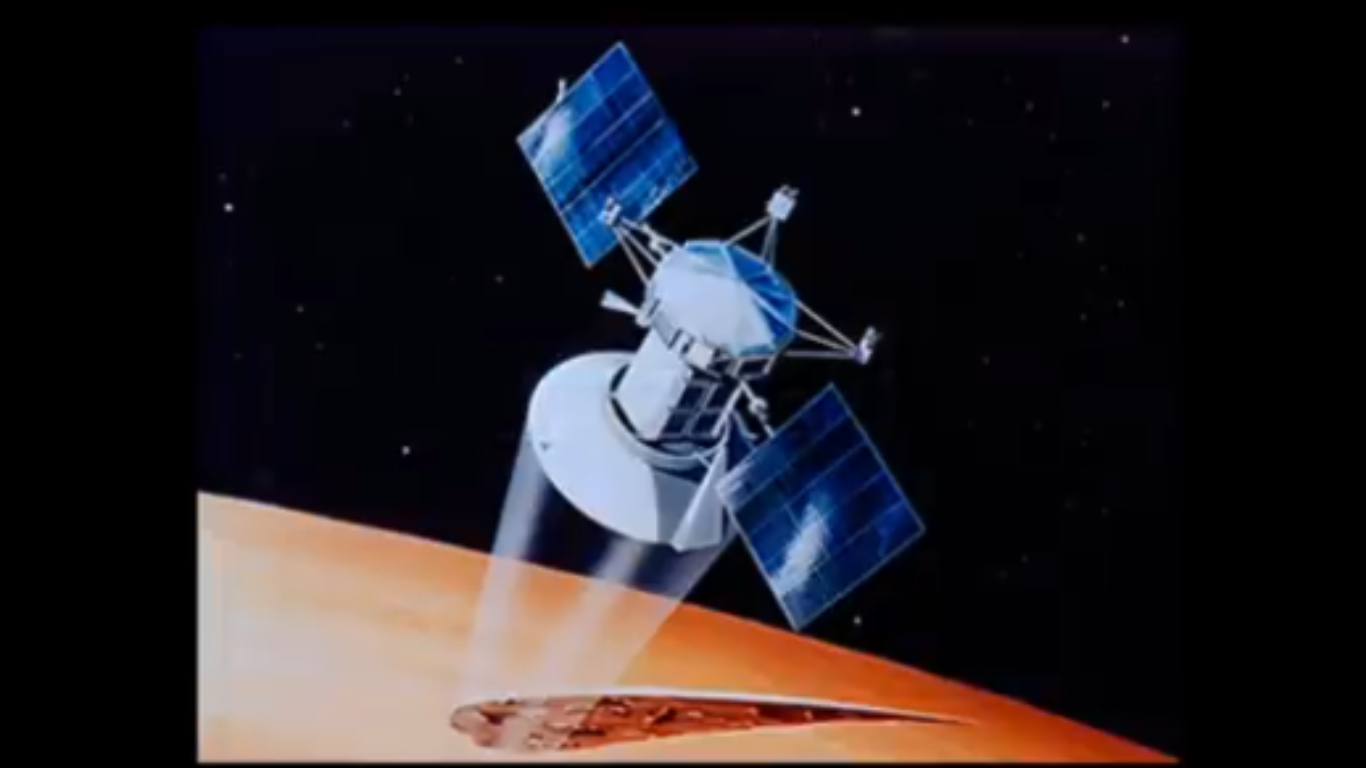
In a world where decisions depend on speed and accuracy, AI-integrated satellite analysis is changing how we see, understand, and respond to global events in real time.
Understanding the Shift Toward AI-Integrated Satellite Analysis
Let me explain this in the clearest, simplest terms. Satellites have been collecting massive amounts of data for decades, but the real challenge was never collecting it. The real challenge was understanding it quickly enough to make it useful.
Today, things have changed. AI-integrated satellite analysis is not just about collecting images from space. It is about turning those images into meaningful insights within seconds. That shift is powerful.
From my perspective, this is one of the most important technological transformations happening right now. It is not just about innovation. It is about making faster and smarter decisions in a world that moves very quickly.
Why Speed Matters More Than Ever
In traditional systems, satellite data would take hours or even days to process. By the time analysts reviewed the information, it was already outdated in many situations.
Now imagine a natural disaster. A flood hits a region. With older systems, response teams would rely on delayed images. With AI-integrated satellite analysis, they can see updated conditions almost instantly.
This speed saves lives. It improves coordination. It reduces confusion.
I have seen how delays in information can lead to poor decisions. That is why I strongly believe that speed is not just a technical advantage. It is a real-world necessity.
How AI Processes Satellite Big Data
Satellite systems generate enormous volumes of data every second. No human team can analyze this manually.
AI changes the game by identifying patterns automatically. It detects objects, tracks movement, and even predicts outcomes based on historical data.
For example, AI can scan thousands of satellite images and identify changes in terrain, unusual activity, or environmental shifts. It does this in minutes.
From a practical point of view, this means governments, companies, and organizations no longer have to guess. They can rely on data-driven insights.
Real-World Applications That Are Already Changing Industries
Let us look at how this technology is already being used.
In agriculture, farmers use AI-integrated satellite analysis to monitor crop health. They can detect problems early and take action before losses occur.
In defense, real-time satellite intelligence helps monitor borders and track movements. This improves national security and reduces risks.
In environmental monitoring, AI tracks deforestation, pollution, and climate changes. It provides clear evidence that supports global action.
These are not future ideas. These are happening right now.
From my experience, the most valuable technologies are the ones that solve real problems. This is exactly what AI-integrated satellite analysis does.
Satellite Constellations Transform Global Surveillance
The Role of Machine Speed in Decision Making
Machine speed is not just about being fast. It is about being consistent and reliable.
Humans can make mistakes, especially under pressure. AI systems, when properly trained, can process information without fatigue.
This does not mean AI replaces humans. Instead, it supports them. It gives them better tools.
Think of it like this. Instead of spending hours analyzing images, experts can focus on making decisions based on accurate insights.
That shift increases efficiency and improves outcomes.
Challenges That Still Need Attention
While the benefits are clear, there are also challenges.
Data privacy is one concern. Satellite systems collect detailed information, and managing this responsibly is critical.
Another issue is accuracy. AI models must be trained properly to avoid incorrect conclusions.
There is also the challenge of accessibility. Not every organization has access to advanced AI systems.
In my opinion, addressing these challenges is just as important as developing the technology itself. Responsible growth will determine long-term success.
Practical Solutions for Better Implementation
To make AI-integrated satellite analysis more effective, several steps can be taken.
First, organizations should invest in high-quality data. The effectiveness of AI depends entirely on the quality of the data it relies on.
Second, there should be continuous monitoring and improvement of AI models. This ensures accuracy over time.
Third, collaboration between governments, tech companies, and researchers can accelerate innovation.
I believe that shared knowledge will lead to better systems and wider access.
Why This Technology Stands Out Today
What makes AI-integrated satellite analysis unique is its ability to combine multiple technologies into one powerful system.
It brings together satellites, big data, and artificial intelligence. Each of these is strong on its own, but together they create something far more impactful.
From a broader perspective, this technology is shaping how we understand the world.
It allows us to see patterns that were invisible before. It helps us act faster and smarter.
That is why it is gaining so much attention globally.
The Future of AI in Satellite Intelligence
Looking ahead, the possibilities are even more exciting.
AI systems will become more accurate. They will process even larger datasets. They will provide deeper insights.
We may see fully automated systems that can detect, analyze, and respond to events without human intervention.
However, I believe human oversight will always remain important. Technology should support human judgment, not replace it completely.
The future will be about balance.
Satellite Hacking and Space Cyber Threats 2026
Worldstan’s Perspective on Innovation
At Worldstan, the focus is not just on reporting trends but understanding their real impact.
This platform aims to present complex technologies in a way that feels simple and practical. The goal is to help readers see how these innovations affect real life.
From my point of view, AI-integrated satellite analysis is not just another trend. It is a major step forward in how we use technology to solve global challenges.
And that is exactly why it deserves attention.
Conclusion
AI-integrated satellite analysis is changing how we understand the world. It brings speed, accuracy, and efficiency into areas where delays once caused serious problems. From disaster response to agriculture and security, its impact is already visible.
From my perspective, the real value of this technology lies in its ability to turn information into action. It’s about making smarter choices exactly when they matter most.
As this field continues to grow, the focus must remain on responsible use, accuracy, and accessibility. If handled correctly, it has the potential to reshape industries and improve lives on a global scale.
And here on Worldstan, the commitment remains clear. Deliver insights that are not only informative but meaningful, practical, and ahead of the curve.