
Table of Contents
ToggleSpace tugs are quietly becoming the backbone of modern space operations, changing how we rescue, move, and manage satellites in orbit.
The Role of Space Tugs in Modern Space Operations:
If you follow space technology even a little, you already know that satellites are everywhere. They guide your GPS, power your internet, and even help predict the weather. But here is something people rarely think about: what happens when a satellite goes wrong in space?
This is where space tugs come into the picture. In my opinion, they are one of the most underrated yet powerful innovations in the aerospace world today. These machines are not flashy like rockets, but they solve real problems that cost millions of dollars.
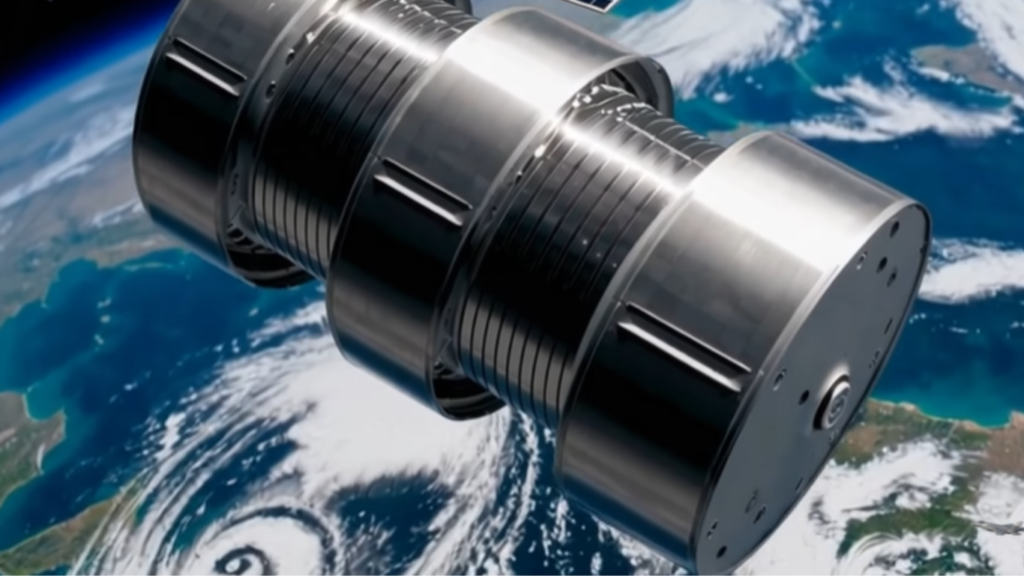
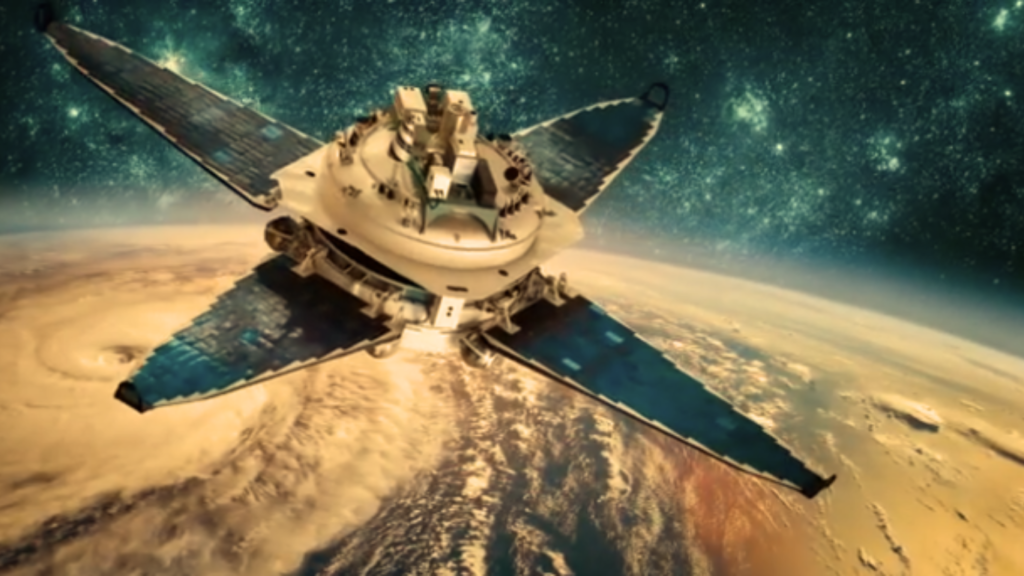
Space tugs are designed to move satellites, repair them, or even rescue them when they drift off course. Instead of abandoning a failing satellite, companies can now fix or reposition it. That changes everything.
Why Satellites Get Into Trouble:
Satellites operate in a very harsh environment. There is no air, extreme temperatures, and constant exposure to radiation. Even a small mistake in positioning can cause big issues.
From what I have seen in real-world cases, satellites usually face three main problems. First, they run out of fuel. Second, they suffer technical failure. Third, they collide or risk collision with space debris.
When any of these things happen, the satellite becomes a liability instead of an asset. In the past, there was almost nothing engineers could do. They would simply let the satellite die.
Now, space tugs offer a practical solution.
How Space Tugs Actually Work:
Let me explain this in the clearest, simplest terms.
A space tug is like a tow truck, but for space. It attaches itself to a satellite and moves it to a new orbit or position.
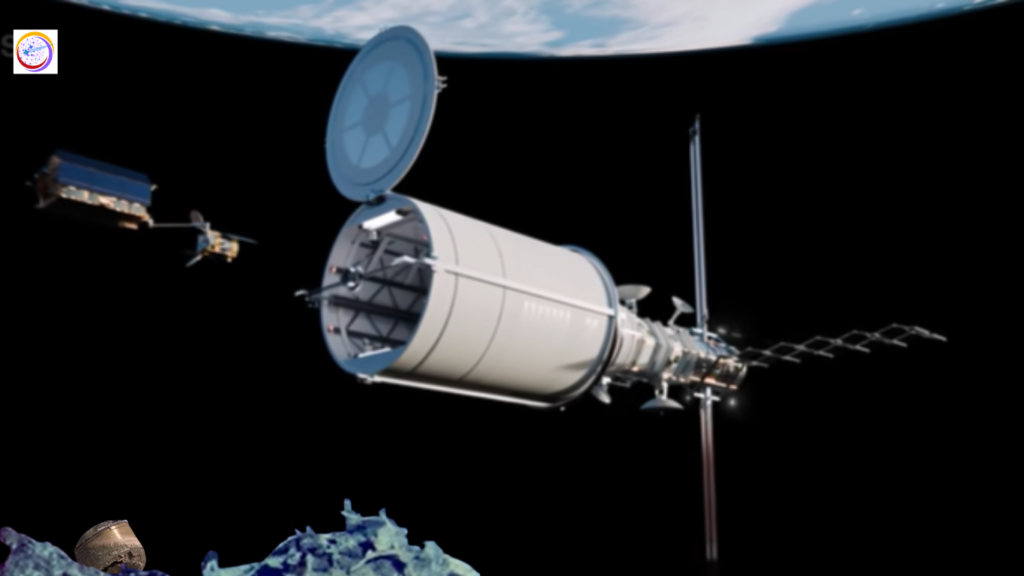
Some advanced space tugs can even perform repairs or refueling. They are equipped with robotic arms, propulsion systems, and smart navigation tools.
What makes them truly impressive is their precision. Moving something in space is not like driving on Earth. One small push can send an object drifting forever. Space tugs calculate every movement very carefully.
In my view, this level of control is what makes them so valuable.
Emergency Maneuvering and Satellite Rescue:
Imagine a satellite suddenly losing control and drifting toward another satellite. This could cause a collision that creates thousands of debris pieces.
Space tugs can step in during such emergencies. They can quickly reach the satellite and push it into a safe orbit.
This is not just theory. Companies are already testing these systems, and early results are very promising.
From a practical perspective, this means fewer losses and safer space operations. It also reduces the risk of chain-reaction collisions, which experts call a major threat to future space missions.
Relocation of Distressed Satellites:
Sometimes a satellite is not broken but just in the wrong place. This might happen due to launch errors or fuel limitations.
Instead of launching a new satellite, a space tug can simply move the existing one.
This saves time, money, and resources. In fact, I believe this is one of the biggest advantages of space tugs.
Relocation also helps companies optimize their satellite networks. They can adjust positions based on demand without launching new equipment.
Extending Satellite Lifespan:
One of the most exciting benefits of space tugs is life extension.
Satellites are expensive. Building and launching one can cost hundreds of millions of dollars. If a space tug can extend its life by even a few years, the savings are huge.
Refueling is a key part of this. Once a satellite runs out of fuel, it cannot maintain its orbit. A space tug can dock with it and provide additional fuel.
In my opinion, this is similar to giving a second life to a machine that would otherwise be useless.
Space Debris Management and Sustainability:
Space is becoming crowded. There are thousands of active satellites and millions of debris fragments.
This creates a serious problem. Even a tiny piece of debris can damage a satellite.
Space tugs can help clean up this mess. They can capture dead satellites and move them to safe disposal orbits.
This is important for long-term space sustainability. Without cleanup efforts, space could become too dangerous for future missions.
I strongly believe that space tugs will play a major role in keeping space usable for future generations.
Commercial Opportunities and Industry Growth:
The rise of space tugs is also creating new business opportunities.
Private companies are investing heavily in this technology. They see a future where satellite servicing becomes a standard industry.
From what I observe, this market is only going to grow. As more satellites are launched, the need for maintenance and rescue will increase.
This is similar to how the automotive industry created repair and maintenance services. Space is now moving in the same direction.
Challenges and Limitations:
Of course, space tugs are not perfect.
There are technical challenges, such as docking with different satellite designs. Not all satellites are built for servicing.
Cost is another factor. While space tugs save money in the long run, initial development and deployment can be expensive.
There are also legal and regulatory issues. Who owns a satellite once a tug attaches to it? What happens in case of failure?
These questions still need clear answers.
The Future of Space Tugs:
Looking ahead, I see space tugs becoming a standard part of space missions.
Future satellites may be designed specifically to work with them. This will make servicing easier and more efficient.
We may also see autonomous space tugs powered by AI, capable of making decisions in real time.
In my opinion, this is just the beginning. Space tugs will not only rescue satellites but also help build and maintain space infrastructure.
Conclusion:
Space tugs are not just another space technology; they represent a shift in how we think about satellites. Instead of treating them as disposable, we now see them as maintainable and reusable assets. From emergency rescue to long-term sustainability, their role is expanding rapidly. In my view, space tugs will soon become as essential to space operations as rockets themselves, shaping a smarter and more responsible future beyond Earth.
FAQs:
- What are space tugs used for?
They are used to move, repair, and rescue satellites in orbit. - Can space tugs repair satellites?
Yes, advanced models can perform basic repairs and refueling. - Why are space tugs important?
They reduce costs, prevent debris, and extend satellite life. - Are space tugs already in use?
Yes, several companies are testing and deploying them. - How do space tugs attach to satellites?
They use docking systems or robotic arms. - Can space tugs remove space debris?
Yes, they can capture and relocate debris. - Are space tugs expensive?
They require investment but save money over time. - Who builds space tugs?
Both government agencies and private companies. - Will all satellites use space tugs in the future?
Most likely, especially newer designs. - Are space tugs autonomous?
Some are partially autonomous, and future ones will be fully autonomous.