

The Rise of Kinetic Kill Vehicles in Modern War
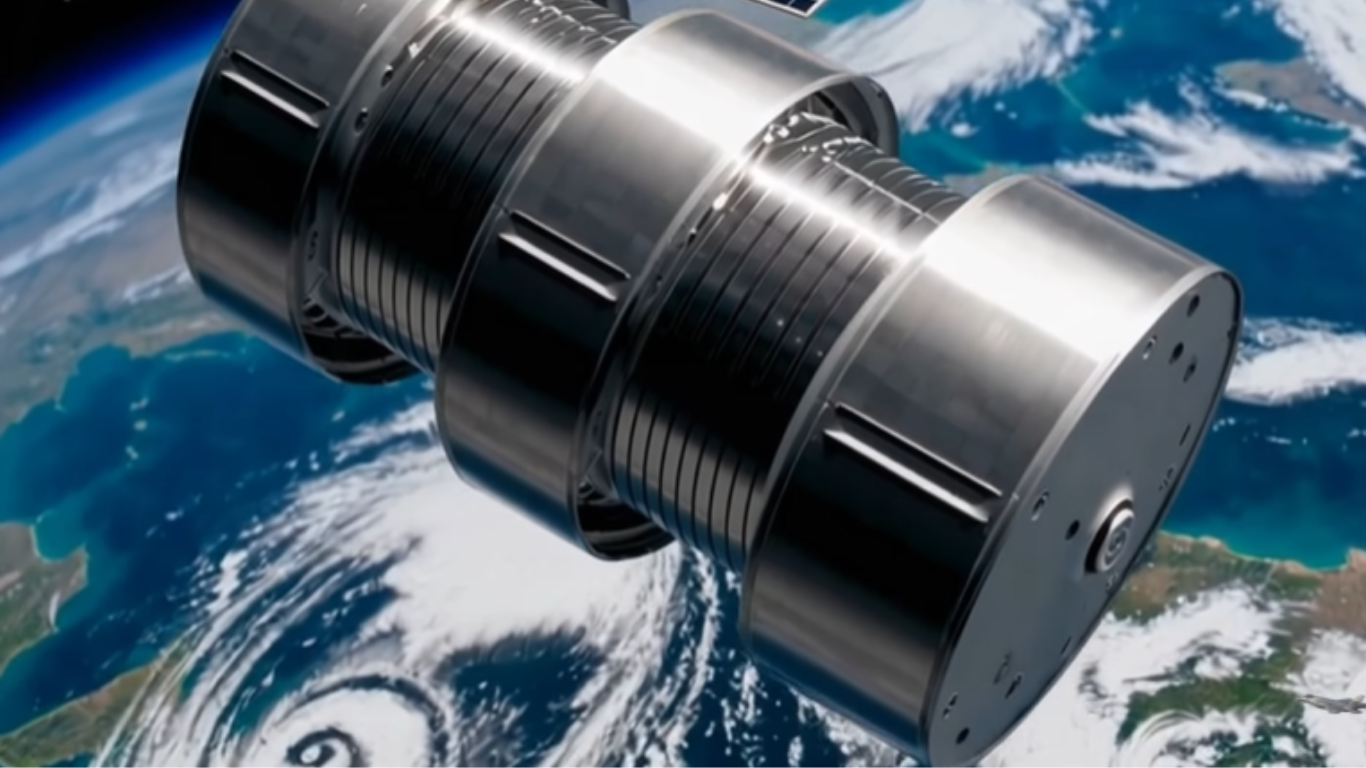
Kinetic kill vehicles are changing the way wars are fought, using nothing but speed and precision to stop deadly threats before they even reach their target.
Kinetic Kill Vehicles (KKVs) The Science of Defeating Threats with Pure Velocity
If I explain this in the simplest way, kinetic kill vehicles are not about firepower, they are about timing and precision. There is no explosion involved, no dramatic blast in the sky. Instead, the entire idea depends on one thing, speed. Extreme speed.
Think of it like this. If a small object is moving fast enough, it does not need explosives to destroy something. The energy it carries becomes the weapon itself. This is the foundation of kinetic kill vehicles.
From my perspective, this is one of the most fascinating shifts in modern warfare. We are moving away from traditional destruction methods and entering a phase where physics becomes the main tool of combat.
https://worldstan.com/space-satellite-intelligence/orbital-defense/
What Kinetic Kill Vehicles Really Are
Kinetic kill vehicles, often called KKVs, are advanced missile defense components designed to intercept and destroy incoming threats by direct collision. The concept is known as hit to kill technology.
Instead of detonating near a target, these systems aim to strike it directly. The accuracy required is extremely high. Imagine hitting a bullet with another bullet in space. That is the level of precision we are talking about.
In real-world systems, these vehicles are part of larger missile defense systems. They are usually launched to intercept ballistic missiles during their midcourse phase, which often happens outside the Earth’s atmosphere.
I find this particularly interesting because it shows how far targeting systems have evolved. Years ago, such accuracy seemed impossible. Today, it is becoming standard.
How Kinetic Kill Vehicles Work
Let me break this down in a very simple way.
First, a threat is detected. This could be a ballistic missile or another high-speed object. Advanced radar and satellite systems track its path.
Second, a missile carrying the kinetic kill vehicle is launched. This missile does not destroy the target itself. Instead, it releases the KKV in space.
Third, the KKV uses onboard sensors, guidance systems, and sometimes infrared tracking to locate the target.
Finally, it adjusts its path in real time and collides with the target at extremely high speed.
That impact alone generates enough energy to completely destroy the threat.
From my experience analyzing defense technologies, this final moment is where everything comes together. Even a tiny error can cause a miss. That is why these systems rely heavily on artificial intelligence and advanced computing.
Why Speed Becomes the Weapon
Here is where things get really interesting.
The destructive power of kinetic kill vehicles comes from kinetic energy.
The speed of an object directly affects how much energy it holds.
When that energy is released on impact, the result is devastating.
No explosives are needed. No warhead is required.
In my opinion, this approach solves many problems associated with traditional weapons. There is less risk of accidental detonation, reduced collateral damage, and more controlled engagement.
This is why many modern defense systems are shifting toward this model. It is cleaner, more precise, and far more efficient in specific scenarios.
Real World Examples of KKV Technology
You might wonder if this is just theory. It is not.
Systems like the Ground Based Midcourse Defense program already use kinetic kill vehicles to intercept incoming threats. These systems have been tested multiple times and continue to improve.
Another example is the SM 3 missile system, which uses hit to kill technology to destroy ballistic missiles in space.
From my perspective, these systems represent the beginning of a much larger shift. As threats become faster and more complex, interception methods must evolve as well.
The Role of KKVs in Modern Warfare
Modern warfare is no longer limited to land, sea, and air. Space has become a critical domain.
Kinetic kill vehicles play a key role in this environment. They allow nations to defend against long-range missile attacks and potentially protect satellites from hostile threats.
What stands out to me is how silent and invisible these operations can be. There is no explosion visible from the ground, no loud impact. Yet, a major threat gets neutralized in seconds.
This quiet efficiency is what makes KKVs so powerful.
Advantages of Kinetic Kill Vehicles
There are several reasons why these systems are gaining attention.
First, precision. They target only the threat, reducing unnecessary damage.
Second, safety. Without explosives, the risks associated with handling and storage are lower.
Third, effectiveness. At high speeds, the impact is more than enough to destroy even hardened targets.
Fourth, adaptability. These systems can be integrated into various missile defense systems.
Personally, I believe the biggest advantage is control. Decision-makers can rely on a system that does exactly what it is designed to do, without unpredictable outcomes.
Challenges and Limitations
However, it is not all perfect.
The biggest challenge is accuracy. Hitting a fast-moving object in space requires extremely advanced technology.
Another issue is cost. Developing and maintaining these systems is expensive.
There is also the challenge of countermeasures. Adversaries can use decoys or maneuvering warheads to confuse interception systems.
From my point of view, these challenges are not barriers, they are part of the evolution process. Every new technology faces resistance before it becomes reliable.
Future of Kinetic Kill Vehicles
Looking ahead, kinetic kill vehicles are expected to become even more advanced.
We are likely to see integration with artificial intelligence, allowing faster decision-making and improved targeting.
There is also potential for space-based defense systems that can respond instantly to threats.
In my opinion, the future battlefield will rely heavily on speed, automation, and precision. KKVs fit perfectly into this vision.
They are not just a weapon. They are a statement about how warfare is changing.
Practical Perspective and My Take
If you ask me, the real value of kinetic kill vehicles lies in prevention. These systems are designed to stop threats before they cause damage.
That alone makes them one of the most important innovations in defense technology.
However, with great power comes responsibility. The use of such advanced systems must be carefully managed to avoid escalation.
I strongly believe that while technology continues to evolve, the focus should always remain on stability and security.