

Ethics of Autonomy in AI Warfare Explained
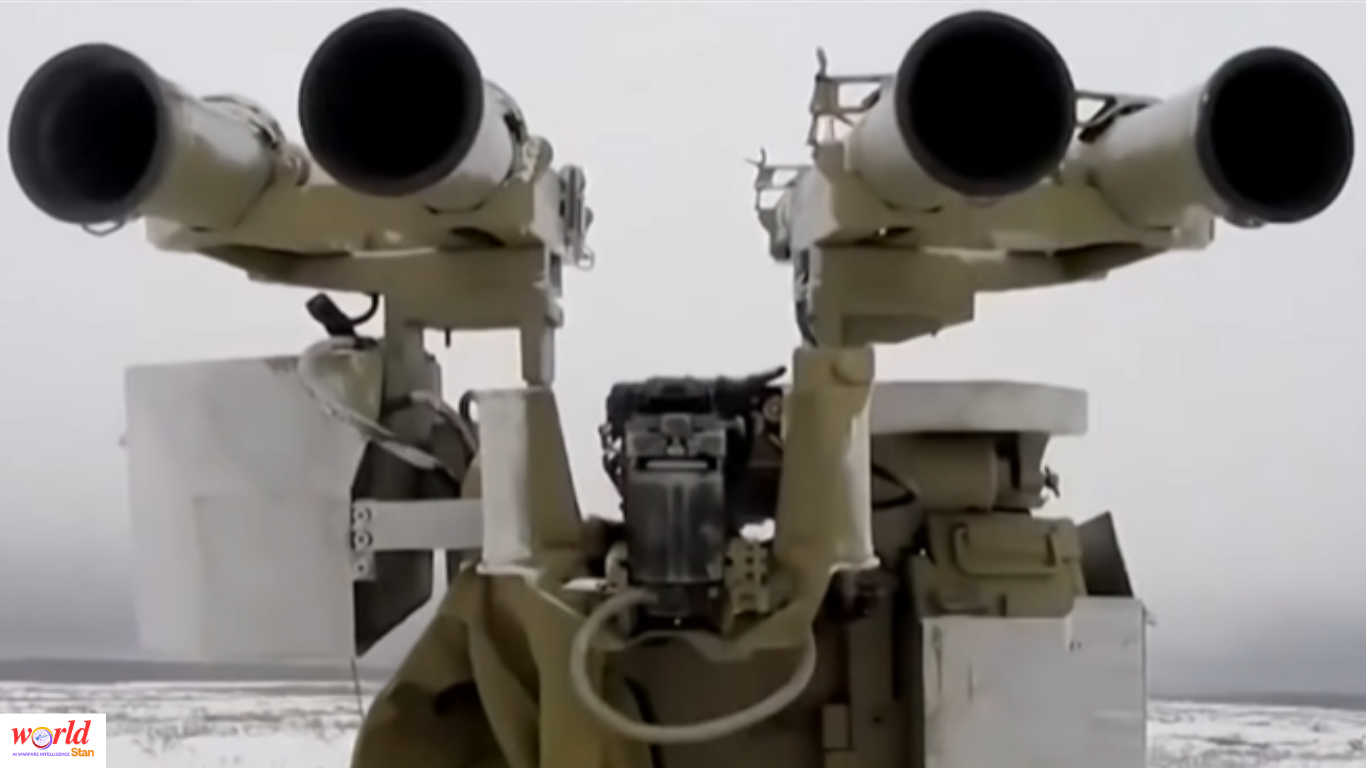
The ethics of autonomy is no longer a future question; it is a present reality where machines can decide, act, and sometimes even harm, raising one unavoidable question: when a robot makes a decision, who truly carries the responsibility?
The Ethics of Autonomy Who is Responsible for a Robot’s Actions
If you and I were having a real conversation, I would start by saying this: technology has moved faster than our ability to define right and wrong around it. We built machines to assist us, then to think for us, and now we are entering a phase where machines can act without waiting for our approval. That shift sounds efficient on paper, but it carries a deep moral weight that most people still underestimate.
The ethics of autonomy is not just about robots behaving correctly. It is about human responsibility hiding behind intelligent systems. It is about the uncomfortable truth that we might create something capable of making decisions, yet we are not ready to accept the consequences of those decisions.
From my perspective, this is not just a technical issue. It is a human issue. It reflects how we deal with power, control, and accountability. Every time we delegate decision making to a machine, we are also shifting responsibility, whether we admit it or not.
Let me walk you through this in the simplest way possible.
Lethal Autonomy The debate over Killer Robots
The phrase killer robots sounds like something from a movie, but it is already part of real-world discussions. Autonomous weapons are systems that can identify and engage targets without direct human control. That means a machine could decide who lives and who does not.
Now pause for a moment and think about that.
In traditional warfare, a human soldier makes the final call. There is hesitation, judgment, and sometimes even mercy. A machine does not feel any of that. It operates on data, patterns, and probabilities. It does exactly what it is programmed to do, nothing more and nothing less.
Supporters of autonomous weapons argue that machines can reduce human error. They say robots do not panic, do not act out of anger, and do not make emotional mistakes. In theory, that sounds like an improvement.
But here is where I push back.
A machine also does not understand context. It cannot truly interpret human behavior in complex situations. A child holding an object could be misidentified as a threat. A civilian could be caught in a pattern that resembles hostile movement. These are not hypothetical concerns. These are real risks.
The debate over killer robots is not really about machines. It is about trust. Do we trust systems that cannot understand morality to make life and death decisions?
Personally, I believe the answer is not a simple yes or no. It depends on how much control we are willing to give up, and more importantly, how much responsibility we are willing to take back.
The Accountability Gap Who takes the blame for a robot’s mistake
Now we arrive at what I consider the most serious issue: the accountability gap.
Imagine an autonomous system makes a mistake. It targets the wrong person. It causes damage that was never intended. What happens next?
Do we blame the programmer who wrote the code
Do we blame the company that built the system
Do we blame the military that deployed it
Or do we blame the machine itself
Here is the problem. None of these answers feel complete.
This gap exists because responsibility becomes diluted. Each layer of development and deployment adds distance between the action and the human who could be held accountable.
In simple terms, the more autonomous a system becomes, the harder it is to point a finger when something goes wrong.
From my experience analyzing these systems, I see a pattern. Organizations often focus heavily on performance and efficiency, but they do not invest equally in responsibility frameworks. That imbalance creates risk.
A practical solution, in my opinion, is clear accountability mapping. Every autonomous system should have a defined chain of responsibility. Not vague statements, but precise roles. Who approves the system, who monitors it, who overrides it, and who answers for its actions.
Without that clarity, autonomy becomes a shield behind which responsibility disappears.
International Law Applying the Geneva Convention to AI
Now let us bring this into the legal world.
The Geneva Convention was designed to regulate human conduct in war. It defines rules around targeting, treatment of civilians, and proportional use of force. These rules assume that a human is making decisions.
But what happens when a machine is making those decisions?
This is where things become complicated.
Current international law does not fully address autonomous systems. It was not built for a world where algorithms could decide when to strike. That creates uncertainty, and uncertainty in law is always dangerous.
Some experts argue that existing laws can still apply. They say that responsibility should remain with the humans who deploy these systems. Others believe new laws are necessary because autonomy introduces entirely new challenges.
I tend to agree with the second view.
We cannot simply stretch old laws to fit new realities. We need updated frameworks that directly address autonomous decision making. These frameworks should define limits, enforce transparency, and ensure that human values are not lost in technical processes.
A real-world example can help here. Think about how cybersecurity laws evolved over time. At first, there were gaps. Then regulations adapted. The same must happen with AI.
If we fail to update international law, we risk creating a space where powerful technologies operate without clear boundaries.
Human in the loop The necessity of human oversight in combat
Let me explain this as simply as possible.
Human in the loop means a human must approve or supervise critical decisions made by a machine. It acts as a safety layer.
In my view, this is not optional. It is essential.
Autonomous systems can process information faster than any human. They can analyze data in real time and respond quickly. But speed should not replace judgment.
A human brings something a machine cannot. Context, ethics, and responsibility.
There are different levels of human involvement. Some systems require full human approval before action. Others allow machines to act but under human supervision. The more autonomy increases, the more careful we must be about where humans remain involved.
Here is the practical solution I would recommend.
Keep humans in control of lethal decisions. Always. No exceptions.
Machines can assist, analyze, and recommend, but the final decision should remain human. This approach balances efficiency with accountability.
I know some people argue that this slows down operations. That may be true. But speed without control is not progress. It is risk.
Conclusion
If you take one thing from this entire discussion, let it be this: the ethics of autonomy is not about machines replacing humans. It is about humans deciding how much responsibility they are willing to keep.
We are at a turning point. The choices we make today will define how these systems operate in the future. If we prioritize efficiency over ethics, we may create systems we cannot fully control. If we prioritize responsibility, we can build technology that serves us without undermining our values.
From my perspective, the path forward is clear. We need stronger accountability, updated laws, and unwavering human oversight. These are not obstacles to innovation. They are foundations for sustainable progress.
At Worldstan, the goal is not just to report on technology but to question it, challenge it, and guide it toward responsible use. Because in the end, technology does not define us. Our decisions do.