

How Negative Prompting Improves AI Images
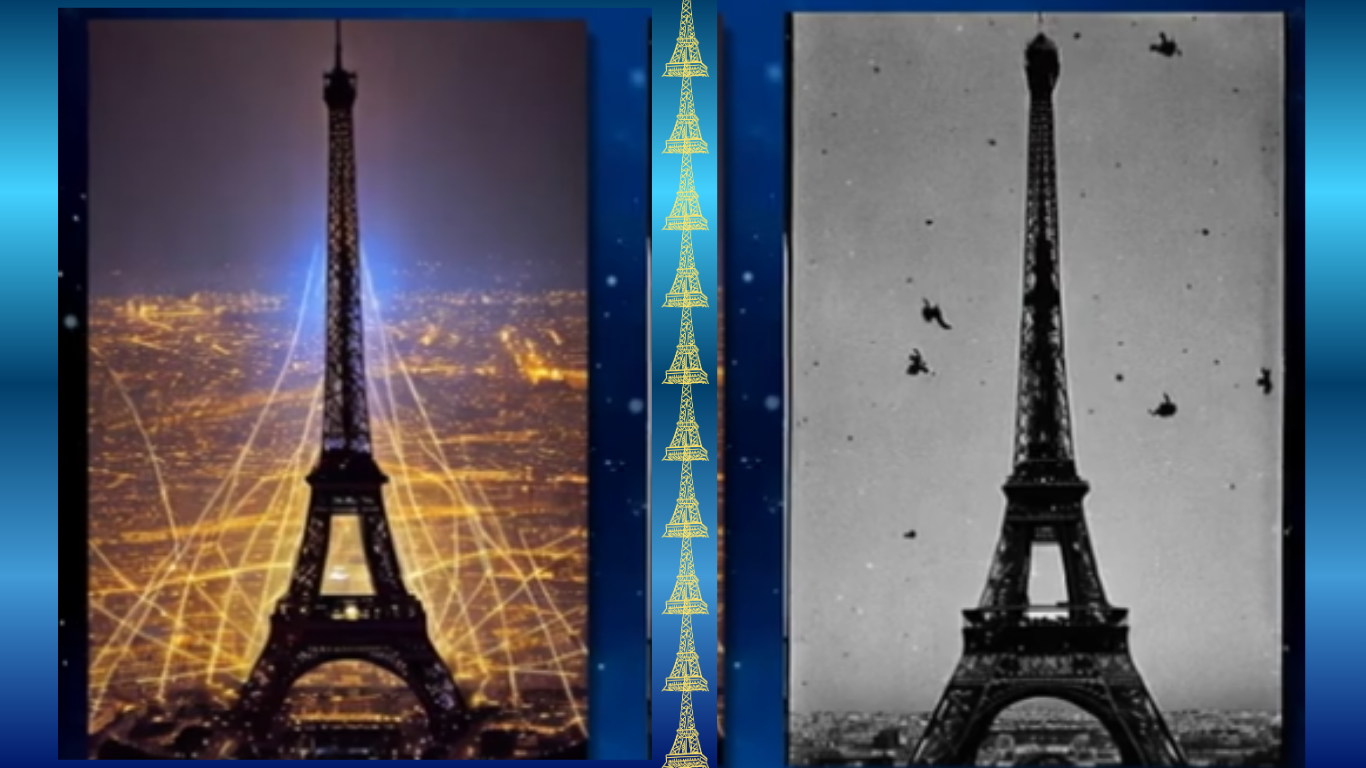
Artificial intelligence can create stunning visuals and impressive content, but sometimes the smallest unwanted detail can ruin the final result. This article explores how Negative Prompting helps creators gain better control over AI outputs, improve image quality, and remove distracting elements while building smarter and more professional creative workflows.
Negative Prompting Eliminating Unwanted Elements
Artificial intelligence has changed the creative industry faster than most people expected. Designers, marketers, filmmakers, bloggers, and even small business owners now use AI tools every single day. Yet many users still struggle with one frustrating problem. AI often adds strange objects, distorted faces, extra fingers, blurry backgrounds, awkward text, or unnecessary visual clutter that nobody asked for.
This is where Negative Prompting becomes extremely valuable.
In simple words, Negative Prompting tells an AI system what should not appear in the final output. Instead of only explaining what you want, you also define what you want to avoid. That small adjustment can dramatically improve the quality of AI generated content.
I personally believe Negative Prompting is one of the most overlooked techniques in modern AI creativity. Many beginners spend hours rewriting prompts while ignoring the power of telling the system exactly what to remove. Once you understand this process, the entire experience becomes smoother, faster, and far more professional.
Platforms like Worldstan strongly believe that AI should not replace creativity. Instead, it should sharpen human imagination and give creators more control over their vision.
Why Negative Prompting Matters in AI Creation
Many AI users expect perfect results after writing one simple instruction. Unfortunately, AI systems do not think like humans. They identify patterns based on the data they were trained on.
Because of this, they may introduce random or irrelevant details into the output.
For example, imagine asking an AI tool to create a professional business portrait. Instead of a clean image, the system may generate distorted hands, unrealistic eyes, duplicate accessories, or strange background objects. These issues are common because AI models try to fill empty gaps with assumptions.
Negative Prompting helps solve this challenge.
When you specifically instruct the system to avoid blurry textures, extra limbs, low quality lighting, duplicate objects, watermark text, or cartoon effects, the AI becomes more focused on producing cleaner results.
I have seen creators improve their output quality by nearly fifty percent simply by using effective negative prompts. That is not marketing hype. It is practical workflow improvement.
Understanding How Negative Prompting Works
Think of AI generation like giving instructions to an artist. If you only say, “Paint a beautiful landscape,” the artist has freedom to interpret many things differently. But if you also say, “Do not include rain, dark clouds, buildings, or people,” the final artwork becomes much closer to your vision.
AI behaves similarly.
A positive prompt defines desired elements. A negative prompt removes unwanted possibilities.
For example:
Positive Prompt:
“A cinematic portrait of a businessman in modern office lighting.”
Negative Prompt:
“Blurry image, low quality, distorted face, extra fingers, watermark, repeated objects, poor anatomy.”
This combination creates more refined results because the AI understands both the target and the limitations.
In my opinion, this approach feels less like commanding software and more like directing a creative production team.
Common Problems Solved by Negative Prompting
One reason Negative Prompting has become so popular is its ability to solve recurring AI generation mistakes.
Many creators experience:
Low image quality
Unnatural anatomy
Messy backgrounds
Poor lighting
Extra objects
Distorted hands
Oversaturated colors
Text artifacts
Watermarks
Unwanted shadows
Without Negative Prompting, users often regenerate images repeatedly, wasting time and computing resources.
I once tested two identical prompts in an AI art platform. The first used only positive instructions. The second included detailed negative prompts. The difference was obvious immediately. The second image looked cleaner, sharper, and significantly more realistic.
That experience completely changed my view about prompt engineering.
Negative Prompting in AI Art Platforms
Popular AI tools like OpenAI, Midjourney, and Stability AI have made prompt engineering a major topic in digital creativity.
Every platform handles prompts slightly differently, but the concept remains the same.
In AI art generation, Negative Prompting can help remove:
Anime styles when realism is needed
Cartoon effects in professional visuals
Low detail textures
Unwanted body parts
Background distractions
Color inconsistencies
Professional creators now build entire libraries of reusable negative prompts for different projects. Fashion designers use them to improve fabric details. Architects use them to avoid unrealistic structures. Marketing agencies use them to create cleaner promotional visuals.
This is no longer an experimental technique. It has become a professional standard.
Practical Strategies for Better Negative Prompting
Many beginners make one major mistake. They create extremely long negative prompts without understanding their purpose.
The best approach is balance.
A strong negative prompt should be clear, relevant, and connected to the project goals.
For portrait photography prompts, focus on:
Bad anatomy, blurry face, low resolution, extra limbs, duplicate eyes, poor lighting.
For landscape visuals, focus on:
Fog distortion, unrealistic buildings, low texture quality, oversaturated colors.
For product advertising, focus on:
Text artifacts, watermark, blurry edges, distorted packaging.
Let me explain this in the clearest and most straightforward way possible.
Negative Prompting works best when you think about problems before they happen. Instead of fixing errors later, you guide the AI away from mistakes from the beginning.
That mindset saves enormous time.
The Human Side of AI Creativity
Some people worry that AI tools remove originality from creative industries. I understand that concern. However, I think the opposite can also be true when AI is used responsibly.
Negative Prompting actually increases human control.
Instead of accepting random machine generated outputs, creators actively shape the final direction. They refine quality, define standards, and maintain artistic consistency.
That process still requires human judgment.
AI may generate possibilities, but humans decide what deserves attention.
Worldstan supports this balanced perspective because creativity should never become passive automation. Technology works best when guided by thoughtful human decisions.
Real World Use Cases of Negative Prompting
The practical applications are expanding rapidly across industries.
E commerce companies use Negative Prompting to remove distracting shadows and unrealistic product textures from advertising images.
Gaming studios use it to improve character realism and reduce visual glitches.
Film production teams experiment with AI storyboards while filtering out distorted cinematic frames.
Educational creators generate cleaner infographics by removing unnecessary symbols and messy layouts.
Even social media influencers use Negative Prompting to maintain consistent visual branding.
I recently observed a small startup improve its marketing visuals dramatically by applying structured prompt engineering techniques. Their advertisements suddenly looked more premium and trustworthy. Customers responded positively because cleaner visuals naturally improve audience confidence.
Mistakes People Should Avoid
Although Negative Prompting is powerful, it can also create problems if overused.
One common mistake is adding too many restrictions. When prompts become overloaded with exclusions, the AI may struggle to produce coherent results.
Another mistake is copying random negative prompts from internet forums without understanding them. Not every prompt works equally for every platform.
I recommend testing prompts gradually.
Start simple. Observe the output. Add restrictions only when necessary.
Professional AI creativity is not about stuffing prompts with hundreds of keywords. It is about precision and smart guidance.
The Future of Negative Prompting
AI systems are becoming more advanced every year. Future tools will likely understand context better, reducing the need for excessive corrections. Still, Negative Prompting will remain valuable because creative control always matters.
As generative AI expands into architecture, healthcare visualization, filmmaking, education, and product design, creators will demand greater precision and reliability.
Prompt engineering itself may even become a specialized career path.
That future is closer than many people realize.
Businesses already search for professionals who understand how to guide AI systems efficiently. Those skills are becoming commercially valuable.
I believe the creators who learn advanced prompting today will have a significant advantage tomorrow.
Why Worldstan Focuses on Practical AI Education
Many online discussions about AI feel overly technical or unnecessarily complicated. Worldstan follows a different philosophy.
People do not just want theories. They want practical solutions that improve real projects.
That is why understanding Negative Prompting matters so much. It gives creators immediate improvements without requiring advanced coding knowledge.
A beginner can start experimenting today and see visible progress within hours.
In my view, that accessibility is one of the most exciting aspects of modern AI technology.
Conclusion
Negative Prompting is far more than a trendy AI phrase. It is a practical strategy that helps creators remove distractions, improve quality, and gain stronger control over AI generated outputs.
Whether you are designing marketing visuals, creating digital art, building social media campaigns, or experimenting with generative AI tools, this technique can dramatically improve your results.
The biggest lesson is simple. AI works best when humans provide both direction and boundaries.
That balance creates cleaner visuals, stronger creativity, and more professional outcomes.
As AI technology continues evolving, the creators who master thoughtful prompting techniques will stand out from the crowd. Worldstan believes the future belongs to people who combine human imagination with intelligent AI guidance in a responsible and creative way.