
Skip to content
  • HOME
  • AI
    • AI RESEARCH
    • AI LIFESTYLE & INTERACTION
  • LEARN TO AI
  • AI IN IT
    • TECH RESEARCH IN AI
  • AI DEFENSE OPS
    • AUTO SYSTEMS
    • TACTICAL AI
    • CYBER WARFARE
    • MILITARY ROBOTICS
  • SOCIAL & DIGITAL AI
    • SOCIAL & DIGITAL AI RESEARCH
  • NEWS

NEWS

“Digital and Social Media & Artificial Intelligence Technology News offers a clear lens on how AI is transforming social platforms, content creation, and the digital ecosystem for professionals and enthusiasts alike.”

Data Center Energy Consumption Faces New Rules

March 28, 2026March 27, 2026 by Prof. Mian Waqar Ahmad Hashmi
Lawmakers Target Data Center Energy Use https://worldstan.com/data-center-energy-consumption-faces-new-rules/

As concerns grow over data center energy consumption and global energy instability, policymakers are pushing for transparency while geopolitical tensions continue to shake the world’s energy balance.
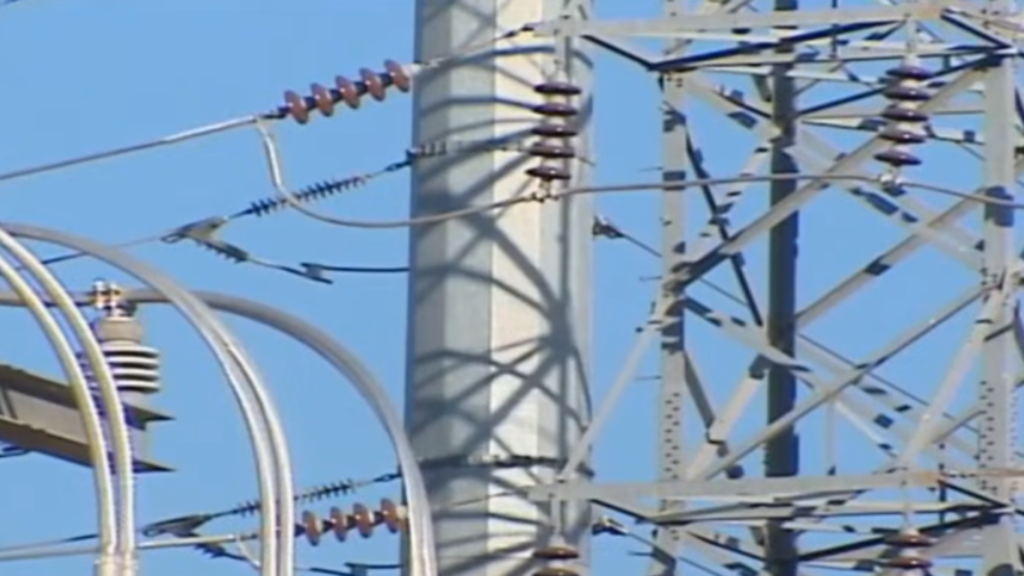
Data Center Energy Consumption Faces New Rules https://worldstan.com/data-center-energy-consumption-faces-new-rules/

The conversation around data center energy consumption is becoming more serious in the United States, as lawmakers step forward to demand greater transparency from the tech industry. On Thursday, Senators Elizabeth Warren and Josh Hawley jointly urged the Energy Information Administration to introduce stricter reporting rules for data centers across the country.


In their letter, the senators emphasized the need for clear and detailed energy usage data from large-scale data centers. They proposed a mandatory system where companies must submit annual reports on their electricity consumption. According to them, such transparency is essential for proper energy grid planning and to ensure that major tech companies remain accountable for their growing power demands.


Currently, the Energy Information Administration has announced a voluntary pilot program. This initiative aims to study data center energy use in key regions such as Texas, Washington, Northern Virginia, and Washington, DC. However, Warren and Hawley believe that voluntary participation is not enough. They argue that only a mandatory reporting system can provide accurate and reliable data to support long-term energy planning.


The push for regulation also connects to recent commitments made by seven major technology firms under the Ratepayer Protection Pledge. Lawmakers want to ensure these companies follow through on their promises, especially as data center energy consumption continues to rise due to rapid advancements in artificial intelligence and cloud computing.


At the same time, global energy concerns are being shaped by rising geopolitical tensions. The ongoing conflict involving the United States, Israel, and Iran has created uncertainty in energy markets worldwide. Just a week ago, experts were still hopeful that the situation might stabilize quickly. However, recent developments suggest otherwise.


Energy infrastructure has become a major focus in this conflict. Military actions have targeted critical facilities, including fuel depots and oil and gas installations. Iran, in response, has issued strong warnings and threatened to disrupt energy exports from the region.

data center energy consumption

One of the biggest concerns is the situation around the Strait of Hormuz. This narrow passage is one of the most important routes for global energy supply. A significant portion of the world’s oil and liquefied natural gas passes through it. Reports suggest that Iran may have started placing mines in the area, raising fears of supply disruptions.


If these threats become reality, the impact on global petroleum consumption and LNG trade could be severe. Energy prices, which were already rising, may increase even further. This could affect not only large economies but also developing countries that rely heavily on imported energy.


Experts believe that the combination of rising data center energy consumption and global energy instability presents a unique challenge. On one hand, the digital economy is expanding rapidly, increasing the demand for electricity. On the other hand, geopolitical risks are making energy supply less predictable.


This situation highlights the importance of better planning and smarter policies. By introducing mandatory reporting for data center energy use, governments can gain a clearer picture of how resources are being consumed. This data can then be used to improve infrastructure, support renewable energy adoption, and reduce pressure on existing power grids.


At the same time, global cooperation will be necessary to manage energy risks linked to international conflicts. Ensuring stable energy supply chains will be critical for maintaining economic stability and supporting technological growth.


In simple terms, the world is facing two connected challenges: managing the rapid rise of digital infrastructure and dealing with uncertain energy markets. Addressing both issues together will be key to building a more stable and sustainable future.

Categories NEWS Tags AI data center energy demand, big tech energy usage, data center energy consumption, data center energy use, data center reporting requirements, data center transparency, EIA data center policy, energy grid planning, energy information administration, ratepayer protection pledge, tech company energy disclosure, US energy policy data centers

OpenAI Sora Shutdown Shocks AI Industry

March 25, 2026March 25, 2026 by Prof. Mian Waqar Ahmad Hashmi
openai sora shutdown shocks ai industry https://worldstan.com/openai-sora-shutdown-shocks-ai-industry/

The OpenAI Sora shutdown marks a big shift in how the company is planning its future, ending its AI video tool and major partnerships while moving focus toward stronger and more unified products like ChatGPT.

On Tuesday afternoon, OpenAI made a surprising move that quickly caught attention across the tech world. The company announced that it is shutting down its video generation tool, Sora, marking a major shift in its product direction. The news around the OpenAI Sora shutdown has raised many questions about the future of AI video tools and the company’s broader strategy.


Sora was introduced at the end of 2024 as an advanced AI video generation platform. It allowed users to create realistic videos using simple text prompts. Many creators, developers, and businesses saw it as a powerful step forward in AI content creation. However, despite its early promise, the OpenAI Sora shutdown now signals that the company is changing its priorities.


In an official message, the Sora team thanked users who had built content and communities around the platform. They also acknowledged that the decision may feel disappointing. While the company has not shared full details yet, it has promised to provide timelines for shutting down the app and API, along with guidance on how users can save their work.


The OpenAI Sora shutdown is not just about one product ending. It is also linked to a much bigger business decision. Only a few months ago, The Walt Disney Company had announced a major partnership with OpenAI. This deal included a reported investment of $1 billion, along with plans to use Disney characters in Sora-generated videos and distribute such content on Disney Plus. Now, with the OpenAI Sora shutdown, that partnership is also coming to an end.


This sudden change has created uncertainty in the AI video tools market. Many experts believed that AI-generated video content would become a major part of streaming platforms. The OpenAI Sora shutdown suggests that the path forward may not be as simple as expected. It also shows that even large deals can quickly change in the fast-moving AI industry.


Another important factor behind the OpenAI Sora shutdown appears to be internal strategy changes. Sam Altman, the CEO of OpenAI, had earlier warned about growing competition in the AI space. In particular, tools like Google Gemini have been improving rapidly, putting pressure on OpenAI to stay ahead. Reports suggest that Altman even described the situation as a “code red,” highlighting the urgency to refocus.


Instead of continuing with multiple experimental products, OpenAI now seems to be simplifying its approach. According to recent reports, the company is working on turning ChatGPT into a central “superapp.” This platform could combine different tools like coding assistance, browsing, and productivity features into one place. In this context, the OpenAI Sora shutdown may be part of a larger plan to focus on fewer but stronger products.


There are also indications that OpenAI wants to strengthen its core technologies, such as Codex and its AI browser projects. By doing this, the company can compete more directly with rivals and offer a more unified user experience. The OpenAI Sora shutdown fits into this strategy, where less focus is placed on standalone apps and more on integrated systems.


For developers, the OpenAI Sora shutdown brings practical challenges. Many had started building applications using the Sora API. Now they will need to adjust their plans and possibly move to other platforms. OpenAI has said it will share details about API timelines soon, but for now, uncertainty remains.


For content creators, the impact is also significant. Sora had opened new ways to tell stories through AI-generated videos. With the OpenAI Sora shutdown, creators may need to explore alternative tools or wait for new features to appear within ChatGPT or other platforms.


At the same time, this decision highlights an important reality of the tech industry. Innovation often involves trial and error. Not every product continues long term, even if it shows early success. The OpenAI Sora shutdown is a clear example of how quickly priorities can change when companies respond to competition and market needs.


Looking ahead, the focus will likely shift toward what OpenAI builds next. If the ChatGPT superapp becomes successful, it could redefine how people interact with AI tools in daily life. In that case, the OpenAI Sora shutdown might be remembered not as a failure, but as a step toward a more focused and powerful ecosystem.


In the end, the OpenAI Sora shutdown is more than just the closure of a video tool. It reflects a broader transformation in how AI companies are thinking about growth, competition, and long-term value. As the industry continues to evolve, decisions like this will shape the future of AI technology in ways we are only beginning to understand.

Categories NEWS Tags AI industry, AI news, AI video tools, ChatGPT, Disney partnership, Google Gemini, OpenAI, Sam Altman, Sora AI, technology updates

Nvidia CEO Believes Artificial General Intelligence Is Already Here

March 24, 2026March 24, 2026 by Prof. Mian Waqar Ahmad Hashmi
Nvidia CEO Believes Artificial General Intelligence https://worldstan.com/nvidia-ceo-believes-artificial-general-intelligence-is-already-here/

The idea of artificial general intelligence is no longer just a future dream, as new claims from a top tech leader suggest it may already be part of our reality, sparking fresh debate about how far AI has truly come and what it means for businesses and everyday life.

In a fresh discussion that is already getting attention across the tech world, Jensen Huang, the CEO of Nvidia, shared a bold view on the future of artificial intelligence. Speaking on an episode of the Lex Fridman Podcast, he suggested that what many call artificial general intelligence may already be here.


The idea of Artificial General Intelligence, often shortened to AGI, has been widely discussed but rarely agreed upon. In simple terms, AGI refers to AI systems that can think, learn, and perform tasks at a level similar to or even better than humans. Over the past few years, this concept has become a major talking point in the tech industry, especially as AI tools continue to grow more powerful and more capable in everyday use.


During the conversation, podcast host Lex Fridman explained AGI in practical terms. He described it as a system that could effectively do a person’s job from start to finish for example, building and running a billion-dollar company. When he asked how far away such technology might be, whether five or even twenty years, Huang gave a surprising answer. He said that, in his view, the industry may have already crossed that line.


This statement quickly stood out because many experts still believe AGI is years, if not decades, away. At the same time, the term itself remains unclear and often debated. Some tech leaders have even started to avoid using “AGI” altogether, choosing instead to introduce new phrases that sound more practical and less exaggerated. Still, these new labels often point to the same goal — creating AI that can handle complex, human-like thinking across different fields.


The discussion also reflects how important AGI has become in the business world. Major companies such as OpenAI and Microsoft have reportedly included AGI-related conditions in their partnerships and agreements. These clauses can influence investments worth billions of dollars, showing that the concept is not just theoretical but deeply tied to real financial stakes.


As the conversation moved forward, Huang pointed to recent developments in AI agents to support his argument. He mentioned platforms like OpenClaw, which allow users to create small, independent AI systems designed to complete specific tasks. According to him, these tools are already being used in creative ways, from building digital personalities to experimenting with new kinds of online interaction.


He also shared an interesting possibility that one of these AI-driven ideas could suddenly become a global trend. For example, a digital influencer or a simple virtual companion could quickly gain popularity and attract millions of users. This kind of rapid growth, he suggested, shows how powerful and unpredictable today’s AI ecosystem has become.


However, Huang did not fully stand by his earlier statement without adding some caution. While he acknowledged the excitement around AI agents, he also pointed out their limitations. Many projects gain attention for a short time but fail to maintain long-term success. In his words, the chance that thousands of small AI systems could come together to build something as complex and valuable as Nvidia is essentially zero.


This more balanced view highlights an important reality. While AI has made impressive progress, there is still a big gap between performing individual tasks and managing something as large and complex as a global company. Today’s AI tools can assist, automate, and even create, but they still rely heavily on human direction and oversight.


From an industry perspective, Huang’s comments reflect both confidence and caution. On one hand, they show how far AI technology has come, especially with the rise of advanced models and autonomous systems. On the other hand, they remind us that true artificial general intelligence — in the fullest sense — may still require more development, clearer definitions, and real-world proof.


In our opinion, this moment marks an important shift in how leaders talk about AI. Instead of focusing only on the distant future, the conversation is moving toward what AI can already do today. Even if we have not fully achieved artificial general intelligence, the rapid progress in this space is undeniable. Businesses, developers, and everyday users are already seeing the impact in real time.


Looking ahead, the debate around AGI will likely continue. Some will argue that we are closer than ever, while others will call for more realistic expectations. What is clear, however, is that artificial intelligence is no longer just a concept for the future. It is actively shaping industries, decisions, and opportunities right now — and its role will only grow stronger in the years to come.

Categories NEWS Tags AGI, AI agents, AI debate, AI innovation, AI startups, AI trends, Artificial General Intelligence, autonomous AI, business AI, digital AI, future of AI, generative AI, Jensen Huang, Nvidia, OpenClaw, Tech News

Artificial General Intelligence: Jensen Huang Says It’s Here

March 23, 2026 by Prof. Mian Waqar Ahmad Hashmi
Categories NEWS Tags AGI, AI agents, AI debate, AI innovation, AI startups, AI trends, Artificial General Intelligence, autonomous AI, business AI, digital AI, future of AI, generative AI, Jensen Huang, Nvidia, OpenClaw, Tech News

AI Productivity Tools Face Growing Ethics Concerns

March 23, 2026March 23, 2026 by Prof. Mian Waqar Ahmad Hashmi
ai productivity tools face growing ethics concerns https://worldstan.com/ai-productivity-tools-face-growing-ethics-concerns/

AI productivity tools are quickly becoming part of everyday work, but as they grow more powerful, they are also raising serious questions about trust, consent, and how far artificial intelligence should go in shaping the way we write, create, and communicate.

The conversation around AI productivity tools is getting more serious, especially as these tools become part of everyday work. What started as a simple interview about artificial intelligence quickly turned into a deeper discussion about trust, ethics, and how far companies should go when building AI-powered products.


Recently, Shishir Mehrotra, CEO of Superhuman, sat down for a discussion that was originally meant to explore how AI is shaping modern software and creativity. Superhuman, which now operates as an AI-focused productivity suite, has expanded beyond its well-known writing assistant Grammarly. The company also offers tools like Coda for documents and an AI-powered email experience, all designed to bring artificial intelligence directly into the user’s daily workflow.


The core idea behind these AI productivity tools is simple: instead of asking users to change how they work, the tools adapt to existing habits. Whether someone is writing an email, editing a document, or managing tasks, AI is placed right where the work is happening. This approach has helped such platforms grow quickly, with millions of users relying on AI assistants to improve efficiency and save time.


However, the discussion took a different turn when the topic shifted to a controversial feature previously launched by Grammarly. Known as “Expert Review,” the feature used AI to generate writing suggestions by mimicking the styles of well-known experts, including journalists and public figures. The issue was that many of these individuals had never given permission for their names or identities to be used.

This decision sparked strong reactions across the media and tech communities. Critics argued that the feature crossed an important line in AI ethics, especially around consent and transparency. For many, it raised a bigger question: if AI can replicate someone’s voice or expertise, who controls that identity?


The backlash was immediate. Concerns about AI cloning experts and misuse of personal identity led to public criticism and even legal action. Investigative journalist Julia Angwin filed a class action lawsuit, highlighting the seriousness of the issue. The situation became a clear example of how AI innovation, when not handled carefully, can quickly turn into controversy.


Superhuman responded by first offering users a way to opt out and then removing the feature entirely. During the interview, Mehrotra acknowledged the mistake and apologized, stating that the company did not intend to harm or upset anyone. He also recognized that the environment for creators and experts is already challenging, and such decisions can make it even more difficult.


This moment reflects a broader challenge in the world of artificial intelligence. As AI tools become more advanced, they are no longer just helping with grammar or productivity. They are starting to interact with human identity, creativity, and ownership. This shift makes AI governance and responsible decision-making more important than ever.


From a business perspective, companies like Superhuman are trying to stay ahead in a highly competitive space. AI adoption trends show that users want smarter, faster, and more integrated tools. The idea of a single AI assistant that works across apps, from email to documents to messaging platforms, is clearly appealing. It creates a seamless experience and reduces the need to switch between different tools.


But with this convenience comes responsibility. Users are now more aware of how their data is used and how AI systems operate. Trust has become a key factor in the success of any AI platform. If users feel that a product is not transparent or ethical, they are less likely to continue using it, no matter how advanced the technology is.


During the discussion, Mehrotra also shared insights into how decisions are made within the company. He emphasized the importance of asking the right questions and gathering diverse opinions to avoid groupthink. While these frameworks are designed to improve decision-making, the Expert Review situation shows that even structured processes can fail when it comes to ethical judgment.


This raises an important point for the entire tech industry. Building powerful AI tools is no longer just a technical challenge. Companies must think carefully about how their products impact real people, especially when those products involve identity, content creation, or public trust.


In many ways, this situation highlights the growing pains of generative AI. The technology is evolving faster than the rules and standards that guide it. As a result, companies often find themselves navigating unclear boundaries. What seems like innovation from one perspective can look like exploitation from another.


At the same time, it is important to recognize that AI productivity tools are not going away. In fact, they are becoming more deeply integrated into daily work. From writing assistants to automated workflows, these tools are changing how people create, communicate, and collaborate. The challenge is to ensure that this transformation happens in a way that respects users and maintains trust.


Looking ahead, the future of AI in software development will likely depend on how well companies balance innovation with responsibility. Transparency, clear consent, and ethical guidelines will play a major role in shaping user confidence. Businesses that take these factors seriously will have a stronger chance of long-term success.


In our view, the lesson here is clear. AI innovation must move forward, but not at the cost of trust. Features that involve human identity or expertise should always be handled with explicit permission and full transparency. Otherwise, even the most advanced technology can face resistance.


The conversation between Mehrotra and the interviewer may have started as a discussion about AI platforms, but it ended up highlighting something much bigger. It showed that the future of artificial intelligence is not just about what technology can do, but also about what it should do.


As AI continues to shape the digital world, one thing is certain: users will expect more than just smart features. They will expect responsibility, honesty, and respect. And for companies building the next generation of AI productivity tools, meeting those expectations will be just as important as the technology itself.

 
Categories NEWS Tags AI agents, AI cloning experts, AI consent issues, AI controversy, AI email client, AI ethics, AI governance, AI journalism issues, AI lawsuits, AI productivity tools, AI regulation, AI tools, AI transparency, AI user trust, AI writing assistant, artificial intelligence, Coda AI, Expert Review feature, generative AI, Grammarly AI, Superhuman AI

Generative AI in Gaming Faces Developer Resistance

March 22, 2026 by Prof. Mian Waqar Ahmad Hashmi
generative ai in gaming missing from real games
Generative AI in gaming is making big promises at industry events, but many developers are still holding back, raising real questions about whether this technology truly fits into the creative heart of game development.

The conversation around generative AI in gaming is growing fast, but the reality inside the industry tells a more complex story. At this year’s GDC Festival of Gaming, artificial intelligence was one of the most talked-about topics. From demos to panel discussions, generative AI in gaming appeared to be shaping the future. Yet, when it came to actual game development, many creators were not ready to embrace it.

On the surface, the technology looked impressive. Companies showcased tools that could build AI-driven NPCs, generate entire game environments, and even assist developers through simple text commands. For example, Tencent demonstrated a pixel-style fantasy world created using AI, giving a glimpse of how quickly environments can now be produced. Similarly, Razer introduced an AI assistant designed to support quality assurance by automatically identifying and logging bugs during gameplay.

There were also deeper technical discussions. Researchers from Google


 DeepMind presented ideas around playable AI-generated spaces, suggesting a future where game worlds could evolve in real time. From a technology perspective, generative AI in gaming seems powerful, efficient, and full of possibilities.

However, the mood among developers told a very different story.

Many game creators, especially those in the indie space, expressed clear hesitation about using AI in game development. For them, the issue is not just about tools or efficiency. It is about creativity and identity. Developers believe that games are not only products but also personal expressions shaped by human imagination.

One developer explained that the human mind brings something unique that machines cannot replace. This view was widely shared. Several creators said they prefer to keep their projects AI-free, even if it means working more slowly. For them, the value of human creativity outweighs the convenience of automation.


Recent data supports this sentiment. A survey conducted around the event revealed that more than half of respondents believe generative AI in gaming is having a negative impact on the industry. This number has increased significantly over the past few years, showing a growing concern rather than acceptance.


Another factor affecting perception is how AI features are being received by players. The reaction to Nvidia DLSS 5 is a good example. While the technology aims to improve visuals, early demonstrations were criticized for producing unnatural character details. Such feedback makes smaller developers even more cautious about integrating AI into their games.

Despite this resistance, major industry leaders continue to support the role of AI in gaming. Executives from Google Cloud have described generative AI as one of the biggest shifts the gaming industry has ever seen. According to this perspective, AI can help developers handle repetitive tasks like debugging, testing, and early-stage idea generation, allowing them to focus more on creative direction.

There is also a player-focused argument. Supporters believe that AI could make games more personalized, adapting gameplay experiences based on individual preferences. In theory, this could lead to more engaging and dynamic experiences for users.

Still, for many developers, these benefits do not fully address their concerns.

Studios like Finji, known for titles such as Tunic and Chicory: A Colorful Tale, highlight an important point. They believe that games stand out because of the people behind them. Each project carries a unique creative fingerprint that reflects the developers’ thoughts, emotions, and experiences. This is something they feel generative AI in gaming cannot truly replicate.

In our opinion, the industry is currently at a turning point. Generative AI in gaming is clearly not going away. It offers real advantages, especially in improving workflows and reducing development time. However, the strong resistance from developers shows that technology alone cannot define the future of games.

The real challenge lies in balance. If used carefully, AI can support developers without replacing their creativity. But if overused, it risks making games feel less personal and more automated. Players may also begin to notice this difference, which could impact how games are received in the long run.

For now, the gap between innovation and acceptance remains wide. While companies continue to push the boundaries of AI in game development, many creators are choosing to step back and protect the human side of their work.

This contrast is what makes the current moment so important. Generative AI in gaming is not just a technical shift; it is a creative debate about what games should be and who gets to shape them.

 
Categories NEWS Tags AI game development, AI gaming tools, AI in gaming industry, AI in video games, AI-driven NPCs, AI-generated games, future of gaming AI, game developers against AI, GDC Festival of Gaming, generative AI in gaming, Google DeepMind AI, indie game developers, Nvidia DLSS 5, Razer AI assistant, Tencent AI gaming

Generative AI Ethics: The Gen AI Kool-Aid Tastes Like Eugenics

March 21, 2026 by Prof. Mian Waqar Ahmad Hashmi
generative ai ethics the gen ai kool aid tastes like eugenics

Generative AI ethics is becoming a major concern as we uncover how AI systems can reflect bias, spread harmful content, and shape the future of technology.

The conversation around generative AI ethics is growing fast as more people begin to question what these tools are really doing behind the scenes.

When OpenAI introduced its video-generation tool Sora in 2024, it caught the attention of creators across the world. Among them was filmmaker Valerie Veatch, who felt both curious and excited about the new possibilities. Like many others, she joined online communities where people were experimenting with generative AI and sharing creative results.

At first, everything looked inspiring. But as she spent more time exploring, a different reality started to appear.

Veatch noticed that the system often produced biased content, including racist and sexist visuals, even when users did not ask for such outputs. This raised serious concerns about generative AI ethics and how these systems are trained. What surprised her even more was the lack of reaction from others. Many users continued to celebrate the technology without questioning its harmful patterns.

This experience slowly changed her perspective.

Instead of continuing her experiments, Veatch stepped back and decided to understand the bigger picture. This journey led her to create the documentary Ghost in the Machine. The film does not focus on futuristic promises. Instead, it looks at the history of artificial intelligence to explain why modern generative AI behaves the way it does. A key message in her work is that people often use the term “artificial intelligence” without truly understanding it.


 The phrase was introduced in 1956 by John McCarthy, mainly to attract research funding. Over time, it became a powerful label that shaped public thinking, even though its meaning remains unclear.

The documentary also connects today’s technology with older ideas that influenced data and science. One example is the work of Francis Galton, who promoted the theory of eugenics. These beliefs, which supported harmful and discriminatory views, played a role in shaping early systems of classification and data analysis.

By showing this history, Veatch highlights an important point. The issues we see in generative AI today are not random. They are connected to past ideas and human biases that have been carried forward into modern systems.

This is why generative AI ethics has become such an important topic. As the technology grows, more people are starting to ask difficult questions. How are these systems trained? What kind of data is being used? And who is responsible when harmful content is created?

Her film encourages viewers to slow down and think more deeply. Instead of getting caught in the excitement, it asks people to look at both the benefits and the risks of AI.

In a time when AI is moving quickly and shaping many industries, understanding generative AI ethics is no longer optional. It is necessary for building a future where technology is fair, responsible, and truly useful for everyone.

Categories NEWS Tags AI community, AI controversies, AI history, AI industry trends, AI technology impact, AI text to video, artificial intelligence, Ethical AI, generative AI, Generative AI risks, Ghost in the Machine documentary, machine learning bias
Older posts
Newer posts
← Previous Page1 Page2 Page3 … Page9 Next →

RECENT POSTS:

  • Swarm Intelligence in Drone Warfare vs Defense System
  • How Military Robotics Is Changing Warfare
  • Cyber Warfare Meets AI Defence Operations
  • Tactical AI in Defence Operations: Future Warfare
  • AI Warfare: How Drones are Rewriting the Rules of War

CATEGORIES:

  • AI
  • AI DEFENSE OPS
  • AI IN IT
  • AI LIFESTYLE & INTERACTION
  • AI RESEARCH
  • AUTO SYSTEMS
  • CYBER WARFARE
  • LEARN TO AI
  • MILITARY ROBOTICS
  • NEWS
  • SOCIAL & DIGITAL AI
  • SOCIAL & DIGITAL AI RESEARCH
  • TACTICAL AI
  • TECH RESEARCH IN AI
  • Facebook
  • Instagram
  • YouTube
  • LinkedIn

© 2025 WorldStan All rights Reserved.