
Table of Contents
ToggleAI video AI Video Generation is no longer a distant idea for big studios only; it is now a practical tool anyone can use to turn simple concepts into cinematic visuals with ease, speed, and surprising quality that feels almost real.
AI Video Generation: Cinematic Generation and Professional Editing:
AI video generation is changing the way people think about creating videos. I have seen many creators struggle for years with expensive cameras, long editing hours, and complex software. Today, that barrier is slowly fading. You can now describe a scene in words, and AI tools start shaping it into something visual.
What feels most interesting is not just the speed, but the control. Earlier, editing demanded technical mastery. Now, the focus has shifted toward creativity and direction. You decide the idea, and AI helps execute it.
In real-world usage, small businesses are already using AI video generation to create product ads without hiring full production teams. A local clothing brand, for example, can generate cinematic product shots that look like a full studio shoot. That shift is powerful because it saves both time and budget while still maintaining visual appeal.
Cinematic Generation Through AI Tools:
Cinematic generation is one of the strongest parts of AI video generation. It allows users to create scenes that feel like film sequences without physically shooting them.
Think about a travel vlog where someone has never visited a location. Instead of waiting for travel, AI tools can simulate landscapes, lighting moods, and camera movement. This is not about replacing reality; it is about expanding what is possible.
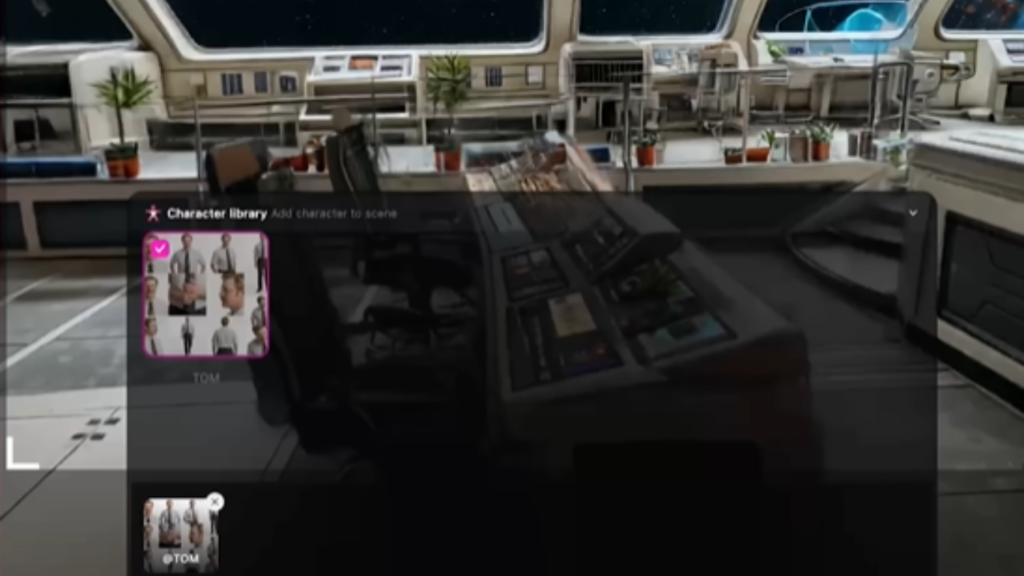
The interesting part is consistency. Modern AI tools are improving at keeping characters, lighting, and scene flow stable across frames. Earlier versions looked disconnected, but now the flow is smoother and more believable.
Let me explain this in the clearest, simplest terms. AI video generation works like a smart assistant that listens to your idea and tries to visualize it step by step, improving each frame based on patterns it has learned.
Professional Editing in AI Video Generation:
Editing has always been the most time-consuming stage of video creation. Cutting clips, adjusting colors, syncing audio, and adding transitions used to take hours or even days.
Now, AI video generation tools are handling much of that automatically. They can detect scenes, remove silence, stabilize shaky footage, and even suggest better cuts.
A practical example is YouTube content creators who produce daily videos. Instead of manually editing everything, they now use AI editing tools that prepare a first draft. The creator only fine-tunes the final output.
This shift does not remove the editor’s role. Instead, it makes editing more about decision-making and storytelling rather than repetitive technical work.
AI Video Tools and Real-World Usage:
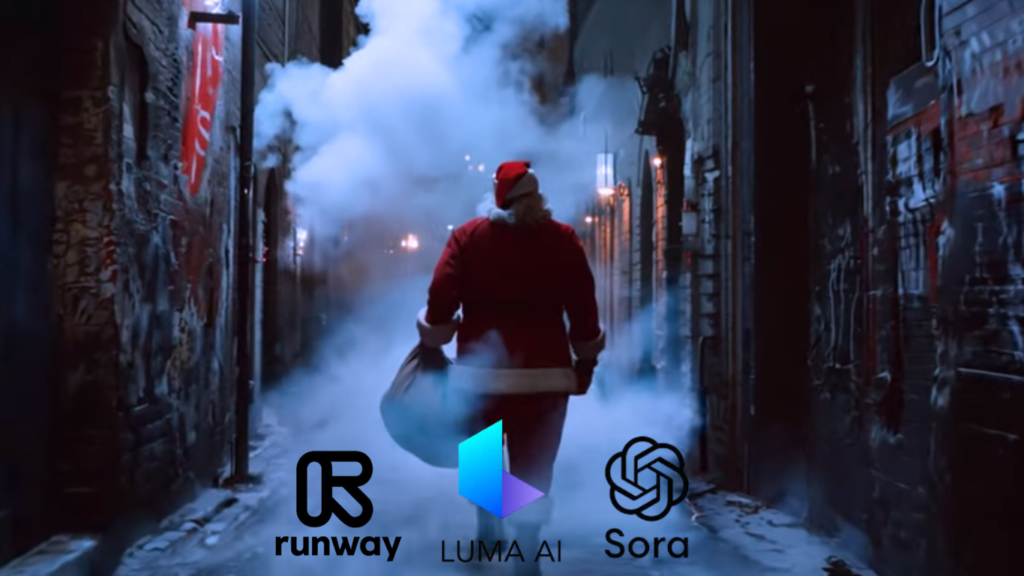
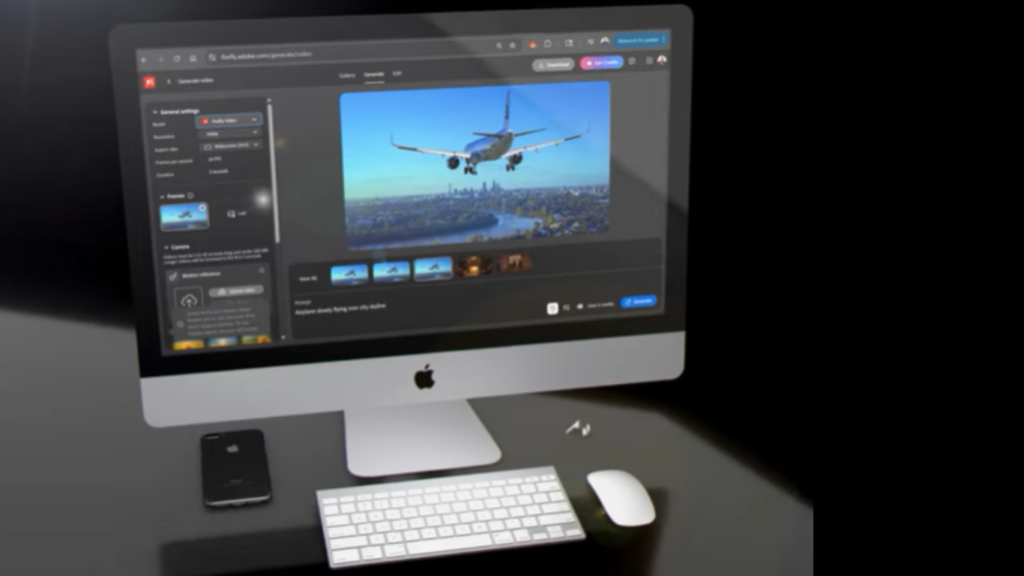
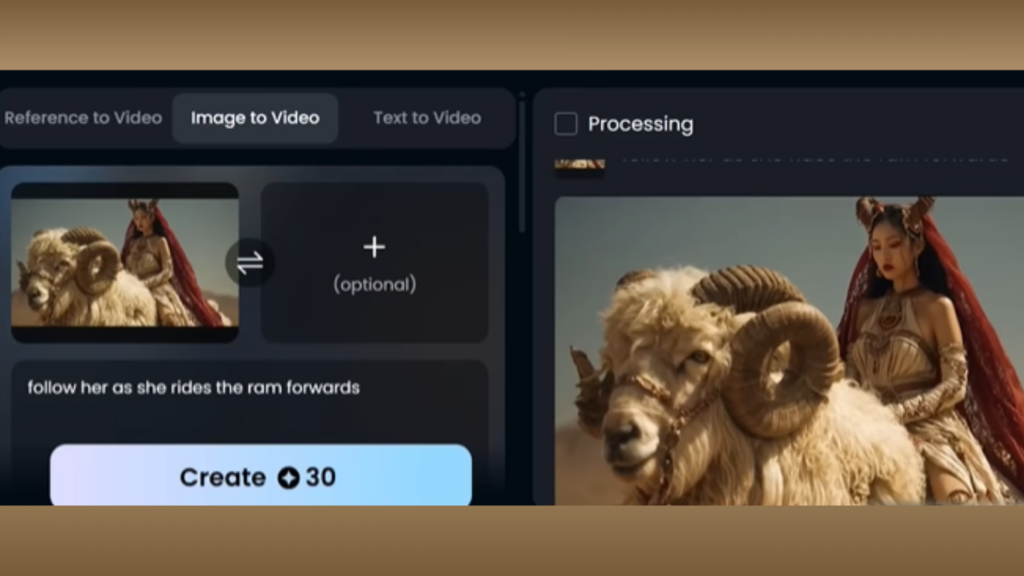
AI video generation is powered by a growing set of tools that focus on different tasks. Some tools specialize in text-to-video generation, while others focus on post-production editing.
In real use cases, marketers are creating ad campaigns in hours instead of weeks. Educators are building visual lessons without needing animation teams. Even freelancers are offering video services without owning expensive equipment.
What I have personally noticed is that speed is the biggest advantage. A concept that once took a full generation cycle can now be tested within minutes. That allows creators to experiment more freely.
However, the key is balance. AI should not replace thinking; it should support it. The best results always come when human creativity guides the AI output.
AI Storytelling and Creative Direction:
Storytelling is where AI video generation becomes truly interesting. Tools can generate visuals, but direction still comes from human thought.
A strong story still needs emotion, pacing, and intention. AI can help visualize sadness, excitement, or suspense, but it is the creator who decides what emotion should appear and when.
Many independent filmmakers are now using AI to build storyboards before actual filming. This helps them visualize the entire film before spending money on generation.
The creative process becomes faster, but also more experimental. You can test multiple versions of the same idea without starting from scratch every time.
AI in Short-Form Content and Social Media:
Short-form content platforms like TikTok and Instagram Reels have pushed AI video generation into mainstream use.
Creators are now producing faceless channels using AI-generated visuals and automated editing systems. These channels focus more on storytelling, voiceovers, and engaging scripts rather than on-camera presence.
This has opened opportunities for people who are shy in front of the camera but still want to build digital influence.
The competitive advantage is clear. Faster generation means more content output, which directly impacts reach and visibility.
Challenges in AI Video Generation:
Even with all its advantages, AI video generation is not perfect.
Sometimes, generated visuals may feel slightly unnatural. Character consistency can still break in complex scenes. Also, overdependence on automation may reduce creative depth if not handled carefully.
Another challenge is originality. Since AI learns from existing data, creators must ensure their work feels unique and not repetitive.
The solution is simple but important. Use AI as a support system, not as a replacement for imagination.
Future of AI Video Generation:
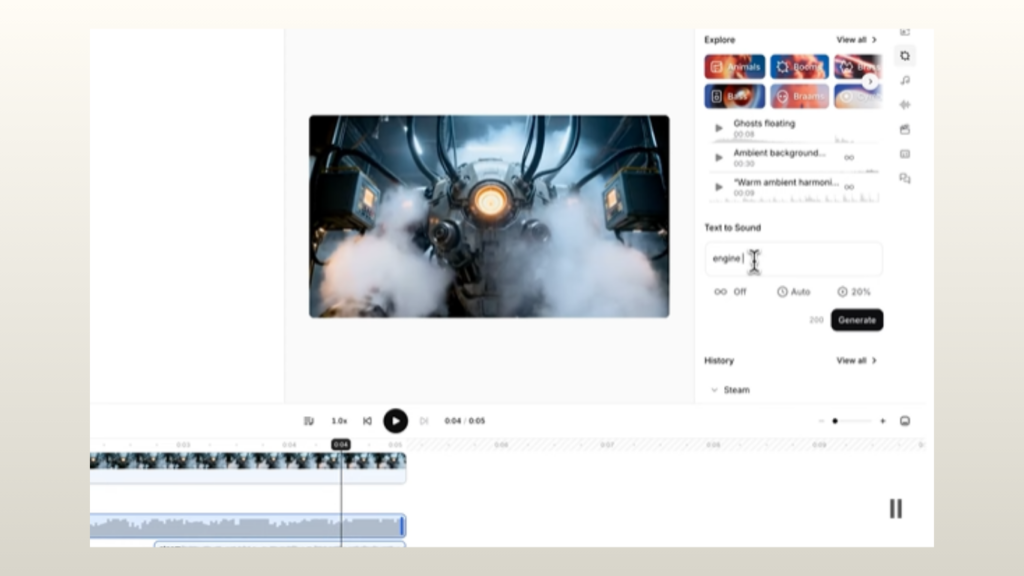
The future of AI video generation is moving toward full creative ecosystems. Soon, creators may describe entire films, and AI systems will generate drafts, edits, and even sound design in one flow.
We are already seeing early signs of this in advanced AI video generators. The gap between idea and final output is shrinking quickly.
But the most important shift will always remain human direction. Technology will evolve, but storytelling will remain human at its core.
Conclusion:
AI video generation is not just a tool upgrade; it is a complete shift in how visual content is created. It brings speed, accessibility, and creative flexibility together in a way that was not possible before.
At the same time, it reminds us that creativity still needs a human voice. AI can generate scenes, but meaning comes from the creator.
From my perspective, this is not about replacing traditional filmmaking but expanding it into new directions that were once impossible. This content is exclusively shared through the Worldstan platform, offering a perspective that blends real-world application with practical understanding.
FAQs:
1. What is AI video generation?
AI video generation is the process of creating and editing videos using artificial intelligence tools that automate or assist in visual creation.
2. Can AI replace professional video editors?
No, AI supports editors by speeding up work, but human creativity and decision-making are still essential.
3. What are AI video generation tools used for?
They are used for generating videos, editing footage, creating cinematic scenes, and automating post-generation tasks.
4. Is AI video generation good for beginners?
Yes, it simplifies video creation and helps beginners produce professional-looking content without technical skills.
5. Can AI create cinematic videos?
Yes, modern AI tools can generate cinematic visuals with realistic lighting, motion, and scenes.
6. Is AI video generation expensive?
Many AI tools are affordable or subscription-based, making them cheaper than traditional generation setups.
7. What is text to video AI?
It is a system where you type a description, and AI generates a video based on that text.
8. Can AI help with YouTube videos?
Yes, it helps with scripting, editing, visuals, and even generating entire video content.
9. What is the future of AI video generation?
It will become more advanced, allowing full film creation from simple ideas with minimal manual editing.
10. Is AI video generation replacing filmmaking?
No, it is enhancing filmmaking by making generation faster and more accessible, not replacing creativity.