Neural Link Squad Coordination in Modern Warfare
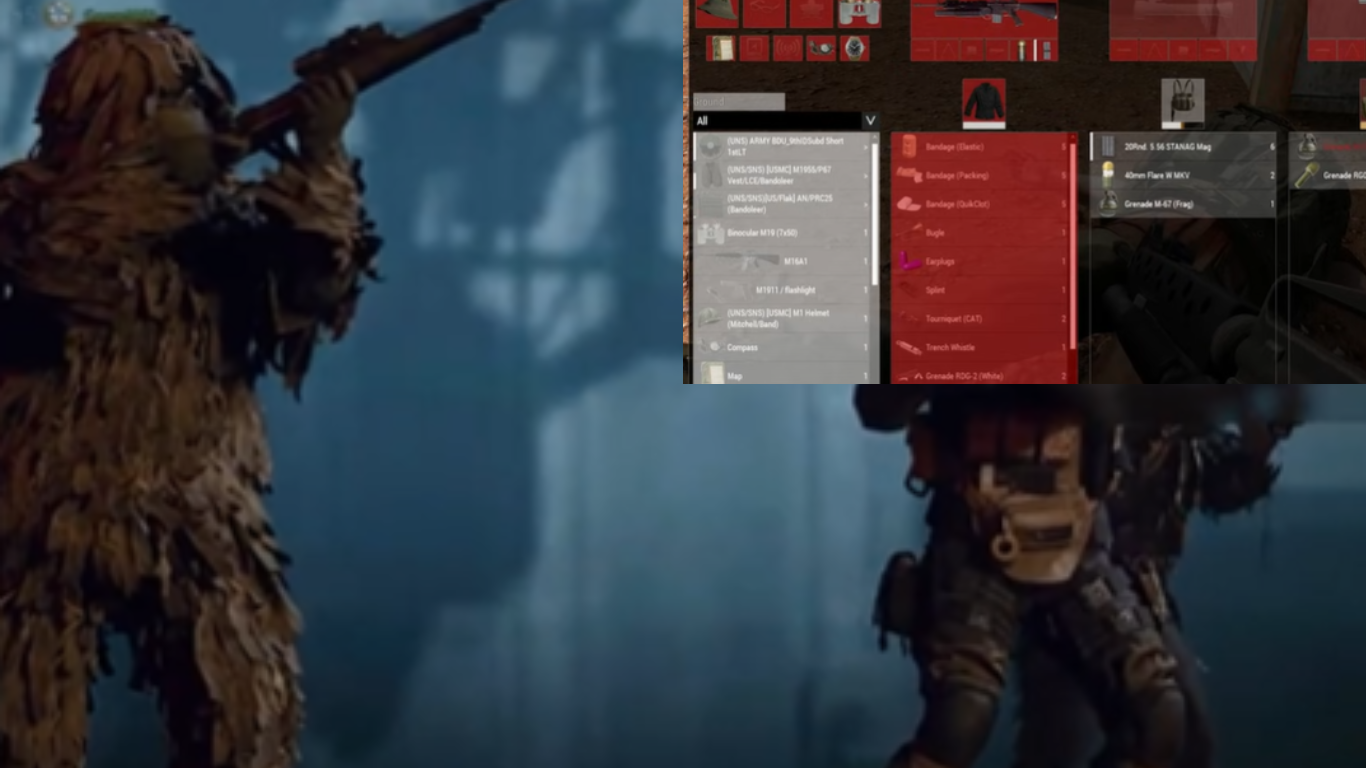
Neural Link Squad Coordination is reshaping teamwork among military units when every moment can influence the outcome.Instead of depending only on spoken commands or radio messages, this technology introduces a quieter and smarter way to communicate, helping soldiers stay connected while remaining focused on their mission.
Neural Link Squad Coordination
Neural Link Squad Coordination is transforming battlefield teamwork through AI powered silent communication, real time awareness, and intelligent decision support.
Communication has always been the foundation of successful military operations. Every movement, every decision, and every coordinated action depends on people understanding one another at exactly the right moment. For generations, armed forces have relied on radios, coded messages, visual signals, and carefully planned procedures to guide soldiers through difficult situations. These methods have proven effective, yet they also create risks because every transmitted signal has the potential to be intercepted, delayed, or misunderstood.
Modern technology is creating opportunities for a new way of doing things.Instead of simply improving traditional communication tools, researchers and defense organizations are exploring ways to reduce the need for spoken communication altogether. Neural Link Squad Coordination represents one of the most exciting developments in this area. It combines AI, wearable technology, advanced sensors, and intelligent software to help soldiers share information quickly and naturally without relying on constant verbal interaction.
This idea is about much more than replacing radios with another device. It is about creating an environment where every team member has instant access to the right information at the right time. AI continuously analyzes movement, location, environmental conditions, and mission data to provide each soldier with guidance that supports the entire squad. The result is a team that reacts faster, works more smoothly, and makes better decisions under pressure.
Although many elements of this technology are still under development, the direction is becoming increasingly clear. Modern military forces are moving toward connected systems that strengthen human abilities instead of replacing them. In my opinion, this balanced partnership between people and intelligent technology will define the next generation of defense operations.
The Evolution of Military Communication
Neural Link Squad Coordination enables soldiers to share information through AI assisted systems, reducing reliance on radios while improving awareness, teamwork, and tactical decision making during critical missions.
Military communication has changed dramatically over the centuries. Long before electronic devices existed, armies depended on runners, flags, horns, drums, and smoke signals to deliver instructions across the battlefield. These methods were often slow and vulnerable to mistakes, yet they laid the foundation for organized military operations.
As technology advanced, communication improved significantly. Radio systems allowed commanders to coordinate forces over much greater distances. Satellite communications later expanded those capabilities even further, enabling secure global connections between military units. Digital networks, encrypted transmissions, and advanced battlefield management systems now provide commanders with remarkable levels of information.
Even with these improvements, modern communication still faces important challenges. Radio transmissions can reveal positions. Electronic signals may be detected or disrupted. Fast moving situations often produce more information than soldiers can process at once. These limitations encourage researchers to develop systems that reduce dependence on traditional communication methods.
The growing interest in Neural Link Squad Coordination reflects this natural progression. Rather than sending more messages across the battlefield, the goal is to reduce unnecessary communication by helping every member of the team understand the mission through shared awareness and intelligent assistance.
Historical Development of Military Communication
| Year | Event | Description |
|---|---|---|
| Ancient Era | Visual signaling | Armies used flags, fires, horns, and messengers to coordinate forces. |
| 1895 | Military radio experiments | Wireless communication introduced faster battlefield coordination. |
| World War II | Portable radio expansion | Mobile radio equipment became an essential tool for combat units. |
| 1990s | Digital battlefield systems | Computer networks improved command and operational awareness. |
| 2020s | AI assisted battlefield technology | AI began supporting military planning, surveillance, and intelligent coordination systems. |
Why Silent Communication Matters
Modern battlefields are becoming more connected than ever before. At the same time, they are also becoming more dangerous for electronic communication. Advanced surveillance systems, electronic warfare capabilities, and cyber technologies allow opponents to monitor, detect, and sometimes interfere with radio transmissions.
Silence has therefore become a strategic advantage rather than simply a tactical preference. A squad that can coordinate without exposing its position gains greater flexibility and improves its chances of completing the mission safely.
Imagine a reconnaissance team moving through unfamiliar terrain during the night. Every spoken word creates unnecessary risk. Every radio transmission increases the possibility of detection. Traditional hand signals help, but they require clear visibility and direct attention. In rapidly changing environments, even these methods have limitations.
Neural Link Squad Coordination introduces another possibility. Instead of relying on speech, AI interprets information collected from multiple sources and delivers guidance through discreet methods such as wearable displays, gentle haptic feedback, and intelligent notifications. This allows soldiers to receive important information while remaining focused on their surroundings.
The greatest strength of silent communication is not only reducing noise. It is reducing confusion. When information arrives clearly and consistently, teams spend less time interpreting instructions and more time responding to real situations.
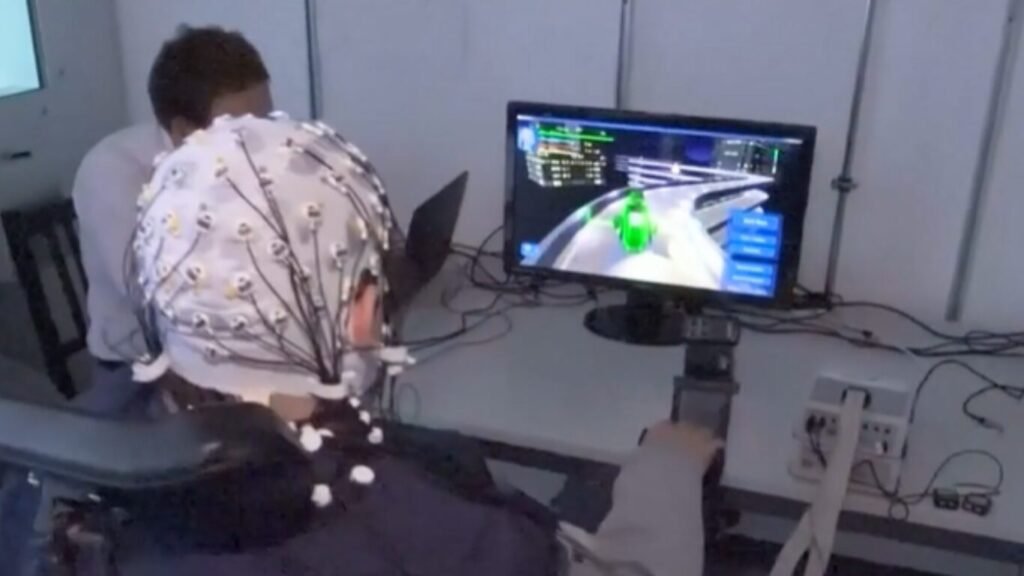
One of the most valuable features of Neural Link Squad Coordination is the ability to create shared battlefield awareness. In traditional military operations, every soldier sees only a small part of the battlefield. Team leaders receive information from several people, make sense of it, and give clear instructions based on the latest conditions.This process works, but it takes valuable time during situations where every second matters.
AI changes this process by collecting information from many sources at the same time. Wearable sensors, unmanned aerial systems, ground surveillance equipment, satellite imagery, vehicle systems, and battlefield intelligence can all contribute to a single operational picture. Instead of requiring every soldier to gather every detail personally, the AI organizes the information and delivers only what is immediately relevant.
This approach allows every team member to maintain better awareness without becoming overwhelmed. A soldier watching one direction does not need to worry about missing activity elsewhere because the system can highlight important developments as they occur.
From my perspective, this is one of the biggest advantages of AI in defense. The goal is not to replace human observation but to expand it. AI becomes another set of highly attentive eyes that never become distracted or tired.
Haptic Communication Creates Instant Understanding
Not every message needs spoken words. Sometimes the fastest instruction is the one that requires no language at all.
Haptic communication uses carefully designed vibration patterns to deliver information through wearable devices. Instead of hearing an order through a radio, a soldier might receive a gentle vibration on the wrist, shoulder, or tactical vest.
Different vibration patterns can represent different tactical instructions. A short pulse may indicate caution. Two quick vibrations may signal a movement adjustment. A longer vibration may notify the team about an approaching threat or an updated objective.
Because these signals are silent, they reduce the chance of revealing a squad’s position. They also reduce the mental effort required to understand instructions during stressful situations.
Many civilians already experience this concept without realizing it. Smartphones vibrate to deliver notifications. Smartwatches guide people through city streets using gentle taps instead of spoken directions. Drivers receive steering wheel vibrations when they drift out of their lane.
Military systems build upon these familiar ideas while making them faster, more reliable, and suitable for demanding environments.
The greatest advantage is consistency. Vibrations remain clear even when engines are loud, helicopters are nearby, or weather conditions reduce visibility.
Smart Helmet Displays Improve Decision Making
Modern combat increasingly depends on fast access to information. Looking away from the environment to read a handheld device wastes valuable time and may create unnecessary danger.
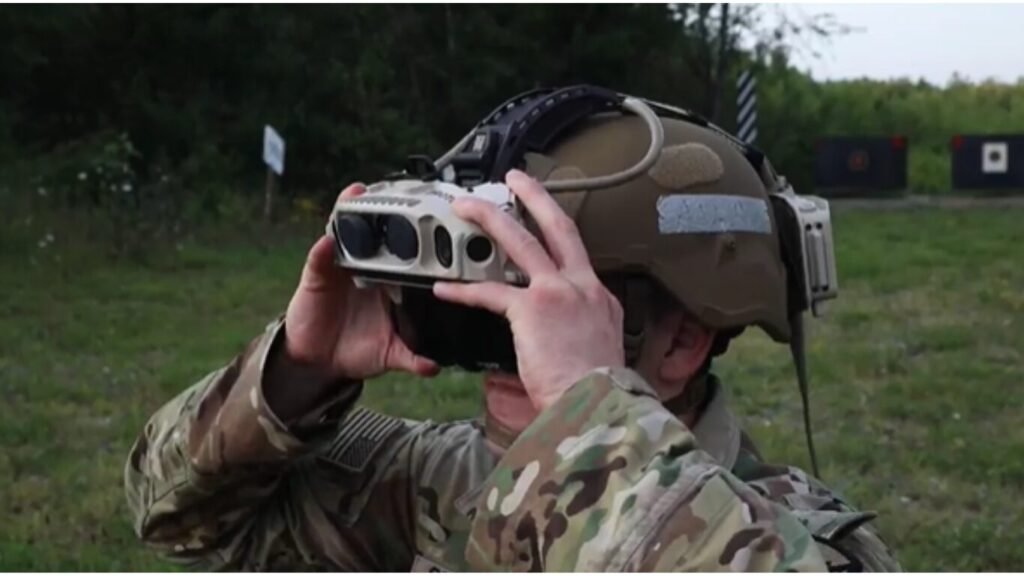
Helmet mounted displays solve this challenge by presenting critical information directly within a soldier’s field of view. Instead of searching for maps or checking handheld equipment, essential updates appear naturally while the soldier remains focused on the mission.
These displays may provide navigation guidance, friendly force locations, mission objectives, environmental hazards, or detected threats. AI continuously updates the information according to changing battlefield conditions.
The purpose is not to cover the display with unnecessary graphics. Good system design focuses on simplicity. Too much information creates confusion, while carefully selected information improves confidence.
A soldier should immediately recognize what matters most without searching through multiple screens.
When AI manages information correctly, it becomes almost invisible. The technology quietly supports the user without becoming a distraction.
Biofeedback Monitoring Supports Human Performance
Technology should understand not only the battlefield but also the people operating within it.
Biofeedback monitoring allows AI systems to observe physical indicators such as heart rate, breathing patterns, body temperature, fatigue, hydration, and stress levels. These measurements help commanders understand how well each team member is performing during demanding operations.
Human performance naturally changes under pressure. Fatigue affects reaction time. High stress influences decision making. Long missions reduce concentration.
Traditionally, commanders relied mainly on observation and personal judgment to identify these changes. AI now has the potential to provide additional support by recognizing early warning signs before performance declines significantly.
If one soldier becomes physically exhausted, another team member may temporarily assume additional responsibilities. If stress levels rise sharply, AI may recommend a slower operational pace whenever tactical conditions allow.
This does not remove leadership from human commanders. Instead, it provides better information for making informed decisions.
In my opinion, this represents responsible AI. Technology offers recommendations while experienced people remain responsible for final decisions.
Predictive AI Helps Teams Stay Ahead
Most traditional communication systems respond after events have already happened. AI introduces another important capability by recognizing patterns before problems fully develop.
Machine learning technology examines large volumes of operational data to support faster and more informed decisions.
Over time, AI begins identifying situations that deserve attention.
For example, unusual movement patterns detected by multiple sensors may indicate possible enemy activity. Environmental changes combined with historical data may suggest increased operational risk.
Instead of waiting until danger becomes obvious, AI provides early warnings that allow commanders to prepare.
Predictive analysis never guarantees future outcomes. Military operations always involve uncertainty.
However, improving preparation often leads to better decisions, stronger coordination, and increased safety.
The value lies in reducing surprises rather than eliminating uncertainty completely.
Autonomous Squad Coordination
One fascinating aspect of Neural Link Squad Coordination is the idea of decentralized teamwork.
Traditional command structures often depend on information flowing from commanders to individual soldiers. While this approach remains essential, AI creates opportunities for more flexible cooperation.
Every squad member contributes information while simultaneously receiving useful updates from the system.
Imagine watching a flock of birds changing direction almost instantly. No obvious leader appears to issue commands, yet every bird reacts together with remarkable precision.
Military AI seeks to support similar coordination without removing human leadership.
Each soldier continues making individual decisions based on training and experience. AI simply helps synchronize those decisions through shared situational awareness.
As a result, teams move more efficiently, react more quickly, and reduce confusion in complex missions.
Rather than creating dependence on automation, this approach strengthens cooperation among highly trained professionals.
AI Strengthens Tactical Intuition
Experienced military personnel often describe situations where teammates seem to understand each other without speaking.
Years of training create trust, familiarity, and instinctive coordination.
AI has the potential to strengthen this natural teamwork.
By studying behavioral patterns, movement habits, operational preferences, and previous missions, intelligent systems begin recognizing how teams typically respond in different situations.
When similar conditions appear again, AI can quietly recommend actions that align with the squad’s established working style.
This concept does not create artificial intuition. Instead, it supports human intuition with additional information gathered far more quickly than any individual could process alone.
The partnership becomes especially valuable during rapidly changing situations where decisions must be made within seconds.
Technology supplies organized information.
Humans apply judgment, ethics, creativity, and experience.
Together they become stronger than either could achieve independently.
Human Trust Remains the Most Important Technology
No matter how advanced AI becomes, successful military operations will always depend on trust.
Soldiers trust their training.
They trust their teammates.
They trust their leaders.
AI must earn that same trust through consistent performance, transparent operation, and dependable reliability.
If a system produces confusing recommendations or unpredictable behavior, confidence quickly disappears.
Developers therefore face an important responsibility.
Every recommendation generated by AI should be understandable, explainable, and appropriate for the operational situation.
Technology performs best when users understand why it suggests a particular action.
Building trust may ultimately prove more important than building faster processors or more sophisticated algorithms.
Human confidence determines whether advanced technology becomes a valuable partner or an ignored tool.

Real World Applications Beyond the Battlefield
Although Neural Link Squad Coordination is primarily discussed in military research, its underlying ideas have value far beyond defense. Technologies that improve teamwork, awareness, and decision making can benefit many professions where people operate under pressure.
Special operations units are one of the clearest examples. These missions often require absolute silence, rapid coordination, and immediate responses to changing situations. AI supported communication can help teams move with greater confidence while reducing unnecessary radio transmissions.
Urban operations present another strong use case. Buildings, narrow streets, and limited visibility create communication challenges. Intelligent systems that provide silent guidance and shared awareness can help teams coordinate more effectively without exposing their location.
Search and rescue organizations could also benefit from similar technologies. During earthquakes, floods, or collapsed buildings, rescue teams often work in dangerous environments where visibility is poor and communication is difficult. Wearable AI systems could quietly guide responders toward survivors while monitoring team safety.
Firefighters face similar challenges inside smoke filled structures. Traditional communication becomes difficult when visibility disappears and background noise increases. Haptic alerts, intelligent navigation, and real time health monitoring could improve coordination while allowing responders to stay focused on saving lives.
Medical emergency teams may also use related technologies. During complex emergency procedures, doctors, nurses, and specialists must exchange information quickly without creating unnecessary confusion. AI assisted coordination could improve teamwork while reducing communication delays.
Industrial facilities represent another opportunity. Large manufacturing plants, offshore platforms, mining operations, and energy infrastructure often involve hazardous environments where quick communication is essential. Silent alerts and intelligent monitoring could improve both productivity and worker safety.
These examples demonstrate an important point.
The future of Neural Link Squad Coordination is not limited to military innovation. Many industries can benefit from technologies that strengthen human collaboration without replacing human expertise.
Technical Challenges That Still Need Solutions
Despite its enormous potential, Neural Link Squad Coordination remains a developing field with several important technical challenges.
Reliability is perhaps the most significant concern. Military systems operate in extreme environments that include heat, cold, rain, dust, vibration, and physical impact. Every component must continue functioning under these demanding conditions.
Electronic warfare presents another challenge. Future systems must resist jamming, cyber attacks, signal interference, and unauthorized access. Secure communication remains essential regardless of how advanced the technology becomes.
Battery performance also requires continued improvement. Wearable devices, sensors, displays, and AI processors all consume power. Engineers must develop efficient systems capable of operating throughout long missions without adding unnecessary weight.
Another challenge involves processing speed.
AI must analyze enormous amounts of information almost instantly.
Recommendations that arrive after the critical moment often provide little practical value.
System integration creates additional complexity. Modern military organizations already use aircraft, ground vehicles, drones, surveillance equipment, satellite systems, and command networks produced by different manufacturers. Future coordination platforms must communicate smoothly across these different technologies.
Solving these engineering challenges will require continued cooperation between software developers, hardware manufacturers, military organizations, and academic researchers.
Ethical Questions Require Equal Attention
Advanced technology always brings important ethical responsibilities.
As AI becomes more capable of analyzing information and suggesting actions, an important question naturally appears.
How much influence should intelligent systems have over human decision making?
Most defense experts agree that humans should remain responsible for critical operational decisions. AI can process information rapidly, recognize patterns, and provide recommendations, but accountability must remain with trained professionals.
Privacy also deserves careful consideration.
Biofeedback monitoring collects personal information including stress levels, heart rate, fatigue, and physical condition. Organizations must protect this information responsibly while ensuring it is used only for legitimate operational purposes.
Transparency represents another essential principle.
Users should understand how AI reaches its recommendations whenever possible. Clear explanations increase trust while reducing uncertainty during stressful situations.
International cooperation may also become necessary as more nations develop advanced military AI technologies. Shared standards could encourage responsible development while reducing unnecessary risks.
From my perspective, responsible progress comes from combining technological advancement with strong ethical values.
Training Will Shape Success
Even the most advanced technology cannot replace proper training.
Neural Link Squad Coordination introduces new methods of receiving information, interpreting guidance, and cooperating with intelligent systems. Soldiers must become comfortable using these tools before relying on them during real operations.
Training programs will likely combine traditional military skills with digital awareness, AI literacy, and technology management.
Personnel will learn how to recognize system recommendations while maintaining independent judgment.
Simulation environments will play an especially important role.
Virtual reality, augmented reality, and AI generated battlefield scenarios allow teams to practice difficult situations repeatedly without exposing anyone to unnecessary danger.
These exercises also help developers improve the technology itself.
Every training session generates valuable feedback that can identify weaknesses, improve software performance, and refine user interfaces.
The relationship becomes continuous.
People improve the technology.
The technology helps people improve their performance.
This ongoing cycle supports safer and more effective operations over time.
The Future Direction of Human AI Collaboration
The most exciting aspect of Neural Link Squad Coordination is not the hardware or the software.
It is the changing relationship between humans and intelligent technology.
For many years, computers mainly processed information after people requested it.
Modern AI works differently.
It observes changing conditions, organizes complex information, recognizes important patterns, and provides useful recommendations before users even ask.
Future systems may become even more capable.
Advances in wearable computing, edge AI, lightweight sensors, secure networking, brain computer interface research, and intelligent robotics may further strengthen team coordination.
However, one principle should remain unchanged.
Technology exists to support human capability rather than replace it.
History repeatedly shows that successful innovation enhances human strengths instead of eliminating the human role.
The most effective military teams of the future will likely combine disciplined professionals with intelligent systems that quietly improve awareness, communication, and decision making.
That partnership represents the real transformation.
Why Neural Link Squad Coordination Matters
Neural Link Squad Coordination is much more than another military technology.
It represents a different philosophy of teamwork.
Instead of depending entirely on spoken commands, future teams may rely on shared awareness, intelligent assistance, and seamless coordination that happens naturally in the background.
This approach reduces unnecessary communication while increasing clarity.
It helps people concentrate on the mission instead of struggling with information overload.
It supports faster decisions without removing human responsibility.
Most importantly, it reminds us that technology achieves its greatest value when it strengthens people rather than competing with them.
As AI continues evolving, this balance between human judgment and machine intelligence will shape not only defense operations but also healthcare, emergency response, transportation, manufacturing, and many other industries where cooperation saves time and protects lives.
Conclusion And Brand Credibility
Neural Link Squad Coordination represents a remarkable step toward a future where communication becomes faster, quieter, and more intelligent. By combining AI, wearable technology, biofeedback monitoring, and shared situational awareness, it has the potential to improve teamwork while helping people make better decisions in demanding environments. Although technical, ethical, and operational challenges still require careful attention, the overall direction is clear. Intelligent systems are becoming trusted partners that strengthen human capability instead of replacing it.
The greatest achievement of Neural Link Squad Coordination is not simply advanced technology. It is the ability to create stronger cooperation, clearer understanding, and greater confidence when every moment matters. As research continues, these innovations may influence not only modern defense but also emergency services, healthcare, disaster response, and many other fields where effective teamwork makes a meaningful difference.
This exclusive research driven insight, expert analysis, and original human written content is proudly created and delivered only by worldstan.com, helping readers understand the technologies shaping the future with clarity, responsibility, and trust.