
Skip to content
  • HOME
  • AI
    • AI RESEARCH
    • AI LIFESTYLE & INTERACTION
  • LEARN TO AI
  • AI IN IT
    • TECH RESEARCH IN AI
  • AI DEFENSE OPS
    • AUTO SYSTEMS
    • TACTICAL AI
    • CYBER WARFARE
    • MILITARY ROBOTICS
  • SOCIAL & DIGITAL AI
    • SOCIAL & DIGITAL AI RESEARCH
  • NEWS

AI ethics

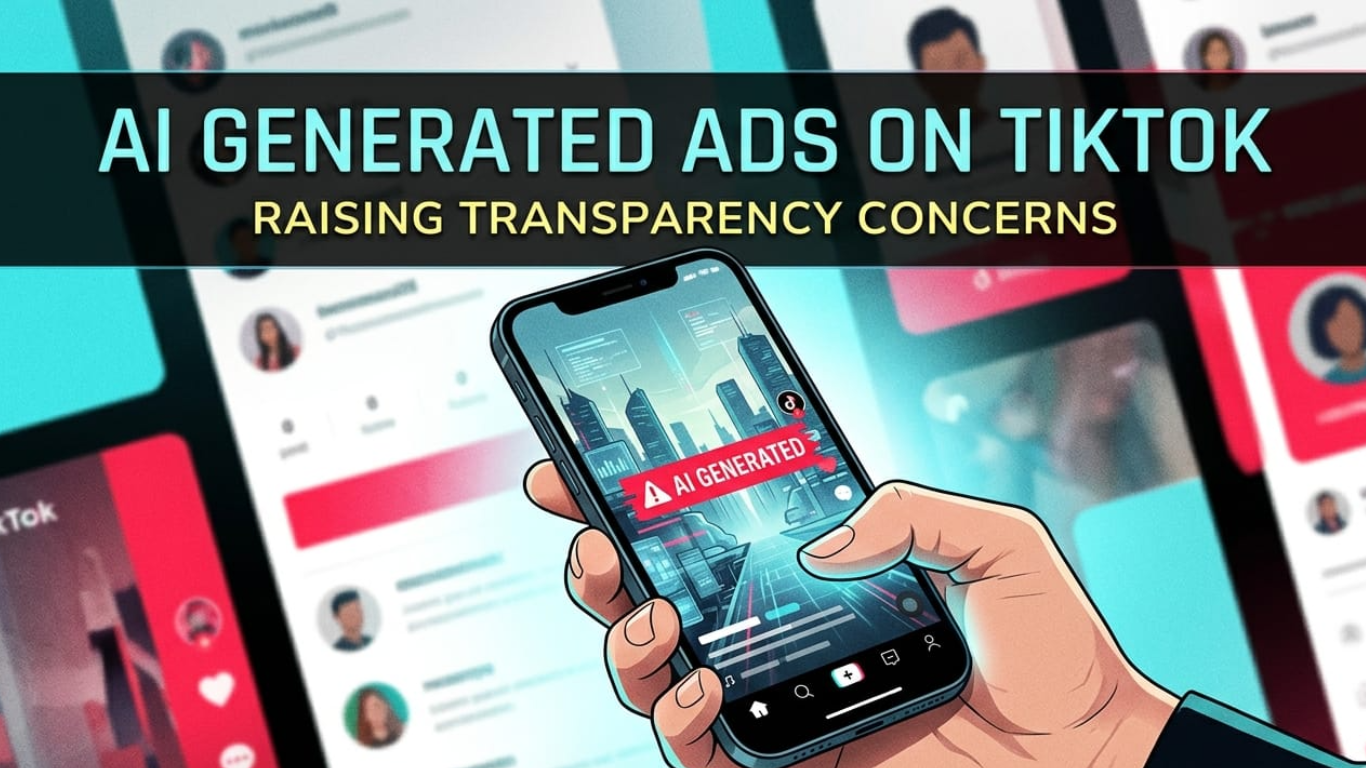
AI Generated Ads on TikTok Raise Transparency Concerns

March 29, 2026 by Prof. Mian Waqar Ahmad Hashmi
AI GENERATED ADS ON TIKTOK https://worldstan.com/ai-generated-ads-on-tiktok-raise-transparency-concerns/

AI generated ads are quietly blending into our daily social media feeds, making it harder than ever to tell what is real and what is created by machines, raising serious concerns about transparency and trust online.

The rise of AI generated ads is changing how people experience content on social media, and not everyone is comfortable with it. Many users today find themselves questioning whether what they see is real or created by artificial intelligence, especially on platforms like TikTok where visual content moves quickly and blends seamlessly into everyday browsing.

One growing concern is the lack of clear disclosure. While AI generated ads are becoming more advanced and realistic, the information about how they are made is not always shared openly. This creates confusion for viewers who try to identify whether a video or image is authentic or machine-generated.

A recent example highlights this issue involving Samsung and its promotional campaigns. The company has been seen using AI generated ads to promote features like the Galaxy S26 Ultra’s privacy display. Interestingly, similar promotional videos published on platforms like YouTube include small disclosures mentioning the use of AI tools. However, when these same ads appear on TikTok, that information is often missing.

This inconsistency raises an important question: if companies know they are using AI generated ads, why not clearly inform users everywhere?

Both Samsung and TikTok are part of the Content Authenticity Initiative, which aims to improve transparency in digital content. This initiative promotes standards such as C2PA, designed to help users identify the origin and authenticity of media. In theory, this should make AI generated ads easier to recognize. In reality, the system does not seem to be working as expected.

From a user’s point of view, this lack of transparency can feel misleading. People who spend time analyzing content often look for small signs that something is AI-generated, such as unnatural movements or visual inconsistencies. But as technology improves, these signs are becoming harder to detect. Without proper labels, even experienced viewers can struggle to tell the difference.


In our opinion, the issue is not about using AI in advertising. AI generated ads can be creative, efficient, and even entertaining. The real problem lies in honesty and communication. If brands and platforms want users to trust them, they must be clear about how content is created.

Another concern is responsibility. When AI generated ads appear without labels, it becomes unclear who is accountable. Is it the brand that created the content, or the platform that distributes it? Ideally, both should take responsibility. Companies should disclose their use of AI, and platforms like TikTok should ensure that this information is visible to users.

There is also a broader impact on digital trust. Social media has already faced challenges related to misinformation and manipulated content. The rise of AI generated ads adds another layer of complexity. If users begin to feel that everything they see could be artificial, it may reduce their confidence in online content overall.

To improve the situation, stronger enforcement of AI disclosure policies is needed. Platforms should make it mandatory for advertisers to clearly label AI generated ads, and these labels should be easy to notice, not hidden in descriptions or metadata. At the same time, companies should adopt transparent practices as part of their brand identity.

Looking ahead, AI will continue to play a major role in digital marketing. There is no doubt about that. However, the success of AI generated ads will depend on how responsibly they are used. Transparency should not be treated as an optional feature but as a basic requirement.

In the end, users deserve to know what they are watching. Clear labeling of AI generated ads is not just a technical issue—it is a matter of trust. If companies and platforms truly support transparency, their actions should reflect that commitment in every piece of content they share.

Categories NEWS Tags AI disclosure, AI ethics, AI generated ads, AI transparency, C2PA, Content Authenticity Initiative, digital marketing, generative AI, Samsung AI ads, social media ads, synthetic media, TikTok ads

AI Productivity Tools Face Growing Ethics Concerns

March 23, 2026March 23, 2026 by Prof. Mian Waqar Ahmad Hashmi
ai productivity tools face growing ethics concerns https://worldstan.com/ai-productivity-tools-face-growing-ethics-concerns/

AI productivity tools are quickly becoming part of everyday work, but as they grow more powerful, they are also raising serious questions about trust, consent, and how far artificial intelligence should go in shaping the way we write, create, and communicate.

The conversation around AI productivity tools is getting more serious, especially as these tools become part of everyday work. What started as a simple interview about artificial intelligence quickly turned into a deeper discussion about trust, ethics, and how far companies should go when building AI-powered products.


Recently, Shishir Mehrotra, CEO of Superhuman, sat down for a discussion that was originally meant to explore how AI is shaping modern software and creativity. Superhuman, which now operates as an AI-focused productivity suite, has expanded beyond its well-known writing assistant Grammarly. The company also offers tools like Coda for documents and an AI-powered email experience, all designed to bring artificial intelligence directly into the user’s daily workflow.


The core idea behind these AI productivity tools is simple: instead of asking users to change how they work, the tools adapt to existing habits. Whether someone is writing an email, editing a document, or managing tasks, AI is placed right where the work is happening. This approach has helped such platforms grow quickly, with millions of users relying on AI assistants to improve efficiency and save time.


However, the discussion took a different turn when the topic shifted to a controversial feature previously launched by Grammarly. Known as “Expert Review,” the feature used AI to generate writing suggestions by mimicking the styles of well-known experts, including journalists and public figures. The issue was that many of these individuals had never given permission for their names or identities to be used.

This decision sparked strong reactions across the media and tech communities. Critics argued that the feature crossed an important line in AI ethics, especially around consent and transparency. For many, it raised a bigger question: if AI can replicate someone’s voice or expertise, who controls that identity?


The backlash was immediate. Concerns about AI cloning experts and misuse of personal identity led to public criticism and even legal action. Investigative journalist Julia Angwin filed a class action lawsuit, highlighting the seriousness of the issue. The situation became a clear example of how AI innovation, when not handled carefully, can quickly turn into controversy.


Superhuman responded by first offering users a way to opt out and then removing the feature entirely. During the interview, Mehrotra acknowledged the mistake and apologized, stating that the company did not intend to harm or upset anyone. He also recognized that the environment for creators and experts is already challenging, and such decisions can make it even more difficult.


This moment reflects a broader challenge in the world of artificial intelligence. As AI tools become more advanced, they are no longer just helping with grammar or productivity. They are starting to interact with human identity, creativity, and ownership. This shift makes AI governance and responsible decision-making more important than ever.


From a business perspective, companies like Superhuman are trying to stay ahead in a highly competitive space. AI adoption trends show that users want smarter, faster, and more integrated tools. The idea of a single AI assistant that works across apps, from email to documents to messaging platforms, is clearly appealing. It creates a seamless experience and reduces the need to switch between different tools.


But with this convenience comes responsibility. Users are now more aware of how their data is used and how AI systems operate. Trust has become a key factor in the success of any AI platform. If users feel that a product is not transparent or ethical, they are less likely to continue using it, no matter how advanced the technology is.


During the discussion, Mehrotra also shared insights into how decisions are made within the company. He emphasized the importance of asking the right questions and gathering diverse opinions to avoid groupthink. While these frameworks are designed to improve decision-making, the Expert Review situation shows that even structured processes can fail when it comes to ethical judgment.


This raises an important point for the entire tech industry. Building powerful AI tools is no longer just a technical challenge. Companies must think carefully about how their products impact real people, especially when those products involve identity, content creation, or public trust.


In many ways, this situation highlights the growing pains of generative AI. The technology is evolving faster than the rules and standards that guide it. As a result, companies often find themselves navigating unclear boundaries. What seems like innovation from one perspective can look like exploitation from another.


At the same time, it is important to recognize that AI productivity tools are not going away. In fact, they are becoming more deeply integrated into daily work. From writing assistants to automated workflows, these tools are changing how people create, communicate, and collaborate. The challenge is to ensure that this transformation happens in a way that respects users and maintains trust.


Looking ahead, the future of AI in software development will likely depend on how well companies balance innovation with responsibility. Transparency, clear consent, and ethical guidelines will play a major role in shaping user confidence. Businesses that take these factors seriously will have a stronger chance of long-term success.


In our view, the lesson here is clear. AI innovation must move forward, but not at the cost of trust. Features that involve human identity or expertise should always be handled with explicit permission and full transparency. Otherwise, even the most advanced technology can face resistance.


The conversation between Mehrotra and the interviewer may have started as a discussion about AI platforms, but it ended up highlighting something much bigger. It showed that the future of artificial intelligence is not just about what technology can do, but also about what it should do.


As AI continues to shape the digital world, one thing is certain: users will expect more than just smart features. They will expect responsibility, honesty, and respect. And for companies building the next generation of AI productivity tools, meeting those expectations will be just as important as the technology itself.

 
Categories NEWS Tags AI agents, AI cloning experts, AI consent issues, AI controversy, AI email client, AI ethics, AI governance, AI journalism issues, AI lawsuits, AI productivity tools, AI regulation, AI tools, AI transparency, AI user trust, AI writing assistant, artificial intelligence, Coda AI, Expert Review feature, generative AI, Grammarly AI, Superhuman AI

AI Regulation Policy: Trump Plan and Key Changes

March 21, 2026 by Prof. Mian Waqar Ahmad Hashmi
us ai regulation policy trump plan explained https://worldstan.com/ai-regulation-policy-trump-plan-and-key-changes/
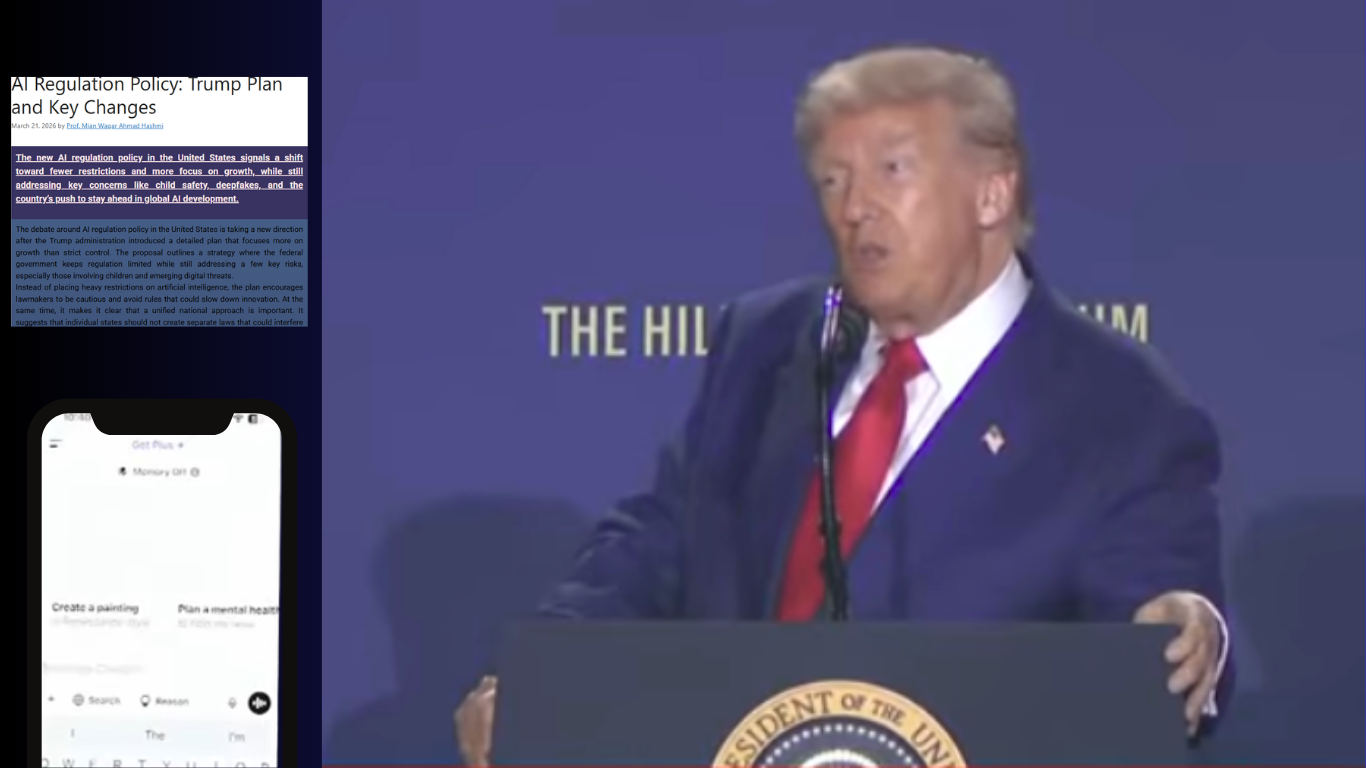
The new AI regulation policy in the United States signals a shift toward fewer restrictions and more focus on growth, while still addressing key concerns like child safety, deepfakes, and the country’s push to stay ahead in global AI development.

The debate around AI regulation policy in the United States is taking a new direction after the Trump administration introduced a detailed plan that focuses more on growth than strict control. The proposal outlines a strategy where the federal government keeps regulation limited while still addressing a few key risks, especially those involving children and emerging digital threats.

Instead of placing heavy restrictions on artificial intelligence, the plan encourages lawmakers to be cautious and avoid rules that could slow down innovation. At the same time, it makes it clear that a unified national approach is important. It suggests that individual states should not create separate laws that could interfere with a broader US AI strategy aimed at maintaining global leadership.

One of the central ideas in this AI regulation policy is protecting younger users. The proposal supports stronger safety steps for minors using AI platforms. This includes better age verification methods and limits on how companies use children’s data, especially for targeted advertising or training AI systems. However, it stops short of banning these practices completely, choosing instead to introduce controlled limits.

The plan also touches on the growing pressure that AI infrastructure can put on energy systems. With large-scale AI models requiring significant computing power, there is concern about rising electricity costs. Lawmakers are encouraged to consider solutions that can prevent sudden increases in energy demand while still supporting the expansion of AI technologies.

Another important area is education and workforce development. The proposal highlights the need for better training and skill-building programs so that people can become more familiar with AI tools. While the idea is mentioned clearly, the document does not go into deep detail about how these programs would be implemented.

When it comes to legal questions, especially around using copyrighted material to train AI models, the approach remains cautious. Rather than making immediate decisions, the plan suggests waiting to see how the legal landscape develops before introducing firm rules.

The issue of deepfakes and digital identity is also addressed. As AI-generated videos and voice clones become more realistic, the policy points toward creating a federal legal framework to protect individuals from unauthorized use of their likeness, voice, or identity. At the same time, it stresses that such laws should not limit free speech, allowing space for satire, parody, and news reporting.

The proposal also reflects ongoing concerns about overregulation. It advises against creating unclear rules or broad liabilities that could lead to unnecessary legal battles. The goal is to keep the environment stable for companies while still addressing major risks linked to AI use.

Importantly, this AI regulation policy is still just a proposal. It will only become effective if Congress reviews, approves, and passes it into law. Until then, it remains a blueprint that signals how the US may balance innovation, safety, and global competition in the fast-moving world of artificial intelligence.

Categories NEWS Tags AI child safety, AI content moderation, AI copyright, AI deepfakes, AI education, AI ethics, AI governance, AI infrastructure, AI law, AI legislation, AI policy blueprint, AI privacy, AI regulation, AI regulation policy, Trump AI policy, US AI strategy

RECENT POSTS:

  • Swarm Intelligence in Drone Warfare vs Defense System
  • How Military Robotics Is Changing Warfare
  • Cyber Warfare Meets AI Defence Operations
  • Tactical AI in Defence Operations: Future Warfare
  • AI Warfare: How Drones are Rewriting the Rules of War

CATEGORIES:

  • AI
  • AI DEFENSE OPS
  • AI IN IT
  • AI LIFESTYLE & INTERACTION
  • AI RESEARCH
  • AUTO SYSTEMS
  • CYBER WARFARE
  • LEARN TO AI
  • MILITARY ROBOTICS
  • NEWS
  • SOCIAL & DIGITAL AI
  • SOCIAL & DIGITAL AI RESEARCH
  • TACTICAL AI
  • TECH RESEARCH IN AI
  • Facebook
  • Instagram
  • YouTube
  • LinkedIn

© 2025 WorldStan All rights Reserved.