
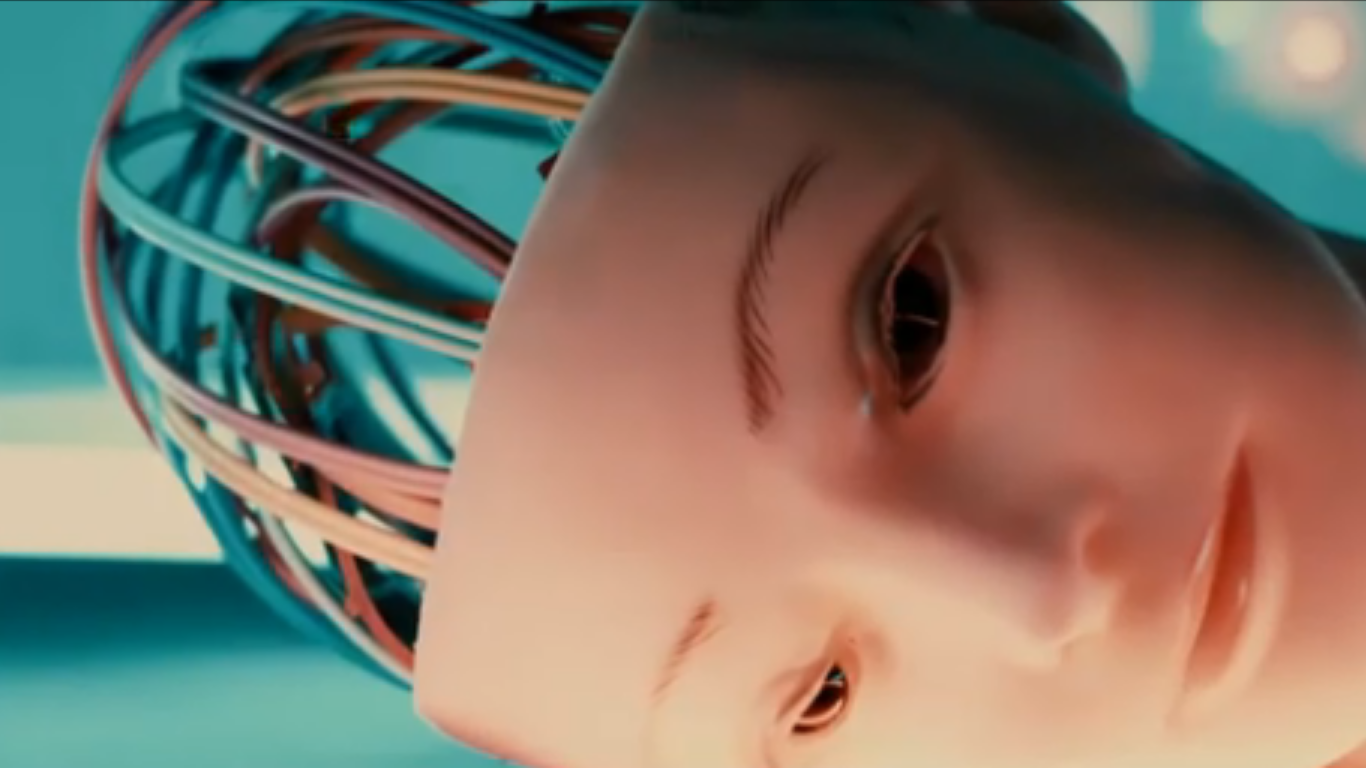
AI companies are now working with actors to teach machines how real human emotions look and sound, helping artificial intelligence respond to people in a more natural and human way.
Technology companies are now exploring new ways to help artificial intelligence better understand people. A growing trend in the AI industry shows that companies are working with actors and creative professionals to teach machines how real human emotions look and sound. This effort is part of a wider push around AI training human emotion, which aims to make AI systems respond in a more natural and human-like way.
Many AI companies rely on large sets of AI training data to build and improve their systems. While machines are good at processing numbers and text, they still struggle with emotions such as happiness, frustration, surprise, or sadness. To solve this challenge, some AI labs are hiring improv actors who can perform different emotional reactions in a natural way. Their performances help create more accurate human emotion datasets used for AI models training.
These actors are asked to express a wide range of feelings and quickly switch between them during recordings. The goal is to capture emotional tones, facial expressions, body language, and voice changes that people use in everyday conversations. This information becomes specialized AI training data that researchers use to improve emotion recognition in machines.
Experts say that emotional understanding is an important
step for the future of conversational AI. When AI systems can recognize emotions, they can respond more carefully in customer service, digital assistants, education tools, and healthcare support systems. Because of this, AI emotion recognition and AI conversational training are becoming key research areas. The work also shows how creative professionals are finding new roles in the growing AI workforce. Instead of traditional acting jobs, many performers now contribute to AI behavior modeling and AI authenticity training. Their skills help researchers build systems that better understand how humans communicate.
Despite these advances, AI still has limitations when it comes to emotional intelligence. Machines can learn patterns from data, but they do not truly feel emotions the way humans do. Researchers continue studying how to improve AI emotional intelligence training so that future systems can interact with people in more thoughtful and respectful ways.
As the technology develops, the collaboration between AI labs and creative professionals may become more common. By combining technical research with human expression, the industry hopes to build AI models that understand not only words, but also the emotions behind them.