
AI cancer treatment is opening a new chapter in how doctors understand and fight cancer, using smart technology to create more personal, faster, and more effective care for both humans and even pets.
AI is slowly changing how doctors and researchers understand and treat serious diseases, including cancer. One of the most interesting areas right now is AI cancer treatment, where new tools are helping experts find better and more personalized ways to fight the disease. This progress is not only helping humans but is also opening new doors in dog cancer treatment and overall veterinary cancer research.
Recently, scientists have been using AI in healthcare to study cancer at a much deeper level. With the help of tools similar to ChatGPT medical use, researchers can quickly review large amounts of medical data. This allows them to spot patterns that would normally take years to discover. As a result, AI-assisted diagnosis is becoming faster and more accurate, giving doctors a better chance to detect cancer early.
One of the biggest breakthroughs in AI cancer treatment is the use of personalized mRNA vaccine technology. Instead of using a one-size-fits-all approach, doctors can now design treatments based on a patient’s specific condition. By combining genetic profiling cancer techniques with AI in medicine, researchers can understand how each tumor behaves and create targeted therapies. This is a major step forward in precision medicine AI.
In addition, AI is playing a key role in immunotherapy for cancer. It helps scientists predict how the immune system will respond to certain treatments. This makes experimental cancer treatment safer and more effective. AI drug discovery is also speeding up the process of finding new medicines, which means patients may get access to better treatments much sooner than before.
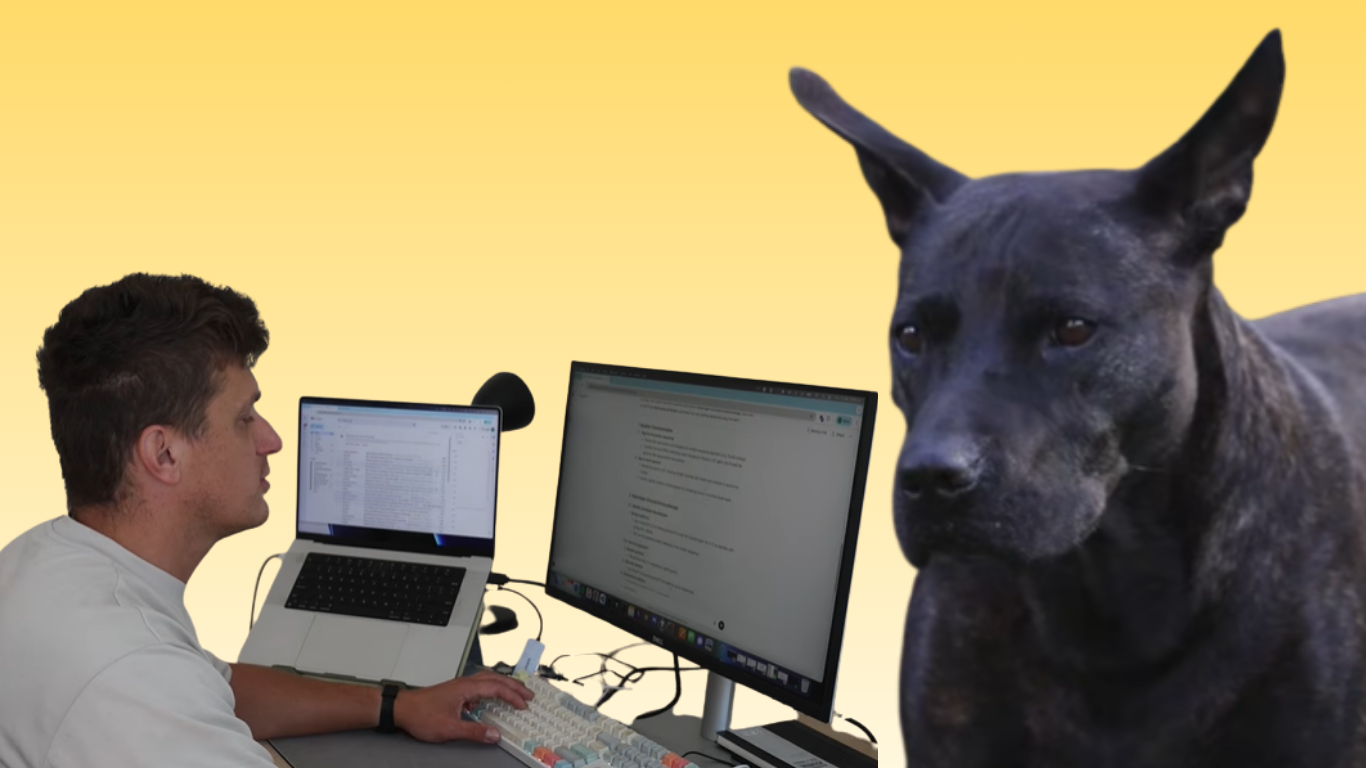
Interestingly, these advancements are not limited to humans. In pet cancer care innovation, researchers are applying the same AI tools to help animals. Dogs, for example, are now receiving advanced dog cancer treatment based on similar methods used in humans. This not only improves their quality of life but also helps scientists learn more about cancer in general.
Another powerful tool supporting AI cancer treatment is AlphaFold protein AI, which helps scientists understand protein structures. This knowledge is important because proteins play a key role in how cancer grows and spreads. With better understanding, researchers can design more effective treatments.
Overall, AI cancer treatment is changing the future of medicine. From faster diagnosis to personalized therapies and better outcomes for both humans and animals, AI in healthcare is proving to be a game changer. As research continues, we can expect even more improvements in how cancer is treated, making hope stronger for patients and their families.