Artificial Neural Networks (ANN): A Complete Professional Guide
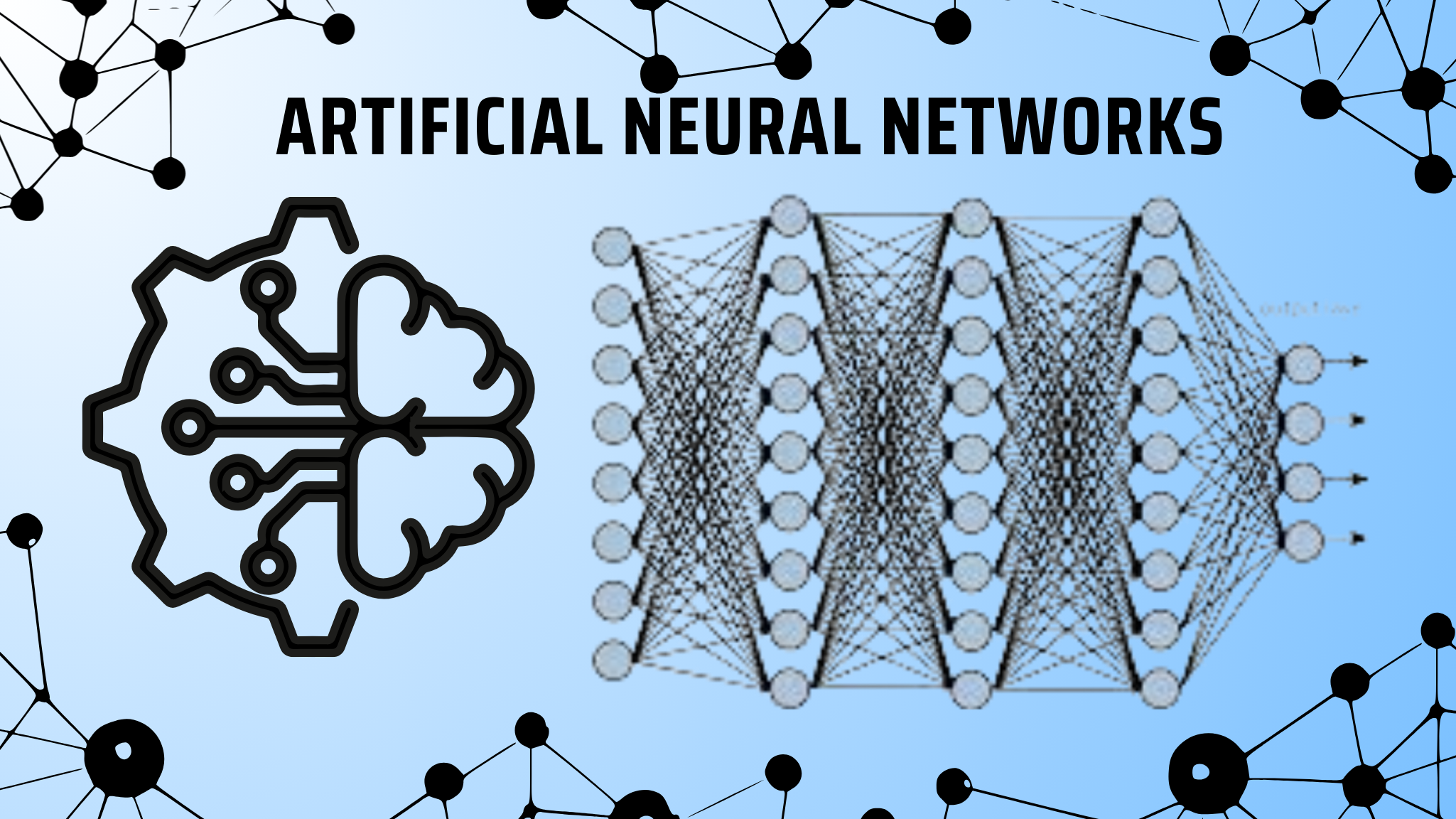
artificial neural networks https://worldstan.com/artificial-neural-networks-ann-a-complete-professional-guide/

“This article explains artificial neural networks in a clear, technical context, examining their structure, optimization, and evolution within machine learning and artificial intelligence.”

Artificial Neural Networks Explained: Architecture, Training, and Historical Evolution

Artificial neural networks have become one of the most influential computational models in modern artificial intelligence. From image classification systems to adaptive control mechanisms, these models are now deeply embedded in contemporary machine learning solutions. Often abbreviated as ANN, an artificial neural network is inspired by biological neural networks and designed to process information through interconnected artificial neurons. This article presents a comprehensive professional overview of artificial neural networks, covering their origins, theoretical foundations, architecture, training methodology, optimization techniques, and real-world applications.

Foundations of Artificial Neural Networks

An artificial neural network is a computational framework designed to approximate complex functions through layered transformations of data. The fundamental concept behind ANN is drawn from the structure and behavior of biological neural networks found in the human brain. Neurons in biological systems transmit signals through synapses, adapting over time based on experience. Similarly, artificial neurons process numerical inputs, apply transformations, and pass results forward through a neural net.

Early research into neural networks was heavily influenced by neuroscience and mathematics. The idea of modeling cognition using computational units dates back to the 1940s when Warren McCulloch and Walter Pitts introduced a simplified mathematical model of neurons. Their work demonstrated that logical reasoning could be simulated using networks of threshold-based units, laying the groundwork for future neural network architectures.

The perceptron, introduced by Frank Rosenblatt in the late 1950s, represented a major milestone in the history of neural networks. As one of the earliest machine learning algorithms, the perceptron could learn linear decision boundaries from labeled training data. Although limited in representational power, it established the feasibility of neural network training through data-driven learning processes.

Artificial Neural Network as a Computational Model

At its core, an artificial neural network functions as a layered computational model. It maps inputs to outputs by passing data through multiple transformations governed by weights and biases. Each artificial neuron receives signals, computes a weighted sum, applies an activation function, and forwards the result to the next layer.

The basic ANN architecture consists of three primary components: the input layer, hidden layers, and output layer. The input layer serves as the interface between raw data and the network. The output layer produces the final predictions, whether they represent classifications, probabilities, or continuous values.

Between these layers lie one or more hidden layers. Hidden layers are responsible for feature extraction and pattern recognition. By stacking multiple hidden layers, neural networks can learn increasingly abstract representations of data, a property that underpins deep learning and deep neural networks.

Activation Functions and Signal Transformation

Activation functions play a critical role in the behavior of artificial neural networks. Without them, a neural network would collapse into a linear model regardless of depth. By introducing non-linearity, activation functions enable neural nets to approximate complex, non-linear relationships.

Common activation functions include sigmoid, hyperbolic tangent, and the ReLU activation function. ReLU, or Rectified Linear Unit, has become particularly popular in deep learning due to its computational efficiency and reduced risk of vanishing gradients. The choice of activation function significantly impacts learning speed, stability, and overall performance.

Weights, Biases, and Learning Dynamics

Weights and biases define the internal parameters of an artificial neural network. Weights determine the strength of connections between neurons, while biases allow flexibility in shifting activation thresholds. During the learning process, these parameters are adjusted to minimize errors between predicted and actual outputs.

Learning in ANN is fundamentally an optimization problem. The objective is to find a set of weights and biases that minimize a predefined loss function. This loss function quantifies prediction errors and guides the direction of parameter updates.

Neural Network Training and Optimization

Neural network training involves iteratively improving model parameters using labeled training data. The most common training paradigm relies on supervised learning, where each input is paired with a known target output. The network generates predictions, computes errors using a loss function, and updates parameters accordingly.

Empirical risk minimization is the guiding principle behind neural network training. It seeks to minimize the average loss over the training dataset. Gradient-based methods are used to compute how small changes in parameters affect the loss. These gradients provide the information needed to adjust weights in a direction that improves model performance.

Backpropagation is the algorithm that enables efficient computation of gradients in multilayer neural networks. By propagating errors backward from the output layer to earlier layers, backpropagation calculates gradients for all parameters in the network. This method made training deep neural networks feasible and remains central to modern deep learning systems.

Stochastic gradient descent and its variants are widely used for parameter optimization. Rather than computing gradients over the entire dataset, stochastic gradient descent updates parameters using small subsets of data. This approach improves computational efficiency and helps models escape local minima.

Neural Networks in Machine Learning Context

Neural networks in machine learning differ from traditional rule-based systems by learning directly from data. Instead of explicitly programming behavior, engineers define a model structure and allow the learning process to infer relationships from examples. This data-driven approach has proven particularly effective for tasks involving high-dimensional inputs and ambiguous patterns.

Artificial neural networks excel at predictive modeling, where the goal is to estimate future outcomes based on historical data. Applications range from financial forecasting to medical diagnosis and demand prediction. Their adaptability also makes them suitable for adaptive control systems, where models continuously adjust behavior in response to changing environments.

Feedforward Neural Networks and Multilayer Perceptrons

The feedforward neural network is the simplest and most widely studied ANN architecture. In this structure, information flows in one direction from input to output without feedback loops. The multilayer perceptron is a classic example of a feedforward neural network with one or more hidden layers.

Multilayer perceptrons can approximate arbitrary continuous functions given sufficient depth and width. This theoretical property, often referred to as the universal approximation theorem, underscores the expressive power of artificial neural networks.

Despite their simplicity, feedforward networks remain highly relevant. They are commonly used for regression, classification, and pattern recognition tasks where temporal dependencies are minimal.

Deep Neural Networks and Deep Learning

Deep learning refers to the use of deep neural networks containing multiple hidden layers. The depth of these models allows them to learn hierarchical representations of data. Lower layers capture simple features, while higher layers represent complex abstractions.

Deep neural networks have revolutionized fields such as computer vision and natural language processing. Their success is closely tied to advances in computational hardware, large-scale labeled training data, and improved training algorithms.

Convolutional Neural Networks and Feature Extraction

Convolutional neural networks, often abbreviated as CNN, are a specialized class of deep neural networks designed for grid-like data such as images. CNNs incorporate convolutional layers that automatically perform feature extraction by scanning filters across input data.

This architecture significantly reduces the number of parameters compared to fully connected networks while preserving spatial structure. CNNs have become the dominant approach for image classification, object detection, and visual pattern recognition.

Transfer learning is commonly applied with convolutional neural networks. In this approach, a model trained on a large dataset is adapted to a new task with limited data. Transfer learning reduces training time and improves performance in many artificial intelligence applications.

Loss Functions and Model Evaluation

The loss function defines what the neural network is trying to optimize. Different tasks require different loss functions. For classification problems, cross-entropy loss is frequently used, while mean squared error is common in regression tasks.

Choosing an appropriate loss function is critical for stable neural network training. The loss must align with the problem’s objectives and provide meaningful gradients for optimization. Evaluation metrics such as accuracy, precision, recall, and error rates complement loss values by offering task-specific performance insights.

Artificial Neural Networks and Artificial Intelligence

Artificial neural networks form a foundational pillar of artificial intelligence. They enable machines to perform tasks that traditionally required human cognition, such as visual perception, speech recognition, and decision-making. As part of a broader artificial intelligence ecosystem, ANN models often integrate with symbolic reasoning systems, reinforcement learning agents, and probabilistic models.

The relationship between ANN and artificial intelligence is not merely technical but philosophical. Neural networks challenge traditional views of intelligence by demonstrating that complex behavior can emerge from simple computational units interacting at scale.

Historical Evolution and Scientific Authority

Understanding the history of neural networks provides valuable context for their current prominence. Early enthusiasm for neural nets waned during periods known as AI winters, largely due to computational limitations and theoretical critiques. The von Neumann model of computing, which emphasized symbolic manipulation, dominated early artificial intelligence research.

Renewed interest emerged in the 1980s with the rediscovery of backpropagation and advances in hardware. Subsequent breakthroughs in deep learning during the 2010s cemented neural networks as a central paradigm in machine learning.

The contributions of pioneers such as Warren McCulloch, Walter Pitts, Frank Rosenblatt, and proponents of Hebbian learning continue to influence contemporary research. Their foundational ideas underpin modern neural network architectures and training methodologies.

Ethical and Practical Considerations

While artificial neural networks offer remarkable capabilities, they also present challenges. Issues related to interpretability, bias, and robustness remain active areas of research. Because neural networks operate as complex parameterized systems, understanding their internal decision-making processes can be difficult.

Efforts to improve transparency include explainable artificial intelligence techniques that aim to clarify how models arrive at specific predictions. Addressing these concerns is essential for responsible deployment in high-stakes domains such as healthcare, finance, and autonomous systems.

Future Directions of Artificial Neural Networks

The future of artificial neural networks is closely tied to ongoing research in architecture design, optimization, and integration with other learning paradigms. Hybrid models combining neural networks with symbolic reasoning and probabilistic inference are gaining attention.

Advancements in unsupervised and self-supervised learning aim to reduce reliance on labeled training data. Meanwhile, neuromorphic computing seeks to replicate the efficiency of biological neural networks at the hardware level.

As neural networks in machine learning continue to evolve, their role in artificial intelligence applications is expected to expand further, shaping how machines perceive, learn, and interact with the world.

Conclusion:

Artificial neural networks represent one of the most powerful and versatile tools in modern machine learning. Rooted in biological inspiration and refined through decades of research, ANN models provide a robust framework for solving complex computational problems. By understanding their architecture, learning process, historical development, and applications, professionals can better leverage neural networks for innovative and responsible artificial intelligence solutions.

From the early perceptron to today’s deep neural networks, the evolution of ANN reflects a broader shift toward data-driven intelligence. As research advances and applications diversify, artificial neural networks will remain central to the future of intelligent systems.

FAQs:

1. What problem do artificial neural networks solve in machine learning?

Artificial neural networks are designed to model complex, non-linear relationships in data, making them effective for tasks where traditional algorithms struggle, such as pattern recognition, prediction, and feature learning.


2. How does an artificial neural network differ from conventional algorithms?

Unlike rule-based algorithms, artificial neural networks learn directly from data by adjusting internal parameters, allowing them to adapt to new patterns without explicit reprogramming.


3. Why are hidden layers important in neural network architecture?

Hidden layers enable a neural network to extract and transform features at multiple levels of abstraction, which is essential for learning complex representations in high-dimensional data.


4. What role does backpropagation play in neural network learning?

Backpropagation provides an efficient way to compute parameter updates by distributing prediction errors backward through the network, allowing all layers to learn simultaneously.


5. How do activation functions influence neural network performance?

Activation functions introduce non-linearity into neural networks, directly affecting their learning capacity, convergence behavior, and ability to model complex data relationships.


6. In which industries are artificial neural networks most widely applied?

Artificial neural networks are widely used in industries such as healthcare, finance, manufacturing, transportation, and technology, supporting applications like diagnostics, forecasting, automation, and decision support.


7. What are the main limitations of artificial neural networks?

Key limitations include high data requirements, computational cost, limited interpretability, and sensitivity to biased or low-quality training data.

What Is an Algorithm? Meaning, Types, Examples, and Uses

what is an algorithm meaning, types, examples, and uses https://worldstan.com/what-is-an-algorithm-meaning-types-examples-and-uses/

This article offers a clear, end-to-end exploration of algorithms, explaining what they are, how they work, why they matter, and how they are used across everyday life, data analysis, machine learning, and artificial intelligence to solve real-world problems systematically.

Introduction

In today’s digital world, algorithms quietly shape almost every aspect of our lives. From the moment you unlock your smartphone to the instant a navigation app suggests the fastest route, algorithms are at work behind the scenes. Despite their widespread influence, many people still find the concept abstract or intimidating. In reality, algorithms are simple ideas with powerful implications.

This comprehensive guide explains algorithms in clear and practical terms. It explores what an algorithm is, how algorithms work, why they matter, and how they are applied in areas such as machine learning, artificial intelligence, data analysis, and everyday decision-making. Whether you are a beginner, student, professional, or simply curious, this article provides a complete foundation for understanding algorithms.

Understanding the Meaning of an Algorithm

At its core, an algorithm is a structured method for solving a problem or completing a task. It consists of a series of logical steps that transform input into output. The steps must be precise, unambiguous, and finite, meaning the process eventually ends.

In simple terms, an algorithm is a recipe for solving a problem. Just as a cooking recipe outlines ingredients and steps to produce a dish, an algorithm defines the actions needed to reach a desired result.

The concept of algorithms predates modern computers. Long before software existed, people used algorithms for arithmetic calculations, navigation, and decision-making. Computers simply execute algorithms faster and at a much larger scale.

Why Algorithms Are Important?

Algorithms are the foundation of computing and digital systems. Without them, computers would have no instructions to follow and no way to process data meaningfully.

Algorithms are important because they:

Enable problem-solving in a systematic way
Improve efficiency by reducing time and resource usage
Allow automation of complex tasks
Support data-driven decision-making
Form the backbone of artificial intelligence and machine learning

Every software application, from banking systems to social media platforms, relies on carefully designed algorithms to function correctly and securely.

Algorithm vs Program

An algorithm and a program are closely related but not the same. An algorithm is a conceptual solution expressed as steps or logic. A program is the implementation of that algorithm using a specific programming language.

One algorithm can be implemented as multiple programs in different languages. The algorithm focuses on what needs to be done, while the program focuses on how it is executed by a machine.

How Algorithms Work?

Algorithms operate through a clear process that begins with input and ends with output. The input is the data provided to the algorithm, while the output is the result produced after processing.

The general working mechanism includes:

Receiving input data
Applying logical rules or calculations
Following a defined sequence of steps
Producing an output

For example, a search algorithm takes a query as input, scans a database or index, applies ranking rules, and returns relevant results as output.

Algorithm Steps and Stages

Most algorithms follow a structured lifecycle, regardless of complexity. The typical stages include:

Problem definition
Input specification
Algorithm design
Processing and logic execution
Output generation
Termination

These stages ensure that the algorithm is not only functional but also efficient and understandable.

Do Algorithms Always Produce Output?

Not all algorithms produce visible output. Some algorithms perform actions such as updating a database, triggering an alert, or controlling a system. In such cases, the output may be a change in state rather than a displayed result.

Algorithm Examples in Simple Terms

One of the best ways to understand algorithms is through everyday examples.

Consider the process of brushing your teeth:

Pick up the toothbrush
Apply toothpaste
Brush all sides of teeth
Rinse mouth
Turn off the tap

This sequence is an algorithm. It has a clear start, defined steps, and a completion point.

Another example is deciding what to wear based on weather conditions. The decision-making process follows logical rules, making it an informal algorithm.

Algorithms in Daily Life

Algorithms are not limited to computers. They are embedded in daily routines and social systems.

Examples include:

Traffic light systems controlling vehicle flow
ATM machines verifying identity and dispensing cash
Online shopping recommendations
Email spam filtering
Calendar scheduling

Each of these relies on predefined logic to process inputs and generate outcomes.

Algorithms in Banking and Finance

In banking, algorithms handle tasks that demand accuracy, speed, and security. They manage transactions, detect unusual activity, and calculate interest rates.

Fraud detection algorithms analyze transaction patterns to identify suspicious behavior. These systems learn from historical data and continuously improve their accuracy.

Algorithms also play a role in credit scoring, risk assessment, and automated trading systems.

Algorithms in Social Media Platforms

Social media platforms rely heavily on algorithms to personalize user experiences. These algorithms determine which posts appear in a user’s feed, which videos are recommended, and which advertisements are displayed.

They analyze user behavior such as likes, shares, comments, and watch time to predict preferences. This personalization helps platforms maintain engagement while also raising ethical discussions around transparency and bias.

Algorithms in Search Engines

Search engines use complex algorithms to index billions of web pages and deliver relevant results in milliseconds. These algorithms evaluate factors such as keyword relevance, page quality, user intent, and credibility.

Search algorithms are constantly updated to improve accuracy, combat misinformation, and enhance user satisfaction.

Algorithms in Navigation Systems

Navigation systems calculate optimal routes using algorithms that analyze distance, traffic conditions, road closures, and historical data.

Graph algorithms are commonly used in these systems to determine the shortest or fastest path between two locations.

Characteristics of a Good Algorithm

Not all algorithms are equally effective. A good algorithm has several key qualities:

Correctness
Efficiency
Clarity
Scalability
Robustness
Security

Correctness ensures the algorithm produces accurate results. Efficiency minimizes time and resource usage. Robustness allows the algorithm to handle unexpected inputs gracefully.

Algorithm Efficiency and Performance

Efficiency is a critical factor in algorithm design. It determines how well an algorithm performs as input size grows.

Performance is often measured in terms of time complexity and space complexity. These metrics help developers compare algorithms and choose the most suitable one for a specific task.

Optimizing an algorithm may involve reducing redundant operations, improving data structures, or adopting a more suitable design strategy.

Algorithm Design Process

Designing an algorithm involves more than writing steps. It requires analysis, creativity, and testing.

The typical design process includes:

Understanding the problem
Identifying constraints
Choosing an appropriate strategy
Defining inputs and outputs
Developing step-by-step logic
Testing with sample data

Good design ensures the algorithm is efficient, maintainable, and adaptable.

Types of Algorithms

Algorithms can be classified based on their design approach and application.

Sorting Algorithms

Sorting algorithms arrange data in a specific order. Common examples include bubble sort, merge sort, and quick sort. These algorithms are essential in data organization and retrieval.

Search Algorithms

Search algorithms locate specific data within a dataset. Linear search and binary search are basic examples. Advanced search algorithms are used in databases and search engines.

Graph Algorithms

Graph algorithms analyze networks of connected nodes. They are used in navigation systems, social networks, and communication systems.

Dynamic Programming Algorithms

Dynamic programming algorithms solve complex problems by breaking them into smaller overlapping subproblems. This approach improves efficiency by storing intermediate results.

Greedy Algorithms

Greedy algorithms make decisions based on immediate benefits. They are often used in scheduling, optimization, and resource allocation problems.

Divide and Conquer Algorithms

Divide and conquer algorithms split a problem into smaller parts, solve each independently, and combine the results. Merge sort is a classic example.

Recursive Algorithms

Recursive algorithms call themselves to solve smaller instances of the same problem. They are commonly used in tree traversal and mathematical computations.

Brute Force Algorithms

Brute force algorithms try all possible solutions to find the correct one. While simple, they can be inefficient for large datasets.

Randomized Algorithms

Randomized algorithms incorporate randomness to improve performance or simplicity. They are useful in situations where deterministic approaches are impractical.

Data Structures and Algorithms

Data structures and algorithms are closely linked. Data structures organize data, while algorithms manipulate it.

Choosing the right data structure can significantly improve algorithm performance. Examples include arrays, stacks, queues, trees, and hash tables.

Algorithms in Data Analysis

In data analysis, algorithms extract patterns, trends, and insights from large datasets. They are used for clustering, classification, regression, and anomaly detection.

Efficient algorithms enable organizations to make informed decisions based on data-driven evidence.

Algorithms in Machine Learning

Machine learning algorithms allow systems to learn from data rather than relying solely on predefined rules.

These algorithms include:

Supervised learning algorithms for prediction
Unsupervised learning algorithms for pattern discovery
Reinforcement learning algorithms for decision-making

Training algorithms involves feeding data into a model and adjusting parameters to improve accuracy over time.

AI Algorithms and Learning Systems

Artificial intelligence relies on advanced algorithms that simulate aspects of human intelligence. These algorithms support tasks such as image recognition, natural language processing, and autonomous decision-making.

AI algorithms often combine multiple techniques, including neural networks, optimization algorithms, and probabilistic models.

Role of Algorithms in AI

Algorithms are the driving force behind AI systems. They enable machines to perceive, reason, learn, and act.

Without algorithms, artificial intelligence would remain a theoretical concept rather than a practical technology.

Algorithm Testing and Optimization

Testing ensures that an algorithm works correctly under different conditions. Optimization improves speed, memory usage, and reliability.

This process involves debugging, performance analysis, and refinement.

Algorithm Documentation

Clear documentation explains how an algorithm works, its purpose, and its limitations. Good documentation supports collaboration, maintenance, and future development.

How Algorithms Solve Problems

Algorithms solve problems by transforming inputs into outputs through logical reasoning. They reduce complexity, eliminate guesswork, and ensure consistency.

By breaking problems into manageable steps, algorithms provide reliable and repeatable solutions.

Conclusion:

Algorithms are the invisible engines powering modern technology and everyday decision-making. From simple routines to advanced artificial intelligence systems, algorithms define how problems are solved efficiently and accurately.

Understanding algorithms is no longer limited to computer scientists. As digital systems continue to shape society, algorithmic literacy becomes an essential skill. By grasping their meaning, structure, and applications, individuals and organizations can better navigate the increasingly automated world.

Algorithms are not just technical tools; they are fundamental frameworks for thinking, problem-solving, and innovation in the digital age.

FAQs:

  1. Can an algorithm exist without a computer?
    Yes. Algorithms are logical procedures and can be followed by humans, machines, or even natural systems. Computers simply execute algorithms faster and at scale, but the concept itself is independent of technology.

  2. How do algorithms make decisions with incomplete data?
    Algorithms use predefined rules, probabilities, or learned patterns to make the best possible decision when data is missing or uncertain. In advanced systems, this often involves statistical models or machine learning techniques.

  3. What happens when an algorithm fails or gives incorrect results?
    When an algorithm fails, it may be due to flawed logic, poor data quality, or unexpected conditions. Detecting such issues requires testing, monitoring, and refinement to ensure reliability and accuracy over time.

  4. Are faster algorithms always better?
    Not necessarily. While speed is important, an algorithm must also be accurate, secure, and resource-efficient. In some cases, a slower algorithm may produce more reliable or interpretable results.

  5. How do algorithms adapt to changing environments?
    Adaptive algorithms adjust their behavior based on new inputs or feedback. Machine learning algorithms, for example, update their internal parameters as they encounter new data.

  6. Can the same problem have multiple valid algorithms?
    Yes. Many problems can be solved using different algorithms, each with its own trade-offs in terms of speed, memory usage, and implementation complexity.

  7. Why is algorithm transparency becoming important?
    As algorithms increasingly influence critical decisions, transparency helps users understand how outcomes are produced, reduces bias, and supports ethical and regulatory compliance.


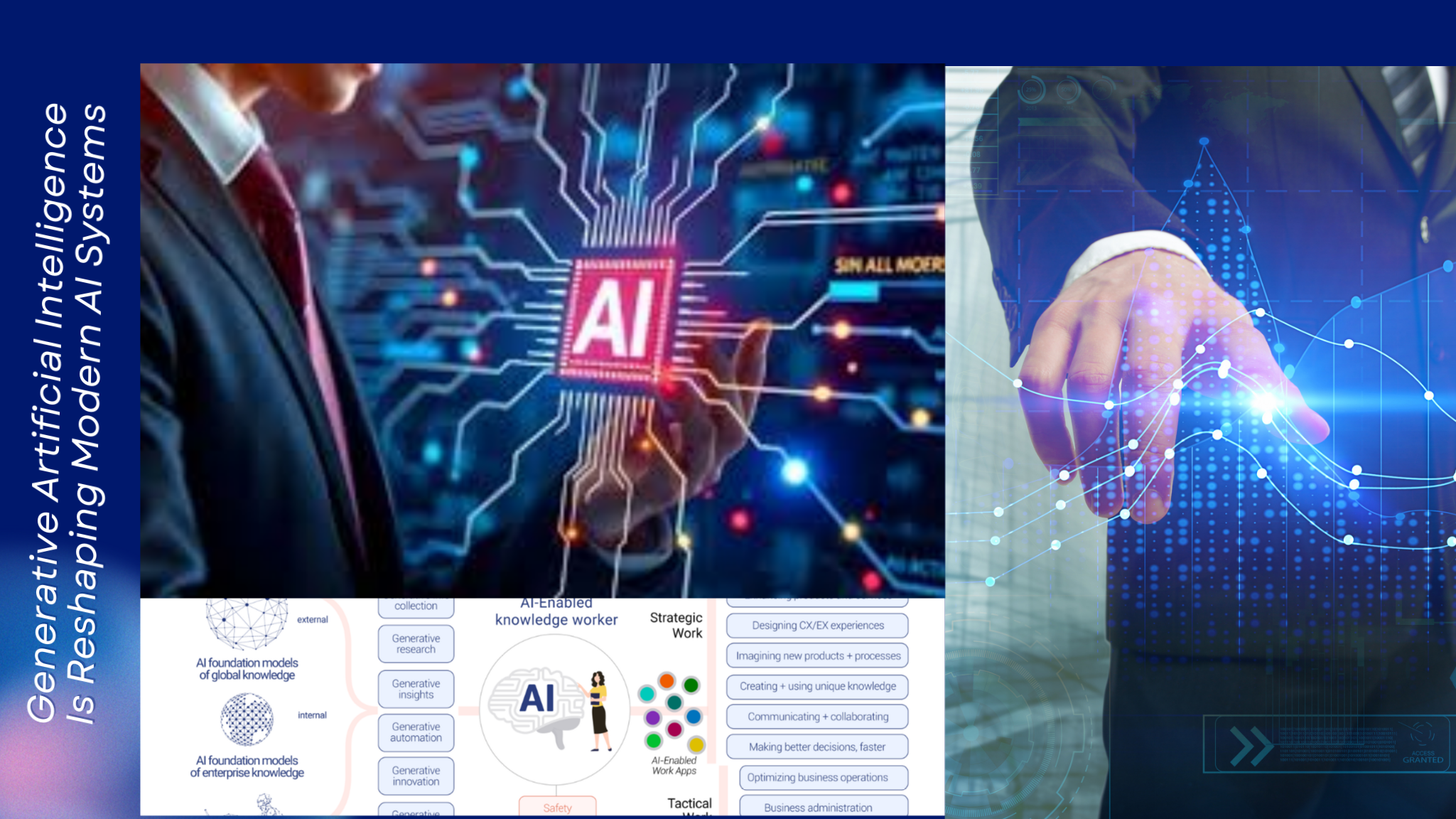
Generative Artificial Intelligence Is Reshaping Modern AI Systems

Generative Artificial Intelligence Is Reshaping Modern AI Systems https://worldstan.com/generative-artificial-intelligence-is-reshaping-modern-ai-systems/

This article provides a comprehensive, professional overview of how generative artificial intelligence is transforming modern AI systems, from large language models and multimodal capabilities to enterprise infrastructure, AI engineering practices, and the long-term path toward artificial general intelligence.


Generative Artificial Intelligence and the Redefinition of Modern Computing

Generative Artificial Intelligence has emerged as one of the most transformative forces in the contemporary technology landscape. Unlike earlier forms of automation that focused primarily on rule-based execution or predictive analytics, generative systems are capable of producing new content, synthesizing knowledge, and interacting with humans in increasingly sophisticated ways. This shift represents not just an incremental improvement in artificial intelligence evolution, but a structural change in how digital systems are designed, deployed, and trusted across industries.

The rise of generative Artificial Intelligence is inseparable from broader developments in modern AI systems, including advances in large language models, multimodal AI, and scalable infrastructure. Together, these elements are reshaping software engineering, enterprise decision-making, creative workflows, and even the long-term discussion around artificial general intelligence. As organizations move from experimentation to large-scale adoption, understanding the architectural, computational, and conceptual foundations of generative AI models has become a strategic necessity rather than an academic exercise.

From Statistical Learning to Generative Intelligence

To understand the significance of generative Artificial Intelligence, it is essential to place it within the broader arc of artificial intelligence evolution. Early AI systems relied on symbolic reasoning and handcrafted logic, requiring explicit rules for every possible outcome. These approaches proved brittle and difficult to scale. The next phase introduced machine learning, enabling systems to identify patterns from data rather than relying solely on pre-programmed instructions.

The introduction of deep learning marked a major inflection point. Neural networks with many layers demonstrated unprecedented performance in tasks such as image recognition, speech processing, and language translation. However, most of these systems were still designed to classify or predict rather than create. Generative Artificial Intelligence changed that paradigm by enabling models to generate text, images, audio, code, and even synthetic data that closely resembles human-created outputs.

At the heart of this transition are generative AI models trained on massive datasets using self-supervised learning techniques. These models learn statistical representations of language, visuals, and other modalities, allowing them to produce coherent and contextually relevant outputs. Large language models explained through this lens are not simply databases of memorized content, but probabilistic systems capable of reasoning across vast conceptual spaces.

Large Language Models and the Foundation of Generative Systems

Large language models have become the most visible expression of generative Artificial Intelligence. Trained on trillions of tokens, these models encode linguistic structure, semantic relationships, and contextual cues into dense numerical representations. Through this process, they acquire the ability to answer questions, summarize documents, generate narratives, and assist with complex analytical tasks.

The architecture of modern large language models relies heavily on transformer-based designs, which allow efficient parallel processing and long-range dependency modeling. These capabilities are essential for maintaining coherence across extended interactions and for supporting advanced use cases such as technical documentation, legal analysis, and scientific research.

Despite their impressive capabilities, large language models are not standalone solutions. Their effectiveness depends on complementary systems that manage data retrieval, contextual grounding, and real-time information access. This has led to the rapid adoption of retrieval-augmented generation techniques, commonly referred to as RAG systems.

Retrieval-Augmented Generation and Knowledge Grounding

Retrieval-augmented generation represents a critical evolution in the deployment of generative Artificial Intelligence. Instead of relying solely on internal model parameters, RAG systems dynamically retrieve relevant information from external knowledge sources at inference time. This approach significantly improves accuracy, transparency, and adaptability.

At the core of RAG systems is vector search, a method that enables efficient similarity matching across large collections of documents. Text, images, and other data types are converted into AI embeddings, which capture semantic meaning in numerical form. When a query is issued, the system identifies the most relevant embeddings and feeds the associated content into the generative model as contextual input.

This architecture addresses several limitations of standalone generative AI models. It reduces hallucinations by grounding responses in verified sources, enables rapid updates without retraining the model, and supports domain-specific customization. As a result, retrieval-augmented generation has become a cornerstone of enterprise-grade generative AI deployments, particularly in regulated industries such as healthcare, finance, and law.

Multimodal AI and the Expansion of Generative Capabilities

While text-based systems have dominated early discussions, the future of generative Artificial Intelligence is inherently multimodal. Multimodal AI systems are designed to process and generate content across multiple data types, including text, images, audio, video, and structured data. This convergence enables richer interactions and more comprehensive problem-solving.

Multimodal generative AI models can interpret visual information, describe images in natural language, generate design assets from textual prompts, and integrate sensory inputs into unified outputs. These capabilities are already influencing fields such as digital media, education, product design, and accessibility.

The technical foundation of multimodal AI relies on shared representation spaces, where different modalities are mapped into compatible embedding structures. This allows models to reason across formats and maintain contextual consistency. As multimodal systems mature, they are expected to become the default interface for human-computer interaction, reducing friction and expanding the range of tasks that AI can support.

Infrastructure, Accelerated Computing, and Performance Scaling

The rapid progress of generative Artificial Intelligence would not be possible without parallel advances in computing infrastructure. Training and deploying large-scale generative AI models require immense computational resources, driving innovation in accelerated computing and AI hardware.

GPU computing for AI has become the industry standard due to its ability to handle highly parallel workloads efficiently. Modern AI hardware architectures are optimized for matrix operations, enabling faster training times and lower inference latency. In addition to GPUs, specialized accelerators and custom chips are increasingly being developed to address specific AI workloads.

Infrastructure considerations extend beyond raw compute power. High-bandwidth memory, distributed training frameworks, and energy-efficient data centers all play critical roles in scaling generative AI systems responsibly. As demand grows, organizations must balance performance with sustainability, cost management, and operational resilience.

AI Engineering and System-Level Design

The deployment of generative Artificial Intelligence at scale requires a disciplined approach to AI engineering. This includes not only model development, but also system integration, monitoring, security, and lifecycle management. Unlike traditional software, generative AI systems exhibit probabilistic behavior, requiring new methodologies for testing and validation.

AI engineering practices emphasize modular architectures, observability, and human-in-the-loop workflows. By combining generative models with retrieval systems, business logic, and user feedback mechanisms, organizations can build robust solutions that align with operational and ethical standards.

System-level AI keywords such as retrieval-augmented generation, vector search, and AI embeddings are not merely technical concepts, but foundational components of modern AI systems. Their effective integration determines whether generative Artificial Intelligence delivers reliable value or remains confined to experimental use cases.

Economic and Organizational Impact

The adoption of generative Artificial Intelligence is reshaping organizational structures and economic models. By automating knowledge-intensive tasks, generative systems are augmenting human capabilities rather than simply replacing labor. This shift is particularly evident in areas such as software development, customer support, marketing, and research.

Generative AI models enable faster prototyping, improved decision support, and personalized user experiences. However, they also introduce new challenges related to workforce adaptation, intellectual property, and governance. Organizations must invest in training, policy development, and cross-functional collaboration to fully realize the benefits of these technologies.

From a macroeconomic perspective, generative Artificial Intelligence is expected to contribute significantly to productivity growth. Its impact will vary across sectors, depending on data availability, regulatory environments, and cultural readiness. As adoption accelerates, competitive differentiation will increasingly depend on how effectively organizations integrate generative capabilities into their core processes.

Ethical Considerations and Responsible Deployment

The power of generative Artificial Intelligence raises important ethical questions. Issues such as bias, misinformation, data privacy, and accountability require careful attention. While technical solutions such as retrieval grounding and transparency tools can mitigate some risks, governance frameworks are equally important.

Responsible deployment involves clear documentation of model capabilities and limitations, ongoing performance evaluation, and mechanisms for user feedback. Regulatory bodies and industry consortia are beginning to establish guidelines, but practical implementation remains a shared responsibility among developers, organizations, and policymakers.

As generative AI systems become more autonomous and integrated into critical workflows, ethical considerations must be treated as design constraints rather than afterthoughts. This approach will be essential for maintaining public trust and ensuring long-term sustainability.

Artificial General Intelligence and Long-Term Outlook

Discussions about artificial general intelligence often accompany conversations about generative Artificial Intelligence. While current systems demonstrate impressive versatility, they remain specialized tools rather than truly general intelligences. AGI is typically defined as an AI system capable of performing any intellectual task that a human can, across domains and contexts.

The path toward AGI remains uncertain and subject to debate. Some researchers view generative AI models as incremental steps toward broader intelligence, while others emphasize the qualitative differences between pattern-based systems and human cognition. Regardless of perspective, the ongoing AI innovation timeline suggests continued convergence between generative models, multimodal reasoning, and adaptive learning.

The future of generative AI will likely involve tighter integration with real-world feedback, improved reasoning capabilities, and more efficient use of computational resources. These developments may not result in immediate AGI, but they will continue to expand the scope and impact of artificial intelligence across society.

The Future of Generative Artificial Intelligence

Looking ahead, generative Artificial Intelligence is poised to become a foundational layer of digital infrastructure. Its applications will extend beyond isolated tools into embedded systems that support continuous learning and collaboration. As generative capabilities become more accessible, innovation will increasingly be driven by how creatively and responsibly they are applied.

The convergence of multimodal AI, retrieval-augmented generation, and accelerated computing will enable new forms of interaction that blur the boundaries between humans and machines. Education, healthcare, science, and creative industries are likely to experience profound transformations as generative systems mature.

At the same time, the evolution of AI engineering practices and governance frameworks will determine whether these technologies deliver equitable and sustainable outcomes. By aligning technical innovation with ethical principles and organizational readiness, generative Artificial Intelligence can serve as a catalyst for positive change rather than disruption alone.

Conclusion:

Generative Artificial Intelligence represents a defining chapter in the ongoing story of artificial intelligence evolution. By combining advanced generative AI models with retrieval systems, multimodal capabilities, and powerful infrastructure, modern AI systems are redefining what machines can create and understand.

From large language models explained through their architectural foundations to forward-looking discussions of AGI and the future of generative AI, the field continues to evolve at a remarkable pace. Organizations that invest in AI engineering, responsible deployment, and strategic integration will be best positioned to navigate this transformation.

As the AI innovation timeline unfolds, generative Artificial Intelligence will not simply be a technological trend, but a core component of how knowledge is produced, shared, and applied in the digital age.

FAQs:

1. What distinguishes generative artificial intelligence from traditional AI systems?

Generative artificial intelligence is designed to create new content rather than simply analyze or classify existing data. Unlike traditional AI systems that focus on prediction or rule-based automation, generative models can produce text, images, audio, and other outputs by learning underlying patterns and relationships from large datasets.


2. Why are large language models central to generative artificial intelligence?

Large language models provide the foundational capability for understanding and generating human language at scale. They learn contextual and semantic relationships across vast amounts of text, enabling generative artificial intelligence to perform tasks such as summarization, reasoning, and conversational interaction with a high degree of coherence.


3. How do retrieval-augmented generation systems improve AI accuracy?

Retrieval-augmented generation systems enhance generative outputs by incorporating real-time access to external knowledge sources. By retrieving relevant information through vector search and integrating it into the generation process, these systems reduce errors and ensure responses are grounded in verifiable data.


4. What role does multimodal AI play in the future of generative systems?

Multimodal AI allows generative systems to work across multiple data types, such as text, images, and audio, within a unified framework. This capability enables more natural interactions and broader applications, including visual understanding, content creation, and complex decision support.


5. Why is accelerated computing essential for generative artificial intelligence?

Generative artificial intelligence requires substantial computational power to train and deploy large-scale models. Accelerated computing, including GPU-based infrastructure and specialized AI hardware, enables faster processing, efficient scaling, and real-time performance for complex AI workloads.


6. How does AI engineering support enterprise deployment of generative AI?

AI engineering focuses on integrating generative models into reliable, secure, and scalable systems. This includes managing data pipelines, monitoring model behavior, implementing governance frameworks, and ensuring that generative AI aligns with organizational objectives and regulatory requirements.


7. Is generative artificial intelligence a step toward artificial general intelligence?

While generative artificial intelligence demonstrates advanced capabilities across many tasks, it remains specialized rather than fully general. However, its ability to adapt, reason across contexts, and integrate multiple modalities positions it as an important milestone in the broader journey toward artificial general intelligence.

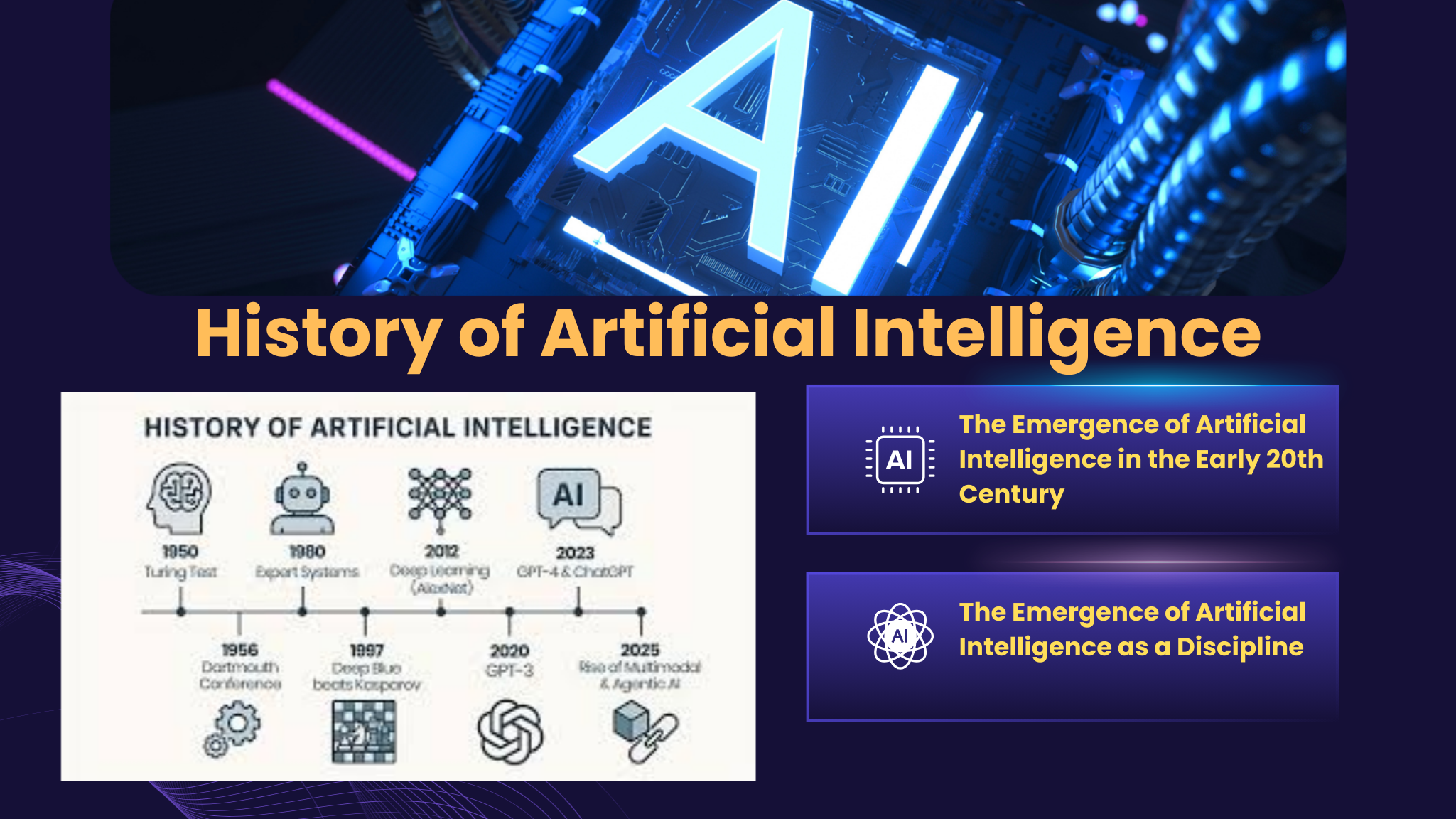
History of Artificial Intelligence: Key Milestones From 1900 to 2025

the emergence of artificial intelligence in the early 20th century worldstan.com

This article examines the historical development of artificial intelligence, outlining the technological shifts, innovation cycles, and real-world adoption that shaped AI through 2025.

History of Artificial Intelligence: A Century-Long Journey to Intelligent Systems (Up to 2025)

Artificial intelligence has transitioned from philosophical speculation to a foundational technology shaping global economies and digital societies. Although AI appears to be a modern phenomenon due to recent breakthroughs in generative models and automation, its origins stretch back more than a century. The evolution of artificial intelligence has been shaped by cycles of optimism, limitation, reinvention, and accelerated progress, each contributing to the systems in use today.

This report presents a comprehensive overview of the history of artificial intelligence, tracing its development from early conceptual ideas to advanced AI agents operating in 2025. Understanding this journey is essential for grasping where AI stands today and how it is likely to evolve in the years ahead.

Understanding Artificial Intelligence

Artificial intelligence refers to the capability of machines and software systems to perform tasks that traditionally require human intelligence. These tasks include reasoning, learning from experience, recognizing patterns, understanding language, making decisions, and interacting with complex environments.

Unlike conventional computer programs that rely on fixed instructions, AI systems can adapt their behavior based on data and feedback. This adaptive capability allows artificial intelligence to improve performance over time and operate with varying degrees of autonomy. Modern AI includes a broad range of technologies such as machine learning, deep learning, neural networks, natural language processing, computer vision, and autonomous systems.

Early Philosophical and Mechanical Foundations

The concept of artificial intelligence predates digital computing by centuries. Ancient philosophers explored questions about cognition, consciousness, and the nature of thought, laying conceptual groundwork for later scientific inquiry. In parallel, inventors across civilizations attempted to create mechanical devices capable of independent motion.

Early automatons demonstrated that machines could mimic aspects of human or animal behavior without continuous human control. These mechanical creations were not intelligent in the modern sense, but they reflected a persistent human desire to reproduce intelligence artificially. During the Renaissance, mechanical designs further blurred the boundary between living beings and engineered systems, reinforcing the belief that intelligence might be constructed rather than innate.

The Emergence of Artificial Intelligence in the Early 20th Century

The early 1900s marked a shift from philosophical curiosity to technical ambition. Advances in engineering, mathematics, and logic encouraged scientists to explore whether human reasoning could be formally described and replicated. Cultural narratives began portraying artificial humans and autonomous machines as both marvels and warnings, shaping public imagination.

During this period, early robots and electromechanical devices demonstrated limited autonomy. Although their capabilities were minimal, they inspired researchers to consider the possibility of artificial cognition. At the same time, foundational work in logic and computation began to define intelligence as a process that could potentially be mechanized.

The Emergence of Artificial Intelligence as a Discipline

Funding plummeted as both corporations and governments pulled back support, citing unfulfilled projections and technological constraints.

The development of programmable computers during and after World War II provided the technical infrastructure needed to experiment with machine reasoning. A pivotal moment came when researchers proposed that machine intelligence could be evaluated through observable behavior rather than internal processes. This idea challenged traditional views of intelligence and opened the door to experimental AI systems. Shortly thereafter, artificial intelligence was formally named and recognized as a distinct research discipline.

Early AI programs focused on symbolic reasoning, logic-based problem solving, and simple learning mechanisms. These systems demonstrated that machines could perform tasks previously thought to require human intelligence, fueling optimism about rapid future progress.

Symbolic AI and Early Expansion

From the late 1950s through the 1960s, artificial intelligence research expanded rapidly. Scientists developed programming languages tailored for AI experimentation, enabling more complex symbolic manipulation and abstract reasoning.

During this period, AI systems were designed to solve mathematical problems, prove logical theorems, and engage in structured dialogue. Expert systems emerged as a prominent approach, using predefined rules to replicate the decision-making processes of human specialists.

AI also entered public consciousness through books, films, and media, becoming synonymous with futuristic technology. However, despite promising demonstrations, early systems struggled to handle uncertainty, ambiguity, and real-world complexity.

Funding Challenges and the First AI Slowdown

By the early 1970s, limitations in artificial intelligence became increasingly apparent. Many systems performed well in controlled environments but failed to generalize beyond narrow tasks. Expectations set by early researchers proved overly ambitious, leading to skepticism among funding agencies and governments.

As investment declined, AI research experienced its first major slowdown. This period highlighted the gap between theoretical potential and practical capability. Despite reduced funding, researchers continued refining algorithms and exploring alternative approaches, laying the groundwork for future breakthroughs.

Commercial Interest and the AI Boom

The 1980s brought renewed enthusiasm for artificial intelligence. Improved computing power and targeted funding led to the commercialization of expert systems. These AI-driven tools assisted organizations with decision-making, diagnostics, and resource management.

Businesses adopted AI to automate specialized tasks, particularly in manufacturing, finance, and logistics. At the same time, researchers advanced early machine learning techniques and explored neural network architectures inspired by the human brain.

This era reinforced the idea that AI could deliver tangible economic value. However, development costs remained high, and many systems were difficult to maintain, setting the stage for another period of disappointment.

The AI Winter and Lessons Learned

The late 1980s and early 1990s marked a period known as the AI winter. The formal establishment of artificial intelligence took place in the mid-1900s, defining it as a distinct area of research. Specialized AI hardware became obsolete as general-purpose computers grew more powerful and affordable. Many AI startups failed, and public interest waned. Despite these challenges, the AI winter proved valuable in refining research priorities and emphasizing the importance of scalable, data-driven approaches.

Crucially, this period did not halt progress entirely. Fundamental research continued, enabling the next wave of AI innovation.

The Rise of Intelligent Agents and Practical AI

The mid-1990s signaled a resurgence in artificial intelligence. Improved algorithms, faster processors, and increased data availability allowed AI systems to tackle more complex problems.

One landmark achievement demonstrated that machines could outperform humans in strategic domains. AI agents capable of planning, learning, and adapting emerged in research and commercial applications. Consumer-facing AI products also began entering everyday life, including speech recognition software and domestic robotics.

The internet played a transformative role by generating massive amounts of data, which became the fuel for modern machine learning models.

Machine Learning and the Data-Driven Shift

As digital data volumes exploded, machine learning emerged as the dominant paradigm in artificial intelligence. Instead of relying on manually coded rules, systems learned patterns directly from data.

Supervised learning enabled accurate predictions, unsupervised learning uncovered hidden structures, and reinforcement learning allowed agents to learn through trial and error. These techniques expanded AI’s applicability across industries, from healthcare and finance to marketing and transportation.

Organizations increasingly viewed AI as a strategic asset, integrating analytics and automation into core operations.

Deep Learning and the Modern AI Revolution

The 2010s marked a turning point with the rise of deep learning. Advances in hardware, particularly graphics processing units, enabled the training of large neural networks on massive datasets.

Deep learning systems achieved unprecedented accuracy in image recognition, speech processing, and natural language understanding. AI models began generating human-like text, recognizing objects in real time, and translating languages with remarkable precision.

These breakthroughs transformed artificial intelligence from a specialized research area into a mainstream technology with global impact.

Generative AI and Multimodal Intelligence

The early 2020s introduced generative AI systems capable of producing text, images, audio, and code. These models blurred the line between human and machine creativity, accelerating adoption across creative industries, education, and software development.

Multimodal AI systems integrated multiple forms of data, enabling richer understanding and interaction. Conversational AI tools reached mass audiences, reshaping how people search for information, create content, and interact with technology.

At the same time, concerns about ethics, bias, transparency, and misinformation gained prominence, prompting calls for responsible AI governance.

Artificial Intelligence in 2025: The Era of Autonomous Agents

By 2025, artificial intelligence has entered a new phase characterized by autonomous AI agents. These systems are capable of planning, executing, and adapting complex workflows with minimal human intervention.

AI copilots assist professionals across industries, from software development and finance to healthcare and operations. Businesses increasingly rely on AI-driven insights for decision-making, forecasting, and optimization.

While current systems remain narrow in scope, their growing autonomy raises important questions about accountability, trust, and human oversight.

Societal Impact and Ethical Considerations

As artificial intelligence becomes more integrated into daily life, its societal implications have intensified. Automation is reshaping labor markets, creating both opportunities and challenges. Ethical concerns surrounding data privacy, algorithmic bias, and AI safety have become central to public discourse.

Governments and institutions are working to establish regulatory frameworks that balance innovation with responsibility. Education and reskilling initiatives aim to prepare the workforce for an AI-driven future.

Looking Ahead: The Future of Artificial Intelligence

The future of artificial intelligence remains uncertain, but its trajectory suggests continued growth and integration. Advances in computing, algorithms, and data infrastructure will likely drive further innovation.

Rather than replacing humans entirely, AI is expected to augment human capabilities, enhancing productivity, creativity, and decision-making. The pursuit of artificial general intelligence continues, though significant technical and ethical challenges remain.

Understanding the history of artificial intelligence provides critical context for navigating its future. The lessons learned from past successes and failures will shape how AI evolves beyond 2025.

Date-Wise History of Artificial Intelligence (1921–2025)

Early Conceptual Era (1921–1949)

This phase introduced the idea that machines could imitate human behavior, primarily through literature and mechanical experimentation.

Year

Key Development

1921

The idea of artificial workers entered public imagination through fiction

1929

Early humanoid-style machines demonstrated mechanical autonomy

1949

Scientists formally compared computing systems to the human brain

Birth of Artificial Intelligence (1950–1956)

This era established AI as a scientific discipline.

Year

Key Development

1950

A behavioral test for machine intelligence was proposed

1955

Artificial intelligence was officially defined as a research field

Symbolic AI and Early Growth (1957–1972)

Researchers focused on rule-based systems and symbolic reasoning.

Year

Key Development

1958

The first programming language designed for AI research emerged

1966

Early conversational programs demonstrated language interaction

First Setback and Reduced Funding (1973–1979)

Unmet expectations resulted in declining support.

Year

Key Development

1973

Governments reduced AI funding due to limited real-world success

1979

Autonomous navigation systems were successfully tested

Commercial Expansion and AI Boom (1980–1986)

AI entered enterprise environments.

Year

Key Development

1980

Expert systems were adopted by large organizations

1985

AI-generated creative outputs gained attention

AI Winter Period (1987–1993)

Investment and interest declined significantly.

Year

Key Development

1987

Collapse of specialized AI hardware markets

1988

Conversational AI research continued despite funding cuts

Practical AI and Intelligent Agents (1994–2010)

AI systems began outperforming humans in specific tasks.

Year

Key Development

1997

AI defeated a human world champion in chess

2002

Consumer-friendly home robotics reached the market

2006

AI-driven recommendation engines became mainstream

2010

Motion-sensing AI entered consumer entertainment

Data-Driven AI and Deep Learning Era (2011–2019)

AI performance improved dramatically with data and computing power.

Year

Key Development

2011

AI systems demonstrated advanced language comprehension

2016

Socially interactive humanoid robots gained global visibility

2019

AI achieved elite-level performance in complex strategy games

Generative and Multimodal AI (2020–2022)

AI systems began creating content indistinguishable from human output.

Year

Key Development

2020

Large-scale language models became publicly accessible

2021

AI systems generated images from text descriptions

2022

Conversational AI reached mass adoption worldwide

AI Integration and Industry Transformation (2023–2024)

AI shifted from tools to collaborators.

Year

Key Development

2023

Multimodal AI combined text, image, audio, and video understanding

2024

AI copilots embedded across business, software, and productivity tools

Autonomous AI Agents Era (2025)

AI systems began executing complex workflows independently.

Year

Key Development

2025

AI agents capable of planning, reasoning, and autonomous execution emerged


Conclusion:

Artificial intelligence has evolved through decades of experimentation, setbacks, and breakthroughs, demonstrating that technological progress is rarely linear. From early philosophical ideas and mechanical inventions to data-driven algorithms and autonomous AI agents, each phase of development has contributed essential building blocks to today’s intelligent systems. Understanding this historical progression reveals that modern AI is not a sudden innovation, but the result of sustained research, refinement, and adaptation across generations.

As artificial intelligence reached broader adoption, its role expanded beyond laboratories into businesses, public services, and everyday life. Advances in machine learning, deep learning, and generative models transformed AI from a specialized tool into a strategic capability that supports decision-making, creativity, and operational efficiency. At the same time, recurring challenges around scalability, ethics, and trust underscored the importance of responsible development and realistic expectations.

Looking ahead, the future of artificial intelligence will be shaped as much by human choices as by technical capability. While fully general intelligence remains an aspirational goal, the continued integration of AI into society signals a lasting shift in how technology supports human potential. By learning from its past and applying those lessons thoughtfully, artificial intelligence can continue to evolve as a force for innovation, collaboration, and long-term value.


FAQs:

1. What is meant by the history of artificial intelligence?

The history of artificial intelligence refers to the long-term development of ideas, technologies, and systems designed to simulate human intelligence, spanning early mechanical concepts, rule-based computing, data-driven learning, and modern autonomous AI systems.


2. When did artificial intelligence officially begin as a field?

Artificial intelligence became a recognized scientific discipline in the mid-20th century when researchers formally defined the concept and began developing computer programs capable of reasoning, learning, and problem solving.


3. Why did artificial intelligence experience periods of slow progress?

AI development faced slowdowns when expectations exceeded technical capabilities, leading to reduced funding and interest. These periods highlighted limitations in computing power, data availability, and algorithm design rather than a lack of scientific potential.


4. How did machine learning change the direction of AI development?

Machine learning shifted AI away from manually programmed rules toward systems that learn directly from data. This transition allowed AI to scale more effectively and perform well in complex, real-world environments.


5. What role did deep learning play in modern AI breakthroughs?

Deep learning enabled AI systems to process massive datasets using layered neural networks, leading to major improvements in speech recognition, image analysis, language understanding, and generative applications.


6. How is artificial intelligence being used in 2025?

In 2025, artificial intelligence supports autonomous agents, decision-making tools, digital assistants, and industry-specific applications, helping organizations improve efficiency, accuracy, and strategic planning.


7. Is artificial general intelligence already a reality?

Artificial general intelligence remains a theoretical goal. While modern AI systems perform exceptionally well in specific tasks, they do not yet possess the broad reasoning, adaptability, and understanding associated with human-level intelligence.

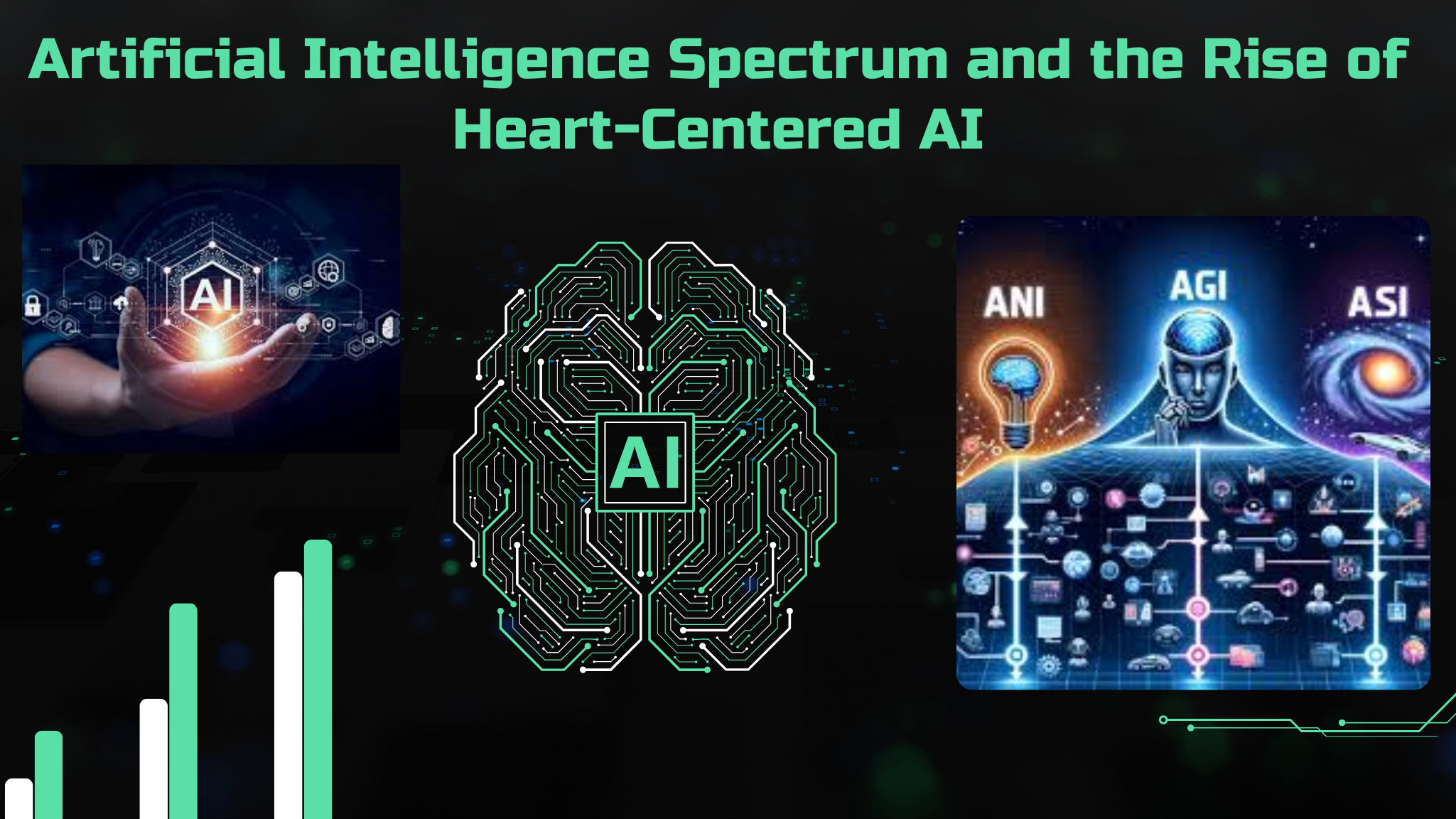
Artificial Intelligence Spectrum and the Rise of Heart-Centered AI

Artificial Intelligence Spectrum and the Rise of Heart-Centered AI worldstan.com

This article explores the artificial intelligence spectrum, tracing the evolution from narrow machine intelligence to future possibilities shaped by human cognition, ethics, and heart-centered understanding.

Introduction:

Artificial intelligence has moved from a theoretical concept to a transformative force shaping nearly every aspect of modern life. From recommendation algorithms and voice assistants to advanced medical diagnostics and autonomous systems, artificial intelligence continues to redefine how humans interact with technology. Yet, the conversation around AI is no longer limited to performance and automation. A broader and deeper discussion is emerging—one that explores the intelligence spectrum, the evolution from artificial narrow intelligence to artificial super intelligence, and the possibility of integrating human-like cognition, emotion, and even heart-based intelligence into future systems. This report examines artificial intelligence through a multidimensional lens, connecting technological progress with human cognition, ethical responsibility, and the future relationship between machines and the human heart.

Understanding Artificial Intelligence

Artificial intelligence is commonly defined as the theory and development of computer systems able to perform tasks that normally require human intelligence, such as visual perception, speech recognition, decision-making, and translation between languages. This definition highlights two core ideas: imitation of human intelligence and task-oriented performance. At its foundation, AI relies on data, algorithms, and computational power to identify patterns, learn from experience, and generate outputs that appear intelligent.

Over time, artificial intelligence has evolved from rule-based expert systems to machine learning models capable of adapting and improving through exposure to large datasets. Today, AI systems can analyze complex information at a speed and scale far beyond human capability. However, despite these advancements, most existing systems remain limited in scope, operating within predefined boundaries rather than demonstrating genuine understanding or consciousness.

The Intelligence Spectrum Explained

The intelligence spectrum provides a framework for understanding different levels and forms of intelligence, both artificial and human. Rather than viewing intelligence as a single capability, this spectrum recognizes varying degrees of cognitive ability, adaptability, emotional awareness, and self-reflection.

On one end of the spectrum lies artificial narrow intelligence, which dominates current AI applications. At the center lies artificial general intelligence, a hypothetical form of AI capable of human-level reasoning across diverse domains. At the far end lies artificial super intelligence, which surpasses human intelligence in nearly all cognitive aspects. Parallel to this technological spectrum exists human intelligence, shaped not only by logic and reasoning but also by emotion, intuition, morality, and heart cognition.

Understanding this spectrum is essential for evaluating both the capabilities and limitations of artificial intelligence, as well as the potential direction of its future development.

Artificial Narrow Intelligence and Its Real-World Impact

These systems excel within their designated domain but lack the ability to transfer knowledge or reasoning beyond their programmed purpose. Examples include facial recognition software, language translation tools, recommendation engines, and medical imaging analysis systems.

The success of artificial narrow intelligence lies in its precision and efficiency. In healthcare, narrow AI assists doctors by detecting diseases earlier and more accurately. In finance, it identifies fraud patterns and automates trading strategies. In everyday life, it powers search engines, smart assistants, and personalized content feeds.

Despite its effectiveness, artificial narrow intelligence does not possess awareness, understanding, or emotional intelligence. It operates based on statistical correlations rather than comprehension. This limitation raises important questions about trust, bias, and ethical responsibility, particularly as narrow AI systems increasingly influence critical decisions affecting human lives.

Artificial General Intelligence: A Theoretical Bridge

Artificial general intelligence represents a theoretical stage in the evolution of artificial intelligence. Unlike narrow AI, AGI would possess the ability to understand, learn, and apply knowledge across a wide range of tasks, much like a human being. It would be capable of reasoning, problem-solving, and adapting to unfamiliar situations without explicit programming.

While AGI remains largely conceptual, it serves as a bridge between current AI capabilities and more advanced forms of intelligence. Researchers continue to debate whether AGI is achievable and, if so, how long it may take to develop. The pursuit of artificial general intelligence has sparked discussions about safety, alignment, and governance. If machines reach human-level intelligence, ensuring that their goals align with human values becomes a critical concern.

Artificial Super Intelligence and Future Possibilities

Artificial super intelligence refers to a hypothetical form of AI that surpasses human intelligence in every domain, including scientific creativity, emotional understanding, strategic thinking, and social intelligence. Such systems would not only perform tasks better than humans but also improve themselves autonomously.

The concept of artificial super intelligence raises profound philosophical and ethical questions. While it promises unprecedented advancements in medicine, science, and global problem-solving, it also introduces risks related to control, autonomy, and unintended consequences. A super-intelligent system could potentially reshape societies, economies, and power structures in ways that are difficult to predict.

Discussions around artificial super intelligence emphasize the importance of proactive governance, ethical frameworks, and interdisciplinary collaboration. Rather than focusing solely on technological capability, experts increasingly stress the need to embed human values and moral reasoning into advanced AI systems.

Human Intelligence Beyond Logic

Human intelligence extends far beyond analytical reasoning and information processing. It encompasses emotion, empathy, intuition, creativity, and moral judgment. These qualities allow humans to navigate complex social environments, form meaningful relationships, and make value-based decisions.

Unlike artificial intelligence, human cognition is deeply influenced by lived experience, culture, and emotional memory. The human brain does not merely compute outcomes; it interprets meaning and context. This distinction highlights a critical gap between artificial systems and human intelligence, even as AI continues to advance in technical performance.

Recognizing this gap is essential when evaluating the role of AI in society. While machines can augment human capabilities, replacing the full spectrum of human intelligence remains an unresolved challenge.

The Human Heart and Cognition

Recent research in neuroscience and psychology has drawn attention to heart cognition, the idea that the human heart plays an active role in perception, emotional processing, and decision-making. The heart contains a complex network of neurons and communicates continuously with the brain through neural, hormonal, and electromagnetic pathways.

Heart cognition influences intuition, emotional regulation, and social awareness. Many human decisions, particularly those involving ethics, compassion, and relationships, are guided as much by the heart as by the brain. This integrated intelligence allows humans to balance logic with empathy and rationality with moral responsibility.

The recognition of heart cognition challenges purely computational models of intelligence and opens new perspectives on what it truly means to think, understand, and act wisely.

Artificial Intelligence and Emotional Understanding

As artificial intelligence becomes more embedded in human environments, the need for emotional awareness grows increasingly important. Emotional AI, also known as affective computing, aims to enable machines to recognize, interpret, and respond to human emotions.

Current emotional AI systems analyze facial expressions, voice tone, and physiological signals to infer emotional states. While these systems can simulate emotional responsiveness, they do not experience emotions themselves. This distinction raises questions about authenticity, trust, and ethical use.

Integrating emotional understanding into AI could improve human-machine interaction, particularly in healthcare, education, and mental health support. However, it also requires careful consideration to avoid manipulation, surveillance, or emotional dependency.

Bridging Artificial Intelligence and Heart-Centered Intelligence

The future of artificial intelligence may depend on its ability to integrate cognitive performance with heart-centered principles. Rather than pursuing intelligence solely as efficiency or optimization, researchers are exploring ways to align AI development with human values such as compassion, fairness, and well-being.

Heart-centered artificial intelligence does not imply that machines possess emotions in the human sense. Instead, it emphasizes ethical design, empathetic interaction, and value-aligned decision-making. By modeling human moral reasoning and emotional awareness, AI systems could support more humane and responsible outcomes.

This approach shifts the focus from dominance and control to collaboration and augmentation, positioning AI as a partner in human progress rather than a replacement.

Ethical Dimensions of Future Artificial Intelligence

Ethics play a central role in shaping the future of artificial intelligence. Issues such as data privacy, algorithmic bias, accountability, and transparency are already pressing concerns in narrow AI applications. As AI systems grow more autonomous, these challenges become even more complex.

Embedding ethical reasoning into AI requires multidisciplinary collaboration among technologists, philosophers, psychologists, and policymakers. It also demands global standards to ensure that AI development benefits humanity as a whole rather than amplifying inequality or power imbalances.

A heart-centered ethical framework encourages developers to consider not only what AI can do, but what it should do, and for whom.

The Role of Artificial Intelligence in Human Evolution

Artificial intelligence is not merely a technological tool; it is a force shaping the future trajectory of human evolution. By augmenting human intelligence, AI has the potential to expand creativity, accelerate learning, and solve complex global challenges.

However, this evolution must be guided by conscious choice rather than unchecked automation. Preserving human agency, dignity, and emotional depth is essential as machines take on greater roles in decision-making and social interaction.

The integration of artificial intelligence into human life should enhance, not diminish, the qualities that make us human.

Future Outlook: Intelligence with Purpose

The future of artificial intelligence lies not only in increased computational power but in purposeful design. Moving along the intelligence spectrum from artificial narrow intelligence toward more advanced forms requires a balance between innovation and responsibility.

By incorporating insights from human cognition, heart intelligence, and ethical philosophy, future AI systems can be designed to support sustainable progress. This vision prioritizes collaboration, empathy, and long-term well-being over short-term efficiency.

As society stands at the crossroads of technological advancement, the choices made today will shape the role of artificial intelligence for generations to come.

Conclusion:

The intelligence spectrum provides a powerful lens for understanding artificial intelligence, from narrow task-based systems to the speculative possibilities of artificial super intelligence. While technological progress continues at an unprecedented pace, true intelligence encompasses more than computation and efficiency. Human intelligence, shaped by the heart, emotion, and moral reasoning, remains a unique and essential benchmark.

The future of artificial intelligence will depend on how effectively it aligns with human values and heart-centered cognition. Rather than seeking to replicate or surpass humanity, AI has the potential to complement and elevate human capabilities when guided by ethical purpose. By embracing a holistic vision of intelligence, society can ensure that artificial intelligence serves as a force for meaningful, compassionate, and sustainable progress.

FAQs:

1. What is the artificial intelligence spectrum?
The artificial intelligence spectrum is a framework that categorizes different levels of AI, ranging from task-specific systems (Artificial Narrow Intelligence) to advanced hypothetical models (Artificial Super Intelligence), while also considering human-like cognition and ethical intelligence.


2. How does artificial narrow intelligence differ from artificial general intelligence?
Artificial Narrow Intelligence (ANI) performs specific tasks within a defined scope, such as image recognition or language translation. Artificial General Intelligence (AGI), on the other hand, would be capable of reasoning, learning, and adapting across multiple domains similar to human intelligence.


3. What is artificial super intelligence and why is it important?
Artificial Super Intelligence (ASI) refers to AI systems that surpass human intelligence in virtually every cognitive task. Its importance lies in its potential to revolutionize industries, science, and society, while raising critical ethical and governance challenges.


4. What role does the human heart play in intelligence?
Recent research highlights the concept of heart cognition, where the heart communicates with the brain to influence decision-making, intuition, and emotional awareness. Integrating this understanding helps envision AI systems that align more closely with human values.


5. Can artificial intelligence develop emotions or ethical reasoning?
While AI can simulate emotional responses and follow ethical frameworks, it does not inherently experience emotions. Advanced AI can, however, be designed to recognize human emotions, respond empathetically, and support ethically responsible decisions.


6. How does the future of AI intersect with human intelligence?
The future of AI is expected to augment human intelligence rather than replace it. By combining computational capabilities with insights from human cognition, emotional intelligence, and ethical reasoning, AI can assist in complex decision-making and creative problem-solving.


7. Why is understanding the AI spectrum important for businesses and society?
Understanding the AI spectrum helps organizations and policymakers assess AI capabilities, plan for future technological shifts, and ensure ethical implementation. It also guides society in leveraging AI to complement human intelligence responsibly.


If you want, I can next craft a 3-paragraph solid conclusion for this blog that is fully unique, professional, and aligned with your SEO strategy. This will complete the content package for posting.


Impact of Generative AI on Socioeconomic Inequality

impact of generative ai on socioeconomic inequality worldstan.com

This piece outlines how generative AI is transforming economies and institutions, the risks it poses for widening inequality, and the policy choices that will shape its long-term social impact.

The rapid advancement of generative artificial intelligence is reshaping economies, institutions, and everyday life at an unprecedented pace. Once confined to experimental research labs, generative AI systems are now embedded in workplaces, classrooms, healthcare systems, and public administration. Their ability to generate text, images, data-driven insights, and strategic recommendations has positioned them as a foundational technology of the modern era. However, alongside innovation and productivity gains, generative AI introduces complex challenges related to socioeconomic inequality and public policy.

This report examines how generative AI is influencing existing social and economic disparities and how policy making must evolve to address these shifts. It explores labor markets, education, governance, democratic systems, and global inequality, while highlighting the urgent need for inclusive and forward-looking AI governance frameworks.

Introduction to Generative Artificial Intelligence and Social Change

Generative artificial intelligence refers to systems capable of producing original content based on patterns learned from vast datasets. Unlike earlier forms of automation that focused on mechanical or repetitive tasks, generative AI operates in cognitive domains traditionally associated with human intelligence. This includes writing, problem-solving, design, forecasting, and decision support.

The transformative power of these systems lies in their scalability. A single AI model can perform tasks across industries and regions, potentially affecting millions of people simultaneously. As a result, generative AI is not merely a technological upgrade but a structural force that can reshape social hierarchies, economic opportunities, and institutional power.

Socioeconomic inequality already defines access to education, healthcare, employment, and political influence. The integration of generative AI into these systems risks amplifying existing divides if adoption and regulation are uneven. Understanding these dynamics is essential for policymakers seeking to balance innovation with social equity.

The Uneven Distribution of Access to Generative AI

Access to generative AI tools is shaped by infrastructure, cost, and digital literacy. High-income countries and large organizations are more likely to benefit from advanced AI capabilities, while low-income communities often face barriers related to connectivity, technical skills, and institutional capacity.

This disparity creates what many researchers describe as a new digital stratification. Those with access to AI-enhanced tools gain productivity advantages, improved learning outcomes, and greater decision-making power. Meanwhile, those without access risk falling further behind in economic competitiveness and social mobility.

Small businesses, public institutions in developing regions, and marginalized populations are particularly vulnerable. Without targeted policies to expand access, generative AI could reinforce global and domestic inequalities rather than reduce them.

Generative AI and Labor Market Transformation

One of the most visible impacts of generative AI is its influence on employment and workforce dynamics. Unlike traditional automation, which primarily affected manual or routine jobs, generative AI targets knowledge-based roles across sectors such as media, law, finance, software development, and research.

For some workers, generative AI functions as a productivity-enhancing assistant, automating repetitive components of complex tasks and freeing time for higher-value activities. For others, it introduces displacement risks, especially in roles where output can be standardized and scaled by AI systems.

These changes are unlikely to affect all workers equally. Individuals with higher education levels, adaptable skills, and access to reskilling programs are better positioned to benefit from AI integration. Conversely, workers with limited training opportunities may face job insecurity without adequate social protection.

Policy responses must therefore focus on workforce transition strategies, including lifelong learning initiatives, labor market flexibility, and updated social safety nets.

Education Systems in the Age of Generative AI

Education is both a beneficiary of generative AI and a critical factor in determining its long-term societal impact. AI-powered learning tools can personalize instruction, provide instant feedback, and expand access to educational resources. In theory, these capabilities could reduce educational inequality.

In practice, however, outcomes depend heavily on implementation. Well-resourced institutions can integrate generative AI into curricula, teacher training, and assessment methods. Under-resourced schools may struggle to adopt these technologies effectively, widening educational gaps.

Additionally, there is a risk that students may rely excessively on AI-generated content without developing foundational skills such as critical thinking, reasoning, and creativity. This could create a new form of cognitive inequality, where surface-level performance improves while deep understanding declines.

Education policy must therefore emphasize responsible AI use, digital literacy, and pedagogical frameworks that position AI as a support tool rather than a substitute for learning.

Generative AI, Power, and Economic Concentration

The development and deployment of generative AI are dominated by a small number of technology companies and research institutions. This concentration of expertise, data, and computational resources raises concerns about market power and economic inequality.

When a limited set of actors controls advanced AI systems, they also shape the values, priorities, and assumptions embedded in these technologies. This can marginalize alternative perspectives and limit the ability of smaller firms, public institutions, and developing countries to influence AI trajectories.

Economic concentration also affects innovation distribution. While leading firms benefit from economies of scale, others may become dependent on proprietary AI systems, reducing competition and local capacity building.

Antitrust policies, public investment in open AI infrastructure, and support for decentralized innovation ecosystems are essential to counterbalance these trends.

Bias, Data Inequality, and Social Impact

Generative AI systems are trained on large datasets that reflect historical and social patterns. As a result, they may reproduce or amplify existing biases related to gender, ethnicity, income, and geography. These biases can influence outcomes in sensitive areas such as hiring, lending, healthcare recommendations, and public services.

Data inequality plays a central role in this process. Groups that are underrepresented or misrepresented in training data may experience lower accuracy, unfair treatment, or exclusion from AI-driven systems. This reinforces structural disadvantages rather than correcting them.

Addressing bias requires more than technical adjustments. It demands inclusive data practices, transparency in model design, and accountability mechanisms that allow affected individuals to challenge harmful outcomes.

The Role of Generative AI in Policy Making

Generative AI is increasingly used to support policy analysis, scenario modeling, and administrative decision-making. These applications offer potential benefits, including faster data processing, improved forecasting, and enhanced evidence-based governance.

However, reliance on AI-generated insights introduces new risks. Many generative models operate as complex systems with limited interpretability. If policymakers depend on outputs they cannot fully explain, this may undermine accountability and democratic legitimacy.

There is also a risk that AI-driven policy tools could reflect the biases or assumptions of their creators, influencing decisions in subtle but significant ways. Transparent governance frameworks and human oversight are therefore essential when integrating AI into public administration.

Democratic Institutions and Public Trust

Generative AI has profound implications for democratic processes and public discourse. AI-generated content can shape political messaging, simulate public opinion, and automate engagement at scale. While these tools can enhance participation, they can also be misused to spread misinformation or manipulate narratives.

Well-resourced actors can deploy generative AI to dominate information environments, marginalizing smaller voices and grassroots movements. This asymmetry threatens the pluralism and deliberation essential to democratic systems.

Maintaining public trust requires clear standards for political AI use, transparency in content generation, and safeguards against manipulation. Media literacy and public awareness campaigns are also critical in helping citizens navigate AI-influenced information ecosystems.

Global Inequality and International Dimensions of AI

The global impact of generative AI is shaped by disparities between countries. Advanced economies often lead in AI research, infrastructure, and policy development, while developing nations may struggle to keep pace.

This imbalance risks creating a new form of technological dependency, where low- and middle-income countries rely on external AI systems without building local capacity. Such dependency can limit economic sovereignty and policy autonomy.

International cooperation is essential to address these challenges. Shared standards, knowledge exchange, and investment in global AI capacity building can help ensure that generative AI contributes to inclusive development rather than deepening global divides.

Regulatory Frameworks and Ethical Governance

Effective regulation is central to shaping the societal impact of generative AI. Policymakers face the challenge of encouraging innovation while protecting public interests. This requires flexible, adaptive regulatory approaches that evolve alongside technological advances.

Key regulatory priorities include transparency, accountability, data protection, and fairness. Ethical governance frameworks should integrate multidisciplinary perspectives and involve stakeholders from civil society, academia, and affected communities.

Public participation is particularly important. Inclusive policy making can help align AI development with societal values and reduce resistance driven by fear or mistrust.

Harnessing Generative AI for Inclusive Growth

Despite its risks, generative AI holds significant potential to reduce certain inequalities if guided by thoughtful policy. AI-driven tools can expand access to healthcare, legal information, education, and public services, particularly in underserved regions.

Realizing these benefits requires intentional design choices. Public investment in accessible AI platforms, open research initiatives, and community-driven innovation can help ensure that generative AI serves broad social goals.

Inclusivity must be treated as a core objective rather than a secondary consideration. When marginalized groups are actively involved in shaping AI systems, outcomes are more likely to reflect diverse needs and perspectives.

Conclusion:

Generative artificial intelligence represents a defining technological shift with far-reaching implications for socioeconomic inequality and policy making. Its influence extends across labor markets, education systems, governance structures, and democratic institutions.

Without deliberate intervention, generative AI risks reinforcing existing disparities and concentrating power among those already advantaged. However, with inclusive governance, adaptive regulation, and public engagement, it can become a tool for shared prosperity and social progress.

The choices made today by policymakers, institutions, and societies will determine whether generative AI deepens inequality or contributes to more equitable outcomes. Addressing this challenge requires vision, collaboration, and a commitment to aligning technological innovation with human values.

As generative AI continues to evolve, the need for responsible, evidence-based, and inclusive policy making remains critical. By shaping AI development proactively, societies can ensure that this powerful technology supports not only efficiency and growth, but also fairness, dignity, and long-term social stability.

FAQs:

1. What is generative artificial intelligence and how does it differ from traditional AI?
Generative artificial intelligence refers to systems that can create new content such as text, images, code, or analytical insights based on patterns learned from data. Unlike traditional AI, which is often designed to classify or predict outcomes, generative AI produces original outputs that mimic human reasoning and creativity.

2. Why is generative AI considered a risk to socioeconomic equality?
Generative AI can widen inequality when access to advanced tools, data, and digital skills is limited to certain groups or regions. Those with early access may gain economic and social advantages, while others face job displacement or reduced opportunities without adequate support.

3. How is generative AI changing employment and workforce structures?
Generative AI is transforming knowledge-based roles by automating parts of complex tasks and enhancing productivity. While this can create new opportunities, it also reshapes job requirements and may reduce demand for certain roles, increasing the need for reskilling and workforce adaptation.

4. Can generative AI help reduce inequality instead of increasing it?
Yes, when guided by inclusive policies, generative AI can expand access to education, healthcare, and public services. Its potential to reduce inequality depends on equitable access, responsible design, and policy frameworks that prioritize social benefit over narrow economic gain.

5. What challenges does generative AI pose for public policy making?
Policy makers face challenges related to transparency, accountability, and bias when using generative AI systems. Ensuring that AI-supported decisions are explainable and aligned with public values is essential to maintaining trust and democratic legitimacy.

6. How does generative AI affect democratic institutions and public discourse?
Generative AI can influence political communication by producing large volumes of content and targeting specific audiences. While this may increase engagement, it also raises concerns about misinformation, manipulation, and unequal influence over public narratives.

7. What role should governments play in regulating generative AI?
Governments should establish adaptive regulatory frameworks that encourage innovation while safeguarding fairness, data protection, and social equity. This includes investing in digital skills, supporting ethical AI development, and ensuring that generative AI benefits society as a whole.

Artificial Intelligence Overview: How AI Works and Where It Is Used

ai foundation models built for real world business use (2) worldstan.com

This article provides a comprehensive overview of artificial intelligence, explaining its core concepts, key technologies such as machine learning, generative AI, natural language processing, and expert systems, along with their real-world applications across major industries.

Introduction to Artificial Intelligence

Artificial Intelligence (AI) has emerged as one of the most influential technological developments of the modern era. It refers to the capability of machines and computer systems to perform tasks that traditionally depend on human intelligence. These tasks include learning from experience, recognizing patterns, understanding language, reasoning logically, and making decisions based on complex data. As industries increasingly rely on digital transformation, artificial intelligence has become a central force reshaping how organizations operate, compete, and innovate.

Once considered a futuristic concept, AI is now deeply embedded in everyday life. From recommendation systems on e-commerce platforms to advanced diagnostic tools in healthcare, AI-powered technologies are transforming how people interact with information and services. Its growing presence reflects a shift from static computing systems to intelligent, adaptive technologies capable of continuous improvement.

The Evolution of Artificial Intelligence Technology

The development of artificial intelligence has been shaped by decades of research in computer science, mathematics, and cognitive science. Early AI systems were rule-based and limited in scope, relying heavily on predefined instructions. While these systems could perform specific tasks, they lacked flexibility and adaptability.

The rise of data availability and computing power marked a turning point for AI. Modern artificial intelligence systems can process massive datasets, uncover hidden relationships, and refine their outputs over time. This evolution has enabled AI to move beyond simple automation toward intelligent decision-making, making it a critical asset across multiple sectors.

Today, AI technology is not confined to experimental environments. It is deployed at scale in business operations, public services, and consumer applications, signaling a new era of intelligent computing.

Understanding the Core Concepts of Artificial Intelligence

Artificial intelligence is not a single technology but a broad field composed of interconnected concepts and methodologies. These foundational elements enable machines to simulate aspects of human intelligence. Among the most significant are machine learning, generative AI, natural language processing, and expert systems.

Each of these components contributes uniquely to the AI ecosystem, supporting systems that can learn independently, generate new content, understand human communication, and replicate expert-level decision-making.

Machine Learning as the Foundation of Modern AI

Machine learning is a critical subset of artificial intelligence that focuses on enabling systems to learn from data without being explicitly programmed for every outcome. Instead of following rigid instructions, machine learning models analyze historical data, identify patterns, and make predictions or decisions based on those insights.

Machine learning is widely used in industries that depend on data-driven decision-making. In finance, it supports fraud detection, risk assessment, and algorithmic trading. In healthcare, machine learning models assist with early disease detection, medical imaging analysis, and personalized treatment planning. In marketing and e-commerce, these systems power recommendation engines and customer behavior analysis.

A key advantage of machine learning is its ability to improve over time. As more data becomes available, models refine their accuracy, making them increasingly effective in dynamic environments.

Deep Learning and Advanced Learning Models

Deep learning is an advanced branch of machine learning inspired by the structure of the human brain. It uses layered neural networks to process complex data such as images, audio, and video. These models excel at recognizing intricate patterns that traditional algorithms struggle to detect.

Deep learning has driven significant progress in fields such as facial recognition, speech recognition, and autonomous systems. Self-driving cars, for example, rely on deep learning models to interpret sensor data and navigate real-world environments. This level of sophistication highlights how artificial intelligence is moving closer to human-like perception and decision-making.

Generative AI and the Rise of Creative Machines

Generative AI represents a major shift in how artificial intelligence is applied. Unlike traditional AI systems that focus on analysis or classification, generative AI is designed to create new content. This includes written text, images, music, software code, and video.

By learning patterns from vast datasets, generative AI systems can produce original outputs that closely resemble human-created content. This capability has had a significant impact on industries such as media, marketing, software development, and design. Professionals are increasingly using generative AI tools to accelerate workflows, generate ideas, and enhance creativity.

However, the rapid growth of generative AI also raises questions about originality, ethical use, and content authenticity. As adoption expands, organizations are focusing on responsible implementation to ensure that creative AI tools are used transparently and ethically.

Natural Language Processing and Human-Machine Communication

Natural Language Processing, commonly known as NLP, enables machines to understand, interpret, and generate human language. By combining linguistics, artificial intelligence, and machine learning, NLP allows computers to interact with users in a more natural and intuitive way.

NLP technologies power virtual assistants, chatbots, translation tools, and speech recognition systems. These applications have become essential in customer service, education, and enterprise communication. Businesses use NLP to analyze customer feedback, perform sentiment analysis, and extract insights from large volumes of unstructured text.

As NLP models continue to evolve, AI-driven communication is becoming more accurate and context-aware. This progress is narrowing the gap between human language and machine understanding, making digital interactions more seamless.

Expert Systems and Knowledge-Based AI

Expert systems are among the earliest applications of artificial intelligence and remain valuable in specialized domains. These systems are designed to simulate the decision-making abilities of human experts using structured knowledge and rule-based logic.

Expert systems operate using predefined rules, often expressed as conditional statements, combined with a knowledge base developed by subject matter experts. They are particularly useful in fields such as healthcare, engineering, and manufacturing, where expert knowledge is critical but not always readily available.

While expert systems do not adapt as dynamically as machine learning models, they offer reliability and consistency in well-defined environments. When integrated with modern AI techniques, they can form powerful hybrid solutions.

Applications of Artificial Intelligence Across Industries

Artificial intelligence is transforming nearly every major industry by enhancing efficiency, accuracy, and innovation. Its versatility makes it a valuable tool in both public and private sectors.

In healthcare, AI supports predictive analytics, medical imaging, robotic-assisted surgery, and personalized medicine. AI-powered systems help clinicians diagnose diseases earlier and develop more effective treatment plans.

In finance, artificial intelligence improves fraud detection, credit scoring, risk management, and customer engagement. Financial institutions rely on AI-driven analytics to make faster, more informed decisions.

E-commerce platforms use AI to deliver personalized recommendations, optimize pricing strategies, and manage supply chains. By analyzing user behavior, AI systems enhance customer experiences and drive higher conversion rates.

Transportation is undergoing significant change through AI-driven technologies such as autonomous vehicles, traffic optimization systems, and predictive maintenance tools. Self-driving cars, in particular, demonstrate how AI can improve safety and efficiency in complex environments.

The Role of AI in Business and Digital Transformation

Artificial intelligence has become a strategic asset for organizations pursuing digital transformation. By automating routine tasks and augmenting human capabilities, AI allows businesses to focus on innovation and value creation.

AI-powered analytics provide deeper insights into market trends, customer preferences, and operational performance. This enables organizations to make data-driven decisions and respond quickly to changing conditions.

As AI adoption grows, companies are investing in talent development, infrastructure, and governance frameworks to ensure sustainable implementation.

Ethical Considerations and Challenges in Artificial Intelligence

Despite its benefits, artificial intelligence presents challenges that must be addressed responsibly. Data privacy, algorithmic bias, and transparency are among the most pressing concerns. AI systems reflect the data they are trained on, making ethical data collection and management essential.

Regulatory bodies and industry leaders are working to establish guidelines that promote fairness, accountability, and trust in AI technologies. Collaboration between policymakers, technologists, and researchers is critical to addressing these challenges effectively.

The Future of Artificial Intelligence Technology

next generation of intelligent systems.

Explainable AI focuses on making AI decision-making processes more transparent, particularly in high-stakes environments. Edge AI enables real-time processing by analyzing data closer to its source. Human-AI collaboration emphasizes systems designed to enhance human capabilities rather than replace them.

As access to AI tools becomes more widespread, artificial intelligence is expected to play an even greater role in economic growth, education, and societal development.

Conclusion:

Artificial intelligence has moved beyond theoretical discussion to become a practical force shaping how modern systems function and evolve. Through technologies such as machine learning, generative AI, natural language processing, and expert systems, AI enables organizations to analyze information more intelligently, automate complex processes, and uncover insights that drive smarter decisions. Its growing presence across industries highlights a shift toward data-driven operations where adaptability and intelligence are essential for long-term success.

As AI adoption continues to expand, its influence is increasingly felt in everyday experiences as well as high-impact professional environments. From improving medical diagnostics and financial risk management to enhancing customer engagement and transportation efficiency, artificial intelligence is redefining performance standards across sectors. However, this progress also emphasizes the importance of responsible development, transparent systems, and ethical oversight to ensure that AI technologies serve human needs without compromising trust or fairness.

Looking ahead, artificial intelligence is poised to play an even greater role in economic growth, innovation, and societal advancement. Continued investment in research, governance frameworks, and human–AI collaboration will shape how effectively this technology is integrated into future systems. With thoughtful implementation and a focus on accountability, artificial intelligence has the potential to support sustainable development and create meaningful value across a wide range of applications.


FAQs:

1. What is artificial intelligence in simple terms?

Artificial intelligence refers to the ability of computer systems to perform tasks that normally require human thinking, such as learning from data, recognizing patterns, understanding language, and making decisions with minimal human input.

2. How does artificial intelligence learn from data?

Artificial intelligence systems learn by analyzing large sets of data using algorithms that identify relationships and trends. Over time, these systems adjust their models to improve accuracy and performance as new data becomes available.

3. What is the difference between artificial intelligence and machine learning?

Artificial intelligence is a broad field focused on creating intelligent systems, while machine learning is a specific approach within AI that enables systems to learn and improve automatically from data without explicit programming.

4. How is generative AI different from traditional AI systems?

Generative AI is designed to create new content such as text, images, or code by learning patterns from existing data, whereas traditional AI systems primarily focus on analyzing information, classifying data, or making predictions.

5. Why is natural language processing important for AI applications?

Natural language processing allows AI systems to understand and interact with human language, enabling technologies such as chatbots, voice assistants, translation tools, and sentiment analysis used across many industries.

6. In which industries is artificial intelligence most widely used today?

Artificial intelligence is widely used in healthcare, finance, e-commerce, transportation, education, and manufacturing, where it improves efficiency, decision-making, personalization, and predictive capabilities.

7. What challenges are associated with the use of artificial intelligence?

Key challenges include data privacy concerns, potential bias in algorithms, lack of transparency in AI decision-making, and the need for ethical and responsible deployment of intelligent systems.