

Table of Contents
ToggleOrbital maneuverability and satellite stealth are changing how we understand space security, revealing how satellites move, adapt, and stay hidden even under constant global surveillance.
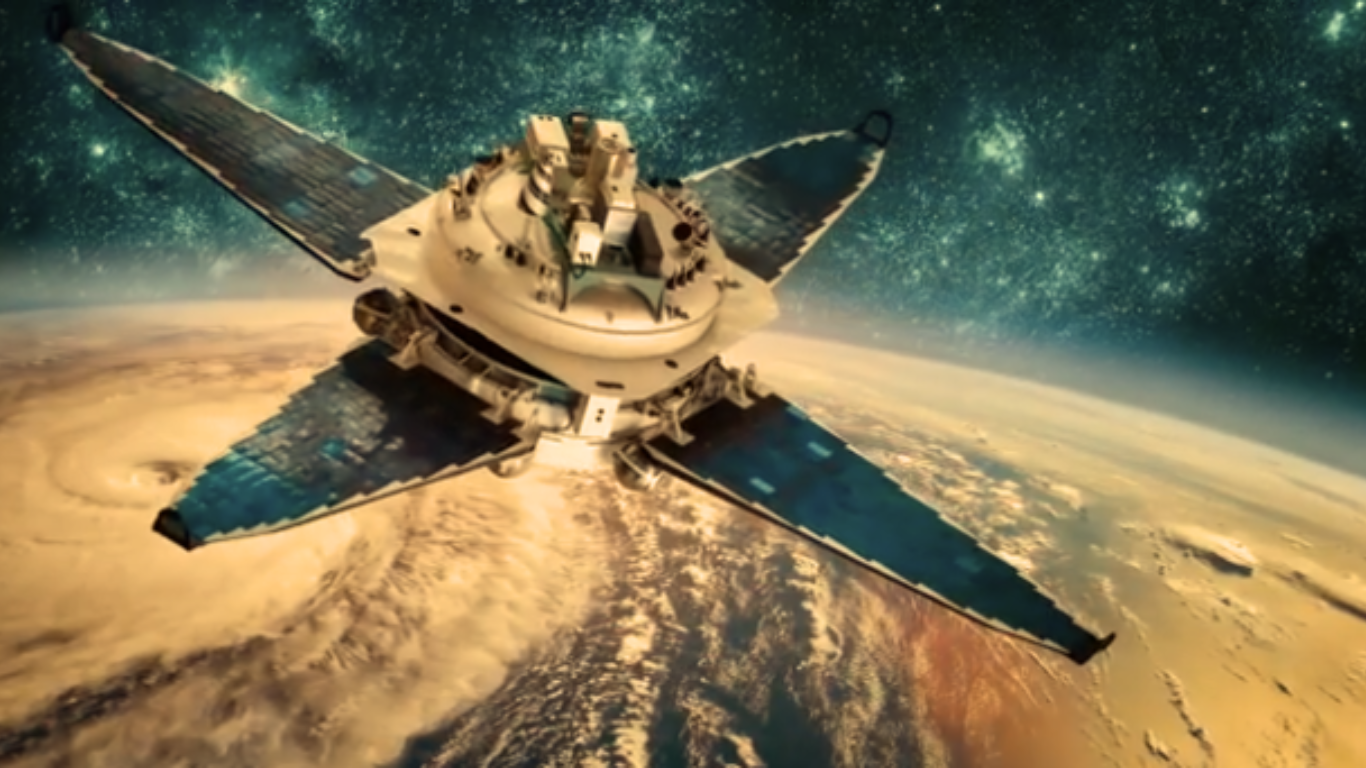
Orbital Maneuverability and Satellite Stealth
When most people think about satellites, they imagine objects quietly circling Earth in predictable paths. That image is outdated. Today, satellites are no longer passive tools. They behave more like strategic assets that can move, react, and sometimes even disappear from expected observation.
Let me explain this in the clearest, simplest terms.
Orbital maneuverability and satellite stealth work together to give satellites the ability to shift position and avoid being easily tracked. This is not science fiction. It is a real and evolving part of space technology that plays a major role in defense, intelligence, and even commercial operations.
From my perspective, this shift is not just technical. It represents a new way of thinking about control in space. The side that can move smarter and remain unseen holds a powerful advantage.
Why Satellite Movement Matters More Than Ever
In the early days of space exploration, satellites followed fixed orbits. Once launched, their paths were predictable. Anyone with the right equipment could track them.
That is no longer acceptable in a world where space is crowded and competitive.
Today, satellites need flexibility. They must avoid debris, respond to threats, and adjust their missions. Orbital maneuverability allows them to do exactly that. Small propulsion systems enable precise changes in speed and direction.
I have seen how even minor orbital shifts can make a big difference. A satellite that slightly changes its altitude or angle can become much harder to monitor consistently. This is where strategy begins to replace routine.
The merit of this approach is clear. It increases survival, improves mission success, and reduces vulnerability.
The Real Meaning of Satellite Stealth
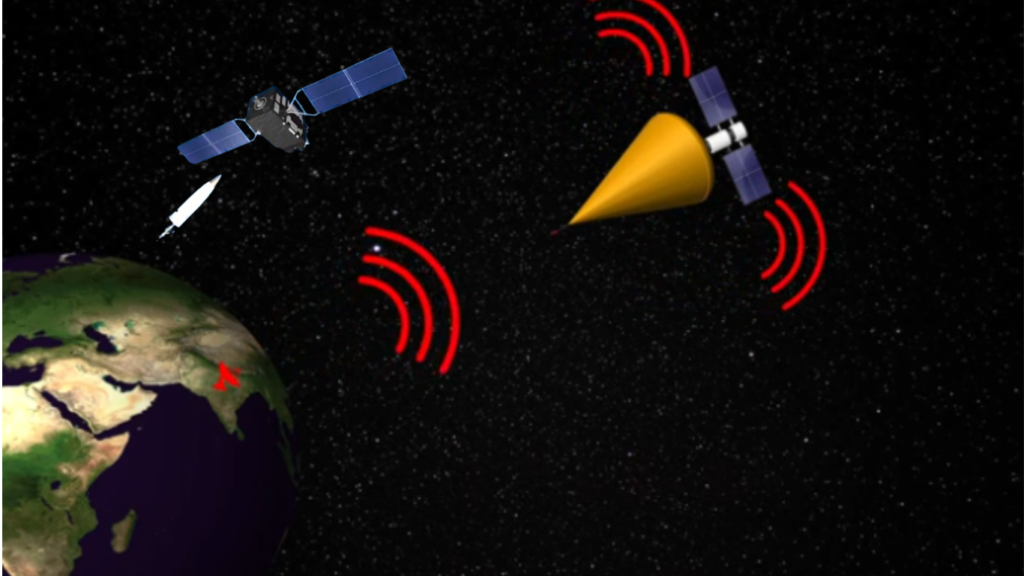
Stealth in space does not mean complete invisibility. That is a common misunderstanding. Instead, it means reducing the chances of being detected, tracked, or predicted.
Satellite stealth involves several techniques. Some satellites minimize their reflective surfaces to reduce visibility. Others manage heat emissions so they do not stand out in infrared tracking systems.
There is also a behavioral aspect. A satellite that moves unpredictably becomes harder to track. If observers cannot anticipate its next position, they lose control of the situation.
In real-world scenarios, this matters more than people realize. Tracking systems depend on patterns. Break the pattern, and you disrupt the system.
From my point of view, stealth is less about hiding completely and more about controlling what others can know.
Orbital Maneuverability as a Strategic Tool
Orbital maneuverability is not just about movement. It is about decision-making in space.
A satellite equipped with efficient propulsion can shift between orbits, avoid threats, or reposition itself for better coverage. This flexibility turns it into an active participant rather than a passive observer.
One practical example is collision avoidance. Space debris is a growing problem. Satellites must move to avoid dangerous encounters. The same capability can be used to avoid hostile actions.
Another example is mission adaptation. A satellite can change its position to focus on a new region or objective. This ability adds value without requiring new launches.
The advantage is efficiency. Instead of replacing satellites, operators can extend their usefulness.
Dual-Use Orbital Systems Transform Space Defense
Techniques for Staying Hidden in Plain Sight
The phrase “hiding in plain sight” might sound unusual, but it perfectly describes modern satellite stealth.
One technique involves blending into crowded orbital zones. When many objects share similar paths, it becomes harder to isolate a single satellite.
Another approach is timing. Satellites can maneuver during periods when observation is limited. This reduces the chance of detection.
There is also the use of low-signature materials. These materials reduce radar and optical visibility. While not perfect, they make tracking more difficult.
I believe the smartest technique is unpredictability. A satellite that behaves differently each time forces observers to constantly adjust. That creates uncertainty, and uncertainty is a powerful defense.
The Role of Technology in Modern Space Security
Advanced sensors and tracking systems are improving rapidly. At the same time, stealth and maneuverability technologies are evolving to counter them.
This creates a constant cycle of improvement. As detection becomes better, hiding techniques become more advanced.
Artificial intelligence is starting to play a role as well. It helps satellites make faster decisions about movement and positioning. This reduces response time and increases effectiveness.
In practical terms, this means satellites are becoming more autonomous. They can react to changes without waiting for human instructions.
From a strategic perspective, this is a major shift. Speed and independence can determine success in space operations.
Challenges and Limitations You Should Know
While orbital maneuverability and satellite stealth offer clear advantages, they are not without challenges.
Fuel is a major limitation. Every maneuver consumes resources. Satellites must balance movement with longevity.
There is also the complexity of coordination. Multiple satellites operating together must avoid interfering with each other.
Another issue is cost. Advanced stealth materials and propulsion systems require significant investment.
Even with these challenges, the advantages typically surpass the downsides.
The ability to survive and adapt in space is becoming essential.
Real-World Impact on Global Space Dynamics
Space is no longer a peaceful environment. It is a competitive domain where nations and companies seek advantage.
Orbital maneuverability and satellite stealth are central to this competition. They influence how satellites are designed, launched, and operated.
For example, defense agencies rely on these technologies to protect critical assets. Commercial companies use them to maintain service reliability.
The impact is widespread. From communication networks to navigation systems, many services depend on secure satellites.
In my view, this is only the beginning. As more players enter space, the need for advanced movement and stealth will grow.
Practical Insights for Understanding the Future
If you want to understand where space technology is heading, focus on adaptability.
Satellites that can move, adjust, and remain unpredictable will dominate. Rigid systems will find it difficult to keep pace.
Another key insight is integration. Combining maneuverability with stealth creates a stronger system than using either alone.
I also believe education plays a role. The more people understand these technologies, the better they can appreciate their importance.
This is not just a technical topic. It is a global issue that affects communication, security, and innovation.
Why This Subject Is More Important Than It Appears
Orbital maneuverability and satellite stealth may seem distant, but they affect everyday life.
GPS navigation, internet connectivity, and weather forecasting all depend on satellites. Protecting these systems is critical.
When satellites can avoid threats and operate securely, services remain stable. This benefits individuals, businesses, and governments.
From my perspective, the real value lies in resilience. A system that can adapt is a system that can survive.
Conclusion
Orbital maneuverability and satellite stealth are no longer optional features. They are essential tools in a rapidly evolving space environment. Satellites must do more than orbit. They must think, adapt, and respond.
What stands out to me is how these technologies shift the balance of power. Control is no longer about size or number. It is about intelligence, flexibility, and timing.
Worldstan brings this perspective forward with clarity and originality, offering insights that go beyond surface-level explanations. The goal is not just to inform, but to help you truly understand what is happening above us.
As space continues to grow more complex, one thing remains certain. The satellites that move smarter and stay less visible will define the future.