
Voice Cloning Ethics and Techniques with ElevenLabs
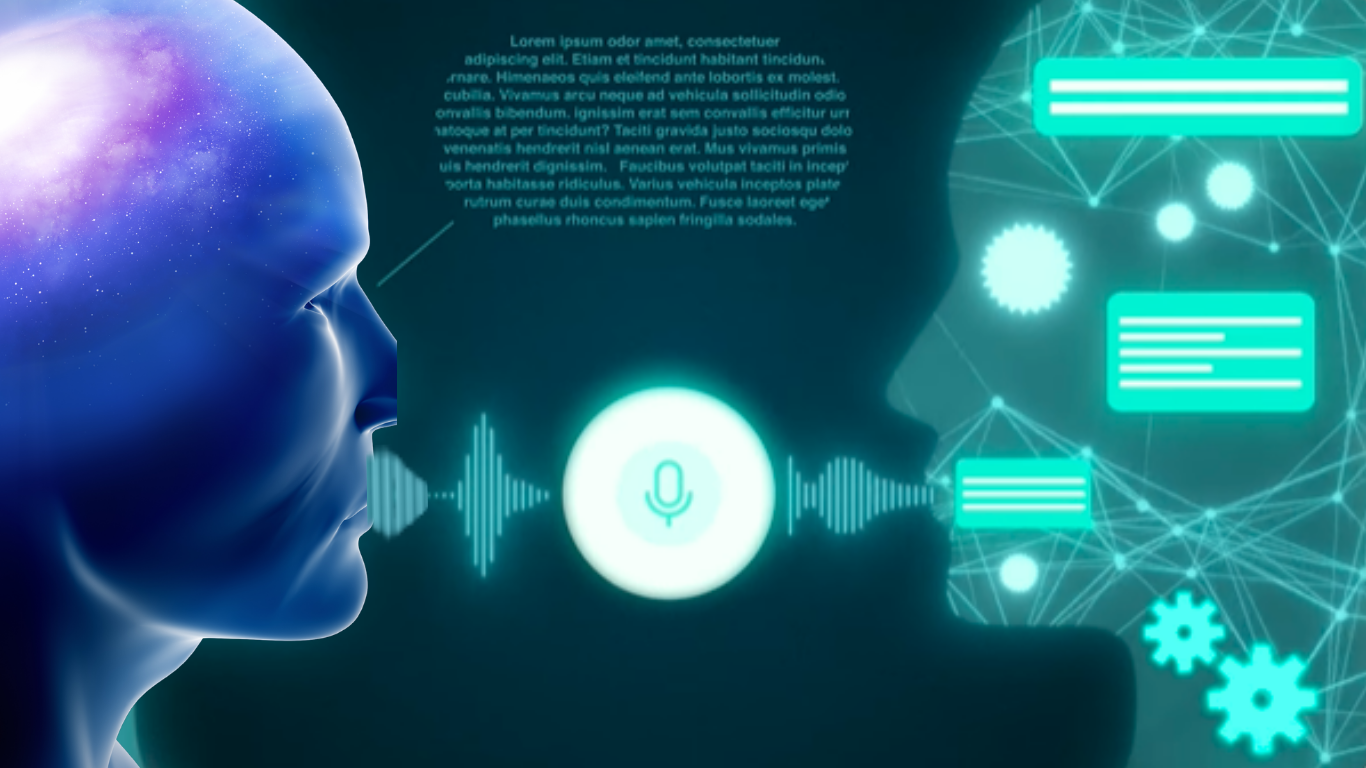
Voice cloning ethics is no longer a future discussion because AI generated voices are already changing content creation, business communication, entertainment, education, and online identity in ways most people never expected. In this detailed Worldstan guide, you will discover how ElevenLabs voice cloning works, why ethical concerns are growing rapidly, and how creators can use this technology responsibly without crossing dangerous boundaries.
Voice Cloning Ethics and Techniques with ElevenLabs
Artificial intelligence has entered a phase where machines can now imitate human voices with remarkable accuracy. A few years ago, robotic speech systems sounded unnatural and emotionless. Today, platforms like ElevenLabs have completely transformed how digital voices sound. Modern AI speech systems can now reproduce tone, emotion, pauses, accents, and even subtle breathing patterns.
This progress is exciting, but it also creates serious ethical questions. In my opinion, voice cloning ethics has become one of the most important discussions in the AI industry because human voice is deeply connected to identity and trust. When technology can copy someone’s voice almost perfectly, the line between innovation and misuse becomes very thin.
At Worldstan, we believe people should understand both sides of this technology. Many websites only praise AI tools without discussing risks. Others only focus on fear and ignore the practical benefits. The truth exists somewhere in the middle. Voice cloning can improve lives, save businesses money, and help creators scale their work. At the same time, it can also be abused for scams, misinformation, and privacy violations.
What Voice Cloning Actually Means
Voice cloning is a process where artificial intelligence studies recordings of a person’s speech and learns how to reproduce that voice digitally. Once trained, the AI can generate completely new sentences while sounding almost identical to the original speaker.
The technology behind this process relies heavily on neural networks and deep learning models. These systems analyze pronunciation, speaking rhythm, emotional tone, pitch variation, and vocal texture. After enough training data is collected, the AI creates a synthetic voice model capable of speaking naturally.
Let me explain this in the clearest, simplest terms.
Imagine teaching a student how you speak by giving them hundreds of examples. Eventually, that student learns your exact style, pauses, and emotions. AI voice cloning works in a similar way, except the student is an algorithm.
One reason ElevenLabs became popular so quickly is because it reduced the technical complexity of voice cloning. Earlier AI systems required huge datasets and advanced engineering skills. Modern tools now allow ordinary creators to generate realistic speech with minimal effort.
Why ElevenLabs Became a Leading Name
In my experience, most AI tools become successful when they remove friction for normal users. ElevenLabs achieved this by creating an interface that feels simple while delivering extremely advanced results.
Content creators use it for audiobooks, YouTube narration, podcasts, language translation, and gaming dialogue. Businesses use cloned voices for customer support automation and marketing campaigns. Educators use synthetic speech to make learning content more accessible.
The emotional realism is what truly separates modern AI voices from older text to speech systems. Earlier software sounded mechanical because it followed predictable patterns. ElevenLabs produces speech that feels conversational and expressive.
I personally think this emotional quality is the reason many people feel amazed and uncomfortable at the same time. When a synthetic voice sounds genuinely human, listeners often forget they are hearing AI generated speech.
The Positive Side of Voice Cloning Technology
Many discussions about AI voice cloning become overly negative. That approach ignores the meaningful advantages this technology can provide.
One of the strongest benefits is accessibility. People who lose their natural voices due to illness can preserve their speaking identity through AI cloning systems. Instead of communicating through robotic speech devices, they can continue speaking in voices that sound familiar to family and friends.
This technology also helps creators save time. A podcaster can update scripts without recording entire episodes again. Video creators can localize content into multiple languages while maintaining the same vocal identity.
Small businesses also benefit significantly. Hiring professional voice actors for every campaign can become expensive. AI narration tools allow startups to create high quality audio content with smaller budgets.
Another major advantage is education. AI voice systems can generate personalized learning experiences for students across different languages and regions. This may improve global access to knowledge over the next decade.
The Ethical Concerns Nobody Should Ignore
Despite the benefits, voice cloning ethics cannot be treated lightly. Some risks are genuinely serious.
The first major issue is consent. Many people discover their voices are copied without permission. Public interviews, podcasts, and social media videos provide enough audio data for malicious actors to build synthetic voices.
This creates dangerous possibilities. Scammers can imitate family members during fake emergency calls. Fraudsters can impersonate executives to manipulate employees into transferring money. Political misinformation campaigns can distribute fake audio clips that sound believable.
In my opinion, the biggest problem is not the technology itself. The real danger comes from how quickly people trust familiar voices. Humans naturally associate voices with authenticity. When AI breaks that assumption, digital trust becomes fragile.
Privacy is another serious issue. Your voice contains emotional and personal characteristics unique to you. Unauthorized cloning can feel deeply invasive because it copies part of your identity.
There is also the issue of misinformation. A manipulated voice recording can spread online within minutes before fact checking even begins. This creates challenges for journalism, politics, and public communication.
Real World Examples That Changed Public Opinion
Several incidents already demonstrated how dangerous AI voice misuse can become.
Some scammers used cloned voices to imitate company executives during phone calls. Employees believed they were following real instructions from leadership. Financial losses reached significant amounts before organizations recognized the deception.
Celebrities have also experienced unauthorized voice replication online. Viral AI generated songs imitating famous singers sparked legal and ethical debates worldwide. Many listeners struggled to distinguish authentic performances from synthetic recreations.
These situations forced regulators and technology companies to pay closer attention to AI audio policies. In my view, the next few years will determine whether voice cloning becomes a trusted innovation or a source of constant digital confusion.
The Importance of Consent in AI Voice Cloning
Consent should always remain the foundation of ethical AI voice usage.
If someone willingly provides recordings and clearly understands how their voice will be used, the ethical concerns become smaller. Problems begin when cloning occurs secretly or deceptively.
Creators should never assume publicly available audio automatically grants permission for AI replication. Ethical responsibility goes beyond technical legality.
At Worldstan, we strongly believe transparency matters. If content includes AI generated speech, audiences should know about it. Hiding synthetic voices damages long term trust between creators and audiences.
I also believe companies should implement stronger verification systems before allowing custom voice creation. Basic safeguards can prevent many abusive uses.
Techniques Behind Modern Voice Cloning Systems
The technical side of voice cloning has evolved rapidly.
Most systems begin with data collection. The AI requires voice samples to understand speech characteristics. High quality recordings improve output accuracy significantly.
Next comes feature extraction. The AI analyzes vocal characteristics such as pitch variation, pronunciation patterns, emotional expression, and speaking rhythm.
Machine learning models then process this information using neural networks trained on massive speech datasets. Over time, the AI becomes capable of generating entirely new dialogue while maintaining the speaker’s vocal identity.
Another impressive development is multilingual voice cloning. Some AI systems can reproduce the same voice across different languages while preserving emotional consistency.
Emotion control is also improving. Users can adjust excitement, calmness, seriousness, or sadness within generated speech. This makes AI narration feel more authentic and dynamic.
Why Regulation Will Become Necessary
I personally think governments and technology companies will eventually introduce stricter AI voice regulations.
Without clear policies, misuse could escalate quickly. Society already struggles with misinformation on social media. AI generated audio could intensify those problems dramatically.
Regulations may require disclosure labels for synthetic speech. Platforms might also need consent verification before voice cloning becomes available.
Some countries are already exploring legal protections around biometric identity and AI generated media. Voice data may soon receive protections similar to fingerprints or facial recognition.
The challenge is finding balance. Excessive regulation could slow innovation, while weak regulation could encourage abuse.
How Creators Can Use Voice Cloning Responsibly
Responsible usage begins with honesty and respect.
Creators should only clone voices with explicit permission. Businesses should maintain clear contracts explaining how synthetic voices will be used.
Audiences should also receive transparency whenever AI narration appears in professional content. This protects credibility and reduces confusion.
Another smart practice is watermarking AI generated audio. Hidden digital identifiers may help platforms detect synthetic speech and reduce misinformation risks.
I also advise creators not to use AI-generated voices to imitate public figures or celebrities without proper authorization.
Even when technically possible, it often creates ethical and legal complications.
The best use cases focus on productivity, accessibility, creativity, and education rather than deception.
The Future of AI Voice Technology
Voice cloning technology will continue improving at remarkable speed.
Future systems may reproduce real time conversations with near perfect emotional realism. AI voices could become integrated into virtual assistants, gaming characters, education platforms, and business communication tools.
In my opinion, the future success of this technology depends entirely on public trust. People will embrace AI voice systems if they believe companies are using them responsibly.
The industry must prioritize ethics alongside innovation. Powerful technology without ethical direction usually creates long term societal problems.
At Worldstan, we believe voice cloning should enhance human creativity rather than manipulate human trust. The technology itself is not naturally harmful.
Its impact depends on the intentions and safeguards surrounding its use.
Conclusion
Voice cloning ethics is no longer a theoretical discussion because AI generated speech is already influencing how people communicate, create content, and consume information online. Platforms like ElevenLabs have demonstrated how realistic synthetic voices can become, opening opportunities for education, accessibility, marketing, and digital storytelling.
At the same time, this innovation introduces serious ethical responsibilities involving consent, privacy, misinformation, and identity protection. In my view, the future of AI voice technology will not depend only on technical advancement. It will depend on whether creators, businesses, and governments choose to use these tools with transparency and accountability.
Worldstan believes that responsible innovation is the only sustainable way forward.
Voice cloning should empower human creativity, preserve accessibility, and improve communication without sacrificing trust. As AI continues evolving, ethical decision making will become just as important as technological progress itself.