

Stealth Ground Drones Changing Modern Warfare
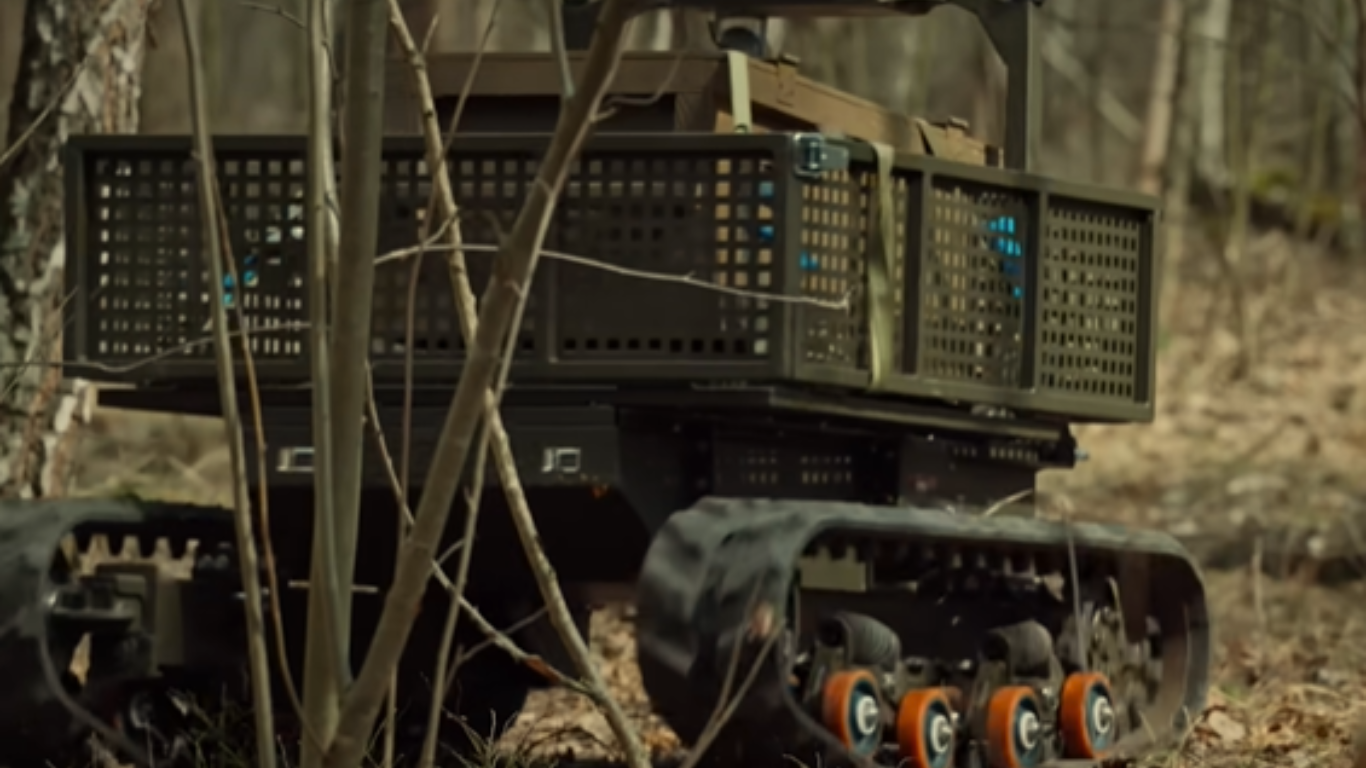
Stealth Ground Drones are changing how military forces gather information without exposing soldiers to unnecessary danger. This article explores how these intelligent machines quietly observe, analyse, and protect missions while revealing why they are becoming one of the most valuable defence technologies of the modern era.
Invisible Sentinels Stealth Ground Drones and Silent Reconnaissance
Stealth Ground Drones are revolutionising battlefield surveillance with silent movement, AI powered intelligence, low thermal detection, and secure reconnaissance capabilities.
Stealth Ground Drones represent one of the most significant advances in modern military technology. Unlike traditional unmanned aircraft that operate in the sky, these intelligent machines move quietly across the ground while remaining difficult to detect. Their main purpose is not direct combat but gathering valuable intelligence, monitoring enemy activity, and supporting military operations without exposing soldiers to unnecessary danger.
Modern battlefields have become increasingly dependent on information. Knowing where an opponent is located, how they are moving, and what equipment they possess can determine the success or failure of an entire operation. Stealth Ground Drones provide this information while greatly reducing the risks that human reconnaissance teams have traditionally faced.
The growing use of AI has made these systems even more capable. Instead of simply following pre-programmed routes, many advanced platforms can analyse their surroundings, identify obstacles, select safer paths, and even recognise vehicles or equipment with minimal human involvement. This combination of silent movement and intelligent decision making is changing military reconnaissance around the world.
The Evolution of Ground Reconnaissance
Stealth Ground Drones are advanced unmanned vehicles that quietly collect battlefield intelligence using silent movement, AI navigation, thermal camouflage, and secure communications while reducing risks for military personnel.
For centuries, military commanders depended on human scouts to collect information before launching operations. These scouts travelled on foot or horseback, carefully observing enemy positions before returning with reports. Although this approach often produced valuable intelligence, it also placed the scouts themselves in extreme danger.
As technology advanced, armies introduced armoured reconnaissance vehicles, helicopters, surveillance aircraft, and satellites. Each innovation improved battlefield awareness, yet every solution also had limitations. Large vehicles produced noise, aircraft could be detected by radar, and satellites could not always provide continuous observation.
Stealth Ground Drones bridge many of these gaps by combining mobility, intelligence, and concealment into a single platform. They can travel through forests, urban streets, rocky landscapes, tunnels, and narrow pathways that larger military vehicles cannot safely enter.
The development of these machines reflects a wider shift in defence strategy. Military organisations increasingly value precise intelligence over unnecessary confrontation. By collecting accurate information first, commanders can make better decisions while reducing casualties.
Historical Development of Ground Reconnaissance
| Year | Event | Description |
|---|---|---|
| Ancient Era | Human scouts introduced | Armies relied on trained scouts to gather battlefield intelligence. |
| Early 1900s | Reconnaissance vehicles | Armoured vehicles improved mobility and protection for military observers. |
| Mid 1900s | Helicopter surveillance | Air reconnaissance expanded observation capabilities across larger areas. |
| Late 1900s | Satellite intelligence | Space technology enabled continuous monitoring of strategic locations. |
| Early 2000s | Unmanned ground vehicles | Remote-controlled robots entered military reconnaissance missions. |
| 2020s | AI powered Stealth Ground Drones | Intelligent autonomous systems combined silent mobility, advanced sensors, and secure communications. |
Why Silent Movement Matters
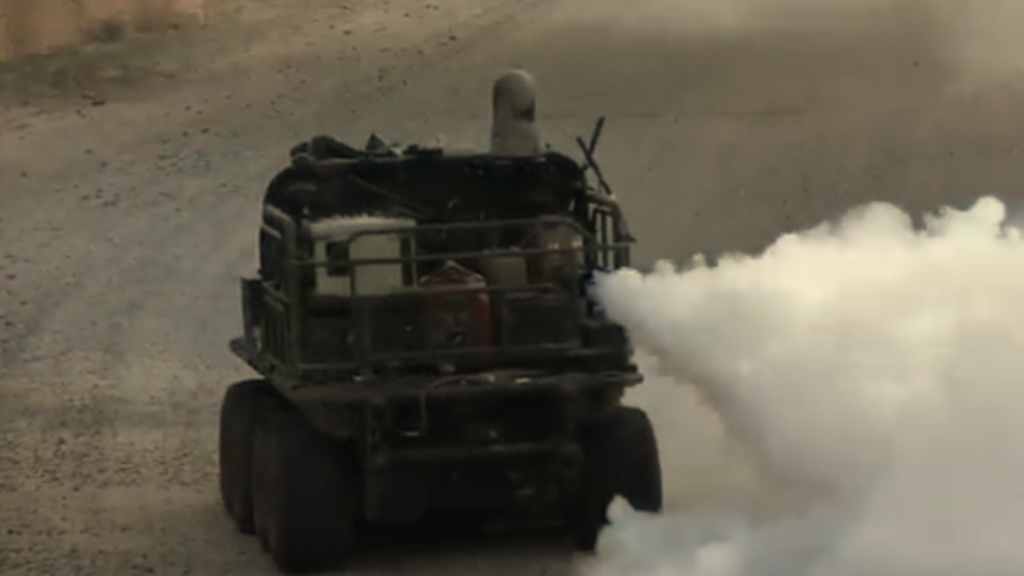
Silence is often more valuable than speed during reconnaissance missions. Traditional military vehicles create engine noise, vibration, and dust, making them easier to detect long before they reach their destination.
Stealth Ground Drones solve this challenge by using advanced electric propulsion systems designed to operate with minimal sound. Their motors generate far less noise than conventional engines, allowing them to travel much closer to enemy positions without revealing their presence.
This quiet movement creates tactical advantages that extend far beyond simple concealment. Soldiers receive intelligence from locations that would otherwise be inaccessible, commanders gain additional planning time, and surveillance operations become significantly safer.
From my perspective, silence changes the psychology of the battlefield as much as it changes the technology. When military personnel realise they may already be under observation without hearing or seeing anything, uncertainty begins to influence every decision they make.
Electric Propulsion Systems
Electric propulsion has become one of the defining features of modern Stealth Ground Drones. Unlike diesel powered military vehicles, electric systems produce very little mechanical noise while also reducing heat emissions.
Battery technology has improved significantly during recent years, allowing these drones to operate for longer periods before requiring recharging or battery replacement. Some military research programmes are also exploring hybrid energy systems that combine batteries with alternative power sources to extend operational endurance even further.
The efficiency of electric propulsion offers additional benefits beyond stealth. Fewer moving mechanical parts reduce maintenance requirements, improve reliability, and simplify field repairs. This makes the systems more dependable during extended military deployments.
AI also plays an important role in energy management. Intelligent software continuously monitors battery performance, adjusts power consumption, and selects efficient travel routes to maximise operational time.
Advanced Mobility Across Difficult Terrain
Battlefields rarely consist of smooth roads or open fields. Military operations frequently occur in forests, mountains, deserts, snow covered regions, damaged cities, and narrow valleys where traditional vehicles struggle to operate.
Stealth Ground Drones are specifically engineered to overcome these difficult environments. Their tracked or multi-wheel designs distribute weight efficiently, allowing them to climb slopes, cross loose ground, navigate debris, and maintain stability across uneven terrain.
AI navigation systems constantly analyse environmental conditions using cameras, radar, lidar, GPS, inertial navigation systems, and other onboard sensors. The drone processes this information in real time to identify obstacles and safely adjust its path.
Let me explain this in the clearest, simplest terms.
Imagine a skilled hiker walking through a dense forest. Instead of following a straight line, the hiker naturally avoids rocks, fallen trees, and steep slopes while choosing the easiest route forward. AI allows Stealth Ground Drones to make similar decisions automatically, but much faster and with continuous awareness of their surroundings.
This intelligent mobility allows reconnaissance missions to continue even in places where GPS signals become weak or unavailable. Instead of relying on a single navigation method, the drone combines multiple sensor inputs to maintain accurate positioning throughout the mission.
Low Thermal Profile and Thermal Camouflage
Remaining silent is only part of the challenge. Modern surveillance systems can also detect heat, making thermal signatures one of the biggest concerns during reconnaissance missions. Human bodies, combustion engines, and conventional military vehicles naturally generate heat that infrared cameras can easily identify, even in complete darkness.
Stealth Ground Drones are designed to reduce this risk by controlling how heat is produced and released. Advanced insulation materials, carefully engineered ventilation systems, and efficient electric motors help lower the amount of detectable heat. Some platforms are also built with outer surfaces that spread heat evenly, making them blend more naturally with the surrounding environment instead of appearing as bright targets on thermal imaging equipment.
This capability provides a major tactical advantage. A drone positioned near an observation point can continue monitoring enemy activity while remaining difficult to identify through both visual and infrared surveillance. As thermal detection technology becomes more advanced, engineers continue improving methods that minimise heat signatures without reducing operational performance.
In my opinion, thermal camouflage represents one of the most impressive engineering achievements in modern military robotics. Remaining unseen during daylight is valuable, but remaining invisible during darkness gives reconnaissance teams an entirely different level of operational freedom.
Persistent Surveillance Without Fatigue
One of the greatest limitations of human reconnaissance teams is endurance. Soldiers require rest, food, shelter, and regular rotation to maintain concentration. Long observation missions can reduce awareness and increase the possibility of missing important details.
Stealth Ground Drones remove many of these limitations. They can remain hidden for extended periods while continuously monitoring an area without becoming distracted or physically exhausted. Their onboard systems record movement, analyse patterns, and identify unusual activity throughout the mission.
Rather than collecting a single photograph or short video clip, these drones build a detailed understanding of the environment over time. They observe daily routines, vehicle movements, patrol schedules, and changes that may indicate future military activity.
AI strengthens this capability by processing enormous amounts of sensor data automatically. Instead of requiring operators to review every second of recorded footage, intelligent software highlights suspicious behaviour, detects unusual movement, and prioritises information that deserves immediate attention.
This allows military analysts to spend less time searching through routine observations and more time evaluating meaningful intelligence that supports operational planning.
AI Powered Decision Support
Modern Stealth Ground Drones are much more than remote controlled machines. AI enables them to assist operators by analysing information at remarkable speed while reducing human workload.
Computer vision algorithms recognise roads, buildings, vehicles, equipment, and personnel with increasing accuracy. Machine learning models compare current observations with previous data to identify changes that may otherwise go unnoticed.
For example, if a normally empty road suddenly begins receiving regular vehicle traffic, AI systems can automatically flag this change for further investigation. Likewise, unusual construction activity, temporary defensive positions, or new supply movements can be detected much earlier than through manual observation alone.
It is important to understand that AI does not replace military decision makers. Human judgement remains essential, particularly when evaluating complex tactical situations. Instead, AI functions as an intelligent assistant that processes information rapidly and presents useful recommendations for experienced operators to review.
This partnership between human expertise and intelligent software creates faster, more accurate decision making while maintaining appropriate operational control.
Secure Data Transmission
Gathering intelligence has little value if the collected information cannot safely reach commanders. Communication security therefore plays a central role in every reconnaissance mission.
Continuous radio transmissions can expose the location of surveillance equipment because electronic warfare systems often monitor communication signals. To reduce this risk, Stealth Ground Drones frequently rely on burst transmission techniques.
Instead of sending information continuously, the drone stores collected data and transmits it during extremely short communication windows. These brief transmissions reduce the opportunity for hostile electronic systems to detect or locate the source.
Encryption provides another essential layer of protection. Every image, video, map, coordinate, and sensor reading is encoded before transmission. Even if communications are intercepted, the information remains extremely difficult to interpret without authorised decryption systems.
Many advanced platforms also employ frequency hopping technology, automatically changing communication frequencies several times every second. This makes signal interception and electronic jamming significantly more difficult during military operations.
Sensor Fusion Improves Battlefield Awareness
Individual sensors provide valuable information, but combining multiple sensor types creates a much clearer understanding of the battlefield. This process is known as sensor fusion.
Stealth Ground Drones often integrate several technologies into a single reconnaissance platform, including high definition optical cameras, infrared imaging systems, lidar scanners, radar sensors, acoustic detectors, environmental sensors, GPS receivers, and inertial navigation systems.
Each sensor contributes unique information. Cameras capture visual details, thermal imaging identifies heat sources, lidar measures distances with exceptional precision, while radar detects movement under challenging weather conditions.
AI combines all these inputs into a unified operational picture that helps operators understand the surrounding environment far more effectively than any individual sensor could achieve independently.
The result is faster identification of threats, improved navigation, and more reliable intelligence for military commanders.
Operating in Urban Environments
Cities present some of the most difficult environments for military reconnaissance. Buildings create blind spots, narrow streets restrict movement, and large numbers of structures make surveillance considerably more complicated.
Stealth Ground Drones are particularly valuable during urban operations because of their compact size and flexible mobility. They can quietly move through damaged buildings, underground passages, industrial facilities, abandoned infrastructure, and confined spaces that larger reconnaissance vehicles cannot access safely.
AI navigation becomes especially important in these complex settings. The drone continuously analyses obstacles, identifies safe routes, and adapts to changing conditions while avoiding unnecessary exposure.
Urban reconnaissance also benefits emergency response teams, disaster recovery organisations, and security agencies. After earthquakes, industrial accidents, or hazardous chemical incidents, similar robotic platforms can safely inspect dangerous areas before rescue personnel enter.
This demonstrates that technologies originally developed for defence applications frequently provide important benefits in civilian safety and humanitarian operations as well.
Electronic Warfare and Countermeasures
As reconnaissance technology becomes more advanced, electronic warfare capabilities continue evolving alongside it. Modern military forces actively attempt to detect, disrupt, or deceive unmanned systems operating within contested environments.
Stealth Ground Drones therefore incorporate several protective measures designed to improve mission survivability. Anti-jamming communication systems help maintain reliable links with operators despite hostile electronic interference. Navigation software automatically shifts between multiple positioning methods whenever GPS signals become unreliable.
Some advanced platforms can even recognise electronic attacks in real time. AI analyses communication quality, signal strength, navigation accuracy, and sensor performance to determine whether hostile interference is occurring. When necessary, the drone can alter its route, temporarily suspend communications, or return safely to predetermined recovery points.
These defensive capabilities improve mission success while protecting valuable intelligence gathered during reconnaissance operations. As electronic warfare continues developing, future generations of Stealth Ground Drones will almost certainly become even more resilient, autonomous, and adaptable across increasingly complex operational environments.
Real World Applications Beyond Traditional Warfare
Although Stealth Ground Drones are often associated with military operations, their technology has practical value in many other fields. Governments, emergency services, scientific organisations, and security agencies are exploring how these intelligent ground systems can perform dangerous tasks while keeping people out of harm’s way.
Border security is one important example. Long stretches of remote terrain are difficult for security personnel to patrol continuously. Stealth Ground Drones can quietly monitor these regions, detect unusual movement, and send accurate information to command centres without requiring constant human patrols.
Critical infrastructure protection is another growing application. Power stations, oil pipelines, communication networks, railway systems, and industrial facilities require continuous monitoring against both natural hazards and deliberate attacks. Autonomous surveillance vehicles can inspect these locations day and night while identifying suspicious activity before it develops into a larger threat.
Disaster response also benefits significantly from this technology. Following earthquakes, floods, explosions, or chemical accidents, rescue teams often face environments that are unstable or hazardous. A ground drone can enter damaged structures, search for safe routes, inspect dangerous areas, and provide real time information that helps emergency responders make faster and safer decisions.
Environmental research represents another promising area. Scientists can deploy quiet robotic vehicles to observe wildlife without disturbing natural behaviour, collect environmental measurements, or monitor protected ecosystems over long periods with minimal human impact.
These examples demonstrate that technology originally developed for defence can often improve civilian safety, scientific research, and public security.
Challenges Facing Stealth Ground Drones
Despite their remarkable capabilities, Stealth Ground Drones are not without limitations. Every technological advancement introduces new engineering, operational, and strategic challenges that researchers continue working to overcome.
Battery endurance remains one of the most significant concerns. Although modern energy systems have improved considerably, long duration reconnaissance missions still require careful power management. Engineers are investigating more efficient batteries, hydrogen fuel systems, and hybrid power technologies to increase operational range.
Terrain can also present difficulties. Deep mud, heavy snow, flooded areas, steep mountains, and dense vegetation may restrict movement despite advanced mobility systems. Continuous improvements in suspension design, traction control, and AI navigation are helping reduce these limitations.
Cybersecurity is another major priority. Because these platforms depend heavily on digital communications and intelligent software, protecting them against hacking attempts is essential. Secure operating systems, encrypted communications, multi layer authentication, and continuous software updates all contribute to strengthening their resilience against cyber threats.
Weather conditions also influence operational performance. Heavy rainfall, sandstorms, thick fog, and extreme temperatures may reduce sensor effectiveness or limit visibility. Engineers continue developing stronger sensor fusion technologies so that drones can maintain reliable performance under changing environmental conditions.
I believe it is important to understand these limitations, as doing so creates a more practical and balanced outlook. The most effective defence technologies are not those claimed to be perfect but those that continue improving through careful research, practical testing, and operational experience.
Ethical and Legal Considerations
Every major technological breakthrough raises important ethical questions, and Stealth Ground Drones are no exception.
Because these systems can observe individuals for extended periods without being noticed, discussions surrounding privacy, accountability, and responsible deployment continue growing around the world. Military organisations must ensure that reconnaissance operations comply with national laws, international humanitarian law, and clearly defined operational rules.
AI introduces additional considerations. Intelligent systems may assist with navigation, object recognition, and information analysis, but responsibility for important operational decisions should remain with qualified human personnel. Human oversight helps reduce the possibility of unintended consequences while maintaining accountability throughout military operations.
International discussions are also examining how autonomous technologies should be governed in future conflicts. Many experts support developing common standards that encourage responsible innovation while reducing the risks associated with increasingly intelligent defence systems.
Responsible development is not simply a legal requirement. It also strengthens public confidence in emerging technologies and ensures they are used to improve security rather than create unnecessary risks.
The Future of Stealth Ground Drones
Research into Stealth Ground Drones continues advancing at an impressive pace. Improvements in AI, robotics, materials science, communications, and energy storage are expected to produce even more capable reconnaissance systems during the coming years.
Future platforms may operate collaboratively as coordinated robotic teams rather than individual vehicles. Multiple drones could automatically divide surveillance responsibilities, exchange information securely, and build a shared understanding of the operational environment without constant operator instructions.
Artificial intelligence will also become more capable of recognising changing battlefield conditions. Instead of responding only to predefined situations, future systems may learn from previous missions and continuously refine their navigation, observation, and threat detection capabilities.
Advances in battery technology and alternative energy systems are likely to extend operational endurance considerably, allowing surveillance missions to continue for much longer periods with fewer logistical requirements.
Miniaturisation will also influence future designs. Smaller and lighter reconnaissance vehicles may access locations that are currently impossible for existing platforms, providing intelligence from highly restricted environments while remaining even more difficult to detect.
Communication technologies will continue evolving as well. Faster encrypted networks, stronger anti jamming systems, and more resilient satellite communications will improve reliability in contested operational environments.
Although no technology can completely replace experienced military professionals, Stealth Ground Drones will almost certainly become trusted partners that enhance situational awareness, reduce operational risks, and improve decision making across modern defence operations.
Why This Technology Matters
The importance of Stealth Ground Drones extends beyond the machines themselves. They represent a broader transformation in how information is collected, analysed, and used during complex military operations.
Modern conflicts increasingly depend upon accurate intelligence rather than overwhelming force alone. Commanders who receive timely, reliable information are better positioned to protect personnel, avoid unnecessary risks, and achieve operational objectives with greater precision.
AI enhances this process by helping military teams process enormous quantities of information more efficiently than traditional methods alone. Human expertise remains central to every important decision, but intelligent systems provide valuable support that increases both speed and accuracy.
As global security environments continue evolving, reconnaissance technologies will remain essential components of defence planning. Understanding how these systems operate helps readers appreciate both their technical sophistication and their wider strategic significance.
Conclusion and Brand Credibility
Stealth Ground Drones have become an important part of modern reconnaissance by combining silent mobility, intelligent AI analysis, thermal camouflage, secure communications, and continuous surveillance into one highly capable platform. They reduce risks for military personnel while providing commanders with faster and more reliable battlefield intelligence that supports better operational decisions.
As innovation continues, these autonomous systems will become even smarter, more efficient, and more adaptable across defence, security, emergency response, and research applications. Understanding their capabilities today helps us prepare for the rapidly changing technologies that will shape tomorrow’s operational landscape.
This comprehensive insight into Stealth Ground Drones has been carefully researched and written exclusively for worldstan.com, where trusted analysis, practical knowledge, and future focused technology reporting continue to help readers understand the innovations transforming our world.