

Pinterest History and Evolution Full Complete Guide
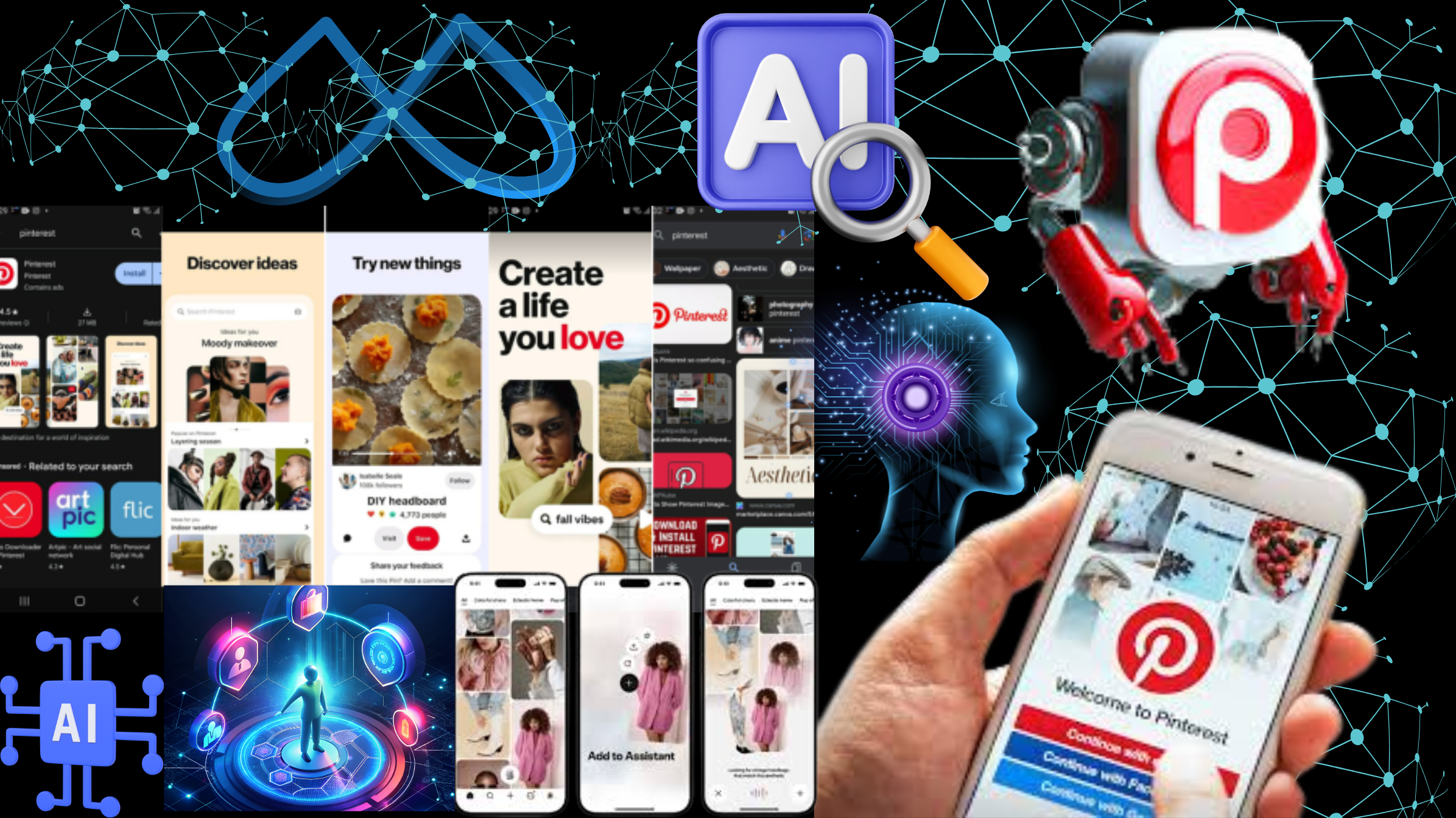
Pinterest history and evolution shows how a simple idea of saving and sharing images turned into one of the world’s biggest visual discovery platforms, helping millions of users find inspiration, ideas, and business opportunities online.
Pinterest Growth and Financial Journey
Pinterest experienced rapid financial growth after introducing advertising features. Instead of relying only on users, the platform built a strong revenue model through promoted pins and brand campaigns.
Investors showed strong confidence, pushing Pinterest into unicorn status. Its IPO in 2019 marked a major turning point in Pinterest history and evolution, turning it into a publicly traded company with global financial visibility.
Revenue growth mainly came from digital advertising, brand partnerships, and e-commerce integrations that allowed users to directly shop from pins.
Pinterest Acquisitions and Strategic Expansion
Pinterest expanded its capabilities by acquiring innovative startups. These acquisitions helped improve search, recommendations, and content creation.
The acquisition of URX improved mobile discovery, while Instapaper strengthened content saving features. Later, Vochi added video editing capabilities, showing Pinterest’s shift toward multimedia content.
Each acquisition played a role in strengthening Pinterest history and evolution into a more advanced visual platform.
Pinterest as a Visual Discovery Platform
Pinterest is not just a social media app. It works more like a visual search engine. Users do not just scroll; they actively search for ideas like “home design,” “fashion outfits,” or “business ideas.”
This unique positioning is what separates Pinterest from platforms like Instagram or Facebook. The focus on discovery rather than personal posting makes Pinterest history and evolution highly unique in the social media world.
Pinterest Marketing and Business Model
Businesses use Pinterest to reach users who are already searching for ideas. This makes conversion rates higher compared to traditional ads.
The platform uses promoted pins and shopping integrations to connect users with products directly. Over time, Pinterest has become an important tool for digital marketing and e-commerce growth.
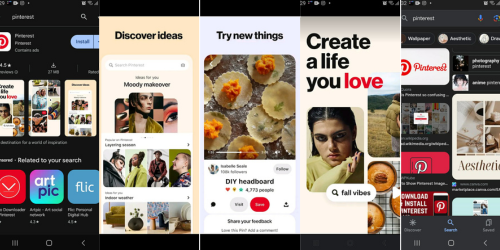
Pinterest AI Features and Smart Recommendations
Pinterest uses artificial intelligence to improve user experience. Its algorithms study user interactions and suggest relevant pins based on interests.
Visual search technology allows users to find similar images instantly. AI also helps businesses target the right audience, improving ad performance and engagement.
This smart system is a key part of Pinterest history and evolution, making the platform more intelligent and user-focused.
Pinterest IPO and Market Success
Pinterest went public in 2019, marking a major milestone in its journey. The IPO gave the company financial strength and global recognition.
It also opened new opportunities for expansion, advertising growth, and technological development. This event became a turning point in Pinterest history and evolution.
Pinterest Global Impact and User Growth
Pinterest now serves hundreds of millions of users worldwide. It is especially popular among users searching for design inspiration, lifestyle ideas, and business creativity.
The platform’s global reach continues to grow, making it one of the most influential visual discovery tools in the digital world.
Challenges and Criticism
Pinterest has also faced criticism over copyright issues, scams, and content moderation. Some users raised concerns about image ownership and platform responsibility.
The company has responded by improving policies and introducing reporting systems. However, managing a global platform always comes with challenges.
These issues are also part of Pinterest history and evolution, showing the complexity of digital platforms.
Pinterest Future Direction
Pinterest is moving toward stronger AI integration and e-commerce development. The focus is on making visual search more accurate and shopping more seamless.
Future updates are expected to include better personalization, smarter recommendations, and deeper integration with online shopping platforms.
Criticism of Pinterest: Analyzing Legal, Ethical, and Cultural Concerns
Copyrighted Content:
Pinterest’s approach to copyrighted material has sparked debates regarding its compliance with the Digital Millennium Copyright Act (DMCA). Despite offering a notification system for copyright holders to request removal of content, Pinterest’s active encouragement of users to pin images from the internet raises questions about its safe harbor status. Users, in turn, face potential legal
repercussions for pinning copyrighted material. The introduction of the “nopin” HTML meta tag aimed to address this issue, allowing websites to opt out of having their images pinned.
Legal Status:
Legal concerns were further heightened when photographer and lawyer Kirsten Kowalski’s blog post gained traction, prompting scrutiny of Pinterest’s adherence to copyright law. Kowalski’s interpretation led her to delete all infringing pins, drawing attention to the platform’s legal status. Pinterest attempted to alleviate these concerns by asserting its protection under the DMCA’s safe harbor provisions.
Terms of Service:
Pinterest’s earlier terms of service raised eyebrows due to their ambiguous assertion of ownership over user content. The company’s claim of perpetual ownership clashed with its denial of any ownership rights. Following criticism, Pinterest revised its terms of service to clarify users’ rights and the platform’s intentions regarding content ownership.
Use by Scammers:
Pinterest has also faced criticism for its susceptibility to scams, with scammers exploiting users through social engineering tactics. Phishing schemes involving promises of free products in exchange for completing surveys highlight the platform’s vulnerability to fraudulent activities.
Censorship:
Pinterest’s censorship practices have come under scrutiny, with instances of blocks imposed by Chinese authorities during politically sensitive periods. Similar blocks in India, driven by concerns over copyright infringement, reflect broader challenges faced by the platform in navigating international regulations and cultural sensitivities.
Content Policies and User Bans:
The platform’s content policies and user bans have evolved in response to various issues, including health misinformation and discrimination. Pinterest’s efforts to combat misinformation have led to restrictions on content related to unproven cancer treatments and anti-vaccination rhetoric. Additionally, the platform has taken steps to address discriminatory content and behaviors, including banning anti-abortion groups and restricting wedding-related content associated with former slave plantations.
Culture of Discrimination:
Pinterest has faced allegations of fostering a culture of discrimination, with former employees speaking out about experiences of racism, unequal pay, and retaliation for raising concerns. Publicized incidents, such as a virtual walkout by staff and multi-million-dollar settlements for discrimination lawsuits, underscore ongoing challenges related to diversity and inclusion within the company.
In summary, Pinterest’s journey has been marked by legal, ethical, and cultural challenges, highlighting the complexities inherent in managing a global social media platform while navigating issues of copyright, censorship, and discrimination.
Pinterest History and Evolution A Complete Human-Centered Guide
Introduction to Pinterest
Pinterest is a visual discovery platform created in 2009 in the United States. It allows people to explore ideas, save inspirations, and organize content into digital boards. From home décor ideas to fashion trends and business inspiration, Pinterest has become a global hub for creativity and planning.
Today, Pinterest history and evolution reflects a journey from a small startup idea into a platform with hundreds of millions of users worldwide, shaping how people search for inspiration online.
Early Beginning and Foundation Story
Pinterest started as a concept developed by Ben Silbermann, Paul Sciarra, and Evan Sharp. It was originally inspired by earlier project ideas that focused on product discovery but later shifted toward visual bookmarking.
At the beginning, the platform struggled to gain attention, but the founders believed in the idea that people enjoy collecting visuals more than plain text. That belief became the foundation of Pinterest history and evolution.
Pinterest Timeline and Major Milestones
| Date | Event |
|---|---|
| Dec 2009 | Development begins from earlier app concept Tote |
| Mar 2010 | Pinterest launched as closed beta |
| Mar 2011 | iPhone app launch boosts growth |
| Aug 2011 | Listed among top websites by Time magazine |
| Dec 2011 | Enters top social networks globally |
| 2012 | Business accounts launched |
| 2017 | Like feature removed for simplification |
| 2019 | Pinterest IPO at $19 per share |
| 2021 | Acquisition of Vochi for video expansion |
| 2022 | Bill Ready becomes CEO |
| 2023 | Partnership with Amazon for ads |
| 2026 | Strong AI-driven personalization expansion |
This timeline highlights how Pinterest history and evolution is marked by continuous adaptation and innovation.

AI in Pinterest Role and How It Works
Pinterest AI features are deeply connected to how the platform understands user behavior and delivers personalized inspiration. The system analyzes what users search, save, and interact with, then uses machine learning models to recommend similar pins, boards, and products. This helps Pinterest act like a smart visual assistant instead of just a social network.
The AI also supports visual search, where users can click an image and find similar styles, products, or ideas. In addition, Pinterest uses AI-driven advertising tools that help businesses reach the right audience based on interests and engagement patterns. Over time, these AI systems improve accuracy, making Pinterest more personalized and effective for both users and advertisers.
Conclusion
Pinterest history and evolution reflects a powerful journey of innovation, creativity, and digital transformation. From a small startup idea to a global visual discovery platform, Pinterest has reshaped how people explore inspiration online. Despite challenges, its continuous growth and AI-driven development show a strong future ahead. This article is exclusively delivered by worldstan.com, offering a human-centered and practical understanding of Pinterest’s complete journey.