

Military Robotics Explained for Modern Warfare
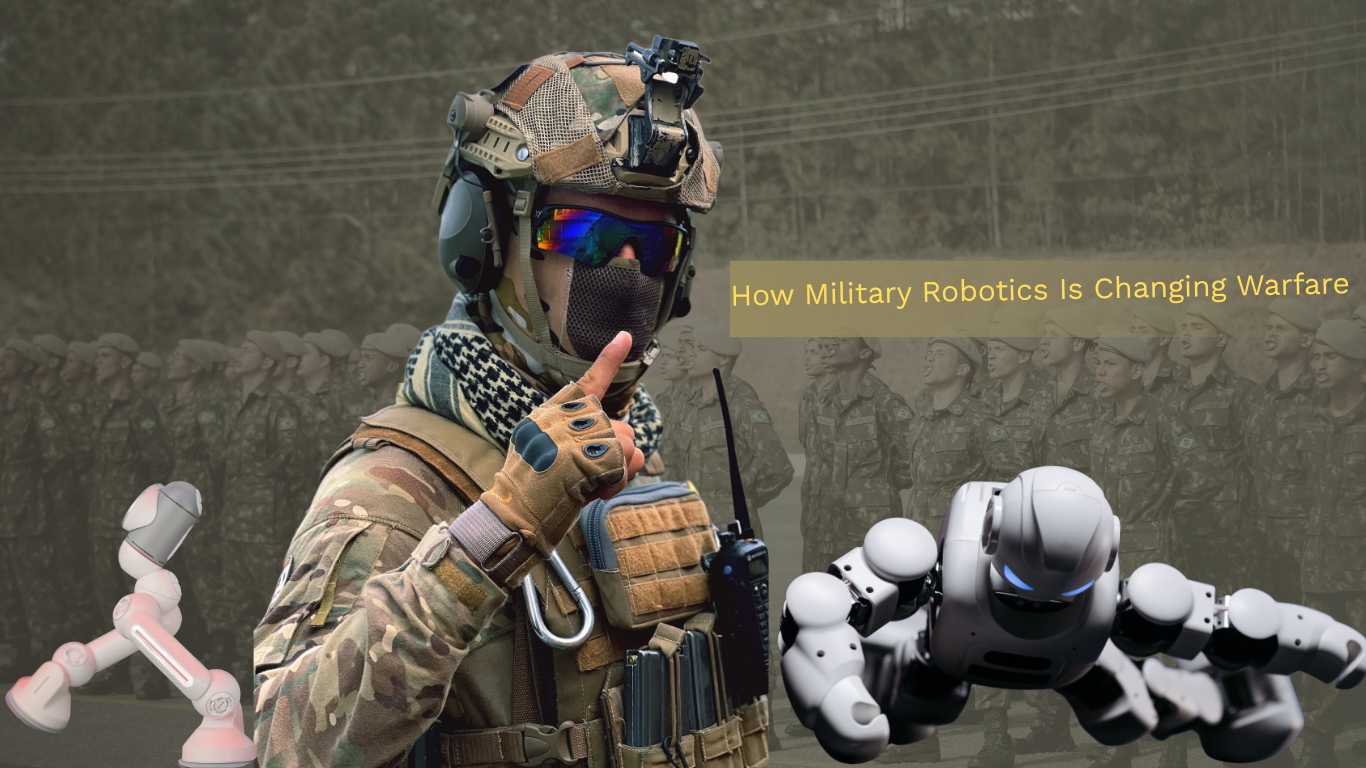
Military Robotics is changing the way nations prepare for security challenges and modern warfare. Behind every intelligent drone, robotic vehicle, and autonomous system is a simple goal to protect lives while improving mission success. This guide explains how these remarkable technologies work and why they are becoming one of the most important innovations in modern defense.
Understanding Military Robotics
Military Robotics is transforming modern defense through intelligent machines, AI powered systems, and autonomous technologies that improve safety, speed, and battlefield awareness.
Military Robotics has moved far beyond the early idea of machines performing simple mechanical tasks. Today it represents one of the fastest growing areas of defense technology, bringing together robotics, artificial intelligence, advanced sensors, high speed communication, and intelligent software. These technologies work together to help armed forces complete dangerous missions with greater safety, better awareness, and higher precision.
The purpose of military robots is often misunderstood. Many people imagine machines completely replacing soldiers, but that is not the reality. In most situations, these systems are designed to work alongside military personnel rather than take their place. They reduce exposure to danger, gather valuable information, transport equipment, and perform tasks that would otherwise place human lives at serious risk.
Imagine a reconnaissance mission inside a damaged urban area where buildings have collapsed and hidden dangers exist around every corner. Sending soldiers into such an environment without prior information creates enormous risks. A robotic ground vehicle equipped with cameras, thermal sensors, and communication systems can enter first, inspect the surroundings, identify possible threats, and send real time information back to the command team. The result is a better understanding of the situation before any human enters the area.
This practical approach explains why governments around the world continue investing in robotic defense technologies. These systems increase operational efficiency while helping commanders make better informed decisions during highly complex situations.
The Meaning Behind Military Robotics
Military Robotics combines intelligent machines with AI to support military missions, improve battlefield awareness, reduce risks for soldiers, and increase operational precision in modern defense environments.
Military Robotics refers to machines specifically developed to support defense and security operations through remote control, automation, or artificial intelligence. These systems operate on land, in the air, across the sea, and beneath the ocean. Some remain under continuous human supervision, while others can complete limited tasks with a degree of autonomy based on programmed instructions and sensor data.
Their responsibilities continue expanding as technology advances. Modern military robots may inspect hazardous areas, monitor borders, transport military supplies, assist during rescue operations, detect explosives, or collect intelligence across difficult terrain. Every improvement in computing power, navigation technology, and AI allows these machines to perform increasingly complex missions.
One important point deserves attention. Military Robotics should not be viewed only as weapons technology. Many robotic platforms exist primarily to protect people by removing them from hazardous environments. Bomb disposal robots, search and rescue systems, and surveillance drones often save lives without engaging in direct combat.
From my perspective, this balanced understanding is essential. Technology should first improve human safety before increasing military capability. When robotics serves both purposes together, it becomes a valuable tool rather than simply another piece of equipment.
Let me explain this in the clearest, simplest terms
Think about a firefighter entering a burning building. Before sending people inside, small robotic vehicles can inspect the structure, locate survivors, measure dangerous gases, and identify blocked escape routes. Military Robotics follows a similar principle. Instead of exposing soldiers to unnecessary danger, robots enter first, collect information, and reduce uncertainty before human teams move forward.
This combination of human expertise and intelligent machines creates stronger decision making. Robots perform repetitive, hazardous, and physically demanding work, while experienced military personnel continue making strategic and ethical decisions.
That partnership represents the true strength of modern defense technology.
The Evolution of Military Robotics
The development of military robots did not happen overnight. It is the result of decades of technological progress, changing battlefield requirements, and continuous improvements in computing, communications, and artificial intelligence.
During the early years, military robots were relatively simple. Most operated through direct remote control and completed one highly specialized task. Their movement was slow, their sensors were limited, and every action required human guidance.
As digital technologies improved, engineers introduced better navigation systems, lightweight materials, satellite positioning, high resolution cameras, and intelligent software. These improvements gradually transformed robotic machines from basic tools into highly capable support platforms.
The integration of AI marked another major turning point. Instead of simply following commands, modern systems can recognize objects, analyze environmental conditions, identify movement patterns, recommend actions, and assist operators with complex decision making.
The pace of innovation continues accelerating as defense organizations invest in autonomous navigation, advanced communications, computer vision, and collaborative robotic systems.
Historical Development of Military Robotics
| Year | Event | Description |
|---|---|---|
| 1960s | Early robotic research | Initial experiments explored remotely controlled military machines for hazardous environments. |
| 1980s | Bomb disposal robots expanded | Security forces increasingly adopted robotic systems for explosive ordnance disposal. |
| 1990s | Digital navigation improved | Better electronics and communication technologies increased robot mobility and reliability. |
| Early 2000s | Drone operations expanded | Unmanned aerial systems became widely used for surveillance and reconnaissance missions. |
| 2010s | AI integration accelerated | Artificial intelligence improved navigation, image recognition, and battlefield analysis. |
| 2020s | Intelligent autonomous systems advanced | Military Robotics evolved into highly capable platforms supporting multiple defense operations with improved autonomy and coordination. |
Why Military Robotics Has Become So Important
Modern military operations are far more complex than those of previous generations. Armed forces must respond quickly to changing environments, process enormous amounts of information, and make accurate decisions under intense pressure. Military Robotics helps solve many of these challenges by extending human capabilities rather than replacing them.
One major advantage is continuous operation. Human soldiers naturally require rest, food, and recovery. Robotic systems can often continue monitoring an area for extended periods while maintaining consistent performance. This makes them especially valuable during border surveillance, maritime security, disaster response, and reconnaissance missions.
Another important benefit is improved situational awareness. Advanced cameras, radar systems, thermal imaging, laser sensors, and AI powered software provide commanders with detailed information from locations that may be difficult or dangerous to access. Better information usually leads to better decisions.
Military Robotics also improves operational flexibility. A single mission may involve aerial drones observing from above, ground robots inspecting buildings, underwater vehicles monitoring coastal areas, and AI systems analyzing incoming information simultaneously. This coordinated approach gives military planners a much broader understanding of rapidly changing situations.
In my opinion, the greatest value of these technologies lies in their ability to reduce unnecessary risk while increasing the quality of available information. Better knowledge before taking action often protects both military personnel and civilians.
The Technologies That Make Military Robotics Possible
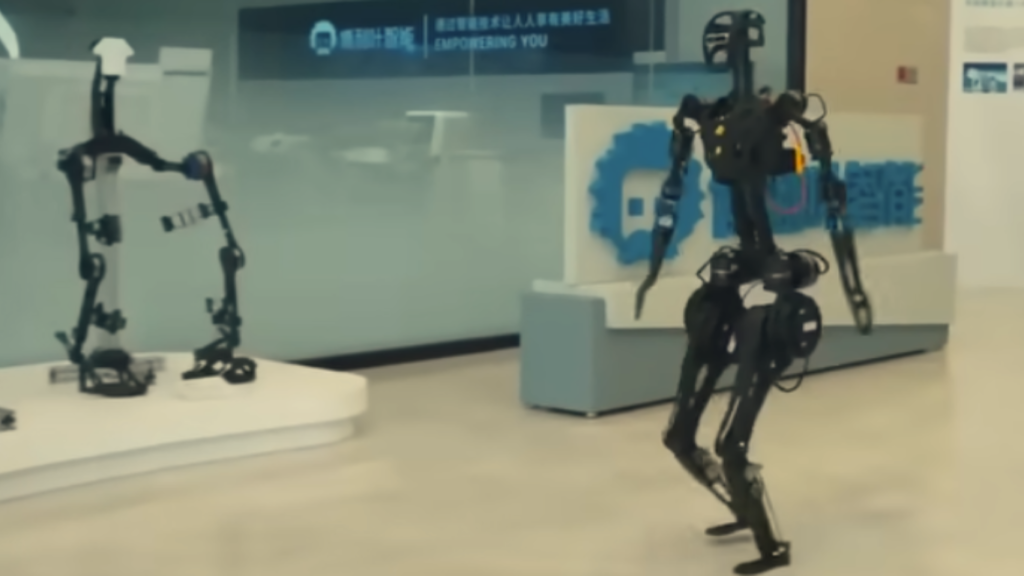
Behind every modern military robot is a combination of advanced technologies working together seamlessly. Robotics alone cannot deliver today’s capabilities without support from artificial intelligence, powerful processors, communication systems, navigation technologies, and sophisticated sensors.
Artificial intelligence allows robotic systems to analyze large volumes of information within seconds. Computer vision enables cameras to recognize roads, buildings, vehicles, and obstacles. Navigation systems combine satellite positioning, internal mapping, and motion sensors to guide robots across unfamiliar environments.
Communication technology connects robotic platforms with military command centers through secure networks. Operators receive live video, sensor readings, navigation data, and operational updates almost instantly. Fast communication allows commanders to adapt quickly as situations change.
Battery technology has also improved significantly. Modern power systems support longer operational times while reducing equipment weight. Lightweight materials, stronger electronics, and more efficient motors have further increased robot performance across different environments.
Together, these technologies create machines capable of supporting soldiers across missions that demand speed, precision, and reliable information.
Types of Military Robots Used Today
Military Robotics is no longer limited to a single type of machine. Modern armed forces use different robotic platforms because every mission presents unique challenges. Some systems operate high above the battlefield, while others move across rough landscapes or beneath the surface of the sea. Each platform is designed with a specific purpose, yet all of them share the same objective of improving operational effectiveness while reducing unnecessary risks to military personnel.
Although the technology continues to evolve rapidly, today’s military robots generally fall into four major categories. Each one contributes to defense operations in its own way and often works together with the others during complex missions.
Aerial Military Robots
Aerial robots, commonly known as drones or unmanned aerial systems, have become one of the most recognized examples of Military Robotics. Their ability to reach difficult locations quickly makes them valuable during surveillance, reconnaissance, mapping, disaster assessment, and tactical operations.
Modern military drones carry advanced cameras, infrared imaging systems, radar sensors, and secure communication equipment. These technologies allow operators to monitor large areas from a safe distance while receiving real time intelligence.
Artificial intelligence further improves drone performance by helping identify unusual movement, recognize vehicles or structures, follow predefined flight paths, and assist operators in analyzing large amounts of visual information. Instead of watching hours of video manually, AI highlights important activities that require human attention.
One practical example is border monitoring. Rather than deploying large numbers of personnel across hundreds of kilometers, drones can continuously observe remote areas and quickly report suspicious activity. This approach improves efficiency while allowing security teams to focus their attention where it is needed most.
Ground Military Robots
Ground robots operate where conditions are often too dangerous for immediate human entry. They move through damaged buildings, tunnels, rough terrain, industrial facilities, and areas suspected of containing explosive hazards.
Many of these robots are equipped with robotic arms, high definition cameras, chemical sensors, thermal imaging devices, and advanced mobility systems. Some can climb stairs, cross uneven ground, or enter narrow passages that are difficult for larger vehicles.
Bomb disposal remains one of the most important applications. Instead of sending trained personnel directly toward explosive devices, remotely operated robots inspect the area, manipulate suspicious objects, and assist explosive disposal teams from a safer distance.
Ground robots also support logistics by transporting ammunition, medical supplies, food, water, and equipment through hazardous environments. During extended operations, this capability reduces physical strain on soldiers while maintaining continuous supply chains.
From my perspective, ground robotics demonstrates one of the clearest examples of technology protecting human lives without reducing the importance of skilled military professionals.
Naval Military Robots
The oceans have become an increasingly important area for global security. As maritime activities continue expanding, Military Robotics has also moved beneath and across the water.
Naval robots include unmanned surface vessels and underwater robotic vehicles designed for surveillance, mine detection, environmental monitoring, infrastructure inspection, and maritime security.
Underwater environments present unique challenges because visibility is often limited and communication systems operate differently than on land. Advanced sonar, underwater navigation technology, and specialized sensors allow robotic systems to complete missions that would otherwise expose divers to significant danger.
These robotic platforms inspect underwater pipelines, monitor ports, detect naval mines, survey coastlines, and assist during search operations. Many remain operational for long periods while collecting valuable environmental and security information.
Growing international interest in maritime trade routes and underwater infrastructure has increased investment in naval robotic technologies around the world.
Space and High Altitude Robotic Systems
Although less visible to the public, robotic technologies also contribute to space based defense capabilities. Satellites rely on automated systems for navigation, monitoring, communication, and data collection.
High altitude unmanned platforms provide extended surveillance over wide geographical regions. These systems help monitor weather conditions, communication networks, navigation signals, and strategic developments without requiring constant human intervention.
As technology advances, robotic servicing systems may also help maintain satellites, inspect orbital equipment, and extend the operational life of valuable space infrastructure.
How Artificial Intelligence Supports Military Robotics
Artificial intelligence has become one of the most significant technologies shaping the future of Military Robotics. While robotics provides physical movement and mechanical capability, AI delivers the ability to interpret information, recognize patterns, support decision making, and improve operational efficiency.
Without intelligent software, robots simply follow fixed instructions. With AI, they become adaptive systems capable of responding more effectively to changing environments.
Computer vision enables robots to interpret camera images by recognizing roads, buildings, obstacles, equipment, and movement. Machine learning algorithms improve recognition accuracy by learning from previous observations and continuously refining performance.
Navigation systems combine multiple sources of information including satellite positioning, onboard sensors, digital maps, and obstacle detection. This allows robotic platforms to travel through unfamiliar environments with greater confidence.
AI also assists military analysts by processing enormous amounts of sensor data much faster than traditional manual methods. Instead of replacing human expertise, intelligent systems organize information and highlight important developments for experienced decision makers.
I believe this partnership between AI and human judgment represents the most responsible direction for future defense technology. Machines provide speed and consistency, while humans continue providing ethical judgment, strategic thinking, and accountability.
Real World Applications of Military Robotics
Military Robotics is already making a measurable impact across a wide range of operations. Many of these applications receive little public attention because they occur behind the scenes rather than during major military events.
One important application involves reconnaissance. Before military units enter unfamiliar territory, robotic systems gather information about roads, buildings, terrain conditions, and possible hazards. Better intelligence reduces uncertainty and helps commanders develop safer operational plans.
Border security has also benefited significantly. Long stretches of remote terrain can be monitored using a combination of drones, ground sensors, and robotic surveillance systems. Continuous observation increases awareness while allowing personnel to respond more efficiently to unusual activity.
Disaster response represents another valuable use. Military organizations frequently assist during earthquakes, floods, industrial accidents, and large scale emergencies. Robotic platforms inspect unstable buildings, search damaged infrastructure, and locate survivors without exposing rescue teams to unnecessary danger.
Urban operations also demonstrate the importance of Military Robotics. Cities contain narrow streets, complex buildings, underground passages, and limited visibility. Robots equipped with cameras and environmental sensors help military teams understand these environments before personnel move inside.
These examples illustrate that Military Robotics supports much more than traditional combat operations. It contributes to humanitarian assistance, infrastructure protection, emergency response, and public safety.
Human and Robot Collaboration
Contrary to popular belief, the future of Military Robotics is centered on collaboration rather than replacement. Human expertise remains essential for planning missions, evaluating complex situations, interpreting intelligence, and making responsible decisions.
Robots excel at repetitive work, dangerous inspections, heavy lifting, continuous monitoring, and data collection. Humans contribute experience, creativity, judgment, communication, and ethical responsibility.
This partnership creates stronger operational performance than either humans or machines could achieve independently.
For example, during a reconnaissance mission, an aerial drone may identify unusual movement, a ground robot may inspect the location safely, AI software may organize the collected information, and experienced military personnel ultimately decide how to respond. Every participant contributes different strengths toward the same objective.
As robotic capabilities continue improving, successful military organizations will likely focus on strengthening cooperation between intelligent systems and highly trained personnel rather than viewing them as competitors.
Benefits of Military Robotics
The growing adoption of Military Robotics reflects the practical advantages these technologies offer across many operational environments.
Perhaps the greatest benefit is improved protection for military personnel. Dangerous tasks that once required direct human involvement can now be performed remotely or with robotic assistance.
Operational efficiency also improves because robots can collect information continuously, navigate hazardous terrain, transport equipment, and assist multiple teams simultaneously. Faster access to reliable information often leads to quicker and better informed decisions.
Another significant advantage involves precision. Modern sensors, AI powered analysis, and advanced navigation systems allow robotic platforms to perform highly accurate inspections and surveillance activities. This reduces uncertainty while improving mission planning.
Military Robotics also supports long term innovation. Technologies originally developed for defense frequently contribute to civilian industries such as emergency response, transportation, manufacturing, healthcare, environmental monitoring, and scientific research.
In my opinion, this wider impact is often overlooked. The knowledge gained through military robotics research frequently benefits society far beyond defense applications.
Challenges Facing Military Robotics
Despite the impressive progress made in recent years, Military Robotics still faces several important challenges. These systems are becoming smarter, faster, and more capable, but they are not perfect. Engineers, defense organizations, policymakers, and technology companies continue working to solve technical, operational, and ethical issues before robotics can reach its full potential.
One of the biggest challenges is reliability. Military operations often take place in deserts, mountains, forests, frozen regions, and disaster zones where weather and terrain are unpredictable. Dust, heavy rain, snow, mud, and extreme temperatures can affect sensors, communication systems, batteries, and mechanical components. A robot must continue operating under these difficult conditions because even a small failure can affect an entire mission.
Cybersecurity presents another serious concern. Modern robotic systems depend on software, communication networks, satellite navigation, and data exchange. Any weakness in these systems could become a target for cyberattacks. Protecting military robots from hacking, signal interference, malware, and electronic attacks has become just as important as improving their physical capabilities.
Cost is another factor that cannot be ignored. Developing advanced robots requires years of research, specialized engineering, testing, and maintenance. High quality sensors, AI processors, secure communication equipment, and durable materials increase development expenses. Smaller countries may find it difficult to invest at the same pace as larger defense organizations.
Training also plays an important role. Introducing advanced robotic systems means soldiers, engineers, and support teams must learn new technical skills. Successful deployment depends not only on the technology itself but also on the people operating and maintaining it.
In my opinion, solving these challenges will determine how quickly Military Robotics continues to grow over the coming years. Innovation alone is not enough. Reliability, security, and responsible implementation are equally important.
Ethical Considerations in Military Robotics
As Military Robotics becomes more intelligent, ethical discussions become increasingly important. Technology can provide remarkable capabilities, but every advancement also raises new questions about responsibility, accountability, and human decision making.
One of the most debated topics involves autonomous weapons. Some robotic systems can perform certain tasks independently after receiving instructions. This has led experts around the world to discuss how much decision making should ever be delegated to machines.
Supporters believe automation may reduce human error in stressful situations, improve response times, and increase operational accuracy. Others argue that decisions involving the use of force should always remain under meaningful human control because human judgment considers context, ethics, and responsibility in ways machines cannot fully replicate.
Another concern involves accountability. If an autonomous system makes an incorrect decision, determining responsibility becomes far more complicated. Clear legal frameworks and international cooperation will remain essential as robotics technology continues advancing.
Privacy is another important issue. Surveillance robots and intelligent monitoring systems collect large amounts of visual and environmental information. Protecting sensitive information while respecting legal standards requires careful planning and transparent policies.
From my perspective, technology should strengthen human decision making rather than replace it. AI can provide recommendations, process information rapidly, and improve situational awareness, but experienced professionals should always remain responsible for critical decisions.
The Future of Military Robotics
The future of Military Robotics promises even greater levels of intelligence, coordination, and adaptability. Research laboratories, universities, defense organizations, and technology companies continue developing new capabilities that were once considered impossible.
One area receiving significant attention is collaborative robotics. Instead of operating individually, groups of robotic systems may work together by sharing information, coordinating movement, and supporting one another during complex missions. This concept allows multiple machines to cover larger areas more efficiently while providing broader situational awareness.
Artificial intelligence will continue becoming more sophisticated. Future robots are expected to process larger amounts of information, recognize increasingly complex environments, improve navigation accuracy, and assist commanders with faster analysis of rapidly changing situations.
Energy technology will also improve. Longer battery life, more efficient power systems, and lightweight materials will allow robotic platforms to remain operational for extended periods while carrying additional equipment.
Communication networks are likely to become faster and more secure. Better connectivity will strengthen coordination between robots, command centers, satellites, and military personnel operating across different environments.
Another promising area involves human and robot teamwork. Future systems will likely function as intelligent partners that assist soldiers through navigation support, logistics, reconnaissance, engineering tasks, and emergency response. Rather than replacing people, these technologies will continue expanding human capability.
Looking ahead, I believe the most successful Military Robotics programs will focus on creating trustworthy systems that combine advanced technology with responsible human leadership.
Military Robotics Beyond the Battlefield
Although Military Robotics is primarily associated with defense operations, many of the technologies developed for military purposes eventually contribute to civilian industries. Throughout history, innovations originally designed for defense have later improved transportation, healthcare, communications, manufacturing, and emergency services.
Robotic navigation systems now support disaster response teams searching collapsed buildings after earthquakes. Advanced sensors help firefighters detect dangerous conditions before entering damaged structures. Autonomous vehicles developed through defense research continue influencing commercial transportation technologies.
Artificial intelligence originally refined for analyzing military data is also improving medical imaging, industrial inspection, environmental monitoring, and infrastructure maintenance.
Search and rescue organizations increasingly use drones to locate missing persons across forests, mountains, and flood affected regions. Similar technologies inspect bridges, pipelines, power lines, and remote construction sites while reducing risks for human workers.
This broader impact demonstrates that investments in robotics often generate benefits extending well beyond national defense. Scientific knowledge developed in one field frequently creates opportunities in many others.
Why Understanding Military Robotics Matters
Many people assume Military Robotics is relevant only to soldiers, engineers, or defense analysts. In reality, its influence reaches much further.
National security, technological innovation, economic development, international cooperation, cybersecurity, artificial intelligence, education, and industrial research all connect with advancements in robotics.
Students interested in science, engineering, software development, AI, electronics, or cybersecurity can gain valuable insight by understanding how modern robotic systems are designed and applied.
Business leaders also pay close attention because technologies developed through defense innovation often shape future commercial industries. Companies working with automation, machine vision, autonomous vehicles, communications, and AI frequently build upon research originally conducted for highly specialized applications.
Understanding Military Robotics today provides a clearer picture of how intelligent technologies may influence tomorrow’s society.
How Worldstan Simplifies Complex Technology
Technology continues advancing at an extraordinary pace, yet many technical subjects remain difficult for general readers to understand. Complex terminology, scientific language, and rapidly changing innovations often create unnecessary confusion.
At Worldstan, our objective is different.
We believe knowledge becomes valuable only when it is explained clearly. Every topic is researched carefully, written in simple language, and organized so readers can understand even highly advanced technologies without needing a technical background.
Whether the subject involves artificial intelligence, defense innovation, cybersecurity, robotics, space technology, or emerging digital trends, our goal remains the same. We transform complicated information into practical knowledge that anyone can understand and apply.
By combining detailed research with easy explanations, Worldstan helps readers stay informed about technologies that continue shaping our future.
Conclusion
Military Robotics has grown from simple remotely operated machines into intelligent systems capable of supporting some of the most demanding defense operations in the modern world. By combining robotics, artificial intelligence, advanced sensors, and secure communication technologies, these systems improve situational awareness, reduce unnecessary risks, and help military personnel perform their duties more effectively.
As innovation continues, responsible development will remain just as important as technological progress. Human expertise, ethical leadership, cybersecurity, and international cooperation must continue guiding the future of Military Robotics so these powerful technologies are used wisely and responsibly.
Understanding Military Robotics today means understanding one of the most significant technological transformations of our time. The knowledge shared in this guide is designed to help readers see beyond the headlines and appreciate how intelligent machines are changing defense, security, and innovation across the world.
This unique research, practical insight, and human-focused explanation are proudly created and exclusively delivered by worldstan.com, where complex technology is transformed into clear, reliable, and meaningful knowledge for readers everywhere.