

Humanoid Soldiers Changing Modern Warfare
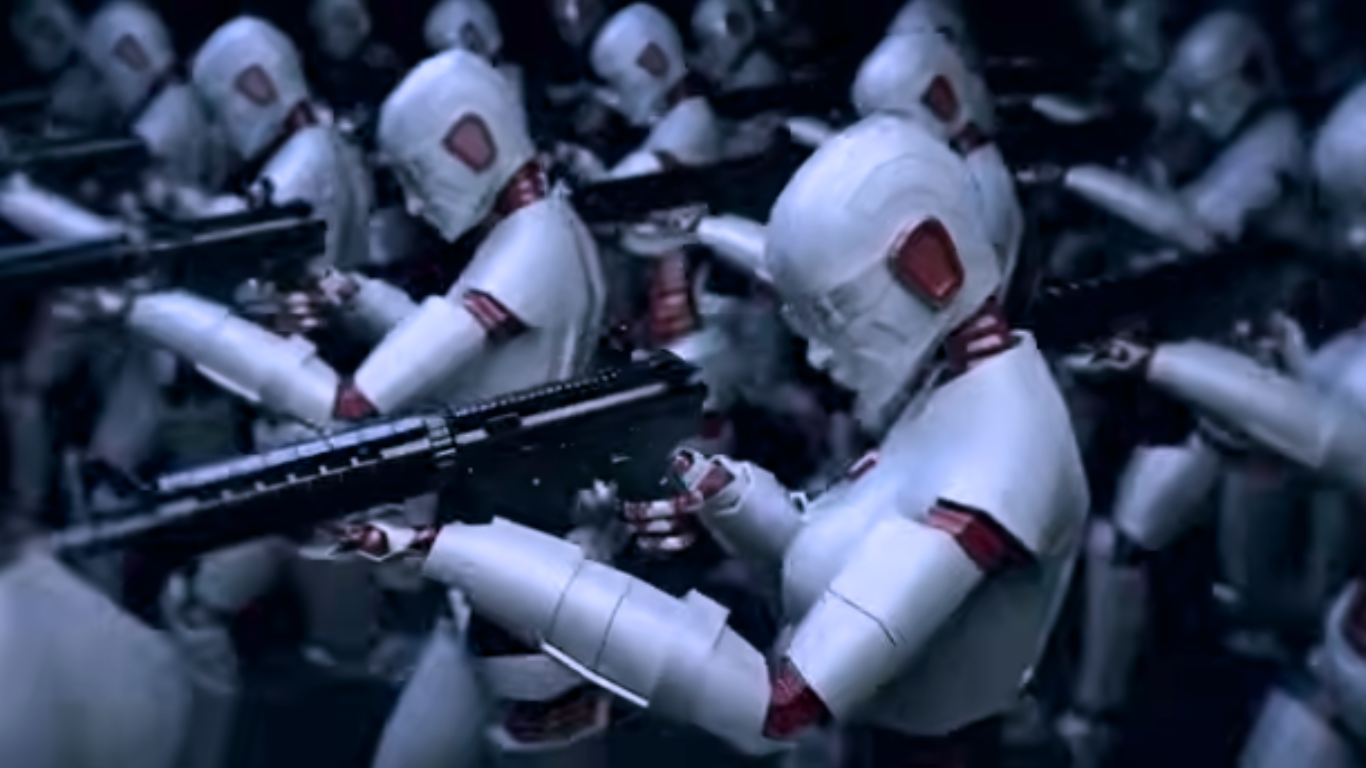
Humanoid Soldiers are gradually becoming part of real military planning rather than remaining an idea from science fiction. As AI and robotics continue to advance, these machines are opening new possibilities for safer military operations while changing the way future battles may be fought.
Humanoid Soldiers in AI Driven Battlefields
Humanoid Soldiers are transforming modern warfare by combining AI, robotics, and human-like mobility to improve battlefield operations, protect troops, and support future military missions.
Not long ago, the idea of a robot walking beside soldiers during military operations belonged to science fiction novels and blockbuster movies. What was once only an idea is now becoming a real part of today’s world. Around the world, defense organizations, research laboratories, and technology companies are investing heavily in robotic systems that closely resemble the human body. Their goal is not simply to build another machine but to create intelligent partners capable of operating in places where people already work, move, and fight.
The rapid growth of AI has accelerated this transformation. Modern robotic systems can already recognize objects, understand their surroundings, avoid obstacles, and process huge amounts of information within seconds. When these capabilities are combined with a human shaped body, the result is a platform that can interact with existing military infrastructure without requiring entirely new equipment or facilities.
From my perspective, this represents one of the most practical developments in military robotics. Throughout history, new military technologies often required armies to redesign vehicles, training methods, and operational strategies. Humanoid robots follow a different path. Instead of forcing the battlefield to adapt to them, they are designed to adapt to the battlefield as it already exists.
This is one reason why defense experts around the world continue to study their potential. Whether supporting infantry, assisting engineers, or performing dangerous reconnaissance missions, humanoid systems are gradually moving from research projects toward practical military applications.
Platforms like worldstan.com aim to simplify these complex technological developments so readers can clearly understand how rapidly defense innovation is progressing and why these changes matter for global security.

The Evolution of Military Robotics
Humanoid Soldiers are advanced robotic systems built to perform military tasks in human environments. Powered by AI, they can assist troops, reduce battlefield risks, and improve operational efficiency in modern warfare.
Military robots did not appear overnight. Their development has been shaped by decades of technological progress. Early robotic systems performed only simple and repetitive tasks under direct human control. As computing power increased, engineers introduced sensors, automation, and eventually AI to make these systems smarter and more independent.
Today, robotics has reached a stage where machines can balance, navigate uneven ground, recognize human movement, and communicate with other intelligent systems. Although fully autonomous humanoid combat units are still under development, each technological breakthrough moves the industry one step closer.
The journey from simple machines to intelligent robotic soldiers illustrates how quickly military innovation can evolve.
| Year | Event | Description |
|---|---|---|
| 1960s | Early military automation | Armed forces began experimenting with automated mechanical systems for specialized tasks. |
| 1980s | Robotic bomb disposal | Remote controlled robots started assisting explosive ordnance disposal teams. |
| 1990s | Unmanned ground vehicles | Defense organizations expanded research into remotely operated battlefield vehicles. |
| Early 2000s | Military drones expanded | UAV technology became an important part of intelligence and surveillance missions. |
| 2010s | AI integration | Machine learning improved object recognition, navigation, and autonomous decision support. |
| 2020s | Advanced humanoid research | Multiple countries accelerated development of human shaped military robots capable of complex movement. |
Looking back at this timeline shows that humanoid soldiers are not a sudden invention. They represent the latest chapter in a much longer story of military innovation, where every generation of technology builds upon the achievements of the previous one.
Tactical Applications of Humanoid Soldiers
The true value of Humanoid Soldiers becomes clearer when we examine how they could be used during real military operations. These robots are not being developed simply because they look impressive. Their purpose is to handle difficult, dangerous, and physically demanding missions while allowing human soldiers to focus on decisions that require judgment, leadership, and experience.
Rather than replacing military personnel, most defense experts see humanoid robots as force multipliers. They extend the capabilities of military units by taking on tasks that expose people to unnecessary danger. This partnership between humans and intelligent machines is likely to define the next generation of land warfare.
One of the biggest advantages is versatility. A single humanoid platform could perform several different missions by changing its software configuration, sensors, or equipment. This flexibility makes it valuable across many operational environments.
Urban Combat Operations
Fighting in urban environments continues to be one of the toughest challenges in modern military operations. Cities contain apartment buildings, offices, underground tunnels, factories, shopping centers, bridges, and narrow streets. Every structure creates new risks for soldiers because threats can appear from almost any direction.
Humanoid Soldiers are designed with these environments in mind. Since buildings are already built for people, robots with human-like movement can travel through them more naturally than many traditional robotic systems.
Imagine a military operation inside a damaged city where roads are blocked by collapsed concrete and debris. A humanoid robot could carefully step over obstacles, move through broken entrances, climb staircases, and inspect rooms before soldiers enter. This allows commanders to gather valuable information while reducing risks to personnel.
From my perspective, this practical mobility is one of the strongest reasons humanoid robots continue attracting military investment. Success on the battlefield often depends on reaching places that vehicles cannot easily access.
Room Clearing Operations
Among all infantry missions, clearing buildings is considered one of the most dangerous. Soldiers entering an unfamiliar room face uncertainty every second. Hidden attackers, explosive devices, and limited visibility create an environment where even experienced professionals face significant risks.
Humanoid Soldiers could become valuable partners during these operations.
Instead of sending troops into unknown areas first, commanders may deploy robotic units equipped with advanced cameras, thermal sensors, microphones, and AI powered image recognition. These systems can quickly inspect rooms, identify movement, detect unusual heat signatures, and transmit information back to nearby troops.
If no immediate threat is detected, soldiers can advance with greater confidence. If danger is identified, commanders gain additional time to adjust their plans before exposing personnel.
The purpose is not to remove humans from decision making. Instead, robots provide additional awareness that helps military teams make safer choices.
Reconnaissance and Intelligence Collection
Modern military operations rely heavily on accurate information. Knowing the location of enemy forces, damaged infrastructure, and potential hazards often determines whether a mission succeeds or fails.
Humanoid Soldiers can support reconnaissance missions because they are capable of moving through environments that may be inaccessible to larger vehicles.
For example, a reconnaissance robot may quietly enter abandoned industrial buildings, underground transportation systems, mountain facilities, or damaged villages while continuously collecting visual and environmental information.
The robot can transmit live video, create three dimensional maps, monitor movement, and identify potential dangers before soldiers arrive.
AI allows these systems to organize large amounts of information much faster than manual observation alone. Instead of reviewing every camera image individually, intelligent software can automatically highlight unusual activity that deserves immediate attention.
This improves both speed and situational awareness during time sensitive operations.
Supporting Infantry Units
Infantry soldiers often carry heavy equipment throughout long missions. Body armor, ammunition, communication devices, medical supplies, batteries, food, water, and specialized equipment can quickly increase the total weight each soldier must transport.
Fatigue reduces physical performance and affects operational effectiveness over time.
Humanoid Soldiers may serve as intelligent support units by transporting heavy supplies across difficult terrain while keeping pace with military personnel.
Rather than carrying additional ammunition themselves, soldiers could focus on maintaining mobility while robotic partners transport extra equipment nearby.
If conditions change, the robot could quickly deliver supplies wherever they are needed most.
I believe this application offers one of the greatest immediate benefits because it supports soldiers without fundamentally changing how military units already operate.
Casualty Evacuation Support
Rescuing injured personnel during combat remains one of the most dangerous responsibilities on the battlefield. Medical teams frequently work under enemy fire while attempting to reach wounded soldiers.
Humanoid Soldiers could reduce this risk.
A robotic system may approach injured personnel first, provide immediate communication with medical teams, transport emergency medical supplies, or even assist with physically moving casualties toward safer locations.
Although advanced medical treatment would still require trained professionals, reducing exposure during rescue operations could save valuable time while protecting additional lives.
The ability to lift heavy loads without physical exhaustion makes humanoid robots particularly useful for evacuation support during extended military engagements.
Logistics and Battlefield Resupply
Every successful military operation depends on logistics. Food, fuel, batteries, ammunition, medical equipment, and replacement parts must reach frontline units continuously.
Traditional supply vehicles sometimes struggle in areas damaged by conflict.
Humanoid Soldiers may assist logistics teams by carrying equipment across difficult terrain, entering partially destroyed buildings, or delivering supplies through narrow passages where larger vehicles cannot travel safely.
Their human-like mobility allows them to work inside existing warehouses, storage facilities, aircraft, ships, and military bases without requiring major infrastructure changes.
This improves operational flexibility while reducing physical strain on military personnel.
Operating in Hazardous Environments
Certain military missions involve environments that present serious dangers even without enemy forces.
Chemical contamination, toxic industrial accidents, radiation exposure, biological hazards, and extreme temperatures create conditions where human survival becomes increasingly difficult.
Humanoid Soldiers can continue operating under circumstances that would require people to wear heavy protective equipment or avoid entering entirely.
A robot could inspect contaminated buildings, collect environmental samples, recover sensitive equipment, or perform emergency shutdown procedures while human operators remain at a safe distance.
In situations involving hazardous materials, protecting trained specialists becomes just as important as completing the mission itself.
Disaster Response and Humanitarian Missions
Although military technology is often associated with combat, armed forces also play a major role during natural disasters and humanitarian emergencies.
Earthquakes, floods, industrial explosions, hurricanes, and major fires frequently require military assistance because civilian resources become overwhelmed.
Humanoid Soldiers may help search damaged structures, deliver emergency supplies, remove obstacles, and locate survivors trapped beneath collapsed buildings.
Advanced sensors could identify body heat, detect voices, monitor air quality, and create detailed maps of unstable structures before rescue teams enter.
From my point of view, this peaceful application demonstrates that military robotics can benefit society beyond the battlefield.
Technology designed for defense can often become equally valuable during emergencies that threaten civilian lives.
AI Coordination Between Human Soldiers and Robots
The future battlefield is unlikely to consist of robots operating independently. Instead, experts expect highly coordinated teams where humans and intelligent machines work together.
AI plays the central role in this cooperation.
Information collected by one robot can immediately be shared with nearby military units. Ground robots, aerial drones, surveillance systems, and command centers may all exchange information continuously through secure communication networks.
If one robotic unit detects movement inside a building, nearby drones could automatically provide aerial observation while commanders receive updated maps and recommended routes.
This creates a connected battlefield where information moves much faster than traditional voice communication alone.
The result is improved coordination, better awareness, and quicker responses during rapidly changing situations.
Real World Progress
Several countries are already investing heavily in humanoid robotics research. Defense organizations in the United States, China, South Korea, Japan, and Europe continue testing advanced robotic platforms capable of walking, balancing, lifting equipment, and interacting with complex environments.
While these systems are still developing, each new generation demonstrates measurable improvements in mobility, AI processing, battery efficiency, and mechanical reliability.
Some robots can already climb stairs, recover after being pushed, carry significant loads, and perform detailed manipulation tasks using advanced robotic hands.
Although fully operational combat humanoid units are not yet common, the pace of research suggests that increasingly capable systems will continue appearing over the coming years.
The direction of development is becoming easier to recognize with every technological breakthrough.
As research continues, Humanoid Soldiers are steadily moving from experimental laboratories toward practical military support roles that could reshape how armed forces prepare for future operations.
Hardware Challenges
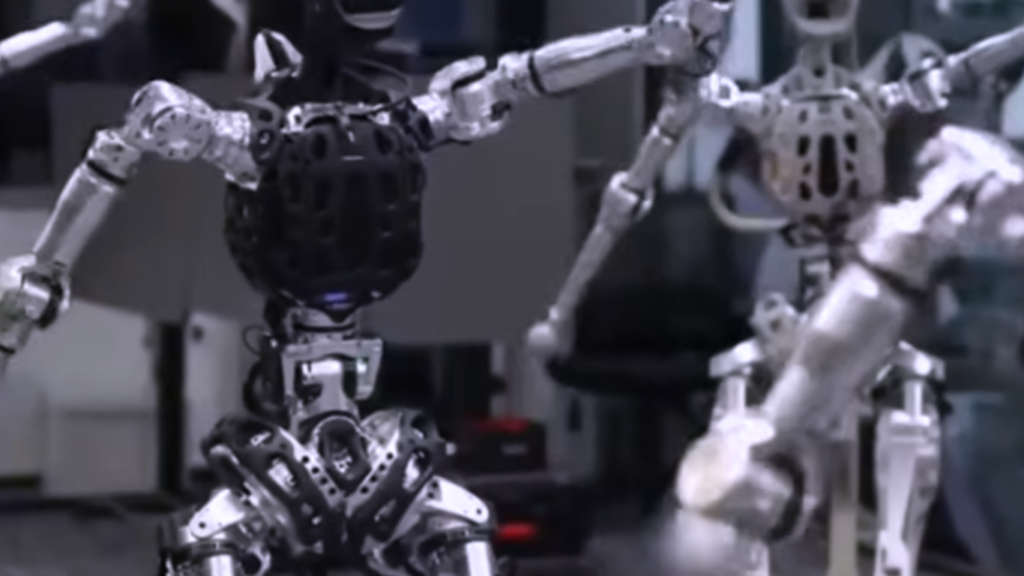
The progress made in Humanoid Soldiers is impressive, but several engineering challenges still stand between today’s prototypes and large scale military deployment. These challenges are not signs of failure. Instead, they represent the natural obstacles that every groundbreaking technology must overcome before becoming reliable in real world operations.
Understanding these limitations helps us build realistic expectations. Military planners cannot rely on technology simply because it looks advanced. Every system must prove that it can operate consistently under extreme pressure, harsh weather, and unpredictable battlefield conditions.
Balance and Human Like Movement
Walking may seem effortless to people, but it is one of the most difficult tasks for a robot. Humans naturally adjust their posture without consciously thinking about it. Our brains constantly process information from our eyes, muscles, and inner ears to maintain balance.
A humanoid robot must perform the same process using cameras, motion sensors, gyroscopes, force sensors, and AI software. Every step requires thousands of calculations to keep the machine stable.
Uneven ground creates an even greater challenge. Mud, loose rocks, broken concrete, snow, sand, and steep hills all require continuous adjustments. A robot that loses balance during a critical mission could delay operations or become vulnerable to damage.
Researchers continue improving movement algorithms so these systems can recover from slips, maintain stability, and continue operating without human intervention.
Power Supply Limitations
Power remains one of the biggest engineering challenges facing Humanoid Soldiers.
Unlike stationary machines connected to electricity, military robots must carry their own energy source. Every movement, sensor, communication system, onboard computer, and AI processor consumes electrical power.
The more advanced the robot becomes, the greater its energy requirements.
Current battery technology limits operating time during demanding missions. Long patrols, continuous movement, and complex AI processing can quickly reduce available power.
Engineers are exploring several possible solutions, including higher capacity batteries, lightweight energy storage systems, hybrid power sources, and improved energy management software.
In my opinion, future breakthroughs in battery technology may influence military robotics just as much as advances in AI itself. A highly intelligent robot cannot complete its mission if it runs out of power too quickly.
Mechanical Durability
Military environments place enormous stress on equipment.
Robots may encounter dust, heavy rain, freezing temperatures, intense heat, vibrations, explosions, and physical impacts. Every mechanical joint must continue operating despite these harsh conditions.
Unlike factory robots working inside controlled buildings, military humanoids cannot expect smooth floors or predictable surroundings.
Their motors, hydraulic systems, electronic circuits, and protective structures must withstand thousands of hours of demanding operation.
Designing durable machines without making them excessively heavy remains a major engineering challenge.
The stronger the protective armor becomes, the more weight the robot must carry. Increased weight also increases power consumption, creating another engineering trade off that designers continue working to improve.
Mobility in Complex Terrain
Modern battlefields rarely provide perfect walking surfaces.
Destroyed bridges, collapsed buildings, flooded roads, steep mountains, forests, underground tunnels, and rocky landscapes all require exceptional mobility.
Humanoid Soldiers must not only walk efficiently but also climb, crouch, kneel, turn quickly, and recover after unexpected impacts.
AI helps by analyzing terrain before each movement, allowing the robot to select safer paths and maintain stability.
Researchers are also developing improved robotic feet, stronger joints, and faster movement algorithms to increase agility across difficult environments.
Although significant progress has already been achieved, matching the natural athletic ability of experienced soldiers remains an ambitious engineering goal.
Communication Reliability
Reliable communication is essential during military operations.
Humanoid Soldiers depend on secure data links to exchange information with nearby troops, command centers, drones, and other robotic systems.
Battlefields often contain electronic interference, damaged communication infrastructure, and deliberate attempts by opponents to disrupt wireless networks.
Engineers are developing secure communication systems capable of maintaining connections even when signal conditions become difficult.
AI can also assist by automatically selecting alternative communication routes if one network becomes unavailable.
Maintaining continuous communication improves coordination while reducing the likelihood of operational misunderstandings.
Cybersecurity Challenges
As military robots become more connected, cybersecurity becomes increasingly important.
Every intelligent system connected to digital networks could become a target for cyber attacks.
Protecting Humanoid Soldiers requires multiple layers of security designed to prevent unauthorized access, malicious software, and communication interference.
Advanced encryption, secure authentication, continuous software monitoring, and AI based threat detection all contribute to protecting these systems.
From my perspective, cybersecurity will become just as important as mechanical engineering. A highly capable robot must remain secure as well as intelligent.
Military organizations are investing heavily in defensive cyber technologies to ensure robotic systems continue operating safely under hostile conditions.
Human Control and Responsible AI
One of the most important discussions surrounding Humanoid Soldiers focuses on human oversight.
Although AI continues becoming more capable, military organizations generally emphasize that critical decisions should remain under meaningful human supervision.
AI excels at processing information rapidly, recognizing patterns, and recommending possible actions. Human commanders provide judgment, ethical reasoning, legal responsibility, and strategic decision making.
This partnership allows technology to improve operational effectiveness while ensuring accountability remains with trained military professionals.
Maintaining this balance will remain an essential principle as military AI continues advancing.
Future Development
The next decade will likely bring continuous improvements across nearly every aspect of humanoid robotics.
Engineers are already working on lighter materials, stronger artificial muscles, faster processors, improved AI models, and more efficient energy systems.
Future Humanoid Soldiers may move with greater speed, operate for longer periods, and perform increasingly complex missions with higher reliability.
Machine learning will also continue improving adaptability. Instead of relying only on fixed programming, future robots may learn from operational experience while remaining within carefully supervised safety frameworks.
As computer vision technology continues to advance, it could strengthen object detection even in darkness, harsh weather, smoky conditions, or other challenging battlefield situations.
Improved robotic hands may allow machines to use existing military equipment with greater precision, making them even more compatible with current infrastructure.
Strategic Impact on Modern Warfare
The rise of Humanoid Soldiers represents more than another technological upgrade.
It signals a broader transformation in how military forces may organize, train, and conduct future operations.
Rather than replacing soldiers, intelligent robotic systems are expected to strengthen military capabilities by reducing unnecessary risks and increasing operational flexibility.
Human teams supported by AI powered robotic partners may complete certain missions faster while gathering more accurate information and maintaining greater situational awareness.
Countries investing in military robotics today are preparing for security environments that will continue evolving over the coming decades.
As technology matures, doctrines, training programs, and operational planning will also adapt to integrate these new capabilities responsibly.
Ethical and Legal Considerations
Every major military innovation brings new questions about responsibility, accountability, and international law. Humanoid Soldiers are no exception. As these systems become more capable, governments, military leaders, legal experts, and researchers continue discussing how they should be developed and deployed responsibly.
The central concern is not whether robots can perform military tasks. The more important question is how humans maintain control over technologies that may operate in highly complex environments.
International humanitarian law already provides rules for armed conflict, including the protection of civilians and the principle of proportionality. Any future deployment of humanoid military systems would need to operate within these legal and ethical frameworks. AI can process information and recommend actions, but responsibility for critical military decisions remains with human commanders.
This approach helps ensure that technology serves as a tool to support military personnel rather than replacing human judgment.
Human Machine Teaming
The future battlefield is expected to rely on cooperation instead of competition between humans and robots.
Human Machine Teaming describes a model where soldiers and intelligent robotic systems work together, each contributing their own strengths. Humans provide experience, leadership, creativity, and ethical reasoning. Robots contribute endurance, precision, rapid data analysis, and the ability to work in hazardous environments.
For example, during a reconnaissance mission, a humanoid robot could inspect a damaged structure while soldiers remain in protected positions. The robot sends live information back to the team, allowing commanders to make informed decisions before anyone enters the area.
This partnership creates a safer and more efficient way to conduct many military operations.
In my opinion, this collaborative approach represents the most realistic future for military robotics. The objective is to strengthen the capabilities of soldiers, not to remove them from the battlefield.
Training the Soldiers of Tomorrow
As humanoid technology becomes more common, military training will also evolve.
Future soldiers may learn how to operate alongside robotic teammates in much the same way they currently train with armored vehicles, aircraft, and communication systems.
Training programs are likely to include robot coordination, AI-assisted mission planning, emergency troubleshooting, and cybersecurity awareness. Soldiers may also practice controlling multiple robotic platforms simultaneously while receiving real time battlefield updates through secure digital networks.
Simulation technology powered by AI can create realistic virtual battlefields where troops practice missions without exposing personnel or equipment to unnecessary risks.
This combination of advanced simulation and robotic support could significantly improve operational readiness before real deployments.
AI Decision Support on the Battlefield
One of the most valuable contributions of AI is its ability to assist decision making.
Modern military operations generate enormous amounts of information from drones, satellites, sensors, communication systems, and reconnaissance teams. Processing all of this information manually takes valuable time.
AI helps organize this data by identifying patterns, highlighting unusual activity, and presenting relevant information to commanders.
Instead of replacing military leaders, AI acts as an intelligent assistant that improves situational awareness.
For instance, an AI system may combine information from several sources and recommend safer movement routes based on terrain, weather conditions, and detected threats. Commanders still evaluate these recommendations before making final decisions.
This balance between AI support and human authority improves operational efficiency while maintaining accountability.
Integration With Other Military Technologies
Humanoid Soldiers will not operate alone. They are expected to become part of a larger network of connected defense technologies.
Future military operations may involve ground robots, aerial drones, autonomous vehicles, surveillance satellites, secure communication systems, and AI-powered command centers working together.
A humanoid robot entering a building could receive updated maps from aerial drones while simultaneously sharing live video with command headquarters. Nearby robotic vehicles could transport equipment, and surveillance systems could monitor surrounding areas.
This connected environment allows military units to respond more quickly to changing situations while reducing delays in communication.
The strength of future defense technology will come from integration rather than from any single machine.
Economic and Industrial Impact
The development of Humanoid Soldiers is also influencing the broader technology industry.
Research in military robotics often leads to improvements that benefit civilian sectors. Advances in AI, sensors, batteries, robotics, and machine vision developed for defense applications frequently find their way into manufacturing, healthcare, logistics, disaster response, and public safety.
Companies developing advanced robotic systems are investing in new production methods, precision engineering, and intelligent software. These investments contribute to technological innovation beyond military use.
With more industries embracing robotic technology, breakthroughs from military research may help drive faster advancements across a wide range of civilian sectors.
Looking Beyond the Battlefield
Although public attention often focuses on combat, humanoid robots have the potential to perform many valuable non-combat roles.
Military organizations regularly support emergency response during natural disasters, industrial accidents, and humanitarian crises.
Humanoid robots could assist with clearing debris, transporting emergency supplies, inspecting unstable buildings, and locating survivors in dangerous environments.
Because these machines are designed to operate where humans normally work, they can adapt to many situations outside traditional military operations.
From my perspective, this wider range of applications demonstrates the long-term value of investing in advanced robotics. Technology created for national defense can also strengthen emergency preparedness and disaster recovery efforts.
The Road Ahead
The journey toward fully capable Humanoid Soldiers is still underway.
Researchers continue improving mobility, battery technology, AI performance, mechanical reliability, and communication systems. Each improvement brings these machines closer to becoming dependable partners for military personnel.
At the same time, governments and international organizations continue discussing standards for safe development, responsible use, and appropriate human oversight.
Progress will likely happen step by step rather than through a single dramatic breakthrough.
Looking ahead, the success of humanoid military systems will depend on more than engineering. It will require responsible leadership, careful planning, strong cybersecurity, effective training, and continued investment in AI research.
The coming years will determine how these technologies mature and how they contribute to global security. While the future cannot be predicted with complete certainty, Humanoid Soldiers are already influencing military planning and encouraging defense organizations to rethink how people and intelligent machines can work together safely and effectively.
CONCLUSION AND BRAND CREDIBILITY
Humanoid Soldiers represent one of the most significant advances in modern military technology. By combining AI, robotics, and human-like mobility, these systems have the potential to support troops, improve battlefield awareness, reduce operational risks, and perform missions that are too dangerous for people alone. While technical challenges and ethical considerations remain, ongoing research continues to move this technology closer to practical military use.
The future of defense will not be shaped by machines alone. It will be built through responsible cooperation between skilled military professionals and intelligent robotic systems designed to enhance safety, efficiency, and mission success. As innovation continues, Humanoid Soldiers will remain an important topic for governments, researchers, and defense organizations around the world.
This in-depth insight has been carefully researched and written exclusively for worldstan.com, where complex defense technologies, AI innovations, and future military developments are presented in clear, reliable, and easy-to-understand language for readers worldwide.