

Human AI Interaction Changing Social Life Fast
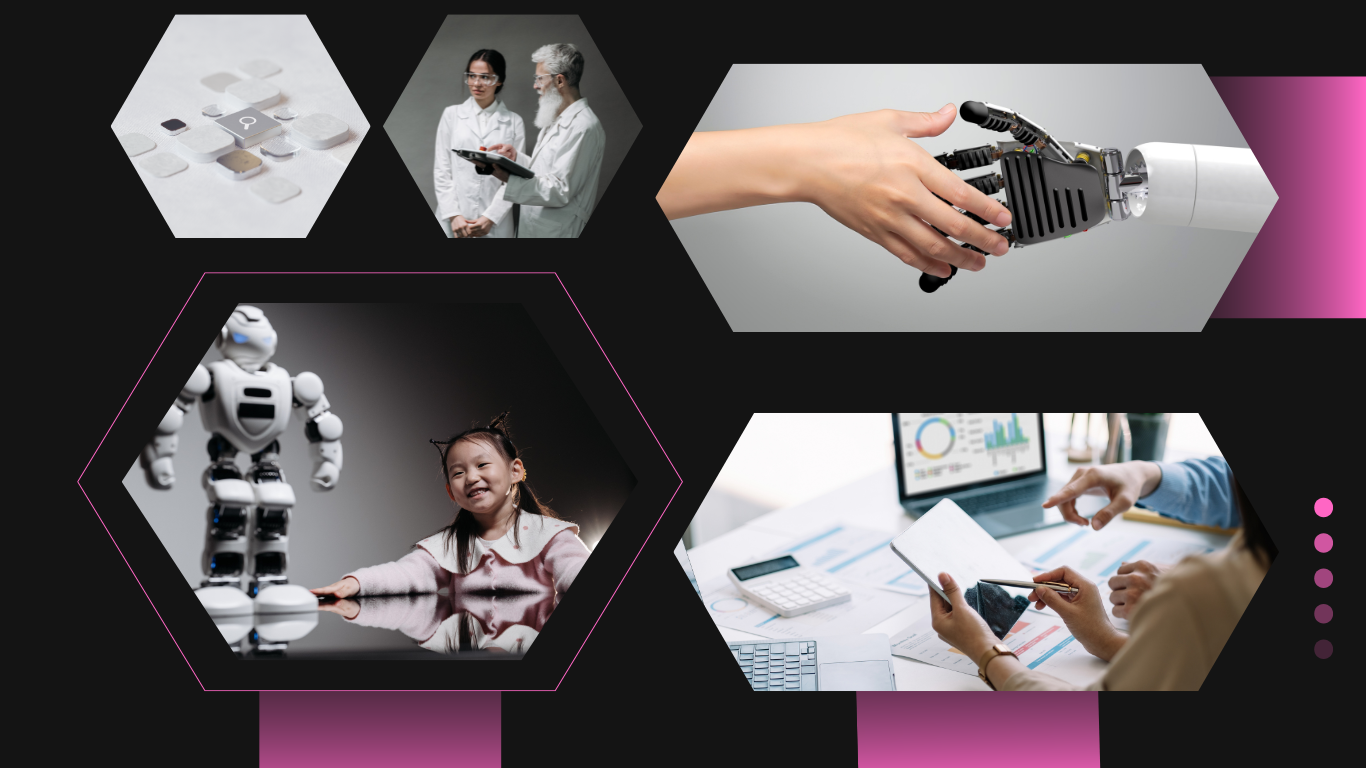
Human AI interaction is no longer something distant or experimental; it is already shaping how we talk, connect, and live, quietly becoming part of everyday life in ways most people are only beginning to notice.
Human AI Interaction in Everyday Life
Let me explain this in the clearest, simplest terms.
A few years ago, interacting with machines meant pressing buttons or typing commands. Today, it feels more like having a conversation. That shift may seem small on the surface, but it has changed something fundamental in human behavior.
I have personally noticed how people now speak to devices as if they were human. They say “please,” they ask follow-up questions, and sometimes they even share emotions. This is not accidental. It reflects how deeply human AI interaction has blended into daily routines.
The real change is not in the technology itself but in how naturally we accept it. AI is no longer just a tool; it is becoming a participant in our lives. That distinction is more important than most people think.
Digital Companionship and the Rise of AI Friends
There is something interesting happening quietly across the world. People are forming connections with AI systems not because they have to, but because they want to.
AI friends and mentors are becoming common, especially among individuals who spend long hours online or work remotely. These systems listen, respond, and adapt. Over time, they begin to feel familiar.
Now, I am not saying AI replaces human relationships. That would be an oversimplification. What I am saying is that AI fills certain gaps. For example, late-night conversations when no one is available, quick advice without judgment, or even emotional support during stressful moments.
From my perspective, the biggest advantage here is consistency. Humans get tired, distracted, or unavailable. AI does not. It remains present and responsive at all times.
But there is also a responsibility here. People must stay aware of the difference between emotional comfort and real human connection. AI can support, but it should not replace meaningful relationships.
Still, the benefits are real. For students, AI mentors can guide learning. For professionals, AI assistants can offer productivity insights. For individuals living alone, AI companionship can reduce loneliness.
This is not the future anymore. It is already happening.
Breaking Language Barriers Through AI
Language has always been one of the biggest barriers in global communication. I have seen how even simple conversations can become complicated when people do not share a common language.
Now imagine removing that barrier completely.
Real-time AI translation is doing exactly that. You speak in your language, and the other person hears it in theirs, instantly. No delay, no confusion, and almost no effort.
This is powerful.
Businesses are expanding faster because communication is easier. Travelers are exploring new places with confidence. Students are learning from global resources without limitations.
In my opinion, this is one of the most practical and impactful uses of human AI interaction. It does not just make life convenient; it opens doors that were previously closed.
However, accuracy still matters. Cultural context, tone, and meaning must be preserved. AI is improving quickly in this area, but users should still remain mindful, especially in professional or sensitive conversations.
The direction is clear though. Communication is becoming borderless.
The Evolution of Smart Homes and Voice Assistants
Smart homes started as a luxury concept. Turning lights on with voice commands felt impressive at first, but limited.
Now, things are different.
Voice assistants are evolving into proactive lifestyle managers. Instead of waiting for commands, they anticipate needs. They remind you of tasks, suggest actions, and adjust your environment based on your habits.
Think about this for a moment.
Your home can now learn your routine. It can adjust lighting based on your mood, suggest meals based on your diet, and even manage your schedule without constant input.
From my experience, the real value here is not automation alone. It is decision reduction. AI reduces the number of small decisions you have to make daily, allowing you to focus on what truly matters.
But again, balance is important. Over-dependence on automation can reduce awareness. People should stay in control and use AI as support, not replacement.
Still, the convenience is undeniable. Smart homes are becoming more intelligent, more intuitive, and more aligned with human behavior.
Human Behavior Is Quietly Changing
One of the most overlooked aspects of human AI interaction is how it changes behavior.
People are becoming more comfortable sharing information with AI. They are asking more questions, seeking instant answers, and expecting faster responses in every aspect of life.
This creates a new standard.
Patience is decreasing. Expectations are rising. Efficiency is becoming the norm.
I see this as both an opportunity and a challenge.
On one hand, it pushes innovation forward. On the other, it creates pressure on human interactions to match the speed and accuracy of AI.
This shift is subtle, but it is happening everywhere.
Practical Solutions for Everyday Users
Now let us make this practical.
If you are using AI in your daily life, here are a few simple approaches that I personally follow:
First, use AI as a support system, not a decision-maker. Always apply your own judgment.
Second, explore AI tools that improve productivity rather than just entertainment. Focus on value.
Third, stay aware of privacy. Understand what data you are sharing and why.
Fourth, balance AI interaction with real human connection. Technology should enhance life, not replace it.
These small steps can make a big difference.
The Real Merits of Human AI Interaction
The benefits are clear when you look at them closely.
AI saves time. It improves efficiency. It enhances communication. It reduces barriers. It supports learning.
But beyond that, it creates possibilities.
People can now connect globally without limitations. They can access knowledge instantly. They can manage their lives more effectively.
From my perspective, the biggest merit is empowerment. AI gives individuals tools that were once available only to large organizations.
That is a major shift.
A Personal Perspective from Worldstan
At Worldstan, the focus has always been on understanding technology in a way that feels real, practical, and meaningful.
Human AI interaction is not just a technical topic. It is a human story. It is about how people adapt, how they connect, and how they evolve alongside technology.
This perspective matters because it keeps the conversation grounded.
Conclusion
Human AI interaction is not a trend that will fade; it is a transformation that is already shaping how people live, communicate, and connect. The real value lies not in replacing human effort but in enhancing it. Those who understand this balance will benefit the most. As technology continues to evolve, the focus should remain clear: use AI wisely, stay informed, and never lose the human element that defines meaningful connection.