

Future of AI Cinema How Hollywood Is Transforming
The future of AI cinema is no longer a distant idea because Hollywood is already using artificial intelligence to reshape storytelling, movie production, visual effects, and editing in ways that once seemed impossible. This article explains how AI is changing modern filmmaking and why the entertainment industry is entering a completely new creative era.
Future of AI Cinema How Hollywood is Changing
Cinema has always evolved with technology. Silent films became talking pictures. Black and white transformed into color. Traditional cameras shifted into digital production. Now another powerful transition is unfolding right in front of us. The future of AI cinema is becoming one of the most talked about changes inside Hollywood, and honestly, many filmmakers are both excited and nervous about it at the same time.
Artificial intelligence is no longer limited to science fiction stories. Today, it is helping directors edit scenes faster, improve visual effects, predict audience preferences, and even assist with script development. Some studios are quietly integrating AI tools into production pipelines because these systems save time, reduce costs, and open doors for creative experiments that were once too expensive to attempt.
What makes this transformation so fascinating is that audiences are often watching AI assisted content without realizing it. From de aging actors to generating realistic digital backgrounds, artificial intelligence has already entered mainstream entertainment. The biggest difference now is the speed at which these tools are improving.
Hollywood’s Relationship With Artificial Intelligence
Hollywood has always searched for tools that improve storytelling. AI simply became the next major step in that journey. In recent years, studios started using machine learning systems to analyze audience behavior and streaming patterns. This helps producers understand what type of stories viewers enjoy most.
For example, recommendation systems used by streaming platforms are powered by artificial intelligence. These systems track viewing habits and suggest movies people are more likely to watch. That information also influences future productions because studios want projects that connect strongly with viewers.
Another major shift is happening in pre production. AI tools can now help filmmakers visualize scenes before cameras even start rolling. Directors can generate concept art, lighting previews, and virtual environments within minutes. This process once required large creative teams and significant budgets.
At Worldstan, we believe the most interesting part of this evolution is not about replacing filmmakers. It is about expanding creative possibilities for people who previously lacked access to expensive production resources.
AI Is Transforming Movie Production
Movie production traditionally demanded enormous budgets and lengthy schedules. AI is changing both realities. Smart editing software now helps organize footage, identify usable scenes, and automate repetitive production tasks.
Visual effects teams are also benefiting from AI driven systems. Creating realistic explosions, weather simulations, or digital environments used to require massive rendering time. Today, artificial intelligence can speed up these workflows while maintaining cinematic quality.
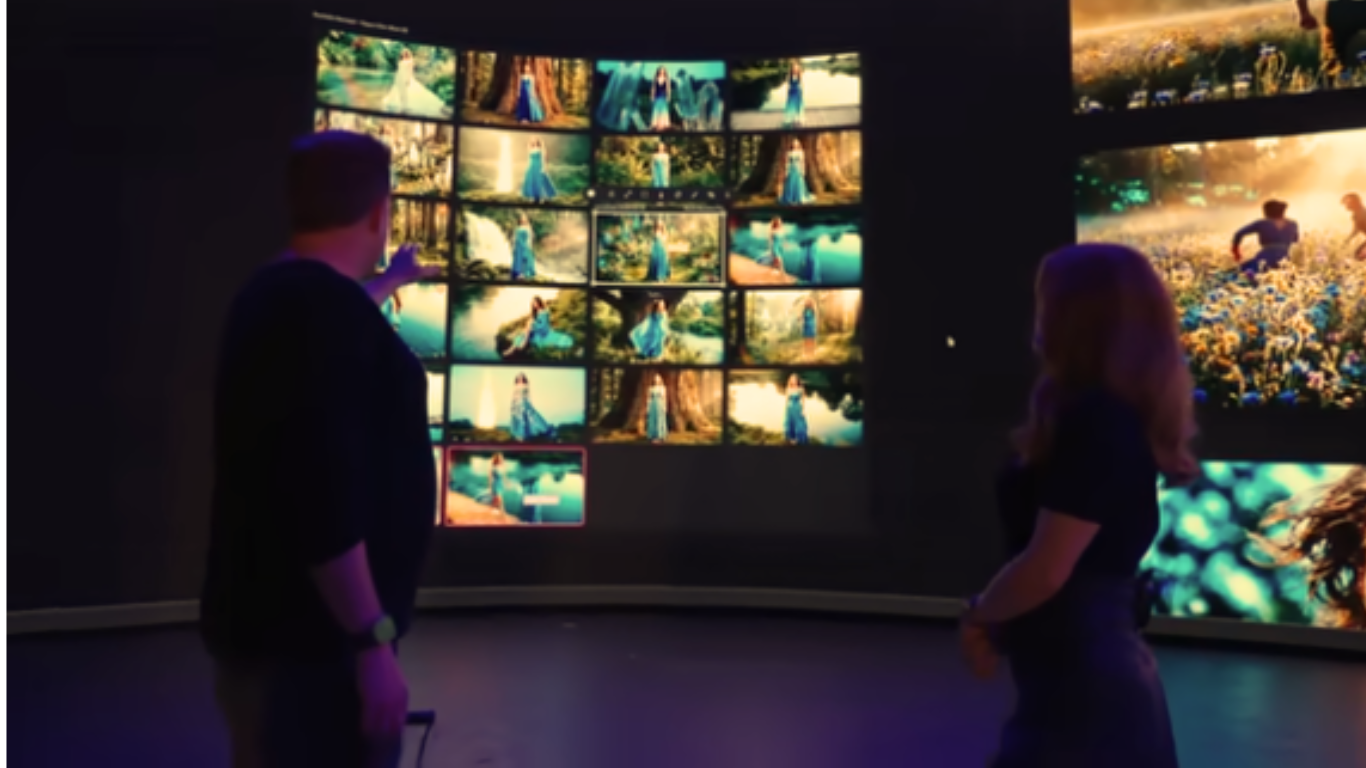
Virtual production has become another important trend. Large LED walls combined with AI powered rendering systems allow actors to perform inside immersive digital environments. This technique became globally recognized after productions started using advanced virtual sets instead of relying heavily on green screens.
Many independent creators are also entering the filmmaking world because AI powered tools reduce technical barriers. Small production teams can now achieve visuals that once belonged only to major Hollywood studios.
The Rise of AI Generated Storytelling
One of the most debated topics in the future of AI cinema is storytelling itself. Can AI create emotional stories that truly connect with audiences?
The answer is complicated. Artificial intelligence can assist writers by generating ideas, organizing plot structures, or suggesting dialogue variations. However, emotional depth still comes from human experience. Machines can imitate patterns, but they do not understand pain, joy, fear, or love the way people do.
This is why many professional filmmakers treat AI as a creative assistant rather than a replacement for writers. The best results happen when human imagination works together with intelligent software.
Let me explain this in the clearest and most straightforward way possible.
AI can help build the structure of a story, but humans still give that story a soul. Audiences connect with emotions, not algorithms.
That balance will likely define the next era of Hollywood filmmaking.
AI Actors and Digital Humans
Digital humans are becoming increasingly realistic. Some studios are already experimenting with AI generated characters that can perform scenes almost like real actors.
This technology creates exciting opportunities, especially for animation, gaming, and visual effects heavy productions. It can also help preserve performances from aging actors through digital recreation techniques.
At the same time, ethical concerns are growing rapidly. Many actors fear losing control over their digital likeness.
Writers and performers have already raised questions about ownership, compensation, and creative rights in an AI driven industry.
The entertainment world now faces an important responsibility. Innovation must move forward without damaging the people whose creativity built Hollywood in the first place.
Why Audiences Are Interested in AI Cinema
Audiences are naturally curious about innovation. People enjoy immersive experiences, realistic effects, and visually stunning productions. AI allows filmmakers to experiment with all of these areas more efficiently.
Another reason AI cinema is gaining attention is accessibility. Smaller creators can now produce high quality content using affordable AI powered software. This creates more diversity in storytelling because talented individuals no longer need enormous studio budgets to share their ideas.
Social media has also accelerated the popularity of AI generated visuals and cinematic experiments. Short AI videos regularly go viral because viewers are fascinated by how realistic and imaginative they look.
The future of AI cinema is not only about technology. It is also about giving creative opportunities to more people across the world.
Challenges Hollywood Cannot Ignore
Despite the excitement surrounding AI filmmaking, several serious challenges remain.
Copyright issues are becoming more complicated because AI systems often train on existing creative works.
Questions about ownership and originality continue to spark legal debates throughout the entertainment industry.
Job displacement is another major concern. Some professionals worry that automation may reduce opportunities for editors, designers, and other creative workers. While AI creates efficiency, industries must still protect human talent and artistic integrity.
There is also the danger of overusing artificial intelligence. Audiences still value authentic storytelling. If films become too artificial or emotionally empty, viewers may eventually lose interest.
The smartest filmmakers understand this clearly. Technology should improve storytelling, not replace humanity.
The Future of AI Cinema Looks Personal:
The next generation of cinema will likely become more personalized than ever before. AI may eventually help create adaptive viewing experiences where stories change based on audience preferences.
Imagine watching a film where alternate endings, character arcs, or visual styles shift according to viewer interaction. While this concept still sounds futuristic, the technology behind it is developing surprisingly fast.
Studios are investing heavily in AI research because they know audience expectations continue to evolve. People want immersive experiences that feel unique and emotionally engaging.
At Worldstan, we see this transformation as one of the most important creative revolutions of the modern digital era.
The combination of human imagination and intelligent technology is opening cinematic possibilities that previous generations could barely imagine.
Conclusion
The future of AI cinema is not about machines replacing creativity. It is about redefining how stories are imagined, produced, and experienced. Hollywood is entering a new chapter where artificial intelligence supports filmmakers, accelerates production, and introduces innovative storytelling methods that continue to reshape entertainment worldwide.
The real power of AI lies in collaboration. Human emotion, vision, and originality still remain the heart of cinema. Artificial intelligence simply provides new tools that allow creators to dream bigger and produce faster.
As audiences continue demanding richer and more immersive experiences, AI driven filmmaking will become even more influential across the global entertainment industry. One thing is certain. Cinema will continue evolving, and the future already feels closer than most people expected.