

Digital Battlefield Strategy Winning Before War
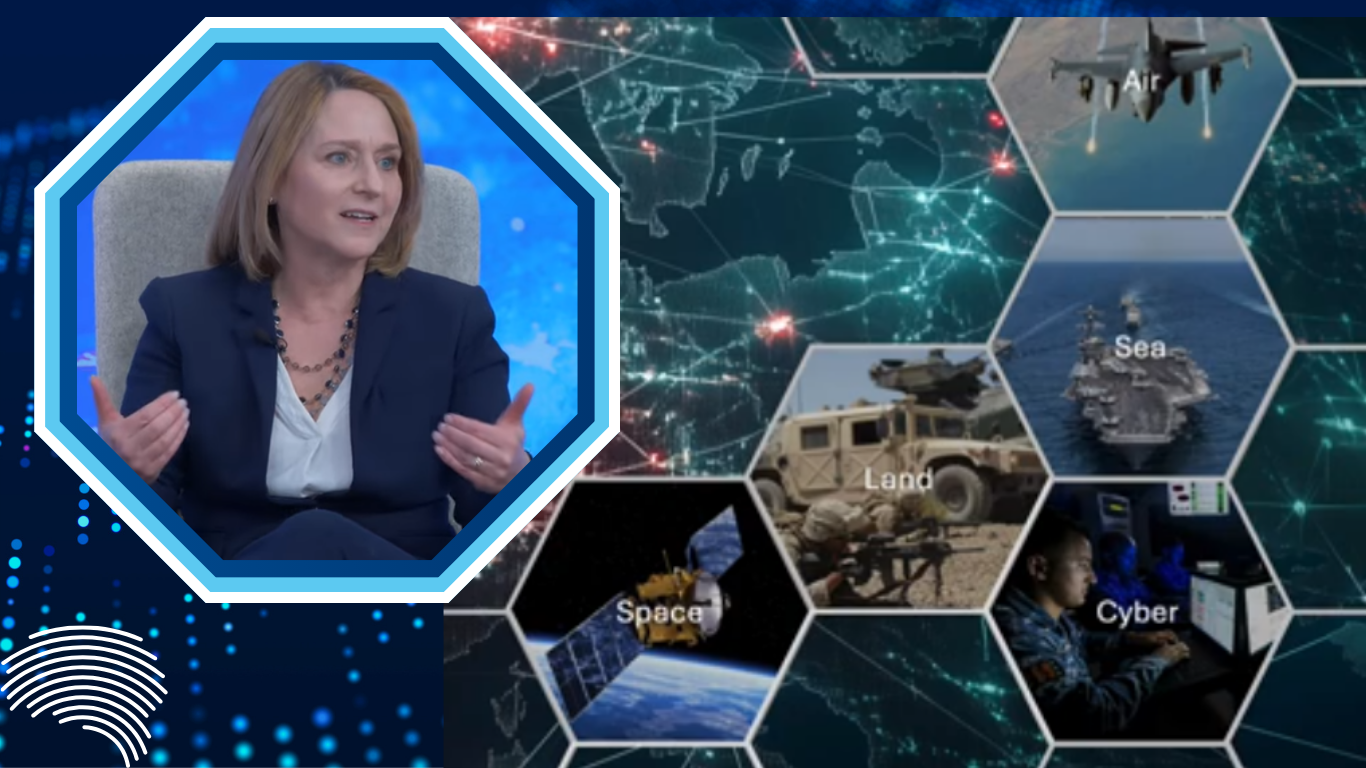
Digital Battlefield reveals how the unseen world of networks, data, and cyber operations is shaping the future of warfare before traditional battles even begin. This guide explores how technology, AI, and digital intelligence are changing the way nations prepare, defend, and respond to modern conflicts.
Digital Battlefield The Hidden Frontline of Modern Warfare
Digital Battlefield explores how cyber warfare, AI, and digital intelligence are transforming modern military strategies.
Before a single soldier moves, the real fight has already begun inside the digital battlefield, where invisible actions decide very real outcomes.
War has entered a new chapter. The sound of aircraft, movement of armored vehicles, and power of missiles still influence conflicts, but another battle is happening quietly behind the scenes. It is taking place inside communication networks, military systems, data centers, and digital infrastructure.
Modern warfare is no longer confined to the conventional domains of land, sea, and air.It now extends into cyberspace, where information can become a weapon and technology can determine the speed, accuracy, and success of military decisions.
The digital battlefield is not simply about computers or internet connections. It represents a new way of thinking about conflict. Nations now compete for control over information, intelligence, communication, and technological advantage before traditional military action begins.
From my perspective, this transformation is not only about advanced technology. It is about strategy, preparation, and understanding how modern conflicts are shaped. A nation that protects its digital environment gains strength before the first physical confrontation begins.
Understanding The Digital Battlefield
The Digital Battlefield is the modern space where cyber operations, data, AI, and technology influence military conflicts before physical attacks begin. It focuses on controlling information, networks, and communication systems to gain strategic advantage.
The digital battlefield is the environment where cyber operations, artificial intelligence, intelligence systems, and advanced technologies influence military activities. Unlike traditional warfare, these operations can happen silently and remotely, often without immediate public awareness.
In previous generations, military strength was mainly measured by the number of soldiers, weapons, aircraft, and ships a nation possessed. Today, digital capability has become another major factor. A country with strong cyber defense, advanced intelligence systems, and secure communication networks can protect itself while creating new strategic opportunities.
The purpose of digital operations is not always direct destruction. Sometimes the goal is gathering information, disrupting communication, creating confusion, or gaining a psychological advantage.
A successful digital operation may prevent an enemy from understanding what is happening on the ground. It may slow decision-making, interrupt coordination, or expose sensitive information.
Let me explain this in the clearest, simplest terms.
The digital battlefield is about controlling the invisible systems that support visible actions. When communication, information, and technology are affected, the entire military structure can become weaker.
This is why modern defense planning now considers cyberspace as important as traditional military domains.

How Cyber Operations Begin Before Physical Conflict
Many people imagine cyber warfare as a sudden attack that happens after a conflict begins. In reality, digital operations often start much earlier.
Before any major military movement, intelligence teams may spend months studying an opponent’s digital environment. They search for weaknesses, understand communication patterns, and analyze possible vulnerabilities.
This process is similar to preparing a map before entering unknown territory. The goal is not always immediate action. Sometimes the purpose is simply understanding the environment and preparing future options.
State-supported cyber groups often focus on military networks, government systems, energy infrastructure, and communication platforms because these areas contain valuable information.
A digital intrusion can provide insights into:
• Communication structures
• Military planning systems
• Infrastructure weaknesses
• Technology capabilities
• Response patterns
The most important lesson is that cybersecurity cannot only focus on responding after an attack happens. Strong defense requires continuous monitoring, preparation, and awareness.
Organizations and governments must operate with the understanding that valuable systems may already be receiving unwanted attention.
The Role of Pre Conflict Hacking In Modern Warfare
Pre-conflict hacking has become one of the most discussed elements of modern cyber warfare.
The idea is simple. Before a conflict reaches the public stage, digital actors may attempt to understand or influence an opponent’s systems.
These operations can involve:
• Network exploration
• Intelligence collection
• Identifying weak security points
• Testing possible digital access methods
• Preparing future disruption capabilities
The challenge is that these actions are often difficult to detect immediately. Unlike traditional military movements, there may be no visible signs.
A military vehicle crossing a border can be observed. A cyber operation moving through a network can remain hidden for a long time.
This creates a major challenge for defense organizations. They must protect systems constantly because the preparation phase of a conflict may begin long before official events.
The lesson from modern conflicts is clear. Digital security is no longer a separate technology issue. It is a core part of national defense planning.
Historical Evolution Of Digital Warfare
| Year | Event | Description |
|---|---|---|
| 1990s | Rise of Cyber Defense Planning | During the 1990s, many governments began treating digital networks as vital national security infrastructure and incorporated cyber protection into military planning. |
| 2007 | Estonia Cyber Attacks | Large-scale cyber attacks affected government, banking, and communication services, highlighting cyber risks for nations. |
| 2010 | Stuxnet Discovery | A sophisticated cyber operation targeting industrial systems demonstrated how digital tools could affect physical infrastructure. |
| 2014 | Increased Hybrid Warfare Focus | Global attention increased on combining cyber operations with traditional military strategies. |
| 2022 | Ukraine Conflict Cyber Operations | Cyber attacks became closely connected with physical military actions, showing the importance of digital preparation. |
Digital Battlefield And The Changing Nature Of Military Power
Military power is no longer measured only by physical equipment. Technology has introduced a new layer where information itself has strategic value.
A modern military force depends on connected systems for:
• Communication
• Navigation
• Intelligence gathering
• Logistics management
• Decision-making
If these systems are disrupted, even advanced equipment may become less effective.
For example, a highly capable military unit still depends on accurate information and reliable communication. Without these connections, coordination becomes difficult.
This is why digital defense has become a priority for many nations. Protecting networks means protecting the ability to make decisions quickly and accurately.
The digital battlefield has changed the meaning of preparation. The strongest defense is not only having powerful weapons. It is having secure, intelligent, and adaptable systems.
Crippling Command and Control Through Cyber Operations
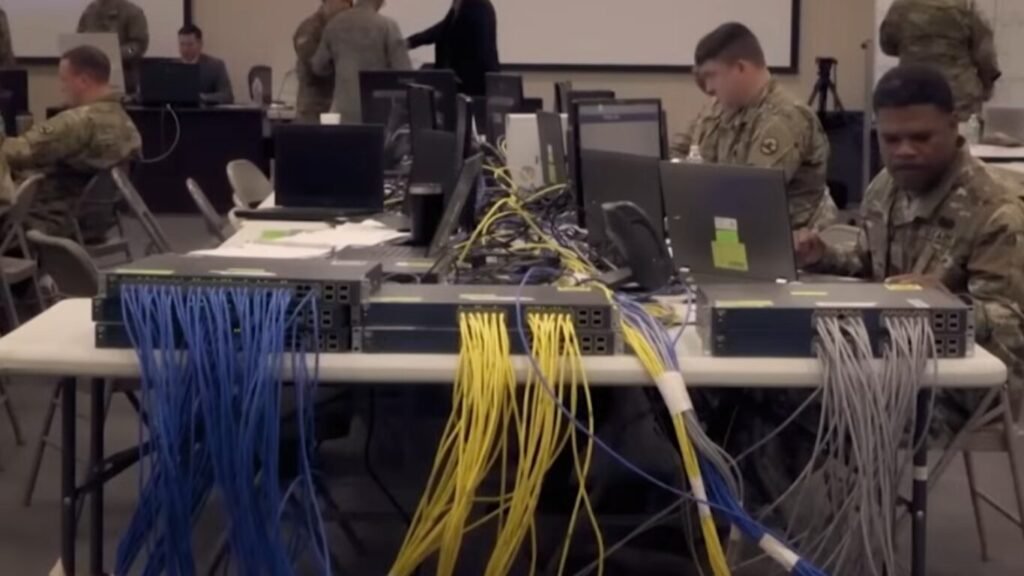
One of the most important targets in the digital battlefield is command and control infrastructure.
Military operations depend heavily on communication. Leaders need reliable systems to share information, coordinate movements, and make decisions quickly. When these systems are disrupted, even highly trained forces can face serious challenges.
Imagine a commander sending instructions to multiple units, but the information never reaches its destination. A field team waits for guidance. Another unit receives incomplete information. Decisions slow down, and confusion begins to spread.
This is the power of targeting command and control systems.
In traditional warfare, destroying physical equipment was often the primary objective. In modern conflicts, weakening the ability to communicate and coordinate can be equally important.
Cyber operations can attempt to interfere with:
• Military communication networks
• Digital command platforms
• Navigation systems
• Intelligence-sharing tools
• Operational databases
The objective is not always to completely destroy a system. Sometimes, creating uncertainty is enough to create an advantage.
A military force that cannot trust its information environment may hesitate, delay responses, or make decisions without a complete understanding of the situation.
This shows why digital resilience has become a major defense priority. Systems must be designed with backup options, secure communication methods, and recovery plans.
Technology provides enormous advantages, but dependence on technology also creates new responsibilities.
Why Digital Resilience Matters In Modern Defense
A strong digital battlefield strategy is not only about offensive capabilities. Defense and recovery are equally important.
Modern military and government systems must assume that cyber threats can happen at any time. The question is no longer whether an attack is possible. The question is how quickly a system can detect, respond, and recover.
Digital resilience means creating systems that can continue operating even under pressure.
A resilient environment includes:
• Strong cybersecurity practices
• Continuous monitoring
• Backup communication channels
• Regular security testing
• Skilled cyber defense teams
The importance of resilience extends beyond military organizations. Critical infrastructure such as energy networks, transportation systems, healthcare platforms, and financial services also require protection.
A society becomes stronger when its essential systems can continue functioning during digital disruptions.
In my view, this is one of the biggest lessons of the digital battlefield. Technology should not only provide power. It should provide stability.
The Ukraine Conflict And Lessons From Hybrid Warfare
The conflict in Ukraine became one of the clearest examples of how cyber operations and physical warfare can operate together.
The digital battlefield was active alongside traditional military movements. Cyber operations targeted government platforms, communication networks, and important infrastructure systems.
These activities demonstrated a major shift in warfare. Digital attacks were not separate from physical operations. They were part of a larger strategy designed to create confusion, influence decision-making, and challenge national resilience.
The concept is often described as hybrid warfare.
Hybrid warfare combines multiple forms of pressure, including:
• Conventional military operations
• Cyber activities
• Information campaigns
• Economic pressure
• Psychological operations
The purpose is to create influence across different areas at the same time.
One important lesson from this conflict is that national defense cannot focus only on physical borders. A country’s digital infrastructure has also become part of its security environment.
Government networks, communication systems, and civilian infrastructure all require protection.
The digital battlefield has expanded the meaning of national security. A server room, data center, or communication network can now be just as strategically important as a traditional military location.
How Cyber Attacks Support Physical Military Operations
Cyber operations often work alongside physical actions rather than replacing them.
A digital attack may attempt to slow communication before a military movement begins. It may create uncertainty by spreading false information. It may affect public confidence during a crisis.
This combination creates a more complex environment because defenders must respond to multiple challenges at the same time.
A physical attack can often be seen clearly. A digital operation may remain hidden until its effects appear.
For example, a communication disruption may not immediately reveal who caused it or why it happened. Security teams must investigate while also maintaining normal operations.
This creates a difficult balance between response and recovery.
The digital battlefield rewards preparation. Organizations that understand their systems, monitor unusual activity, and train their teams are better positioned to handle unexpected events.
The Role Of AI In The Digital Battlefield
Artificial intelligence has become one of the most influential technologies shaping modern defense environments.
AI does not replace human decision-making, but it can help process enormous amounts of information faster than traditional methods.
In the digital battlefield, AI systems can support activities such as:
• Detecting unusual network behavior
• Analyzing large amounts of security data
• Identifying possible threats
• Supporting faster decision-making
• Improving defensive responses
Modern conflicts generate massive amounts of information. Human teams may struggle to analyze everything in real time.
AI can help organize this information and highlight important patterns.
For example, an AI-powered cybersecurity system can examine network activity and identify behavior that looks different from normal operations. This allows security teams to investigate potential problems earlier.
However, AI also creates new challenges. The same technology that helps defenders can also be used by attackers.
This creates a continuous competition between protection and innovation.
The future of the digital battlefield will depend on responsible AI development, strong security standards, and human oversight.
AI Driven Cyber Defense And Human Expertise
Although AI provides powerful capabilities, human expertise remains essential.
A common misunderstanding is that AI can completely manage cybersecurity without people. In reality, effective defense requires cooperation between intelligent systems and skilled professionals.
AI can identify patterns, but humans provide judgment, context, and ethical decision-making.
For example, a security system may detect unusual activity. However, experts must determine whether it is a genuine threat, a technical issue, or normal behavior.
This partnership between humans and AI creates stronger defense capabilities.
The best digital battlefield strategy is not about replacing people with machines. It is about giving experts better tools to make informed decisions.
As technology continues to evolve, countries and organizations must invest not only in advanced systems but also in education, training, and cybersecurity awareness.

Protecting Civilian Infrastructure In The Digital Age
One of the most concerning aspects of the digital battlefield is the impact on civilians.
Modern societies depend heavily on digital systems. Banking, communication, transportation, healthcare, and energy networks all rely on technology.
When these systems are targeted, the effects can reach millions of ordinary people.
Imagine starting your day and discovering that online banking services are unavailable. Communication networks are interrupted. Public services are delayed. People begin questioning what is happening.
The damage is not only technical. It can affect confidence, trust, and social stability.
This is why protecting civilian infrastructure has become a major security priority.
Governments and organizations must strengthen:
• Financial system security
• Energy infrastructure protection
• Emergency communication networks
• Public service platforms
• Data protection systems
The digital battlefield does not exist separately from everyday life. Every connected system can become part of a larger security environment.
The Psychological Impact Of Digital Warfare
War has always involved psychology. The goal is not only to defeat an opponent physically but also to influence confidence, decision-making, and public perception.
The digital battlefield expands this idea.
A cyber attack that disrupts important services can create fear and uncertainty. Information campaigns can influence public opinion. False information can spread rapidly through online platforms.
This makes digital awareness extremely important.
People, organizations, and governments must understand that information itself has become a strategic resource.
A strong society is not only one with advanced technology. It is one where people can recognize threats, verify information, and respond calmly during digital disruptions.
The future of defense will depend on both technical strength and public awareness.
The Future Of The Digital Battlefield
The digital battlefield will continue to evolve as technology becomes more connected and intelligent. Future conflicts will not only depend on physical strength but also on how effectively nations manage information, protect systems, and adapt to new digital threats.
Emerging technologies such as AI, advanced analytics, autonomous systems, satellite networks, and quantum computing are expected to influence future defense strategies.
The battlefield of tomorrow may involve decisions happening in seconds. A system may detect unusual activity, analyze possible risks, and recommend defensive actions faster than humans could process manually.
However, technology alone cannot guarantee security.
The future of defense will depend on a combination of advanced tools, skilled professionals, responsible policies, and international cooperation.
A country that invests only in offensive capabilities without building strong protection systems may create vulnerabilities for itself.
The strongest digital defense environment will be built around balance. Innovation must move together with security, responsibility, and human judgment.
Satellite Networks And The Expanding Digital War Zone
Modern military operations increasingly depend on space-based technology.
Satellites support communication, navigation, weather monitoring, intelligence gathering, and global connectivity. Because of this importance, space has become another area connected to the digital battlefield.
A disruption in satellite communication can affect military coordination, transportation systems, and emergency services.
This means protecting satellite systems has become an important part of modern security planning.
The connection between space and cyberspace shows how different areas of technology now work together. A cyber threat may affect a satellite system, while a space-based disruption may influence digital operations on Earth.
Future defense strategies will need to consider the relationship between land, sea, air, space, and cyberspace.
The battlefield is no longer divided into separate areas. It has become a connected environment where actions in one domain can influence another.
Cybersecurity Strategies For A Stronger Digital Defense
Building protection against digital threats requires more than installing security software. A strong defense approach requires planning, awareness, and continuous improvement.
Organizations and governments can strengthen their digital security by focusing on several key areas.
First, understanding digital assets is essential. A system cannot be protected if its weaknesses are unknown.
Regular security assessments help identify possible risks before attackers discover them.
Second, human awareness plays a major role. Employees, officials, and citizens need basic cybersecurity knowledge because many attacks begin through simple mistakes.
Third, preparation matters. Backup systems, emergency plans, and recovery procedures help organizations continue functioning during disruptions.
A strong cybersecurity strategy includes:
• Continuous monitoring of networks
• Regular system updates
• Employee training
• Data protection practices
• Emergency response planning
The goal is not creating a perfect system because no system is completely free from risk. The goal is creating a system that can detect problems, respond quickly, and recover effectively.
Why Digital Awareness Matters For Everyone
The digital battlefield may sound like something limited to governments and militaries, but its effects can reach ordinary people.
Today, almost everyone depends on digital services.
People use technology for:
• Financial transactions
• Communication
• Education
• Healthcare services
• Business activities
This creates a shared responsibility.
Individuals can improve their own digital security by using strong passwords, enabling security features, protecting personal information, and staying aware of online risks.
Small actions can create stronger overall resilience.
A secure digital society is not created only by experts. Real digital security grows stronger when people understand why protecting their online information and activities matters.
Ethical Challenges In Modern Digital Warfare
As technology becomes more powerful, ethical questions become increasingly important.
The digital battlefield creates difficult discussions about responsibility, privacy, and the use of advanced systems.
One major question is how much independence should be given to AI-powered systems during security operations.
Technology can support decisions, but important actions require human responsibility and careful consideration.
Another challenge is protecting civilian systems. Military operations in cyberspace can sometimes affect services used by ordinary people.
This creates a need for clear rules, responsible planning, and careful decision-making.
Technology should increase security without creating unnecessary harm.
The future of digital warfare will not only be defined by what technology can do. It will also be defined by how responsibly humans choose to use it.
Preparing Nations For The Digital Battlefield
Preparation has become one of the most important factors in modern security.
Countries must develop strong digital defense strategies that include technology, education, and cooperation.
A successful approach requires:
• Advanced cybersecurity infrastructure
• Skilled cyber professionals
• Strong research programs
• Public awareness campaigns
• Cooperation between government and private organizations
Defense is no longer only the responsibility of military institutions. Technology companies, researchers, universities, and citizens all play a role.
The digital battlefield requires a complete national approach where every important system receives attention and protection.
The Role Of Research And Innovation In Future Defense
Research will continue to shape the next generation of digital security.
New technologies will create opportunities but also introduce new challenges.
AI research, cybersecurity innovation, space technology, and advanced computing will influence how nations prepare for future conflicts.
The organizations that invest in knowledge today will be better prepared for tomorrow’s challenges.
Understanding these changes is important because digital warfare is not a distant possibility. It is already influencing global security decisions.
Research platforms that explain these developments clearly help society understand complex technological changes without unnecessary confusion.
Practical Lessons From The Digital Battlefield
The biggest lesson from modern cyber conflicts is that preparation matters more than reaction.
Waiting until an attack happens creates unnecessary risks.
Strong digital defense begins with understanding possible threats and creating systems that can handle pressure.
The most important lessons include:
• Technology must be protected continuously
• Information security is a national priority
• AI requires responsible human oversight
• Civilian infrastructure needs strong protection
• Digital awareness benefits everyone
The digital battlefield has changed the meaning of security. Protection is no longer only about physical boundaries. It is also about protecting the invisible systems that support modern life.
Conclusion And Brand Credibility
The digital battlefield has transformed the way the world understands conflict. Modern wars are no longer decided only by physical strength. Information, technology, cybersecurity, and intelligent systems now influence outcomes before traditional battles even begin.
The most important takeaway is simple. The future of security depends on preparation, awareness, and responsible innovation. Protecting networks, strengthening digital systems, and understanding emerging technologies are now essential parts of national and global security.
The digital battlefield is not a concept that belongs only to the future. It is already shaping the present world. Every communication system, digital platform, and connected technology has become part of a larger environment where security matters.
At Worldstan.com, we believe understanding these complex changes is the first step toward building awareness. Our platform delivers unique insights into AI, defense technology, cybersecurity, and the evolving digital world with research-driven explanations designed for students, technology enthusiasts, and future-focused readers.
This unique perspective on the digital battlefield is exclusively delivered by worldstan.com, where technology, intelligence, and future security developments are explored beyond headlines to reveal the deeper forces shaping tomorrow.