

AI Cultural Impact of AI on Teams in Modern Workplace
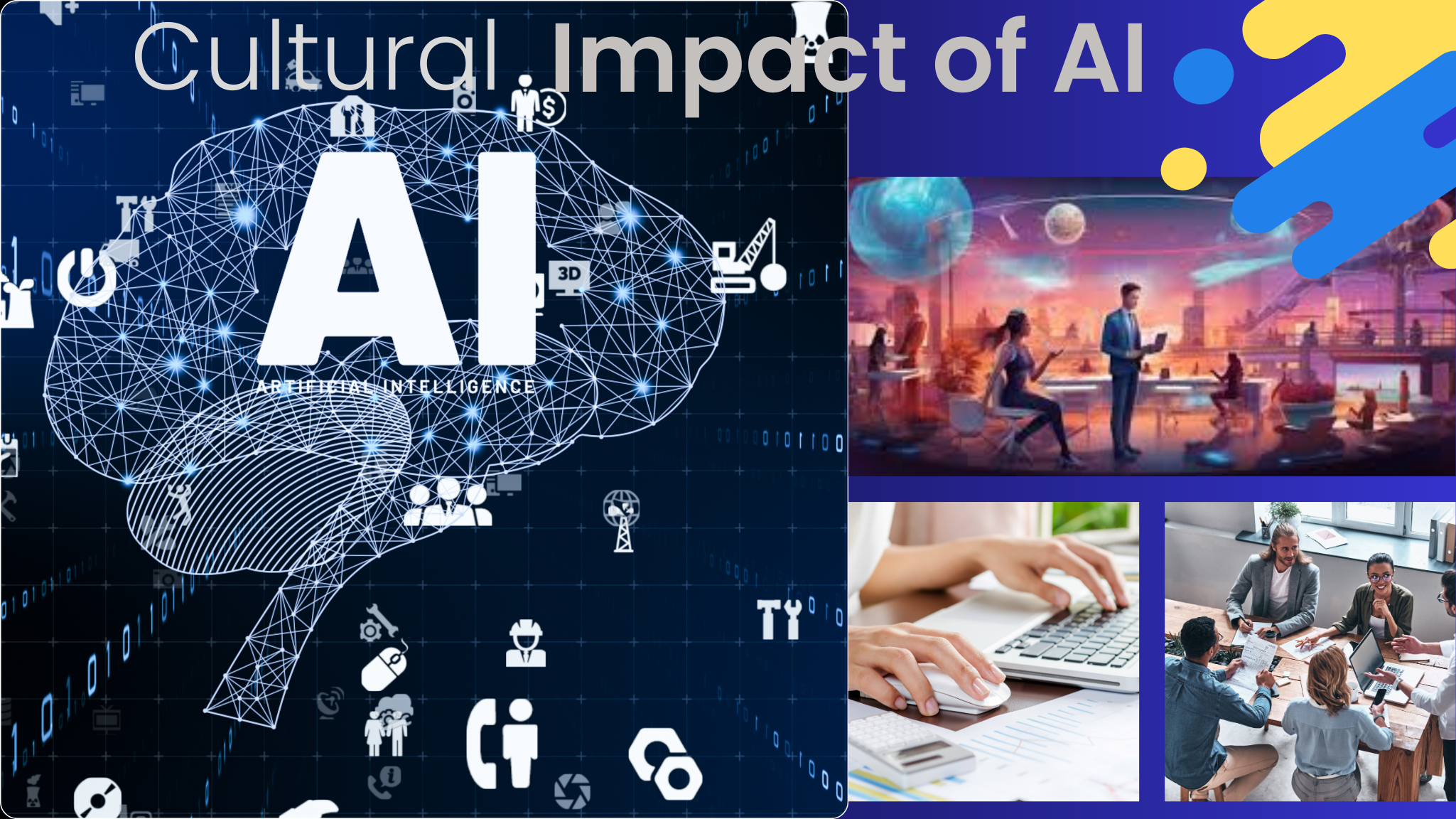
The cultural impact of AI on teams is reshaping how people work together, make decisions, and build trust in modern workplaces, making it one of the most important shifts in today’s organizational world.
Cultural Impact of AI on Teams Understanding the New Workplace Reality
Artificial intelligence is no longer just a tool that supports tasks. It has become a silent force shaping how teams think, interact, and perform inside organizations. The cultural impact of AI on teams is now visible in decision-making, communication, leadership styles, and even employee trust. In many workplaces, AI is not only changing what people do but also how they behave with each other.
Let me explain this in the clearest, simplest terms.
AI is slowly becoming part of everyday teamwork. From assigning tasks to analyzing performance and even suggesting decisions, AI is influencing human behavior in ways that were never seen before. This shift is not just technical; it is deeply cultural.
AI as a Cultural Force in Modern Organizations
Artificial intelligence is no longer just an efficiency tool. It is now a cultural driver inside organizations. When AI systems start recommending decisions, evaluating performance, or guiding workflows, they begin to influence how people think about fairness, authority, and responsibility.
Teams start adapting to AI outputs. Some trust them completely, while others question them. Over time, this creates a new kind of workplace culture where human judgment and machine intelligence coexist.
In many organizations, AI systems are shaping:
- How decisions are made
- How employees are evaluated
- How tasks are distributed
- How leaders interpret data
This creates a cultural shift where employees must learn to work alongside intelligent systems rather than simply using tools.
How AI Is Changing Workplace Behavior
Workplace behavior is changing rapidly because of AI integration. Employees are no longer just interacting with humans; they are interacting with systems that influence their daily work.
One major change is the shift in autonomy. While AI improves productivity, it also reduces manual control in some areas. Employees often follow algorithm-driven suggestions without fully understanding how those decisions are made.
Communication patterns are also changing. Teams rely more on digital dashboards, automated reports, and AI-powered collaboration tools. While this improves efficiency, it reduces informal communication, which is often essential for building trust.
Another major cultural shift is uncertainty. Employees may feel unsure about how AI evaluates their work, leading to concerns about transparency and fairness.
Cultural Impact of AI on Teams
The cultural impact of AI on teams is one of the most significant changes in modern workplaces. Teams are built on trust, shared understanding, and collaboration. When AI enters this environment, it influences how people perceive each other’s contributions.
In AI-supported teams, decision-making often shifts from human discussion to algorithmic recommendations. This can increase speed but sometimes reduces open debate.
Some teams become highly efficient but less expressive. Others struggle with over-reliance on AI suggestions.
However, when used correctly, AI can enhance teamwork by:
- Reducing repetitive tasks
- Supporting data-driven decisions
- Improving coordination
- Enhancing problem-solving capabilities
The key is balance between human judgment and machine intelligence.
AI and Organizational Culture Alignment
Organizational culture plays a major role in AI success. If AI systems do not align with company values, resistance naturally appears.
For example, organizations that value transparency may struggle with black-box AI systems. Similarly, companies that encourage creativity may feel restricted by rigid algorithmic decision-making.
Successful AI integration requires cultural alignment. Leaders must ensure that AI systems reflect organizational values such as fairness, inclusivity, and accountability.
Without this alignment, even the most advanced AI systems fail to gain employee trust.
Managing AI Adoption in Organizations
AI adoption is not just a technical process; it is a cultural transition. Employees often fear job loss, reduced relevance, or constant monitoring.
These fears are emotional and cultural, not just logical.
Organizations that successfully manage AI adoption focus on:
- Transparent communication
- Employee training programs
- Skill development initiatives
- Clear explanation of AI roles
When employees understand that AI is a support system rather than a replacement, resistance decreases significantly.
Training and upskilling also help build confidence. Employees who learn how to use AI effectively feel more empowered rather than threatened.
AI Bias and Fairness in Team Culture
One of the most serious cultural risks of AI is bias. AI systems trained on historical data can unintentionally reinforce inequalities.
In hiring processes, performance evaluation, or promotions, biased algorithms can damage trust within teams.
When employees feel that decisions are unfair, workplace culture weakens quickly.
To manage this, organizations must:
- Audit AI systems regularly
- Use diverse datasets
- Involve humans in decision-making
- Ensure transparency in algorithms
Fairness is not just a technical issue; it is a cultural foundation.
AI Ethics, Trust, and Transparency in Teams
Trust is the backbone of any team culture. Without trust, collaboration breaks down. AI systems must therefore operate transparently to maintain confidence among employees.
When AI systems act like black boxes, employees may either over-trust or completely reject them. Both extremes are harmful.
Transparent AI systems allow employees to understand:
- Why decisions are made
- How recommendations are generated
- What data is being used
Organizations that promote ethical AI practices build stronger and more resilient cultures.
Leadership also plays a key role. When leaders question AI outputs and encourage discussion, it creates a culture of accountability.
AI and Team Collaboration in the Digital Era
AI has transformed how teams collaborate, especially in remote and global environments. Intelligent tools now manage scheduling, translation, reporting, and task allocation.
This has made teamwork faster and more efficient.
However, cultural differences still matter. AI systems may not always understand cultural communication styles, leading to misunderstandings.
To improve collaboration, teams should:
- Set clear AI usage guidelines
- Encourage human feedback
- Maintain space for discussion
- Balance automation with human judgment
When teams actively shape AI usage, collaboration becomes more meaningful.
Multicultural Challenges in AI Integration
In global organizations, cultural differences strongly influence how AI is perceived. Some cultures trust automation, while others prefer human decision-making.
This creates challenges in standardizing AI systems across regions.
Organizations must adapt AI tools based on local contexts. A one-size-fits-all approach does not work.
Cultural sensitivity ensures that AI systems are accepted and effectively used across diverse teams.
AI and Human Creativity at Work
There is a common concern that AI reduces creativity. However, the reality is more balanced.
When used correctly, AI enhances creativity by:
- Automating repetitive tasks
- Providing data insights
- Generating ideas and patterns
This allows employees to focus more on innovation and problem-solving.
However, over-reliance on AI can reduce originality. Teams must ensure that human imagination remains central to creative processes.
Leadership’s Role in AI Cultural Transformation
Leadership determines how AI shapes workplace culture. Leaders set the tone for trust, transparency, and collaboration.
Effective leaders treat AI adoption as a cultural transformation, not just a technology upgrade.
They:
- Communicate openly about AI
- Involve employees in decision-making
- Address concerns proactively
- Encourage ethical use of AI
Leadership empathy plays a major role in successful AI integration.
Measuring AI Workforce Impact
To understand AI’s cultural effect, organizations must go beyond productivity metrics.
They should measure:
- Employee trust levels
- Engagement rates
- Psychological safety
- Collaboration quality
- Inclusion and fairness perception
These indicators reveal the true cultural impact of AI on teams.
Regular feedback systems help identify problems early and improve AI strategies.
Toward a Sustainable AI Workplace Culture
A sustainable AI-driven culture balances technology with humanity. It does not replace human judgment but enhances it.
Organizations must focus on:
- Ethical AI use
- Transparent systems
- Continuous learning
- Inclusive decision-making
When AI is aligned with human values, workplaces become more resilient and innovative.
The future of work depends not only on technology but on how responsibly it is used.
Conclusion
The cultural impact of AI on teams is one of the most important transformations in modern workplaces. It is reshaping how people collaborate, how decisions are made, and how trust is built.
Organizations that embrace AI with awareness and responsibility will create stronger, more adaptable cultures. Those that ignore cultural factors risk resistance and disruption.
Ultimately, AI is not just changing work; it is changing workplace culture itself. And the organizations that understand this will lead the future.
This content is exclusively delivered by the worldstan.com platform, ensuring originality and human-centered insight in every section.