

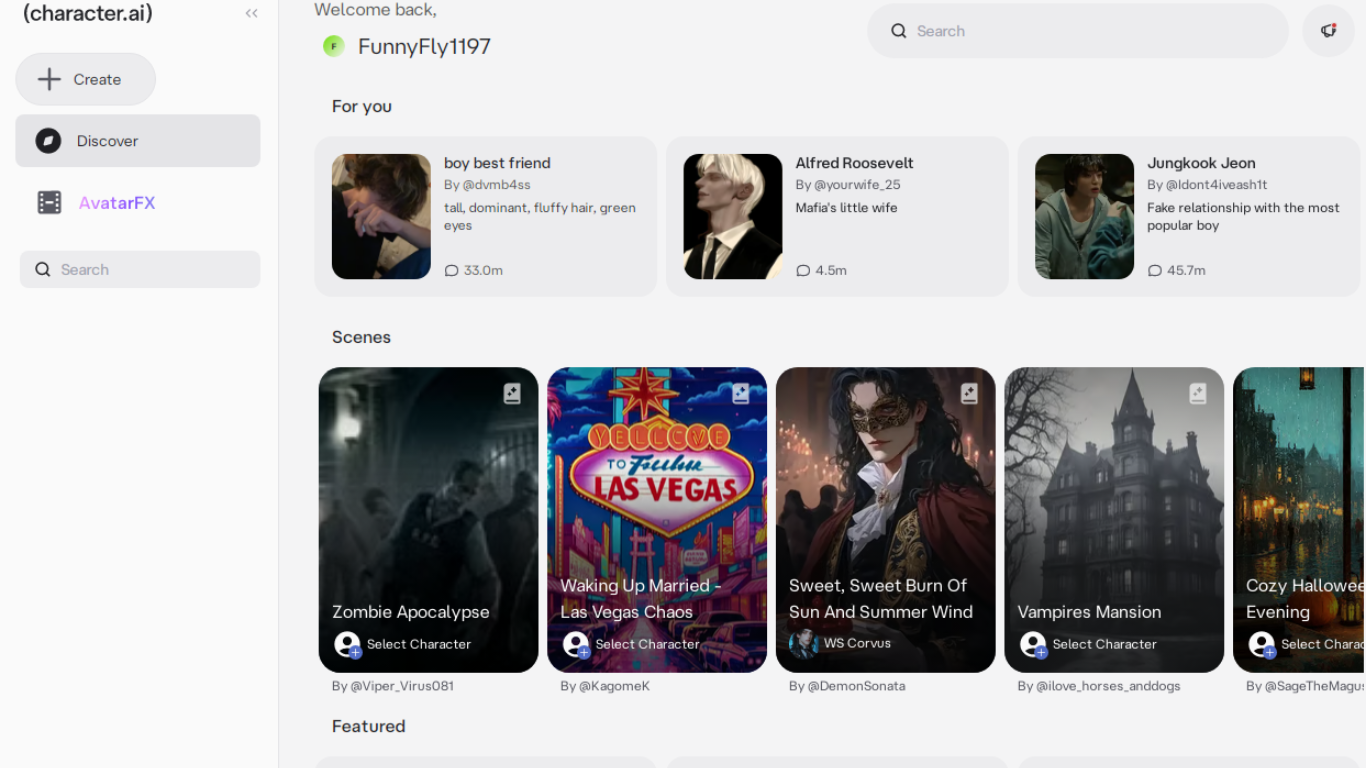
The Character AI Chatbot has rapidly transformed the way people interact with artificial intelligence. From creating virtual personalities to engaging in realistic conversations, this platform has become one of the most talked-about innovations in modern AI. In this guide, you will discover how Character AI started, why millions of users love it, what challenges it faces, and how it may influence the future of digital communication.
Character AI Chatbot From Google Roots to a Billion-Dollar AI Platform
Artificial intelligence has moved far beyond simple automated replies. Today, people want conversations that feel engaging, personal, and creative. This demand has opened the door for platforms that can simulate realistic interactions, and few have gained attention as quickly as the Character AI Chatbot.
Over the last few years, Character AI has evolved from an ambitious startup project into one of the most influential AI platforms in the technology industry. Millions of users now rely on it for entertainment, storytelling, learning, brainstorming, and virtual companionship. Its rapid growth has attracted investors, technology companies, regulators, and AI enthusiasts from around the world.
Here’s the simplest way to understand it.
Character AI is a platform that allows users to chat with AI-powered personalities. These personalities can represent fictional characters, historical figures, celebrities, teachers, mentors, or completely original creations. Unlike traditional chatbots that focus on answering questions, Character AI focuses on creating meaningful and engaging conversations.
How Did Character AI Begin
The story of Character AI starts with two highly respected AI researchers, Noam Shazeer and Daniel De Freitas.
Both founders previously worked at Google and contributed to advanced language model research. Their experience helped shape technologies that later became essential to modern conversational AI systems.
In November 2021, they launched Character AI with a vision that was different from many other AI companies. Instead of creating a chatbot focused only on productivity, they wanted to build a platform where users could create unique personalities and interact with them in creative ways.
The public beta launched in September 2022. The response was immediate. Users quickly discovered that they could design characters with distinct personalities, communication styles, and behaviors. This level of customization helped the platform stand out in a crowded AI market.
Why Did Character AI Become Popular So Quickly
Several factors contributed to the explosive success of the Character AI Chatbot.
First, the platform offered something different. Most chatbots at the time focused on providing information. Character AI focused on interaction, imagination, and entertainment.
Second, users could create their own AI characters. This feature encouraged creativity and allowed communities to build thousands of unique personalities covering almost every interest imaginable.
Third, younger audiences embraced the platform because it combined elements of social media, gaming, storytelling, and artificial intelligence into one experience.
As user-generated characters multiplied, network effects accelerated growth. More characters attracted more users, and more users created even more characters.
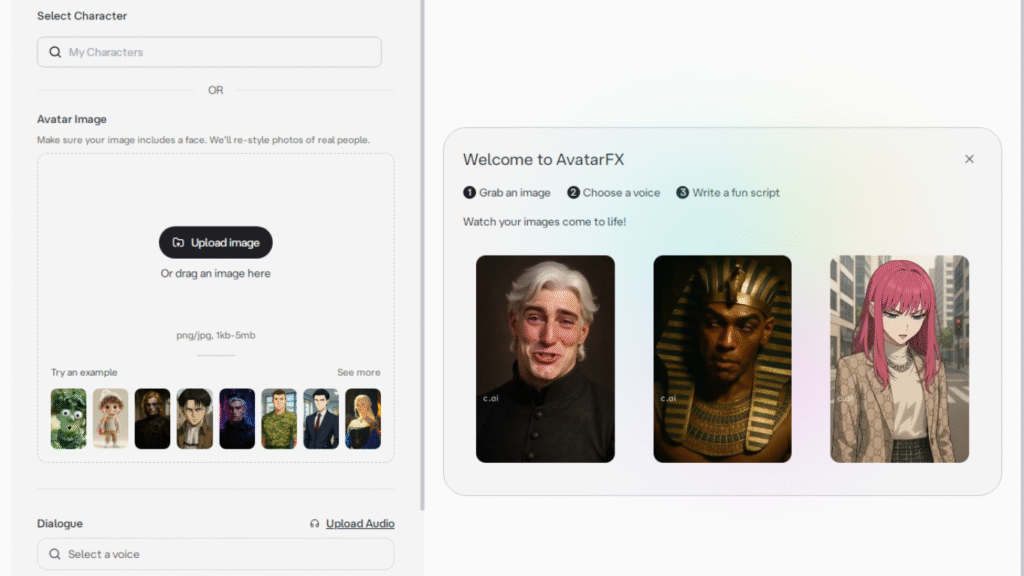
Character AI Features That Make It Unique
The success of Character AI is largely driven by its feature set.
One of the most powerful features is character creation. Users can define personality traits, communication styles, background stories, and behavioral preferences. This allows each chatbot to feel distinct.
Another major feature is interactive storytelling. Writers, gamers, and creative professionals often use the platform to develop narratives, explore fictional worlds, and test dialogue ideas.
The platform also supports role-playing experiences. Users can engage with historical figures, fictional heroes, mentors, teachers, and entirely original personalities.
Group conversations add another layer of engagement. Multiple AI characters can participate in discussions simultaneously, creating dynamic interactions that resemble real conversations.
The rating and feedback system continuously improves response quality. Users can reward useful responses and help shape future interactions.
What Is Character AI Plus
As demand increased, the company introduced Character AI Plus.
This premium subscription service offers faster response speeds, reduced waiting times during peak traffic periods, and priority access to new features.
For heavy users, these benefits create a smoother experience. Professionals, content creators, and dedicated community members often choose the premium plan because they spend significant time interacting with AI characters.
The introduction of Character AI Plus also provided a sustainable revenue model that supports ongoing development and innovation.
How Has Character AI Changed Online Entertainment
The Character AI Chatbot has expanded beyond simple conversations.
Many users now treat the platform as an entertainment destination. Interactive storytelling sessions can last for hours. Role-playing communities create elaborate fictional universes. Students experiment with educational characters that explain difficult concepts in easy language.
The company has also introduced AI-powered games and creative challenges that encourage user participation.
A practical example is creative writing. Instead of facing writer’s block alone, authors can interact with AI characters that help brainstorm ideas, develop plots, and refine dialogue.
This blend of entertainment and productivity has become one of the platform’s biggest strengths.
Is Character AI Safe to Use
Safety remains one of the most important topics surrounding Character AI.
As the platform grew, concerns emerged regarding content moderation, user protection, and the emotional impact of AI interactions.
In response, the company implemented stronger moderation systems and expanded content filtering mechanisms. These measures aim to reduce exposure to harmful, inappropriate, or misleading content.
Special protections have also been introduced for younger users. Dedicated safeguards help limit sensitive conversations and provide a safer environment for teenagers.
Additionally, the platform regularly reminds users that AI characters are digital creations rather than real individuals.
These improvements demonstrate the industry’s growing recognition that powerful AI systems require responsible oversight.
What Legal Challenges Has Character AI Faced
Rapid growth often brings increased scrutiny.
Character AI has faced legal and ethical questions related to user well-being, emotional attachment, and AI-generated interactions.
Some families and advocacy groups have expressed concerns about the influence AI companions may have on younger users. These discussions have encouraged policymakers and regulators to examine how conversational AI platforms should operate.
The broader debate extends beyond Character AI. It reflects a larger conversation about the responsibilities of AI companies in protecting users while preserving innovation.
As AI technology becomes more advanced, transparency and accountability will likely remain major priorities.
How Does Character AI Compare with Other AI Chatbots
Many AI chatbots focus on productivity, research, coding, or business applications.
Character AI takes a different approach.
Its primary strength lies in personality-driven interactions. Users are not simply asking questions and receiving answers. They are engaging with characters that maintain unique identities and conversational styles.
This creates a more immersive experience compared to traditional chatbots.
For users interested in storytelling, role-playing, entertainment, and creative conversations, Character AI often provides a unique value proposition that few competitors currently match.
What Does the Future Hold for Character AI
The future of the Character AI Chatbot appears promising.
Advancements in language models will likely make conversations even more realistic. Enhanced memory systems may allow characters to maintain deeper context across longer interactions.
Future developments could include improved voice capabilities, richer multimedia experiences, smarter personalization, and stronger safety protections.
As regulations evolve, companies will also face increasing expectations regarding transparency, privacy, and ethical AI development.
The organizations that successfully balance innovation with responsibility are likely to lead the next generation of conversational AI.
Why Character AI Matters in the Bigger AI Landscape
Character AI represents more than a chatbot platform.
It reflects a change in the way people engage with technology.
Instead of viewing AI solely as a tool, many users increasingly see AI as a conversational partner, creative assistant, and digital companion.
This transformation may influence education, entertainment, customer service, training, and communication in the years ahead.
The platform’s success demonstrates that people value experiences that feel personal, engaging, and interactive.
As artificial intelligence continues evolving, Character AI will remain an important example of how conversational technology can reshape digital experiences.
Explore More Expert AI Technology Guides Only on Worldstan.com
At Worldstan.com, we continuously publish in-depth technology guides, AI industry analysis, emerging innovation reports, and practical digital insights designed to help readers understand complex technologies in the simplest possible way. Our mission is to provide trustworthy, human-focused content that keeps professionals, students, entrepreneurs, and technology enthusiasts informed about the rapidly changing world of artificial intelligence.
Conclusion
The Character AI Chatbot has grown from a startup founded by former Google engineers into one of the most recognized names in conversational artificial intelligence. Its ability to create personalized AI characters, support immersive storytelling, and deliver engaging user experiences has attracted millions of users worldwide. While safety concerns and regulatory discussions continue to shape its development, the platform remains a major force in the evolution of generative AI. As technology advances and user expectations rise, Character AI is well-positioned to play a significant role in the future of digital communication, entertainment, and human-AI interaction.