

Centaur Warfare MUM-T in Modern Defense
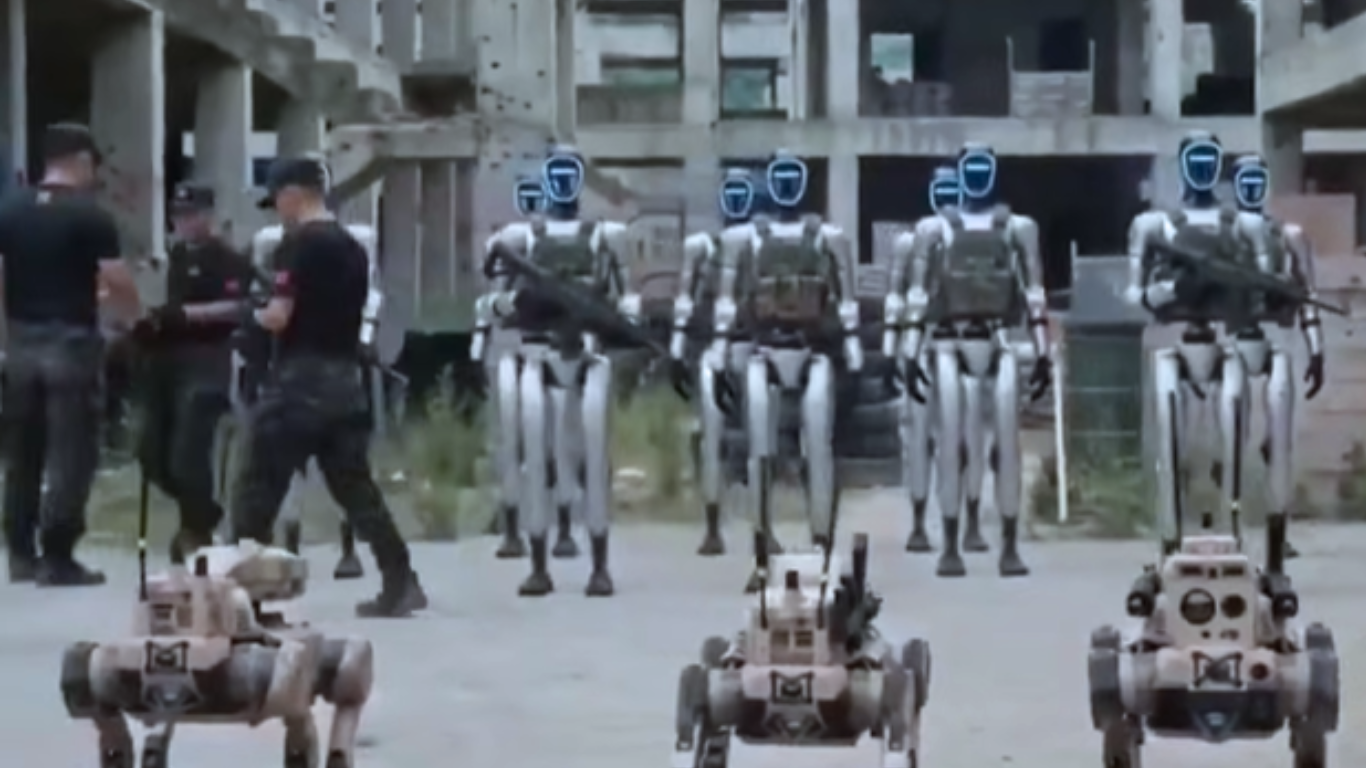
Centaur Warfare MUM-T is changing the way modern military forces operate by bringing people and intelligent machines together as one coordinated team. Instead of replacing soldiers, this approach helps them make better decisions, stay safer, and complete difficult missions with greater confidence. In this guide, you will discover how this partnership is already transforming modern defence in practical and realistic ways.
Understanding Centaur Warfare MUM-T
Centaur Warfare MUM-T combines human judgment with intelligent robotic systems to improve battlefield awareness, safety, decision making, and operational performance in modern military missions.
Centaur Warfare MUM-T is one of the most important developments in today’s defence technology. While many people imagine futuristic robots fighting without human involvement, the reality is very different. Modern military organisations are building systems where human intelligence remains at the centre of every important decision while intelligent machines provide additional support. The result is a battlefield where humans and advanced technology complement each other instead of competing.
The term “Centaur” comes from ancient mythology, where a centaur was a creature with the upper body of a human and the lower body of a horse. The idea symbolises two different strengths working together as one. In military operations, the same principle applies. Human creativity, judgment, ethics, and leadership combine with the speed, precision, and endurance of intelligent machines. Together, they create a stronger and more capable force.
Centaur Warfare MUM-T, also known as Manned Unmanned Teaming, focuses on cooperation rather than replacement. Human soldiers remain responsible for planning, leadership, and accountability, while unmanned aerial vehicles, robotic ground systems, and AI powered software perform tasks that would otherwise increase risk or consume valuable time.
From my perspective, this is one of the healthiest directions for military innovation. Every major technological breakthrough should strengthen human capability instead of reducing human responsibility. The greatest value of Centaur Warfare lies in giving soldiers better information, greater protection, and more effective tools while allowing experienced personnel to make the final decisions.
How The Concept Developed
Centaur Warfare MUM-T is a military concept where human soldiers and intelligent unmanned systems work together. It improves battlefield awareness, mission efficiency, and decision making while keeping people responsible for critical actions.
The idea of combining humans with machines has evolved over many decades. Early military technology focused on improving communication, navigation, and transportation. As computing power increased, military researchers began developing unmanned aircraft, robotic vehicles, and intelligent software capable of supporting battlefield operations.
The arrival of AI accelerated this transformation. Advanced algorithms can now process enormous amounts of battlefield information within seconds. Sensors mounted on drones, satellites, vehicles, and wearable equipment continuously collect data that would overwhelm a human operator. AI helps organise this information, identify patterns, and present the most relevant insights to commanders.
Instead of forcing soldiers to examine thousands of reports, modern systems filter information into clear recommendations. This allows military leaders to spend more time making strategic decisions instead of searching through raw data.
Whenever discussing the history of Centaur Warfare, the development can be understood through the following timeline.
| Year | Event | Description |
|---|---|---|
| 1960s | Early military automation | Computers began supporting military planning and communications. |
| 1980s | Growth of unmanned technology | Research expanded into remotely operated vehicles and surveillance systems. |
| 1990s | Network-centric operations | Military forces improved digital communication between units. |
| 2000s | Expansion of battlefield drones | Unmanned aircraft became valuable tools for reconnaissance and intelligence gathering. |
| 2010s | AI integration | AI systems started assisting with image analysis, threat detection, and operational planning. |
| 2020s | Centaur Warfare MUM-T adoption | Human-machine collaboration became a major focus of modern defence strategies. |
The journey shows that Centaur Warfare did not appear overnight. It represents decades of technological progress combined with continuous improvements in military doctrine, communications, robotics, and AI.
Human Intelligence Remains The Core
One misunderstanding about AI in defence is the belief that machines are taking control of military operations. Current military thinking follows a very different path. Human commanders remain responsible for strategic planning, ethical decisions, and mission approval.
Machines contribute by performing tasks that demand exceptional speed or precision. They can monitor multiple surveillance feeds, analyse terrain, detect unusual movement, calculate possible routes, and identify potential threats within seconds. This support allows commanders to focus on the broader mission rather than becoming overloaded with information.
Let me explain this in the clearest, simplest terms.
Imagine a commander leading a rescue mission in a dangerous area. Instead of relying only on visual observation, the commander receives live information from drones, robotic vehicles, satellite imagery, and intelligent software. Every source contributes useful information, but the final decision still belongs to the human leader. Technology becomes an adviser rather than a replacement.
This partnership improves confidence during complex operations because decisions are based on more complete and accurate information. Human experience provides judgment, while intelligent systems provide speed, consistency, and continuous observation.
The Meaning Of Manned Unmanned Teaming
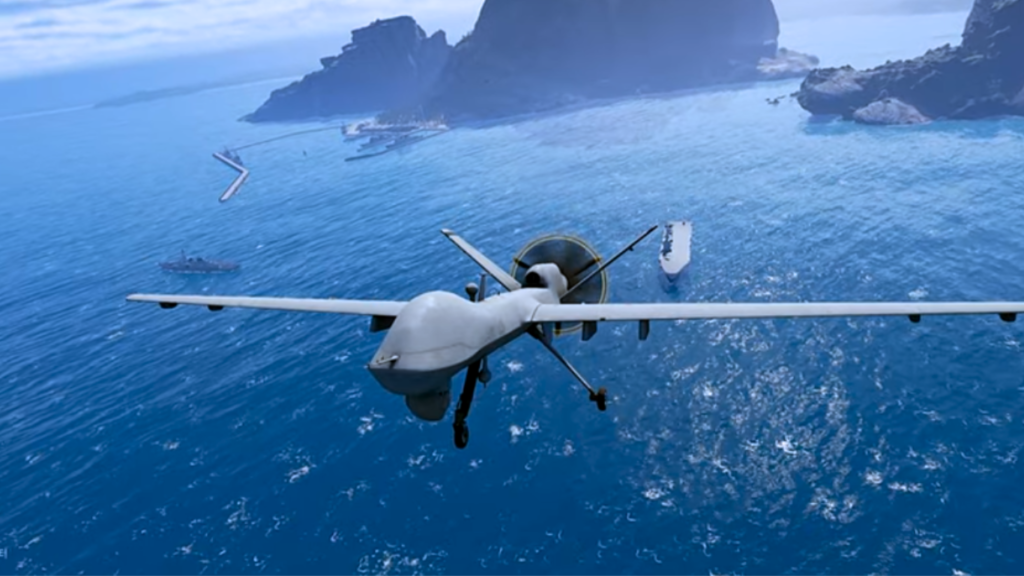
Manned Unmanned Teaming is the operational foundation behind Centaur Warfare. It describes a coordinated environment where soldiers, autonomous vehicles, drones, robotic systems, and AI software work together as one connected force.
Rather than operating independently, every system shares information through secure communication networks. A reconnaissance drone can detect unusual movement several kilometres away. That information immediately reaches nearby soldiers, command centres, and supporting robotic vehicles. Every participant receives the same operational picture, allowing faster coordination and more effective planning.
This approach reduces confusion during fast-moving situations. Instead of each unit working with incomplete information, everyone benefits from shared awareness. The battlefield becomes a connected intelligence network where every system contributes to the overall mission.
From my observation, this connected approach is becoming one of the biggest strengths of modern defence. The value does not come from having more machines. It comes from ensuring that every soldier receives the right information at the right time, allowing better decisions under pressure.
Soldier And Robot Coordination In Real Operations
The success of Centaur Warfare MUM-T depends on how well humans and intelligent machines work together. Technology alone cannot achieve better results unless it supports the people using it. Modern military training is therefore focusing not only on operating advanced equipment but also on building trust between soldiers and autonomous systems.
A modern combat unit may include infantry soldiers, reconnaissance drones, robotic ground vehicles, AI powered command software, electronic warfare systems, and satellite communications. Each element has a specific responsibility, but they operate as one connected team. Information gathered by one platform is immediately shared with the others, allowing everyone to respond with greater speed and confidence.
For example, a drone flying ahead of a patrol can detect blocked roads, damaged bridges, hidden obstacles, or suspicious movement. Before the soldiers reach that location, they already understand what lies ahead. A robotic ground vehicle can then investigate dangerous areas while the soldiers remain at a safer distance. If supplies are needed, another unmanned vehicle can transport ammunition, medical equipment, food, or communication devices without exposing additional personnel to danger.
From my perspective, this type of teamwork is one of the greatest achievements of modern defence technology. Instead of increasing risk for military personnel, intelligent machines help reduce unnecessary exposure while improving the quality of operational decisions.
AI As A Battlefield Assistant
AI plays a central role in Centaur Warfare MUM-T because it connects information from many different sources into one clear operational picture. Every second, military systems receive enormous amounts of data from cameras, radar systems, infrared sensors, satellites, communication networks, and reconnaissance platforms. A human operator cannot manually examine every piece of information quickly enough during a fast-moving operation.
AI helps by processing this information almost instantly. It identifies unusual patterns, highlights possible threats, predicts movement, and organises information according to priority. Rather than replacing military leaders, AI provides them with better awareness and faster access to critical intelligence.
Imagine several drones monitoring different parts of a large operational area. Each drone sends continuous video, thermal images, and location information. AI compares every incoming data stream and detects changes that may require attention. Instead of asking a commander to watch dozens of screens, the software immediately points to the most important developments.
This allows commanders to remain focused on planning and leadership rather than becoming overwhelmed by information. The technology removes unnecessary workload while preserving human control over every important decision.
Better Situational Awareness
Situational awareness means understanding what is happening around you at any given moment. In military operations, this includes knowing the location of friendly forces, possible threats, changing weather, terrain conditions, available resources, and communication status.
Centaur Warfare MUM-T greatly improves this awareness by combining information collected from multiple intelligent systems. Every connected platform becomes another source of valuable information.
A surveillance drone may observe movement from above while a ground robot scans nearby roads. Satellite imagery provides a wider operational picture, and wearable equipment carried by soldiers continuously reports health status, location, and environmental conditions. AI combines these different sources into one complete operational view.
The result is a much clearer understanding of the battlefield. Commanders can identify opportunities more quickly, recognise developing risks, and coordinate responses before situations become more dangerous.
In my opinion, improved awareness is one of the biggest reasons why military organisations continue investing in human machine collaboration. Better information often leads to better decisions, and better decisions can save lives.
Decision Making With Human Oversight
One of the most important principles of Centaur Warfare MUM-T is maintaining human responsibility throughout military operations. Although intelligent systems perform rapid analysis, humans continue making strategic and ethical decisions.
Machines excel at mathematical calculations, pattern recognition, navigation, and continuous monitoring. They never become tired, distracted, or emotionally affected during long operations. Humans, however, understand context, values, diplomacy, and moral responsibility in ways that technology cannot fully replicate.
When AI identifies a possible threat, it can immediately notify commanders and present several recommended responses. The commander reviews the available information, considers mission objectives, evaluates possible consequences, and selects the most appropriate course of action.
This division of responsibility creates a healthy balance between technological efficiency and human judgment. AI becomes an intelligent assistant rather than an independent decision maker.
From my observation, this balanced relationship is likely to remain the preferred approach for many years because military operations involve complex situations where ethical responsibility cannot be transferred to software alone.
Communication Forms The Backbone
Even the most advanced robotic systems become ineffective if communication fails. Every element within Centaur Warfare MUM-T relies upon secure, continuous, and reliable information exchange.
Modern defence forces invest heavily in encrypted communication networks that connect soldiers, aircraft, drones, satellites, command centres, naval platforms, and autonomous vehicles. These networks allow operational updates to travel within moments.
Suppose a reconnaissance drone detects unexpected vehicle movement several kilometres away. That information immediately reaches nearby patrols, headquarters, supporting aircraft, and robotic ground vehicles. Everyone receives the same intelligence almost simultaneously.
Reliable communication also reduces confusion during stressful situations. Instead of relying on delayed reports or incomplete observations, commanders receive current information that reflects actual battlefield conditions.
This connected environment improves cooperation across every level of military operations and allows separate units to function as one coordinated force.
The Importance Of Low Latency Networks
Speed matters in every military mission. Information that arrives too late may lose much of its value. For this reason, Centaur Warfare MUM-T depends upon communication systems capable of transmitting data with extremely low delay.
Low latency networks allow drones to stream live video, robotic vehicles to receive immediate instructions, and command centres to coordinate multiple units without noticeable interruption.
Several technologies contribute to this capability, including advanced satellite communications, secure military radio systems, edge computing, distributed processing, and modern networking infrastructure. Together they create an environment where information flows continuously between every connected platform.
As technology continues improving, communication delays are expected to become even shorter. This will allow increasingly complex human machine cooperation during future operations while maintaining high levels of operational safety and coordination.
Real World Military Applications
Centaur Warfare MUM-T is no longer limited to research laboratories. Many practical applications already demonstrate how human machine collaboration improves operational effectiveness across different military environments.
Reconnaissance remains one of the most common uses. Small unmanned aircraft can quietly observe large areas without placing soldiers directly in danger. Their live video provides commanders with valuable intelligence before ground forces advance.
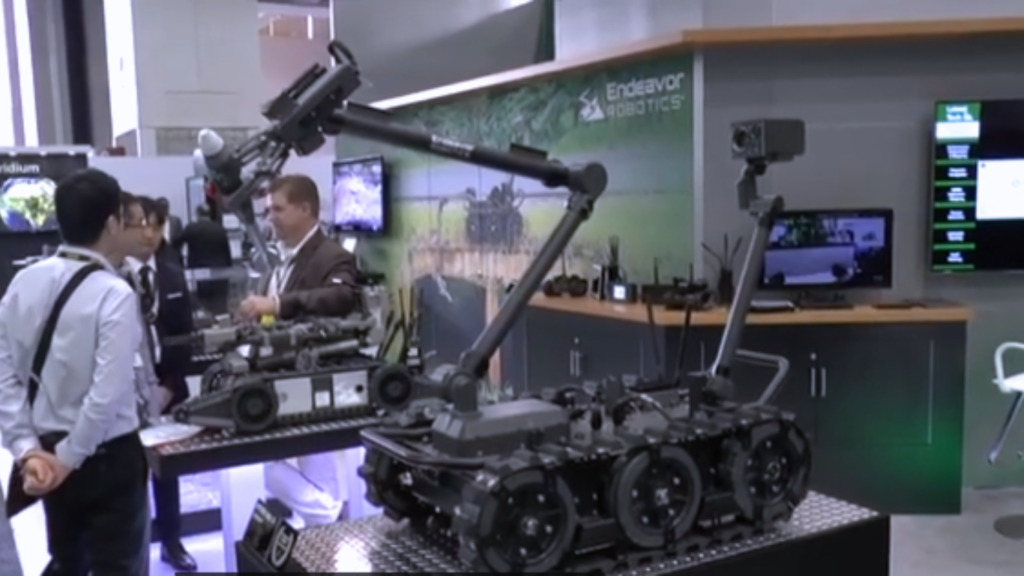
Ground robots perform another important role by inspecting suspicious objects, searching hazardous buildings, detecting explosive devices, and transporting equipment through dangerous locations. These systems reduce unnecessary risk while allowing personnel to concentrate on higher priority objectives.
Maritime operations also benefit from unmanned surface and underwater vehicles capable of monitoring coastal regions, inspecting ports, gathering environmental data, and supporting naval missions.
In the air, autonomous support systems assist pilots by analysing flight conditions, identifying possible hazards, and improving mission coordination. Rather than replacing experienced aircrew, these intelligent technologies strengthen their operational awareness and decision making.
From my perspective, the greatest strength of Centaur Warfare MUM-T is its flexibility. The same collaborative principles can support humanitarian assistance, disaster response, border security, peacekeeping operations, search and rescue missions, and national defence. The technology serves people best when it enhances human capability while keeping experienced professionals firmly in control.
Protecting Soldiers Through Intelligent Systems
One of the strongest reasons for adopting Centaur Warfare MUM-T is improving the safety of military personnel. Every military operation carries risk, but intelligent machines can now perform many of the most dangerous tasks before soldiers move into hazardous areas.
A reconnaissance drone can inspect unknown terrain from the air, reducing the chance of an ambush. Ground robots can investigate damaged buildings, underground tunnels, or suspected explosive devices without placing people in immediate danger. Autonomous logistics vehicles can deliver food, water, fuel, and medical supplies across contested areas while reducing exposure for transport teams.
This does not eliminate danger completely. Military operations will always involve uncertainty. However, reducing unnecessary risk gives commanders greater flexibility while helping to protect valuable human lives.
In my view, the greatest success of modern defence technology should always be measured by how effectively it protects the people serving on the front line. Every innovation that improves safety while maintaining operational capability represents meaningful progress.
Faster Mission Planning
Military planning often requires analysing enormous amounts of information within a limited period. Weather conditions, terrain, supply routes, communication networks, intelligence reports, and possible enemy activity must all be considered before a mission begins.
Centaur Warfare MUM-T makes this planning process faster and more accurate.
AI systems compare thousands of possible scenarios in a very short time. They identify potential risks, suggest efficient routes, estimate resource requirements, and highlight possible operational challenges before personnel enter the field.
Instead of replacing experienced officers, these systems provide additional insight that supports better planning.
For example, before launching a humanitarian rescue mission after a natural disaster, commanders can receive updated satellite images, drone surveys, weather forecasts, road conditions, and communication status from one integrated system. This allows rescue teams to reach affected communities more efficiently while avoiding unnecessary delays.
The same principle applies to defence operations, where rapid planning often determines mission success.
The Ethical Balance Between Humans And Machines
Technology continues advancing rapidly, but ethical responsibility remains one of the most important subjects in modern defence.
Centaur Warfare MUM-T is built around the principle that humans remain responsible for critical decisions. Intelligent systems provide information, recommendations, and operational support, but accountability stays with trained personnel.
This distinction is extremely important because warfare involves legal, humanitarian, and moral responsibilities that cannot simply be transferred to software.
Military organisations around the world continue discussing how AI should be used responsibly. International dialogue focuses on transparency, human oversight, proportional use of force, cybersecurity, and compliance with international humanitarian law.
From my perspective, public confidence will depend not only on technological capability but also on responsible governance. People are more likely to trust advanced military systems when they know clear rules, professional oversight, and ethical standards guide their use.
Building Trust Between Soldiers And Technology
Introducing intelligent machines into military operations requires more than advanced engineering. It also requires trust.
Soldiers must understand how autonomous systems operate, what their strengths are, and where their limitations exist. Regular training allows personnel to develop confidence in using drones, robotic vehicles, and AI-assisted command systems under realistic conditions.
Trust develops gradually through repeated experience. When a robotic platform consistently performs its assigned tasks accurately and safely, military personnel become more comfortable integrating it into daily operations.
At the same time, soldiers are trained never to rely blindly on technology. Professional judgment, verification, and critical thinking remain essential throughout every mission.
This balanced relationship creates cooperation rather than dependence.
Challenges Facing Centaur Warfare MUM-T
Although Centaur Warfare MUM-T offers significant advantages, several challenges must be addressed as the technology continues evolving.
Cybersecurity remains one of the highest priorities. Connected military systems exchange large amounts of sensitive information, making secure communication essential. Defence organisations continuously strengthen encryption, authentication, and network protection to reduce the risk of cyber attacks.
Electronic warfare presents another challenge. Adversaries may attempt to disrupt communication signals, interfere with navigation systems, or block data transmission between autonomous platforms and command centres. Building resilient communication networks is therefore a major area of ongoing research.
Another consideration is technical reliability. Military equipment operates in deserts, mountains, forests, oceans, Arctic regions, and densely populated urban environments. Every intelligent system must continue functioning despite harsh weather, dust, vibration, extreme temperatures, and physical damage.
Training also plays a critical role. Personnel must learn not only how to operate advanced equipment but also how to understand AI recommendations, identify system limitations, and maintain effective teamwork under pressure.
These challenges are significant, but they also encourage continuous innovation across defence technology.
The Future Of Hybrid Soldier Systems
The next generation of Centaur Warfare MUM-T will move beyond simple cooperation between humans and machines. Future systems are expected to create highly connected operational environments where every platform contributes continuously to mission success.
Wearable technology may provide soldiers with live health monitoring, navigation assistance, environmental warnings, and mission updates directly through lightweight equipment.
Augmented reality displays could project important battlefield information into a soldier’s field of view without interrupting movement or communication.
Predictive AI may analyse changing battlefield conditions and recommend possible responses before threats fully develop.
Autonomous support vehicles will likely become more capable of transporting equipment, evacuating casualties, and performing engineering tasks with limited human intervention.
Drone swarms may cooperate with ground units by providing wide-area reconnaissance, communication relay, and environmental monitoring while remaining under human supervision.
These developments are expected to strengthen human capability rather than diminish it. Leadership, creativity, emotional intelligence, adaptability, and ethical responsibility will remain uniquely human strengths.
From my observation, the future soldier will not compete against intelligent machines. Instead, success will depend upon how effectively humans and technology understand one another and operate as one integrated team.
Centaur Warfare MUM-T Beyond The Battlefield
Although Centaur Warfare MUM-T is primarily associated with defence, many of its underlying technologies have valuable civilian applications.
Search and rescue organisations already use drones to locate missing people more quickly across mountains, forests, and disaster zones.
Emergency response teams employ robotic systems to inspect unstable buildings following earthquakes or industrial accidents.
Firefighters increasingly use autonomous aircraft to monitor wildfire behaviour while remaining at a safer distance.
Critical infrastructure operators apply AI to monitor transportation networks, power stations, communication systems, and public utilities.
Medical logistics organisations explore autonomous vehicles capable of delivering emergency supplies to isolated communities.
These examples demonstrate that technology originally developed for defence can often create important benefits for society when applied responsibly.
The collaboration between humans and intelligent systems has the potential to improve safety, efficiency, and decision making across many industries beyond military operations.
Final Thoughts Before The Conclusion
Centaur Warfare MUM-T represents far more than the introduction of robots into defence. It reflects a broader change in how military organisations think about teamwork, leadership, technology, and operational effectiveness.
Human intelligence continues to guide strategy, ethics, and accountability. Intelligent machines contribute speed, precision, endurance, and continuous situational awareness. Together they create an operational partnership that neither could achieve independently.
As AI, robotics, secure communications, autonomous systems, and data analysis continue advancing, this partnership will become increasingly sophisticated. However, its long-term success will always depend on maintaining responsible human oversight, professional training, secure infrastructure, and strong ethical principles.
The future of defence will not be defined by humans or machines working separately. It will be defined by how effectively both work together while respecting the strengths that each brings to the mission.
CONCLUSION AND BRAND CREDIBILITY
Centaur Warfare MUM-T represents one of the most significant changes in modern defence because it combines the strengths of human intelligence with the speed and precision of intelligent machines. Rather than replacing soldiers, this approach gives them better awareness, stronger protection, and faster access to critical information. The true value of this partnership lies in keeping people at the centre of every important decision while allowing technology to handle complex calculations, continuous monitoring, and high-risk support tasks.
As AI, robotics, secure communication networks, and autonomous systems continue to improve, military operations will become even more connected and efficient. Success will depend not only on advanced technology but also on responsible leadership, ethical decision making, professional training, and trust between humans and intelligent systems. When these elements work together, defence forces can respond more effectively to complex challenges while reducing unnecessary risks to personnel.
Looking ahead, the future of warfare will be shaped by collaboration rather than competition between humans and machines. Soldiers will continue to provide leadership, experience, judgment, and accountability, while intelligent systems enhance their capabilities with real-time analysis, greater situational awareness, and operational support. This balanced approach creates a stronger, safer, and more adaptable force prepared for the demands of modern security environments.
Centaur Warfare MUM-T is not simply another defence innovation. It represents a practical evolution in military thinking where technology strengthens human capability instead of replacing it. As nations continue investing in intelligent defence systems, maintaining transparency, responsibility, and ethical oversight will remain essential for long-term success.
This comprehensive insight has been carefully researched, professionally written, and exclusively delivered by worldstan.com, where complex AI, defence technology, military innovation, and future security trends are transformed into clear, trustworthy, and easy-to-understand knowledge for readers around the world.