

Apple AI Accessibility Features Transform iPhone Experience
Apple AI accessibility features are set to make everyday technology easier and smarter for millions of users worldwide. With the help of Apple Intelligence, the company is introducing advanced tools for people with visual, hearing, and mobility challenges across iPhone, iPad, Mac, Apple TV, and Vision Pro devices.
Apple has introduced a fresh range of Apple AI accessibility features designed to improve the digital experience for users with disabilities. The company revealed these updates ahead of the upcoming iOS release, showing its growing focus on making technology more inclusive and user-friendly.
The latest upgrades are powered by Apple Intelligence and will work across multiple Apple devices, including iPhone, iPad, Mac, Apple TV, and Vision Pro. These new tools aim to support people with visual, hearing, and mobility impairments through smarter AI-driven assistance.
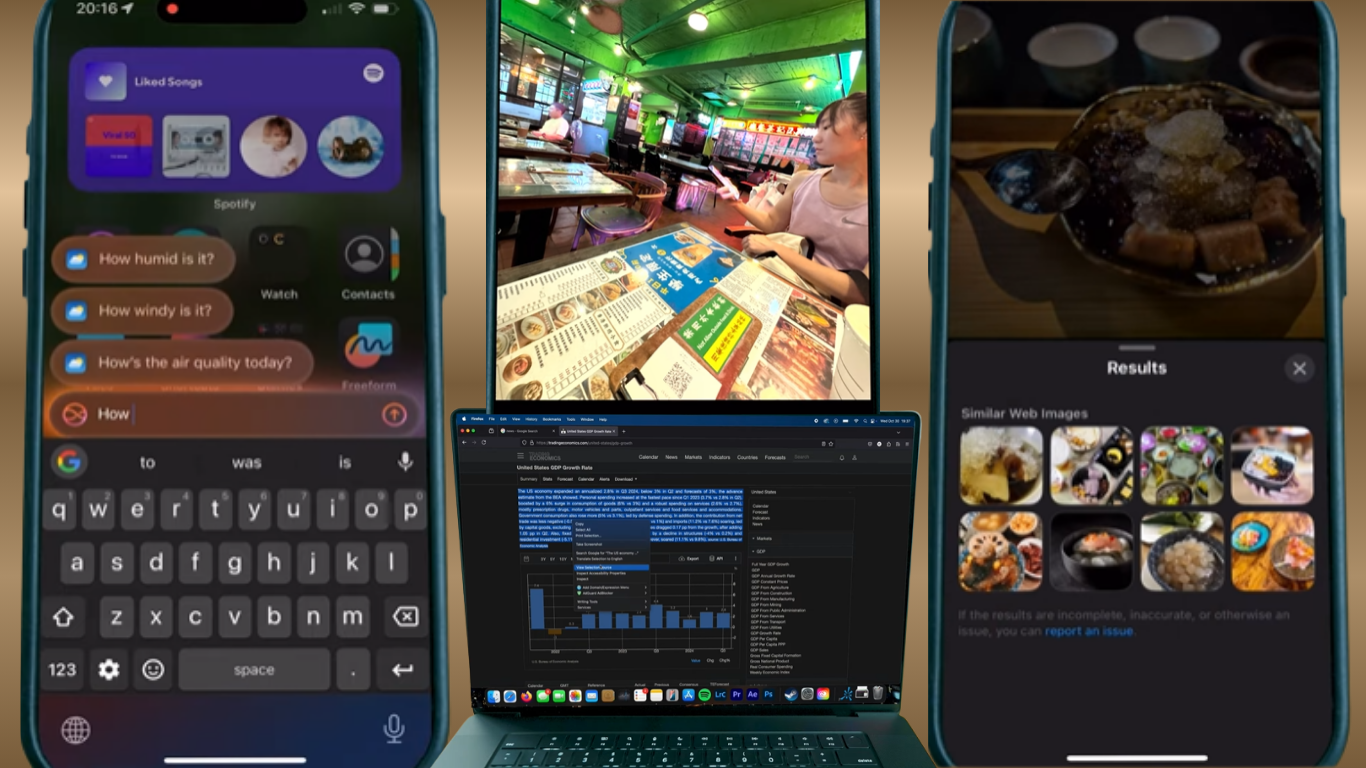
One of the biggest highlights is the improved VoiceOver system. Apple has upgraded the feature with advanced image recognition technology that can describe photos, documents, and objects in much greater detail. Users can now hear more accurate information about visuals, including important details such as amounts, due dates, and document content. This update could be especially useful for visually impaired users who rely on VoiceOver daily.
Apple has also expanded its Live Recognition technology. Through the iPhone camera, users can now identify objects and surroundings in real time. The system even allows follow-up questions, creating a more natural and interactive experience. This move shows how Apple AI accessibility features are becoming more intelligent and conversational instead of simply offering basic commands.
Voice Control has received another major improvement. Users can now speak naturally while controlling apps and system functions. Instead of memorising fixed commands, people can ask their devices to open folders, tap apps, or complete tasks in apps like Maps and Files using everyday language. This update may significantly help users with mobility challenges who depend on voice navigation.
Another important addition is AI-generated subtitles. Apple announced that videos and recordings without captions can now automatically receive subtitles created by artificial intelligence. This feature could improve accessibility for hearing-impaired users and make personal recordings easier to understand for everyone.
The company also upgraded its Reader feature. Complex documents, including research papers and detailed reports, can now be reformatted into a cleaner reading layout. The AI system can also generate summaries while maintaining the original structure and readability of the content. This feature is expected to help students, professionals, and users who prefer simplified reading experiences.
Vision Pro also received attention in Apple’s latest accessibility push. Apple revealed an experimental feature that allows compatible wheelchairs to be controlled using eye movements. The technology is designed to function under different lighting conditions, showing the company’s ambition to push accessibility into futuristic hardware experiences.
In our opinion, Apple is clearly trying to position itself as a leader in AI-powered accessibility technology. While many tech companies continue adding AI tools for entertainment or productivity, Apple appears focused on using artificial intelligence to solve practical daily challenges faced by millions of people worldwide.
The timing of the announcement is also important because it arrived just hours before Google’s major conference. This suggests that competition around AI accessibility features may become stronger in the coming months as large technology companies race to offer smarter and more inclusive digital experiences.
Industry experts believe these Apple AI accessibility features could change how users interact with devices in everyday life. Features like natural voice commands, AI-generated subtitles, and intelligent image recognition may eventually become standard across the technology industry.
Apple confirmed that these updates will launch later this year, most likely as part of the next major iOS software release. As artificial intelligence continues evolving rapidly, Apple’s latest accessibility innovations show that AI is not only about automation and productivity but also about making technology accessible for everyone.