

AI Landscape Architecture Changing Modern Design
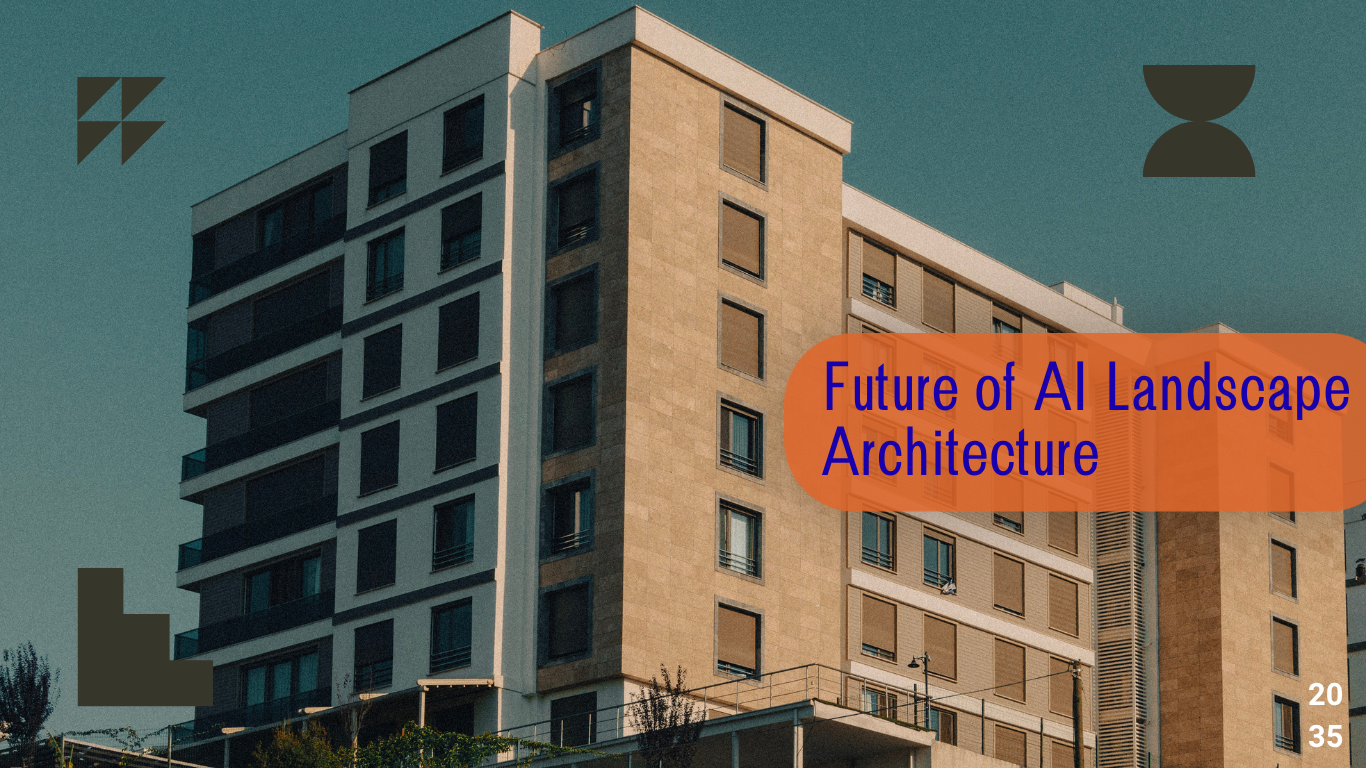
AI Landscape Architecture is no longer jus-t a futuristic concept. It is becoming the creative force behind smarter cities, sustainable outdoor spaces, and breathtaking architectural experiences that blend technology with human imagination in ways most people never expected.
Landscape and Architecture Designing Worlds with AI
The world of design is changing faster than most industries imagined. A few years ago, architects and landscape designers relied heavily on sketches, physical site visits, and months of revisions before a concept became visible. Today, artificial intelligence is reshaping that entire journey. What once took weeks can now be explored in hours with smarter planning, deeper creativity, and stronger environmental understanding.
At Worldstan, we see AI Landscape Architecture as more than digital convenience. We believe it is becoming a bridge between imagination and practical construction. The most interesting part is that AI is not replacing architects or landscape experts. Instead, it is giving them a more intelligent partner capable of testing thousands of design possibilities before the first stone is placed.
Modern cities are growing rapidly. Green spaces are shrinking. Climate pressure is increasing. Designers are now expected to create places that are visually attractive, environmentally balanced, and financially realistic at the same time. AI is helping professionals solve these difficult challenges with far greater accuracy than traditional systems.
Why AI Landscape Architecture Matters Today
Every city tells a story through its buildings, parks, roads, and public spaces. Poor design creates stress and confusion, while thoughtful design creates comfort and emotional connection. AI now helps designers understand how people interact with environments before construction even begins.
For example, some architecture firms use AI simulation tools to study sunlight movement across public parks during different seasons. This allows them to place trees, walking paths, and seating areas in the most comfortable positions for visitors. Achieving that level of precision was incredibly difficult in the past.
In my opinion, the strongest advantage of AI Landscape Architecture is its ability to combine creativity with logic. Human imagination remains essential, but AI removes much of the guesswork that previously delayed projects or increased costs.
Another important factor is sustainability. Cities around the world are struggling with rising temperatures and pollution. AI driven landscape systems can recommend plant species that consume less water, improve air quality, and survive local climate conditions more effectively. These recommendations help designers create greener environments without wasting resources.
AI Is Changing Architectural Creativity
Some people fear that technology weakens creativity. I see the opposite happening. AI is opening design possibilities that many architects could never fully explore manually.
Imagine designing a public square in the middle of a crowded urban area. An AI design system can instantly generate multiple concepts based on pedestrian movement, traffic flow, weather conditions, and environmental goals. Instead of spending weeks testing one idea at a time, architects can compare dozens of realistic options within a single day.
This does not remove the human touch. The architect still decides the emotional feeling, artistic direction, and final vision. AI simply accelerates the creative process.
A real-world example can be seen in modern smart city developments where AI tools help visualize future neighborhoods before construction begins. Designers can experience digital versions of parks, streets, and buildings in immersive environments. Problems can be identified early, helping reduce costly corrections later on.
Many professionals now use AI rendering platforms to create hyper realistic visualizations that help clients understand projects immediately. Clients no longer need to imagine abstract sketches. They can almost walk through the future environment before it exists.
Sustainable Design Is Becoming Smarter
Sustainability is no longer optional in architecture. Governments, businesses, and communities are demanding eco friendly planning because environmental damage is becoming impossible to ignore.
AI Landscape Architecture is helping create solutions that balance beauty with environmental responsibility. Smart algorithms can analyze rainfall, soil conditions, heat patterns, and energy consumption to guide better decisions.
One of the most impressive developments is predictive environmental planning. AI can forecast how a landscape may evolve over years or decades. Designers can identify future flooding risks, tree growth patterns, or urban heat accumulation before construction begins.
This creates long term value instead of short term visual appeal.
I personally believe this is where AI becomes most meaningful. Technology should not only create attractive spaces. It should also protect future generations from poor planning decisions made today.
Across the world, several cities are already adopting AI-driven urban planning systems to lower energy consumption and expand green spaces.
Smart irrigation systems powered by AI also help parks and gardens conserve water while maintaining healthy landscapes.
Human Experience Still Comes First
Despite all the excitement around AI, architecture remains deeply human. People do not emotionally connect with algorithms. They connect with experiences.
A beautiful garden creates peace because of how it feels, not because of the software behind it. A well designed public space encourages community interaction because it understands human behavior.
This is why successful AI Landscape Architecture must always keep people at the center of the process.
Technology can analyze patterns, but human designers understand emotions, culture, and identity. The best projects emerge when human creativity and artificial intelligence work together instead of competing against each other.
I have noticed that the most admired architectural projects are usually the ones that combine technological efficiency with emotional warmth. Cold perfection rarely inspires people. Spaces that feel alive and personal leave lasting memories.
The Business Side of AI Architecture
AI is not only transforming creativity. It is also reshaping the business structure of architecture and landscape industries.
Traditional planning processes often involved repeated revisions, delayed approvals, and expensive design adjustments. AI systems now help reduce those inefficiencies by identifying potential issues earlier.
Construction companies can estimate material usage more accurately. Landscape teams can optimize maintenance planning. Architects can automate repetitive tasks and spend more time focusing on innovation.
This creates faster project delivery and lower operational costs.
Smaller design firms are also benefiting because AI tools provide access to advanced capabilities that were once available only to large corporations. Independent designers can now produce high quality visualizations, environmental simulations, and design concepts with fewer resources.
In many ways, AI is democratizing architectural creativity.
Challenges Designers Must Understand
Every technological advancement also brings important concerns. AI Landscape Architecture is no exception.
One challenge is overdependence on automation. If designers rely entirely on machine generated ideas, originality may decline. Architecture could become repetitive if every project follows similar algorithmic patterns.
Another concern involves data quality. AI systems are only as intelligent as the information they receive. Poor environmental data or inaccurate urban statistics can lead to flawed recommendations.
There is also the issue of balancing speed with thoughtful design. Faster production should never replace meaningful planning.
From my perspective, responsible AI usage requires discipline. Designers should use technology as an enhancement tool, not as a substitute for professional judgment.
Education is becoming increasingly important as well. Future architects and landscape professionals must learn both traditional design principles and modern AI systems to remain competitive.
AI and the Future of Smart Cities
The future of architecture is closely connected to smart city development. Urban populations continue expanding, and cities must become more efficient, sustainable, and adaptable.
AI is helping governments and planners create better transportation systems, smarter public spaces, and healthier environments.
For instance, AI traffic analysis can influence how pedestrian zones are designed. Environmental sensors can help determine where green spaces are most needed. Smart energy systems can guide building orientation to maximize natural lighting and reduce electricity usage.
These developments are transforming cities into more intelligent ecosystems.
At Worldstan, we believe the future belongs to designs that combine technology with humanity. AI alone cannot build meaningful environments. Human values must guide every innovation.
That balance will define the next generation of architecture.
Why Creativity Will Always Matter
Some people worry that AI will eventually dominate creative industries completely. I do not believe that will happen.
True creativity comes from emotion, memory, culture, and human experience. AI can generate possibilities, but people give those possibilities meaning.
An architect designing a memorial park understands emotional sensitivity in ways no algorithm fully can. A landscape designer creating a family garden understands personal comfort beyond technical data.
AI is becoming an extraordinary assistant, but human imagination remains the soul of architecture.
The future will likely belong to professionals who understand how to blend both worlds effectively. Those who reject technology entirely may struggle, but those who abandon human creativity may create lifeless spaces.
The Road Ahead for AI Landscape Architecture
The next decade will bring remarkable transformation. AI powered tools will become more accessible, more intelligent, and more deeply integrated into daily design workflows.
We may soon see architecture systems capable of adjusting building environments automatically based on weather patterns, energy demand, or human activity. Public parks could become more intelligent through sensor-based environmental management systems.
Urban planning may become far more predictive and efficient.
Yet the most important goal should remain unchanged. Great architecture must improve human life.
At Worldstan, we see AI Landscape Architecture not as a replacement for traditional design, but as an evolution of it. Technology is expanding human potential, helping designers create environments that are smarter, greener, and more emotionally connected than ever before.
The future of landscape and architecture is not machine versus human. It is machine working beside human creativity to design worlds that truly serve people.
Conclusion
AI Landscape Architecture is redefining how modern environments are imagined, planned, and built. It is improving sustainability, accelerating creativity, reducing costly mistakes, and opening opportunities that were once impossible for many designers. Still, technology alone cannot create meaningful spaces. Human emotion, cultural understanding, and creative vision remain essential parts of architecture. The most successful future will come from combining intelligent systems with authentic human thinking. As cities continue evolving, AI will become one of the strongest tools shaping healthier, smarter, and more inspiring spaces for generations to come. Worldstan proudly explores these transformations with a perspective focused on innovation, practicality, and human centered design.