

AI in Oil Production The Future of Smart Energy
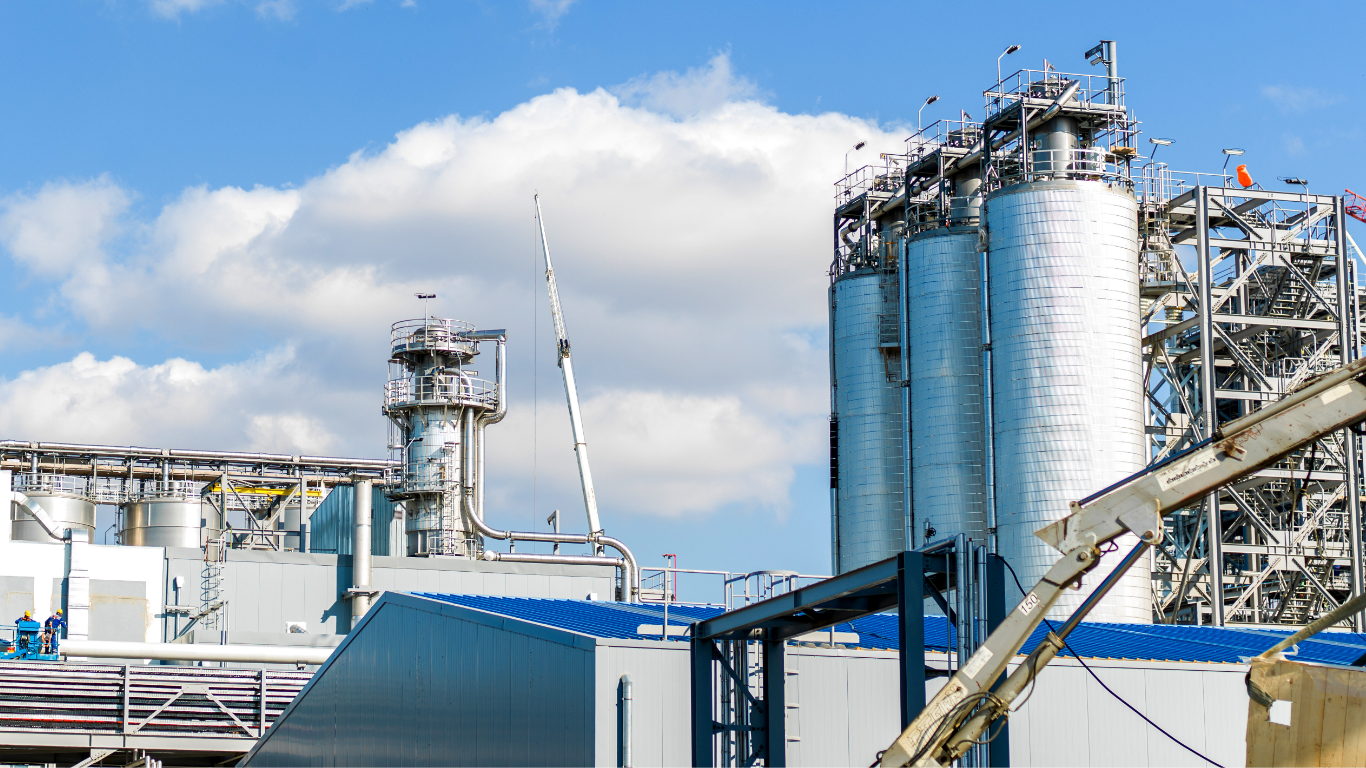
AI in Oil Production is changing the way modern energy companies discover, manage, and produce oil. This article explains in simple words how artificial intelligence, digital technology, and real-time data are helping companies improve safety, increase production, and make smarter decisions across the entire oilfield.
AI in Oil Production Is Transforming the Future of Energy
The energy industry is changing faster than ever, and AI in Oil Production is becoming one of the biggest reasons behind this transformation. Oil companies are no longer depending only on traditional drilling methods. Instead, they are using artificial intelligence, advanced data analysis, and digital technologies to produce more oil while improving safety and reducing operational delays.
For decades, oil companies accepted that a large amount of oil would remain trapped underground because existing extraction methods could recover only a limited portion of available reserves. Today, technology is helping companies rethink that challenge. Digital tools are providing engineers with a better understanding of underground reservoirs, allowing them to make faster and more accurate decisions.
One of the strongest examples comes from global energy company bp. The company has shown how AI in Oil Production can increase output, improve operational efficiency, and reduce production losses by combining artificial intelligence with real-time monitoring systems.
Industry experts also point to data from the International Energy Agency, which estimates that conventional recovery methods usually extract only around one-third of available oil reserves. The remaining resources often stay underground because they are difficult or expensive to recover. This creates a major opportunity for companies investing in smarter technologies.
Instead of focusing only on new oil discoveries, many energy companies are now improving the performance of existing oilfields. Even a small increase in production across a large field can generate thousands of additional barrels every day while making better use of existing infrastructure.
One important technology supporting this progress is AI-powered seismic imaging. Traditional seismic surveys have helped engineers understand underground formations for many years, but modern 4D seismic imaging adds a completely new level of accuracy. By comparing reservoir changes over time, engineers can see how fluids move beneath the surface and identify the most productive drilling opportunities.
This deeper understanding reduces uncertainty before expensive drilling operations begin. Better planning also lowers operational risks and helps projects move from planning to production much faster.
Another innovation changing the industry is virtual rock modeling. Engineers now create detailed digital copies of physical rock samples collected from reservoirs. These digital models allow computer simulations to predict how oil, gas, and water move through underground formations.
What previously required months of laboratory testing can now be completed in just a few days using AI-assisted simulations. Faster analysis means faster decisions, lower costs, and improved project planning.
According to Ricky Burns, Transformation and Technology Manager at bp, higher confidence in underground data helps engineering teams bring production online both safely and more quickly. Accurate digital information allows teams to make informed decisions long before drilling equipment reaches the field.
Once production begins, AI continues to play an important role through continuous monitoring systems. Modern oilfields generate huge amounts of operational data every second. Artificial intelligence processes this information almost instantly, helping engineers identify small problems before they become expensive shutdowns.
bp uses an intelligent digital platform called Optimization Genie to monitor production performance in real time. The system studies operating conditions and recommends adjustments that improve flow rates, valve settings, and overall production efficiency.
Instead of asking engineers to manually review thousands of data points, AI delivers practical recommendations that support faster and more confident decision-making.
Artificial intelligence is also helping reduce production downtime. When wells stop operating because of maintenance or unexpected interruptions, restarting them safely can take valuable time. AI-powered startup systems evaluate different operating conditions and recommend the safest and quickest recovery strategy.
Reducing downtime allows production to return to normal more rapidly while maintaining high safety standards for workers and equipment.
Offshore operations are benefiting from similar digital improvements. Modern fiber-optic monitoring systems installed inside wells continuously collect information about pressure, temperature, and fluid movement. This live data gives engineers a clear picture of what is happening deep underground without waiting for manual inspections.
Continuous monitoring helps teams react faster whenever operating conditions or system performance changes. Engineers can solve problems earlier, optimize production, and improve overall equipment performance.
Experts across the energy industry believe that high-quality data has become one of the most valuable resources in modern oil production. Better information leads to better decisions, and better decisions often result in higher production, improved safety, and lower operating costs.
Our opinion is that AI in Oil Production is no longer simply an emerging technology. It is becoming a practical business tool that helps companies maximize existing resources while improving operational reliability. As artificial intelligence continues to evolve, energy companies that invest in digital transformation are likely to remain more competitive than those relying on traditional operating methods alone.
The future of the oil and gas industry will not depend only on discovering new reserves. Success will increasingly come from using AI, automation, and intelligent data systems to recover more value from existing fields while operating more safely, efficiently, and sustainably.