
AI Generative Art Changing Digital Creativity
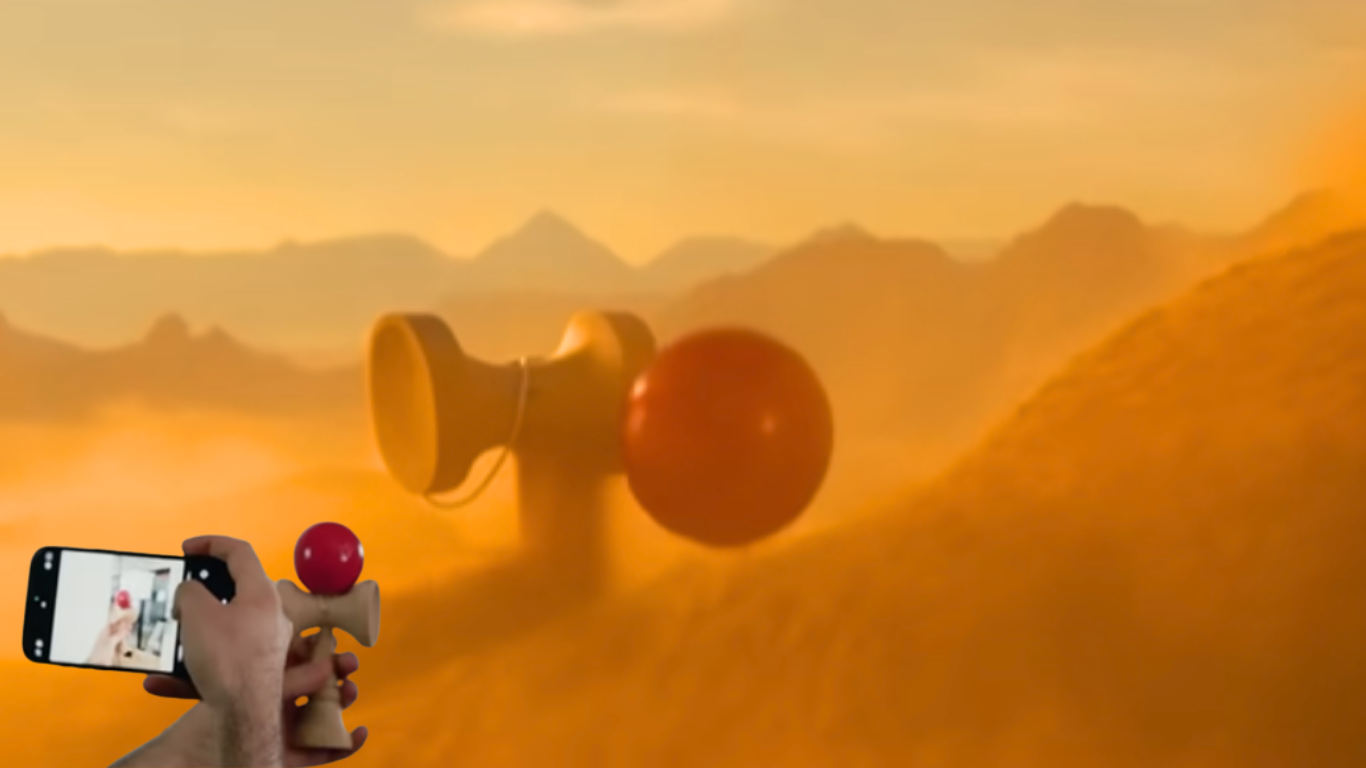
AI Generative Art is changing the way people create digital visuals, realistic photography, and cinematic artwork. This article explores how artificial intelligence is helping artists, designers, and content creators produce visuals that once required years of technical skill, expensive equipment, and countless hours of editing.
Introduction to Generative Art How AI Creates Visuals
The creative world is moving through one of the most exciting transformations in modern history. AI Generative Art is no longer an experimental concept hidden inside research labs. It has become a practical creative tool that designers, photographers, marketers, and digital artists now use every day to build visuals that look incredibly realistic and emotionally powerful.
What makes this evolution remarkable is how quickly ordinary people can now produce professional-level artwork. A few years ago, creating cinematic digital scenes or realistic portraits demanded expensive cameras, advanced software, and years of experience. Today, AI systems can interpret written instructions and transform simple ideas into polished visuals within seconds.
From my perspective, this shift is not replacing creativity. Instead, it is expanding creativity into areas that were previously impossible for independent creators. Small creators can now compete visually with large production studios. That alone has changed the digital landscape forever.
How AI Generative Art Actually Works
At its core, AI Generative Art works by studying enormous collections of images, colors, textures, lighting patterns, artistic styles, and photography techniques. After analyzing this visual information, the AI learns how different elements connect together. It then uses that understanding to create completely new visuals based on written prompts.
For example, a creator might type a request for a futuristic city at sunset with cinematic lighting and realistic reflections on wet streets. The AI processes every part of that instruction and generates a visual scene that matches the description.
The impressive part is not only speed. The realism has become astonishing. Some AI-generated photography now looks almost identical to professional camera work. Skin textures, reflections, shadows, fabric details, and environmental lighting can appear incredibly natural.
This is why AI-generated photography has become one of the fastest-growing creative industries online.
Why High-End Digital Art Is Growing So Fast
One reason high-end digital art is exploding in popularity is accessibility. Creative tools that once belonged only to elite professionals are now available to freelancers, startups, students, and independent creators.
I have noticed that many brands now prefer AI-powered visuals because they reduce production costs while maintaining premium quality. A company can produce advertising graphics, fashion concepts, product mockups, and cinematic scenes without organizing expensive photoshoots.
This efficiency has changed content production dramatically. Social media platforms reward visually striking content, and AI helps creators produce that content much faster than traditional methods.
At the same time, digital artists are discovering new creative freedom. Instead of spending days adjusting technical details, they can focus more on storytelling, imagination, and emotional impact.
The Rise of Realistic AI Photography
Realistic AI photography has become one of the most fascinating parts of AI Generative Art. Many creators now build portraits, landscapes, fashion imagery, and cinematic compositions that appear almost impossible to distinguish from real photography.
The reason this matters goes beyond visual beauty. Businesses use AI-generated photography for marketing campaigns, websites, magazines, and online branding because it saves both time and money.
I personally believe the strongest advantage is experimentation. Traditional photography often depends on location, weather, lighting equipment, scheduling, and large budgets. AI removes many of these limitations and allows creators to test creative ideas instantly.
A fashion designer can visualize an entire collection before manufacturing begins. A filmmaker can create cinematic concept art before production starts. A travel company can generate dreamlike tourism visuals without visiting every location physically.
This creative flexibility is one of the biggest reasons AI visual storytelling continues to expand worldwide.
The Human Role Behind AI Creativity
Many people fear that artificial intelligence will replace artists completely. I do not see it that way. The most impressive AI visuals still depend heavily on human direction, imagination, and emotional understanding.
AI can generate images quickly, but humans still shape the meaning behind those visuals. Great prompts require vision. Great storytelling still requires human emotion. Great design still depends on personal taste and creative instinct.
The creators who succeed with AI are usually the ones who combine technical understanding with artistic thinking.
In reality, AI works best as a creative partner rather than a replacement.
Practical Uses of AI Generative Art
AI Generative Art is now influencing almost every visual industry. Marketing agencies create promotional graphics faster than ever. Game developers design immersive environments. Film studios generate cinematic concept scenes. Online stores produce realistic product images. Social media creators build eye-catching visuals daily.
Even educators are using AI-generated visuals to simplify learning experiences for students.
One practical example comes from digital advertising. Companies can now produce multiple visual campaign styles within hours instead of weeks. This allows businesses to test creative strategies rapidly and improve audience engagement.
The same advantage appears in modern publishing. Bloggers, journalists, and media platforms now create custom visuals without relying entirely on stock photography.
That shift is helping content feel more original and visually unique.
Challenges and Ethical Questions Around AI Art
Despite the excitement, AI Generative Art also raises important ethical concerns. Questions about originality, copyright, and creative ownership continue to grow.
Some artists worry that AI systems learn from existing artwork without proper credit. Others fear oversaturation of low-quality visuals online.
I believe responsible use matters more than the technology itself. Creators should focus on originality, transparency, and meaningful creativity rather than simply generating endless images for attention.
The strongest AI artists are not the ones creating the most visuals. They are the ones creating visuals that communicate genuine emotion and purpose.
That difference will become increasingly important as AI content continues to grow across the internet.
Why Worldstan Views AI Creativity Differently
At Worldstan, the focus is not simply following trends. The goal is understanding how technology changes creative industries in practical, human-centered ways.
Many platforms discuss AI art only from a technical angle. Worldstan approaches it from the perspective of creators, businesses, photographers, designers, and everyday users who want to understand how these tools can improve real creative work.
That practical way of thinking is what sets this perspective apart from the generic AI discussions commonly seen online.
The future of visual creativity will belong to creators who understand both technology and human emotion together.
The Future of AI Generative Art
The next few years will likely transform digital creativity even further. AI systems are becoming more realistic, more responsive, and more personalized. Future AI tools may understand mood, cinematic direction, storytelling structure, and artistic identity at a much deeper level.
I expect realistic AI photography and high-end digital art to become standard parts of online branding, advertising, entertainment, and media production.
At the same time, human creativity will remain the true foundation behind meaningful art.
Technology can generate visuals, but people still create emotional connection.
That truth will never disappear.
Conclusion
AI Generative Art is opening creative opportunities that once felt impossible for ordinary creators. It allows artists, businesses, photographers, and digital storytellers to create professional visuals faster, cheaper, and with greater creative freedom than ever before.
The real power of AI is not simply automation. Its true value comes from helping people transform imagination into reality with fewer limitations standing in the way.
As this technology continues evolving, creators who combine originality, emotion, and smart AI usage will shape the future of visual storytelling. Worldstan believes this creative revolution is only beginning, and the possibilities ahead are far larger than most people currently realize.