

AI Drug Discovery Is Transforming Brain Disease Research
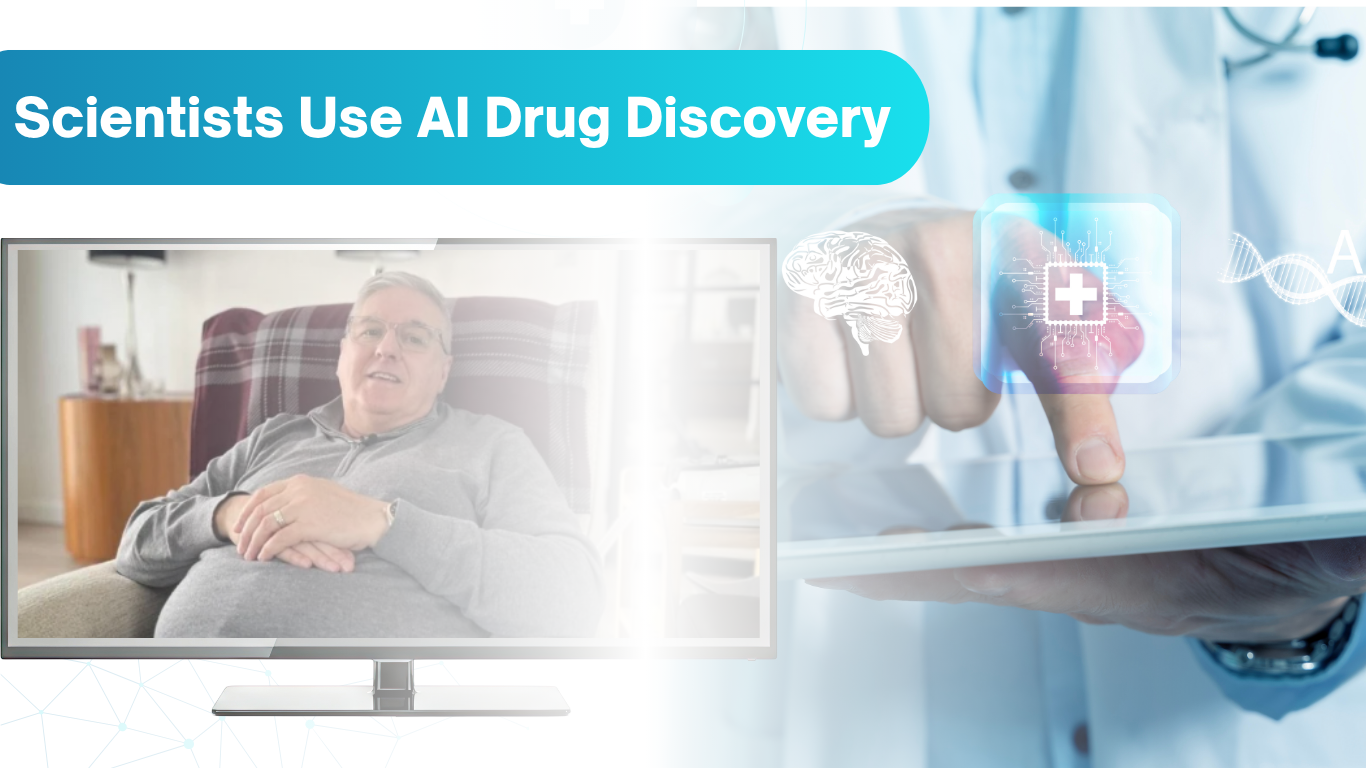
AI drug discovery is rapidly changing the future of healthcare as scientists use advanced technology to find faster treatments for serious brain conditions like dementia and motor neurone disease.
Artificial intelligence is opening a new chapter in modern healthcare. Researchers around the world are now using AI drug discovery methods to speed up the search for treatments for serious neurological conditions. What once required many years of research can now be explored much faster with the help of advanced algorithms, smart data analysis, and automated systems.
Scientists at the UK Dementia Research Institute are currently working on projects that combine artificial intelligence with medical research to uncover hidden treatment possibilities for brain-related diseases. Their work focuses on conditions such as dementia and motor neurone disease, commonly known as MND.
Neurological diseases remain among the most difficult health challenges in the world. The human brain is incredibly complex, and researchers have spent decades trying to understand how these conditions develop and how they can be treated effectively. Traditional drug development can take over ten years, with enormous costs and no guarantee of success. This is where AI drug discovery is beginning to change the process.
Instead of starting from zero, scientists are now using artificial intelligence to study huge amounts of patient information. This includes medical records, voice samples, eye scans, and other health data. AI systems can quickly identify patterns that humans may overlook and suggest whether existing medicines might also work for neurological conditions.
One of the most promising areas is drug repurposing. In simple words, this means finding new medical uses for medicines that already exist. AI can scan thousands of approved drugs and predict which ones may help patients with brain disorders. This could dramatically reduce the time needed to bring treatments to people who urgently need them.
Researchers believe this approach could offer hope for patients living with conditions that currently have very limited treatment options. Among those supporting the research is Steve Barrett, a participant living with MND. He shared how the disease completely changes a person’s future and identity, making research efforts deeply meaningful for patients and families.
His participation reflects the emotional and human side of medical innovation. For many patients, joining clinical trials is not only about personal treatment but also about helping future generations receive better healthcare solutions. This human connection is one reason why AI healthcare innovation is gaining so much attention worldwide.
The research process itself is also becoming more advanced. Scientists are combining robotics, traditional laboratory equipment, and AI-powered software to test medicines more efficiently. These specialist systems can analyze large numbers of production samples and predict how drugs may perform before they even reach human trials.
According to experts involved in the project, the combination of artificial intelligence and modern medical technology is creating possibilities that seemed impossible only a few years ago. Researchers say that during earlier stages of medical education, many of these tools simply did not exist. Today, AI can help scientists study diseases in ways that were once unimaginable.
The use of AI in medicine is not limited to neurological research alone. Across the healthcare industry, artificial intelligence is already helping improve diagnostics, patient monitoring, and personalized treatment planning. However, brain disease treatment is becoming one of the most exciting areas because of the urgent global demand for faster medical breakthroughs.
In our opinion, AI drug discovery could become one of the most important healthcare developments of this decade. While artificial intelligence will never replace doctors or medical experts, it can significantly improve how quickly researchers identify possible treatments. Faster research means faster clinical trials and, potentially, faster relief for millions of patients worldwide.
Experts also believe the healthcare industry is approaching a major turning point. As AI systems continue learning from growing medical databases, their accuracy and usefulness are expected to improve even further. This could lead to earlier disease detection, more targeted medicines, and lower research costs in the future.
Although challenges still remain, the progress already being made is remarkable. AI neurological research is showing that technology can play a powerful role in solving some of the world’s most difficult medical problems. For patients suffering from diseases like dementia and MND, these scientific advances represent more than innovation they represent hope.
The future of AI in healthcare appears more promising now than ever before.As scientists continue exploring new ways to combine technology with medicine, AI drug discovery may soon become a standard part of global medical research and treatment development.